


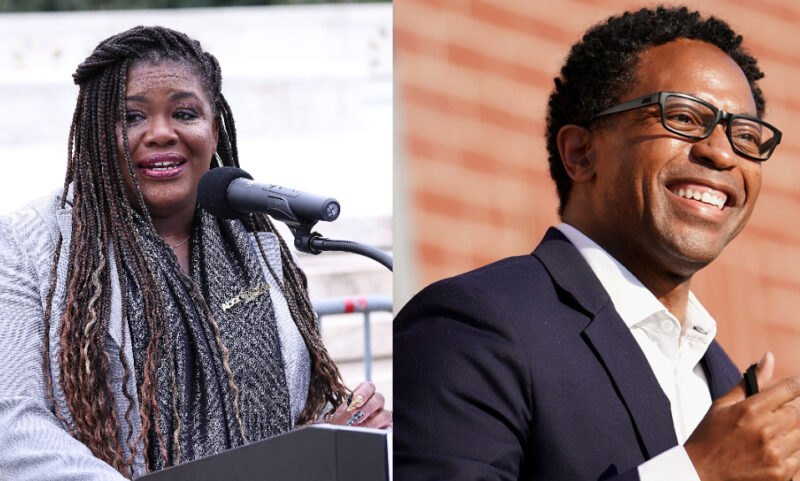
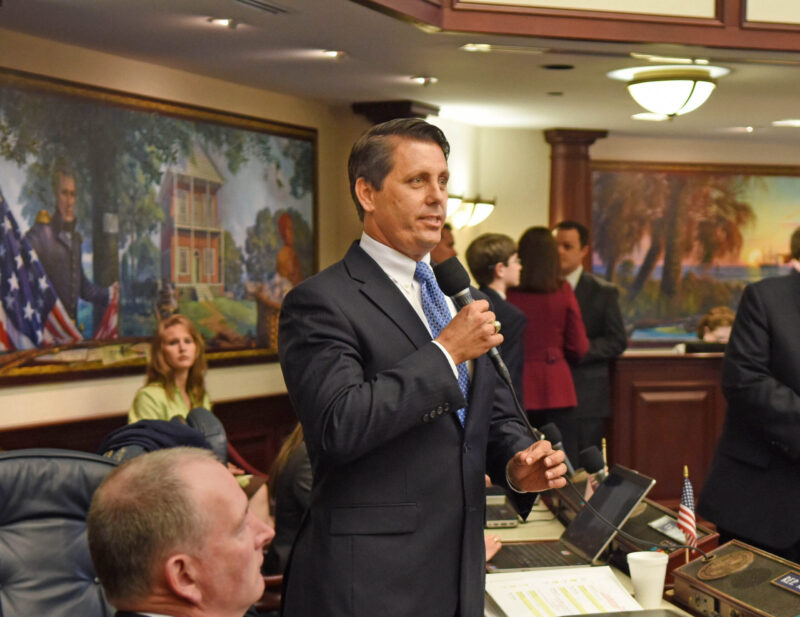
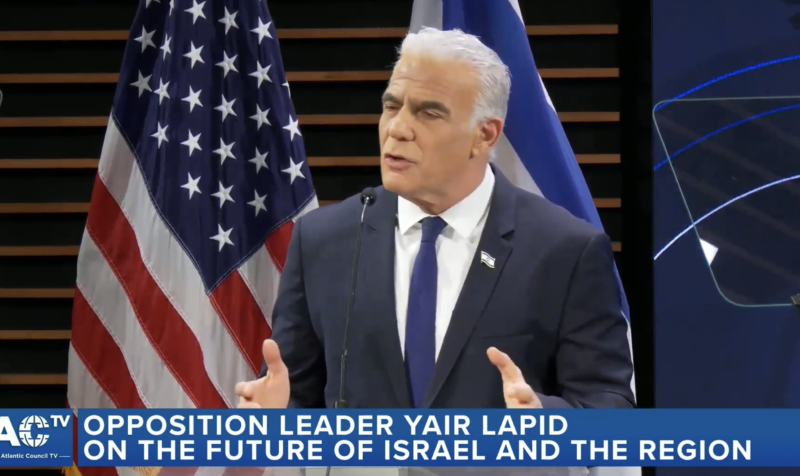
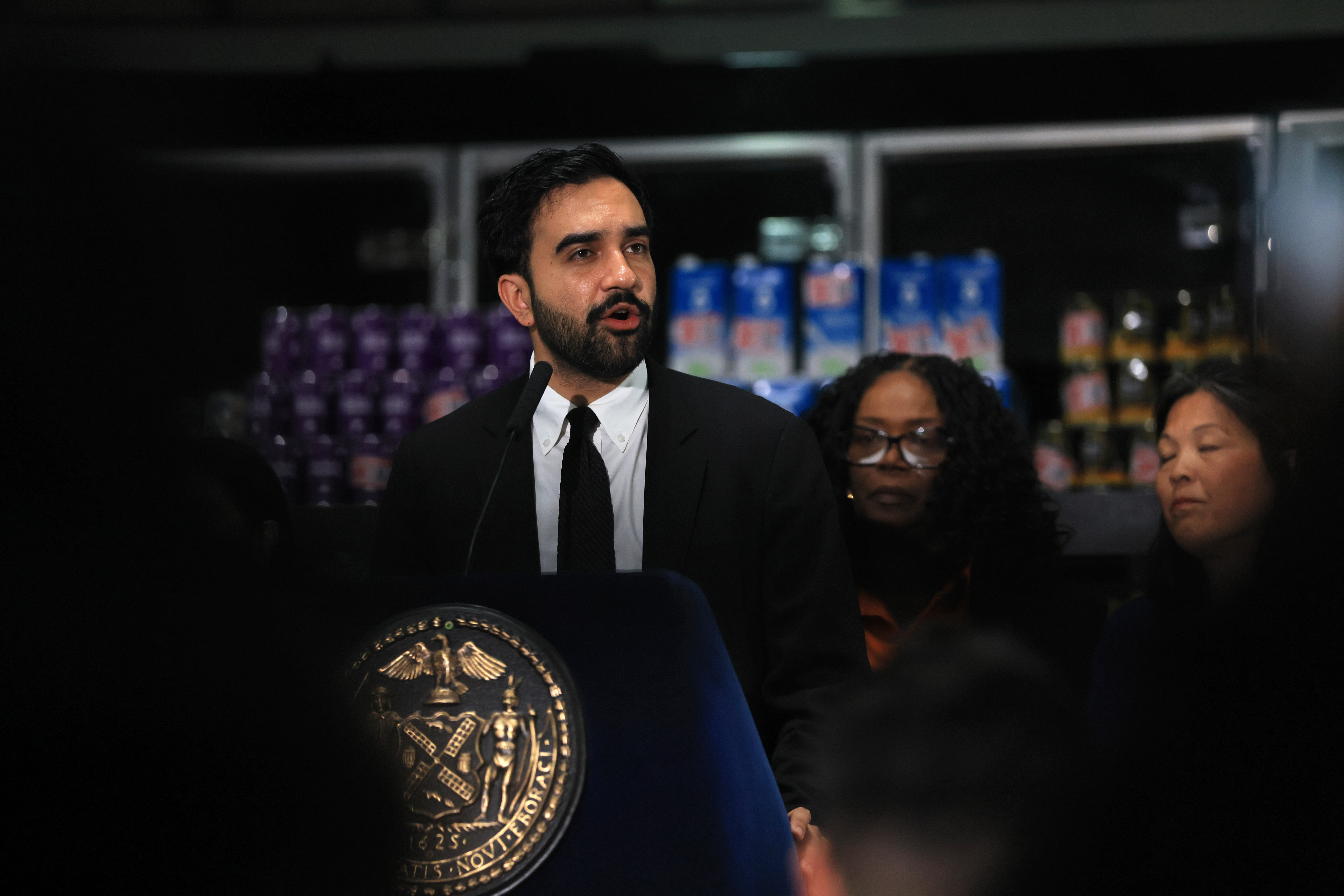










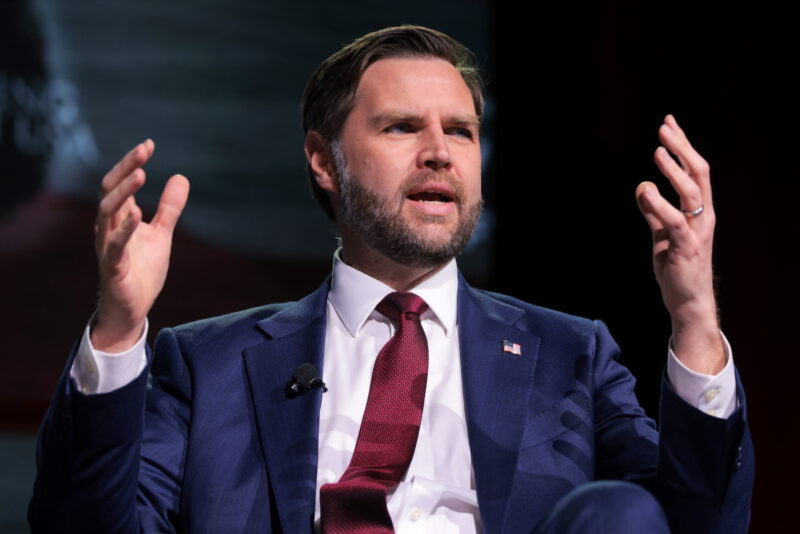


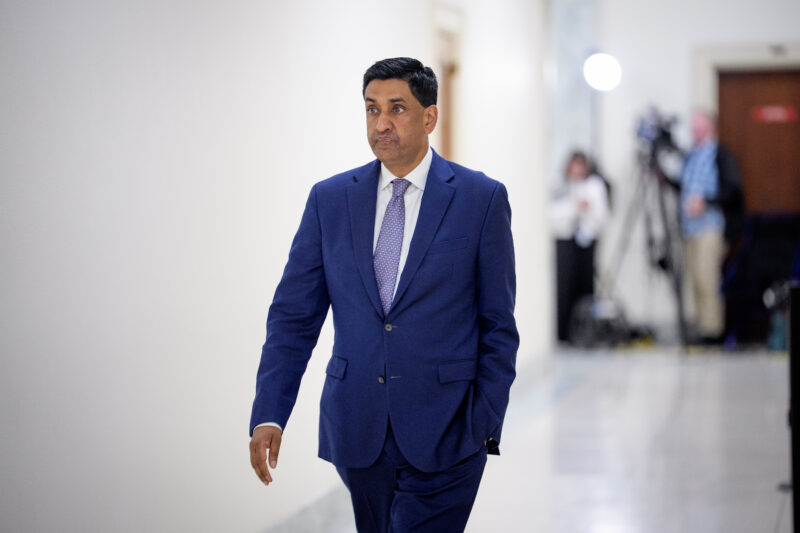

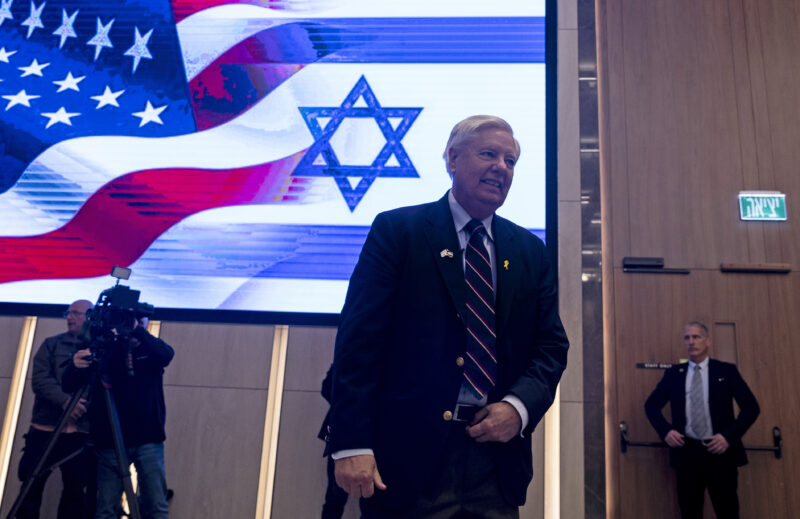
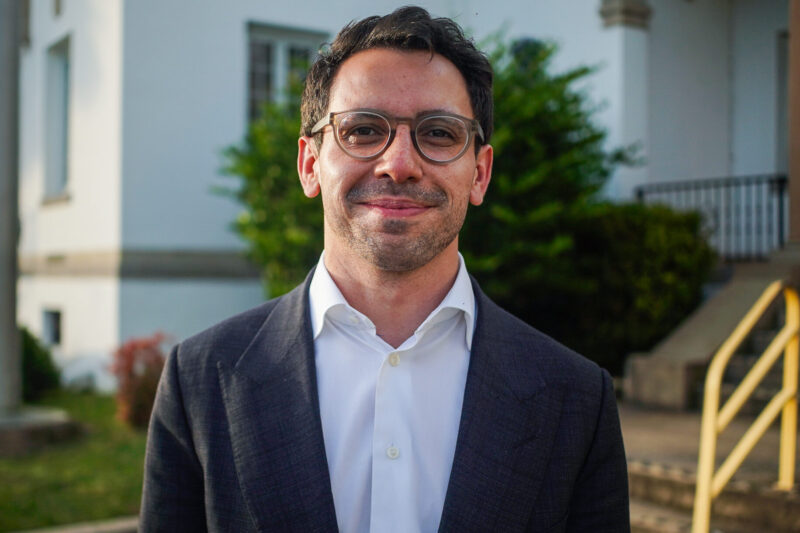








Top contributors to Florida gubernatorial candidate James Fishback are also bankrolling Rashida Tlaib, Ilhan Omar, Abdul El-Sayed and Andre Carson
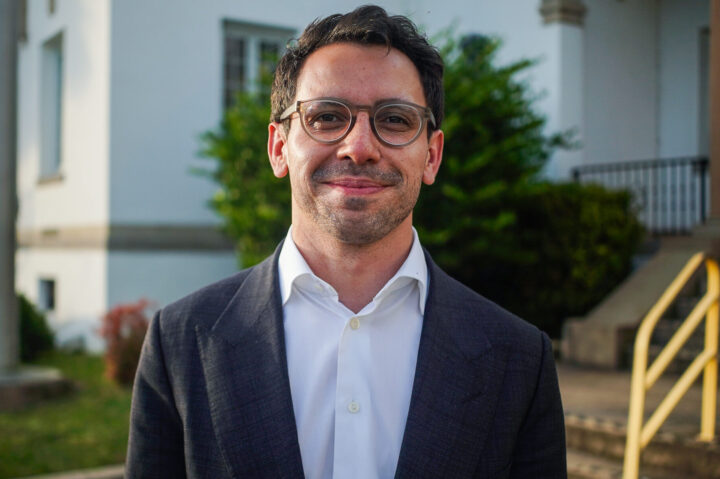
Campaign website
James Fishback


 Add JewishInsider on Google
James Fishback, the GOP candidate for Florida governor whom critics call “openly racist” and “openly antisemitic,” ostensibly sits at the opposite end of the political spectrum from the likes of Rep. Rashida Tlaib (D-MI) and Democratic Senate candidate Abdul El-Sayed in Michigan.
But the far-right and far-left politicians share more than just an aversion to Israel — they also overlap in donors, Jewish Insider has found.
As a candidate, Fishback has embraced and celebrated neo-Nazi podcaster Nick Fuentes’ “groyper” movement, propagated the “white genocide” and “great replacement” conspiracy theories, told a Black Floridian they should be lynched and repeatedly taunted Rep. Byron Donalds (R-FL) — his rival to replace Gov. Ron DeSantis — over his race. The radical right candidate has also called the Western Wall “stupid,” referred to fast food as “goyslop,” promised Tucker Carlson he would dump the Sunshine State’s holdings in Israeli bonds, blamed the Iran war on AIPAC and released an ad vowing that no one would be “convicted of antisemitism” for criticizing the Jewish state under his leadership.
But his campaign has proven a magnet for donors to progressive candidates, who have poured tens of thousands of dollars into a PAC supporting his election.
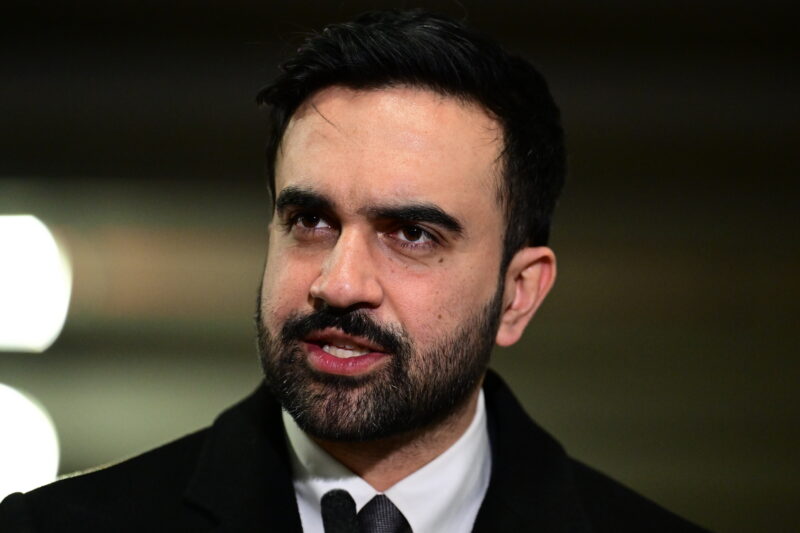
Among the 27 donors to give the maximum $3,000 contribution to Fishback’s bid for Tallahassee is New York-based philanthropist and financier Amed Khan. A longtime associate of the Clinton family and contributor to former Presidents Barack Obama and Joe Biden, as well as to the Democratic National Committee, Khan’s public commentary and political giving has pivoted leftward since the Oct. 7, 2023, Hamas attacks on Israel.
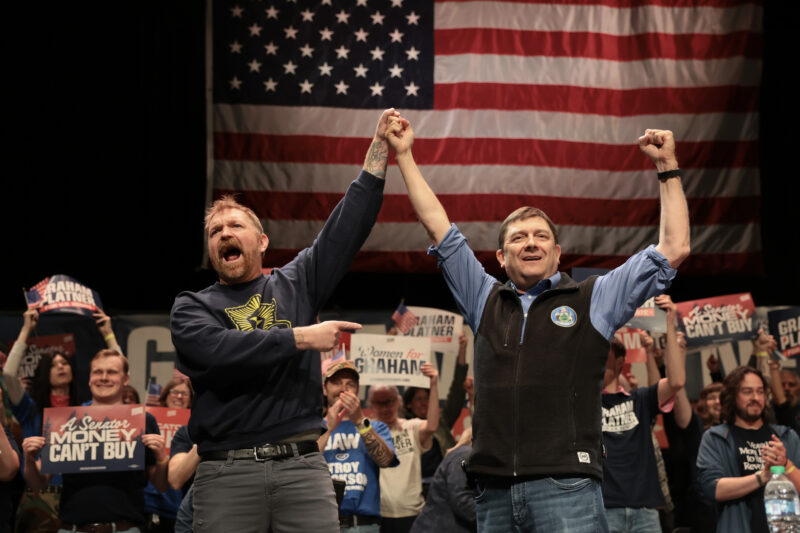
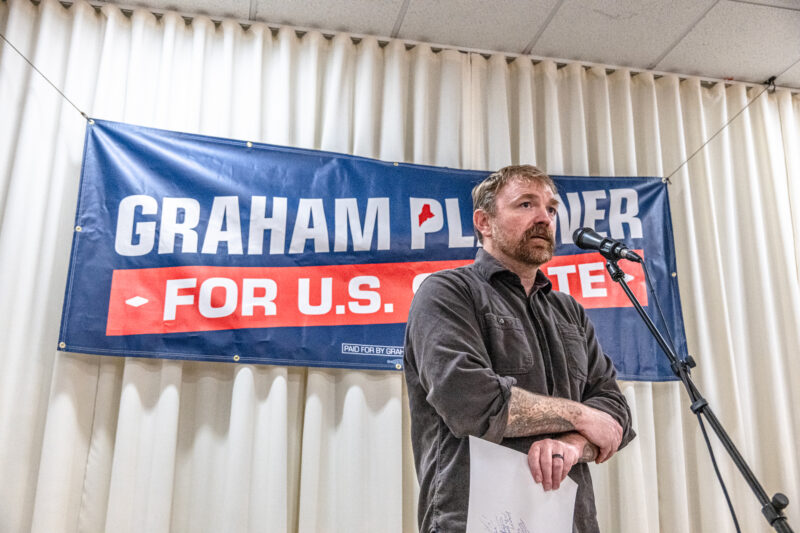
Besides maxing out to Fishback, this cycle the investment banker and Quincy Institute board member has kicked $7,000 to former Maine Senate nominee Graham Platner, the progressive Democrat whose tirades against “oligarchs” and “the establishment” — not to mention his rhetoric on Israel — made him a favorite of the online left before a rape allegation derailed his campaign. In March, Khan donated the maximum $5,000 to Peace, Accountability, and Leadership PAC, an arm of the Institute for Middle East Understanding Policy Project, a dark money nonprofit dedicated to advancing pro-Palestinian narratives and candidates.
And just weeks before contributing to the Republican Fishback in February, Khan gave $3,500 to Gaza flotilla activist Greg Stoker, who is running against Rep. John Carter (R-TX) and Democratic candidate Justin Early on the Green Party line. On the same day he cut a check to the far-right Floridian, Khan donated $3,500 to another Green House hopeful: former Gaza Humanitarian Foundation contractor Anthony Aguilar, who has accused his former employer and the IDF of war crimes.
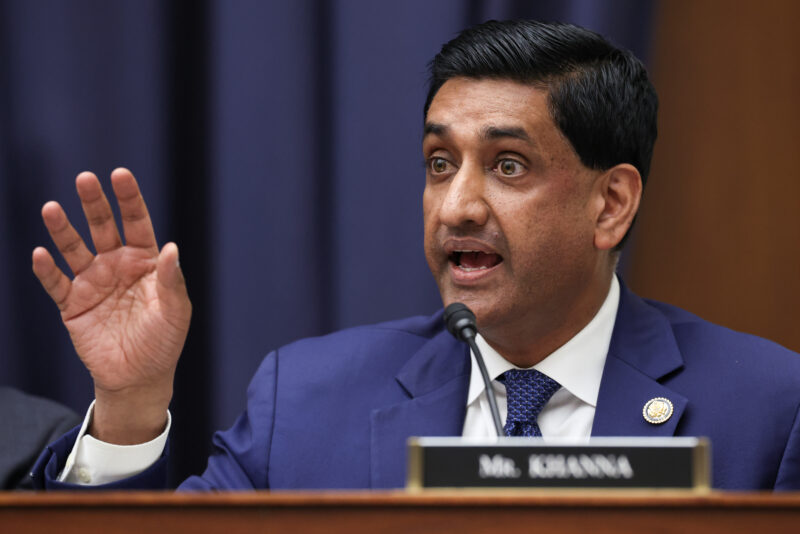
Khan also gave $3,500 in January to Rep. Ro Khanna (D-CA), part of a pattern of support for the increasingly anti-Israel lawmaker that stretches back to 2019.
In the 2024 cycle, Khan gave $5,000 to Justice Democrats, and donated smaller amounts to Rep. Summer Lee (D-PA), Rep. Ilhan Omar (D-MN), and then-Rep. Jamaal Bowman (D-NY), all figures linked to the Democratic Socialists of America and the left-wing “Squad” in Congress.
But Khan has also maintained support for more mainstream liberal figures, donating $7,000 in June 2025 to former U.S. Ambassador to Ukraine Bridget Brink’s bid for Congress in Michigan, and $14,000 that March to committees affiliated with Sen. Jon Ossoff (D-GA), a Jewish Democrat who has lately clashed with AIPAC and opposed military aid to Israel.
Another of Fishback’s max-out donors is similarly a historic backer of Democrats who lately has ventured into supporting figures on the fringes of both parties: Parviz Tayebati, a Port Biscayne-based tech investor.
Tayebati has donated a total of $19,000 to committees linked to Rep. Thomas Massie (R-KY) and $6,600 to former Rep. Marjorie Taylor Greene (R-GA), both hard-right figures who have increasingly leaned into an anti-Israel identity toward the end of their tenure. He has also donated $3,500 to a PAC supporting one of Greene’s unsuccessful replacements, former state lawmaker Colton Moore, who once was a firm supporter of Israel but more recently became the lone Republican in the state Senate to oppose adopting the International Holocaust Remembrance Alliance’s working definition of antisemitism.
In May, Tayebati gave $2,000 to Platner and another $1,000 to Effie Phillips-Staley, a left-wing Democrat who picked up an anti-Israel drumbeat in her failed bid to become the Democratic nominee against Rep. Mike Lawler (R-NY).
One of the few donors to comment for this story, Tayebati told JI he donated to Fishback after seeing a social media video of him criticizing Israel’s military campaign in the Gaza Strip. However, he called his decision to give money to the candidate “short sighted,” and pleaded ignorance of Fishback’s full views at the time of the donation in January.
“After I found out how extreme and actually antisemitic he is I regretted my support,” Tayebati wrote in a text message, adding that he has changed parties several times in the years since he arrived in the U.S. from Iran. “I am an American citizen and believe anyone who becomes a citizen [in] this country must have their loyalty only to America first and view anyone who is a U.S. citizen but uses their rights and freedom to promote another country as traitors and should be deported.”
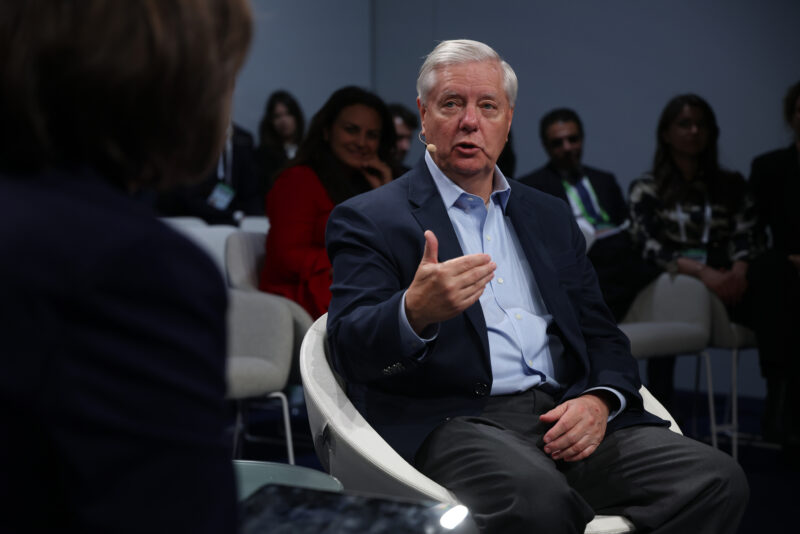
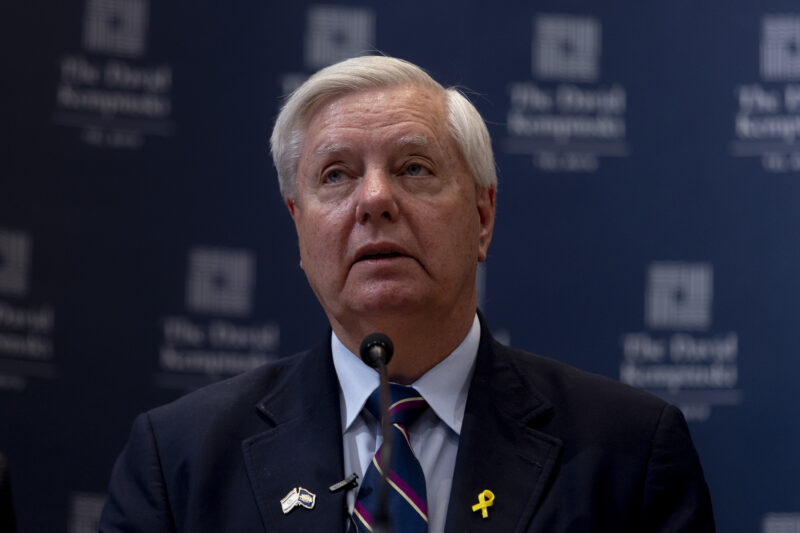
Tayebati has also supported a few less extreme candidates, including Dr. Annie Andrews, a Democratic challenger to Sen. Lindsey Graham (R-SC) and Rep. Nancy Mace (R-SC).
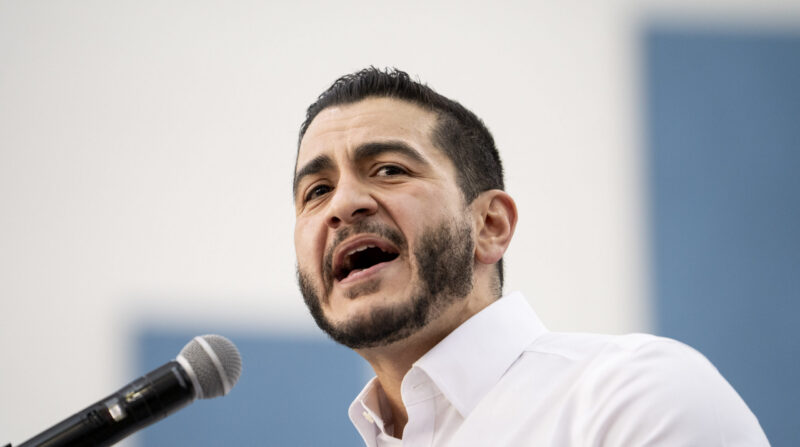
Fitting a similar pattern is physician Mohamad Naem of Tampa, Fla., who has given the maximum to Fishback while also donating $7,450 to El-Sayed’s campaign in Michigan, blowing past the $7,000 campaign contribution ceiling. The Senate candidate’s team told JI they would refund the over-the-limit funds, but declined to comment for this piece beyond vowing they had never shared any donor list or had other contact with Fishback.
A longtime supporter of Tlaib, in late 2023 Naem began also sending cash to her Squad colleagues Lee, Bowman, Rep. Ilhan Omar (D-MN) and former Rep. Cori Bush (D-MO). Also in the 2024 cycle, he donated $2,000 to Pervez Agwan and $1,000 to Preston Nouri, both left-wing upstarts who made criticism of Israel and AIPAC a central theme in their campaigns.
Last year, he contributed $3,333.34 to the committees of Rep. Andre Carson (D-IN) and $1,500 to Rep. Delia Ramirez (D-IL), both key backers of legislation that would sever military aid to the Jewish state and of resolutions condemning its actions, while keeping up his support for Omar and Tlaib.
In recent months, along with donations to El-Sayed, Naem has given smaller amounts to Phillips-Staley and to Eric Yonce, another unsuccessful Israel critic who ran for Congress in Florida.
As with Khan and Tayebati, Naem has made a few donations to candidates supportive of Israel, including Sen. Jim Risch (R-ID), Rep. Abe Hamadeh (R-AZ) and Rep. Cory Mills (R-FL). He also gave $1,000 in 2025 to Rep. Marlin Stutzman (R-IN), who in June proposed winding down U.S. aid to Israel, although the congressman has aligned his position with that of Israeli Prime Minister Benjamin Netanyahu.
But Fishback’s other underwriters have shunned centrists in favor of candidates on the party’s margins. Another of his contributors is Hassan Shibly, who left his position as the head of the Florida chapter of the Council on American-Islamic Relations in 2021 following domestic abuse allegations from his wife.
On the federal level, Shibly has given this cycle to Aaron Baker, running as a right-wing, anti-Israel alternative to Rep. Randy Fine (R-FL) and to Mussab Ali, who challenged Rep. Rob Menendez (D-NJ) as an AIPAC-bashing left-wing insurgent. And beginning in November 2023, Shibly has donated $200 each month to Omar in Minnesota.
In an email to JI, Shibly fiercely disavowed all of Fishback’s controversial stances — save one.
“One of the most significant reasons for my support is his stated position that American taxpayer dollars should be prioritized for the needs of Americans rather than funding foreign governments,” Shibly wrote. “I have been outspoken in opposing continued U.S. funding for the Israeli government’s military campaign in Gaza because I believe Israel has committed genocide against the Palestinian people. Ending or substantially reducing U.S. taxpayer funding for that campaign is an issue of profound moral importance to me.”
Current CAIR-Florida director and attorney Mohammad Mubarak gave $1,000 to Fishback, but at the federal level has given thousands more to El-Sayed, Tlaib, Omar and Carson. Radiologist Nabeel Hamoui gave the GOP gubernatorial contender the full $3,000 allowed under law in May, three months after maxing out to El-Sayed’s Senate campaign. In recent cycles, he’s given to Carson, Omar, Bowman, Lee, Bush and Tlaib.
Tampa investor Ramsy Dahla gave the maximum to Fishback, but has never donated to a federal official other than Tlaib. Another longtime Tlaib backer from Tampa, Ymad Elabed, appears to have given double the largest legally permitted contribution to Fishback by donating from two separate addresses.
Meanwhile, another Tampa businessman, Yasin Saad, gave $3,000 to Fishback but has favored Tlaib and recurring Palestinian American congressional candidate Ammar Campa-Najjar at the federal level.
Texas supermarket magnate Salah Nafal is also a member of Fishback’s $3,000 club, even as he’s given strictly to left-wing Israel critics for national offices, including El-Sayed, Platner, Omar and Tlaib, as well as Rep. Analilia Mejia (D-NJ), Michigan democratic socialist Aisha Farooqi and failed Texas congressional candidates Zeeshan Hafeez and Tanya Lloyd.
Meanwhile, Florida First PAC — a state committee dedicated to backing Fishback for governor — picked up a $35,000 contribution in June from Jacksonville law office Farah & Farah. The firm’s founding partner, Eddie Farah, has given $6,000 this cycle to Tlaib while also kicking $2,000 to the committees of Georgia’s Greene. In 2024, he backed Cornel West for president, while also donating to the PAC Counter Coalition, which subsequently ran a small independent expenditure for New York City Mayor Zohran Mamdani.
Oil distributor Basem Ali gave Florida First $5,000 in May, nearly a year after he gave to the Tlaib campaign. Ali has given tens of thousands to the Michigan congresswoman over the course of her career, and also supported Omar and Campa-Najjar, though he has also donated to Rep. Gus Bilirakis (R-FL), a strong Israel supporter.
Caldwell was adamantly opposed to the U.S. strikes on Iran last summer and argued that preventing Iran from obtaining a nuclear weapon should not be a top-tier U.S. priority

Yuri Gripas for The Washington Post via Getty Images
Director of National Intelligence Tulsi Gabbard speaks during a Cabinet meeting with President Donald Trump on Wednesday April 30, 2025 at the White House in Washington, DC.
Dan Caldwell, a vocal GOP critic of the administration’s Middle East strategy who hails from the isolationist wing of the party, has been hired for a job at the Office of the Director of National Intelligence under DNI Tulsi Gabbard.
Caldwell, once a top advisor and ally to Secretary of Defense Pete Hegseth, was dismissed last spring, accused of leaking to the press, and publicly criticized by Hegseth. Caldwell blamed his firing on opposition from the “foreign policy establishment.”
“In his new position, Mr. Caldwell will serve as an adviser to senior intelligence officials who are responsible for coordinating the work of 18 federal intelligence agencies and drafting the president’s daily intelligence briefing,” The New York Times reported.
A spokesperson for the ODNI said in a statement, “Any individual who is hired by ODNI goes through an extensive background review, including record checks and personal interviews, with a trained official to ensure the individual is trustworthy and does not pose a threat to national security.”
An administration official said that there “was no evidence released to suggest Mr. Caldwell had, in fact, leaked information from the Pentagon. The matter was investigated, and he was cleared” and that he has not yet started in his role but that it “would be an administrative role.”
Caldwell joins the administration amid ongoing operations in the Middle East — after having adamantly opposed the more limited U.S. strikes on Iran last June, maintaining his view that preventing Iran from obtaining a nuclear weapon should not be a top U.S. priority.
The isolationist wing of the party has established an apparent power base inside ODNI under officials including Gabbard, National Counterterrorism Center Director Joe Kent and Deputy Director of National Intelligence for Mission Integration Will Ruger, who like Caldwell worked for the isolationist Koch-backed Defense Priorities think tank before joining the Trump administration.
Prior to Ruger, Gabbard sought to hire Daniel Davis — also a Defense Priorities affiliate and a strident critic of Israel and opponent of U.S. action against Iran — for the role but reversed course amid public scrutiny.
Donald Trump Jr. praised Caldwell on Monday as a “true loyalist to my father and the entire MAGA movement” and an “America First Patriot.”
One former administration official told JI they see the hire as part of an ongoing effort by Ruger to “undermine the president on Iran,” “bring down” the U.S. operations against the Islamic Republic and attack CIA Director John Ratcliffe. “The sooner the president gets rid of Gabbard the better. He needs someone loyal at DNI, not leakers with political agendas,” the former official said.
Right-wing commentator Laura Loomer also lamented Calwell’s rehiring, alleging that Caldwell threatened to kill Hegseth when he was fired and that “to be hired to work at ODNI, you have to be an anti-Semite, a Trump hater, a Never Trump, funded by Koch, or a Democrat,” adding, “Their whole purpose is to undermine Trump and amplify the Tucker Carlson shadow government network.”
Caldwell’s first stop after his firing last April was an interview with Tucker Carlson, on whose show he has made subsequent appearances. He said in his initial appearance on the program that his dismissal was instigated by individuals who objected to his restrained approach to foreign policy matters.
“I have some views about the role of America in the world [that], as we’ve discussed, are a little controversial. All of us in our own ways threatened really established interests,” Caldwell told Carlson in April of himself and the other accused Pentagon leakers. “We threatened a lot of established interests inside the building and outside the building, and we had people who had personal vendettas against us.”
In between his two roles in the second Trump administration, Caldwell served as a senior fellow for foreign policy at American Moment, an organization aimed at staffing Republican political offices with young conservatives that advocates for a restrained foreign policy. He was also a frequent online commentator on Middle East policy issues.
Ahead of the U.S. strikes on Iran’s nuclear facilities last year, Caldwell argued adamantly against them, warning that they would turn into an extended nation-building effort and accusing Israel of trying to drag the U.S. into a war and undermine U.S. diplomatic efforts. He also dismissed a report suggesting that Iran had resumed its nuclear weapons program.
“The costs of a conventional strike against Iran’s nuclear program are potentially catastrophic in lives, dollars, and instability,” he said. “Yet, the long-term impact on the effectiveness of Iran’s nuclear program is likely to be limited.”
Throughout the war, he repeatedly warned that the U.S. and Israel lacked the air defense stockpiles to defend against sustained and ongoing Iranian attacks.
When the U.S. attacked Iran, Caldwell co-wrote an op-ed lamenting the U.S. decision and stating that the “move carries immense risks, potentially plunging the United States into yet another costly, dangerous quagmire in a region that is less important to Washington than foreign-policy elites would have you believe.”
The op-ed continued, “If Trump’s military operation isn’t tightly defined or properly managed, or if actors in the US government or outside of it are allowed to willfully expand the scope of the operation, the second outcome is the most likely — and the most disastrous,” referring to an extended war aimed at regime change.
After the strikes he said, in a co-written report, that no military approach other than a full occupation of Iran would permanently stop its progress toward a nuclear weapon and that U.S. strikes “may set the program back without destroying it, allowing Iran to reconstitute and even speed up its program over time.”
In the wake of the operation, Caldwell argued in a co-written analysis piece that the U.S. force posture in the region is “more of a burden than a benefit” and that around two-thirds of U.S. forces deployed to the Middle East as of July 2025 be withdrawn.
He said that there is no “existential military threat to the U.S. homeland” in the Middle East, therefore additional assets deployed after the Oct. 7, 2023, attacks should be removed, U.S, air defenses should be pulled back, carrier strike groups should be removed from the region and all U.S. forces should be removed from Iraq, Syria, Kuwait and Qatar, as well as some of the U.S. forces in Jordan.
“While a nuclear-armed Iran is not ideal, it does not pose an existential threat to the United States, as Tehran has no delivery vehicles capable of reaching the U.S. homeland,” Caldwell wrote. “Israel might view the threat posed by a nuclear Iran differently, but the interests of a U.S. partner — one that itself has nuclear weapons and receives significant U.S. military aid — should not solely drive the U.S. posture in the region.”
He additionally claimed that the U.S. military presence in the Middle East has no impact on the Iranian regime’s calculations “when it comes to the country’s nuclear program or its wider regional military strategy.”
And he said that the U.S.’s military presence “encourages risk taking by Israel” and that Israel might not have launched strikes on Iran last year if not for the U.S. presence.
Caldwell argued last November that conservatives shouldn’t rule out opposing U.S. aid to Israel.
He also dismissed the “freak out” among conservatives about a reported plan to establish a Qatari air force training facility in the United States.
And he warned that ongoing U.S. strikes against the Houthis could have dragged the U.S. into “another forever war in the Middle East.”
The conservative Caldwell additionally defended progressive Maine Senate candidate Graham Platner when Platner first disclosed that he had a tattoo resembling a Nazi symbol, claiming that Nazi tattoos were “fairly common” in the Marines during the war on terror.
The outspoken Trump critic also raised concerns about the mayor’s decision to revoke executive orders dealing with antisemitism
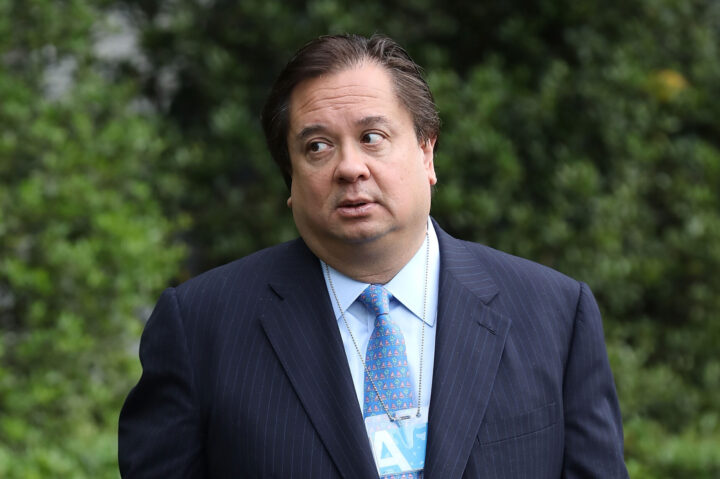
Chip Somodevilla/Getty Images
George Conway attends the 139th Easter Egg Roll on the South Lawn of the White House April 17, 2017 in Washington, DC.
George Conway, a former Republican lawyer and prominent critic of President Donald Trump who announced his bid in a Democratic House primary in Manhattan on Tuesday, is raising concerns about New York City Mayor Zohran Mamdani’s approach to Israel and antisemitism.
Conway, who recently relocated to Manhattan in order to run for the seat being vacated by retiring Rep. Jerry Nadler (D-NY), said in an interview with The New York Times published Tuesday that he was “disturbed” by Mamdani’s sharp criticisms of Israel, even as he called the mayor “a great politician” and voiced admiration for his “focus on affordability.”
The first-time candidate, 62, added in an interview with NBC News on Tuesday that he was “concerned about some of the language” Mamdani has “used in the past about Israel,” as well as the mayor’s recent decision to revoke a pair of executive orders related to Israel and antisemitism on his first day in office.
“His focus really has to be on bringing people together,” Conway said of Mamdani, “not sending the wrong message to individual groups of people.”
As a former Republican operative, Conway, who is running on a staunchly anti-Trump platform, could face skepticism from voters in a heavily Democratic congressional district that includes the Upper East and West Sides.
But his views on Mamdani, who has long been a fierce critic of Israel, could otherwise resonate with a sizable Jewish constituency in the district — which former New York Gov. Andrew Cuomo carried with 50% of the vote in the November mayoral election.
Conway is joining a crowded and competitive race to succeed Nadler, including two state legislators, a Kennedy scion and a gun control advocate who is a vocal detractor of Israel’s war in Gaza. While all the top candidates endorsed Mamdani’s campaign, they have also disagreed with some of his stances on Israel, such as his refusal to recognize the country’s right to exist as a Jewish state.
Still, most candidates have been relatively cautious about publicly sharing their own positions on Israel amid deepening divisions over Middle East policy in the Democratic Party.
Conway, for his part, has previously been critical of Israel’s military conduct during its war with Hamas in Gaza.
A spokesperson for Conway declined to comment further on Tuesday, referring Jewish Insider to his interview with NBC News.
Please log in if you already have a subscription, or subscribe to access the latest updates.
 Continue with Google
 Continue with Apple