






























On the 2028 calendar, a mixed bag for Democratic moderates
The biggest red flag for the party — especially among its Jewish and pro-Israel supporters — is its decision to give Michigan Democrats such a pivotal role, given the rise of antisemitism and anti-Israel hostility within the state party ranks
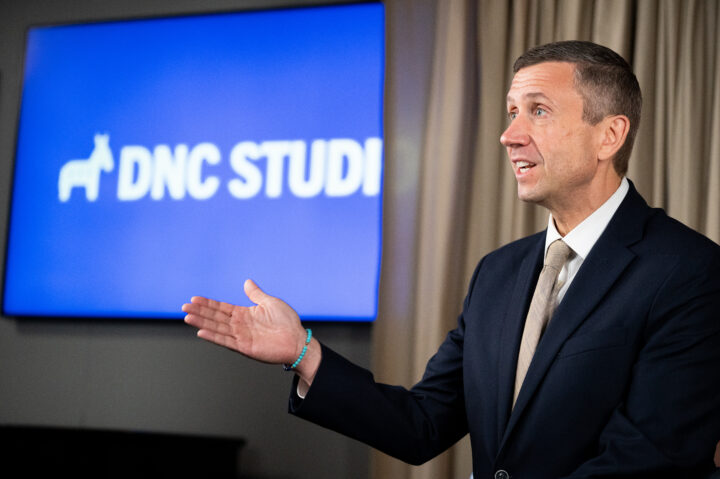
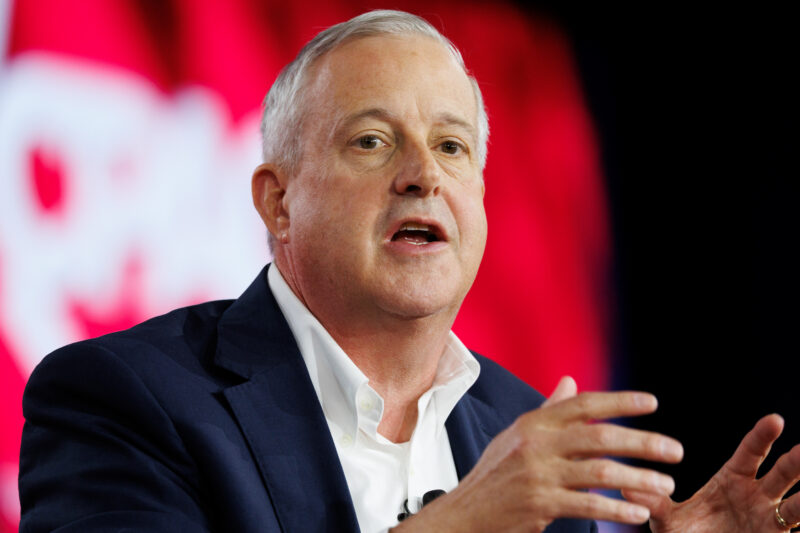
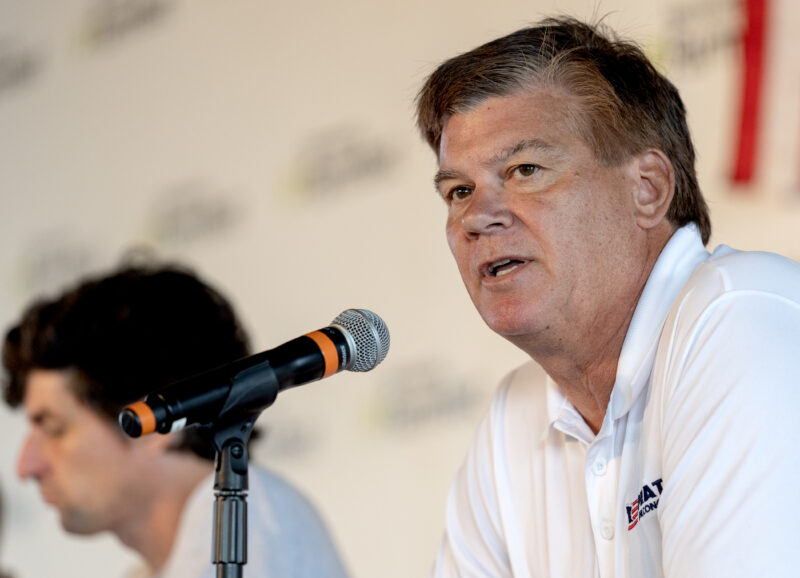
UNITED STATES - NOVEMBER 2: Ken Martin, chair of the Democratic National Committee, speaks during an interview at DNC headquarters in Washington on Sunday, November 2, 2025. (Bill Clark/CQ-Roll Call, Inc via Getty Images)


 Add JewishInsider on Google
For Democrats worried about the party’s left turn, the outcome of the presidential nominating calendar, which was approved by a Democratic National Committee panel on Friday, is something of a mixed bag. (For pro-Israel Democrats, the presence of Michigan taking center stage on the early schedule is already causing heartburn, per reporting from JI’s Matthew Kassel.)
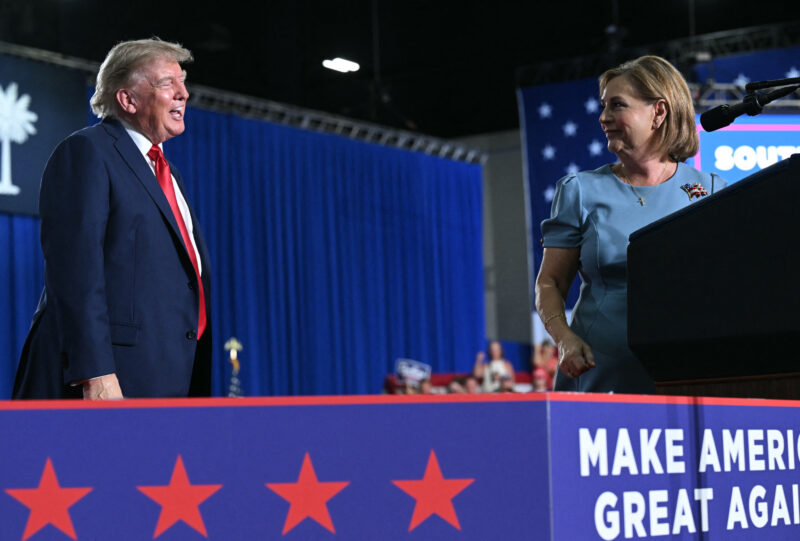
In a boost for centrists, the nomination process is slated to lead with South Carolina, a Southern state that has long been a moderating force in the party’s presidential calendar, largely because of its sizable Black population.
But as Jonathan Martin noted in Politico, South Carolina’s first-in-the-nation status carries some unintended consequences. The state, which has typically voted after Iowa’s caucuses and New Hampshire’s primary, often played the role of choosing the nominee after the field was winnowed down by the earlier states. South Carolina has picked the primary winners in the last two decades: Barack Obama (in 2008), Hillary Clinton (in 2016) and most notably Joe Biden (in 2020) when pundits counted the former vice president out after losses in Iowa, New Hampshire and Nevada.
With South Carolina being moved to the front of the line, the state will end up narrowing down the lineup of candidates rather than having the final say on a shortlist of candidates. The changed primary calendar also puts pressure on moderate candidates to make a strong showing right away: If a leading centrist such as Pennsylvania Gov. Josh Shapiro runs for president, South Carolina suddenly becomes much more of a pivotal state, with outreach to Black voters a necessity.
Nevada will miss out on being the central player under the new calendar, but will still play a key role, holding the first primary in the West just over a week after South Carolina. The state has typically been friendly turf for progressives, given the influence of the state’s culinary union, which organizes workers in the gaming industry. Sen. Bernie Sanders (I-VT) easily won the state in 2020 and only lost narrowly to Clinton in 2016, demonstrating his insurgent campaign’s staying power.
The power of the state’s progressive organizers and its large Hispanic population have raised concerns that a far-left candidate such as Rep. Alexandria Ocasio-Cortez (D-NY) could emerge as a favorite — a factor that dampened support for its bid to be the first-in-the-nation contest.
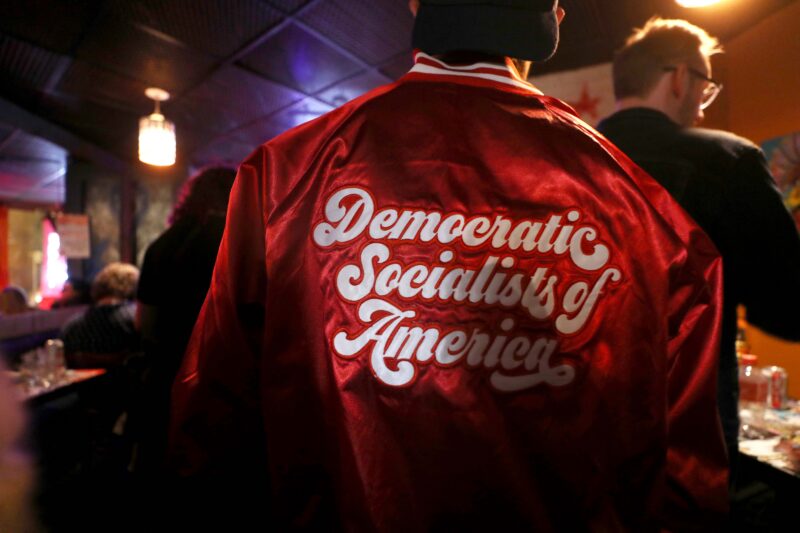
But Nevada also is a swing state, and the state’s switch from a caucus to a primary should broaden the Democratic electorate beyond the most committed activists. That two of the most pragmatic and pro-Israel Democrats represent the state in the Senate — Democrats Jacky Rosen and Catherine Cortez Masto — should also be a silver lining for Jewish Democrats worried about the Democratic Socialists of America factor in the state.
Under the DNC plan, New Hampshire loses its first-in-the-nation-primary status — diminishing its traditional role of thinning out the large field of candidates — but it will still hold the politically pivotal third spot. (New Hampshire Democrats condemned the calendar proposal after it was announced; New Hampshire law requires the state to hold the first presidential primary.)
If New Hampshire ends up accepting its diminished role, it is a likely blow for the more-moderate wing of the party. Even though Sanders won the 2016 and 2020 primaries (in part because he represents the state next door), New Hampshire’s primary hinges less on ideology and more on who can capture the enthusiasm of the exacting voters who treat the process as a state sport every four years.
It’s no coincidence that center-left candidates such as Pete Buttigieg and Sen. Amy Klobuchar (D-MN) outperformed expectations in 2020, and that a dark horse moderate candidate, Sen. Mark Kelly (D-AZ), is polling surprisingly well in a recent statewide survey. If there was a state that a straight-talking centrist such as Rahm Emanuel would need to do well in, it would be New Hampshire.
But with the new calendar, it will be harder for appealing candidates to translate retail buzz in New Hampshire into political momentum, as has happened so often in the past. At a time when algorithmic media and rage-bait virality typically benefit the left, New Hampshire could have served as a corrective against the ideological fads dominating the party. But going third, after two bigger states, makes it tougher for a moderate maverick to emerge.
The biggest red flag for the party — especially among its Jewish and pro-Israel supporters — is its decision to give Michigan Democrats such a pivotal role, given the rise of antisemitism and anti-Israel hostility within the state party ranks. If you’re a Jewish pro-Israel candidate like Shapiro, it will be a headache confronting the radicalism within the party that has been documented thoroughly over the last year.
Michigan is scheduled to be voting fifth in the country on Feb. 22, 2028 — with 115 delegates at stake, the most of the states in the early voting window.
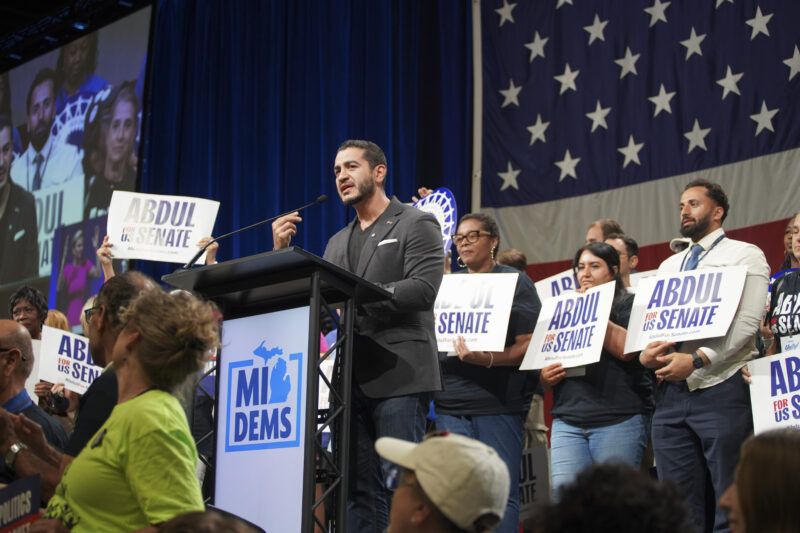
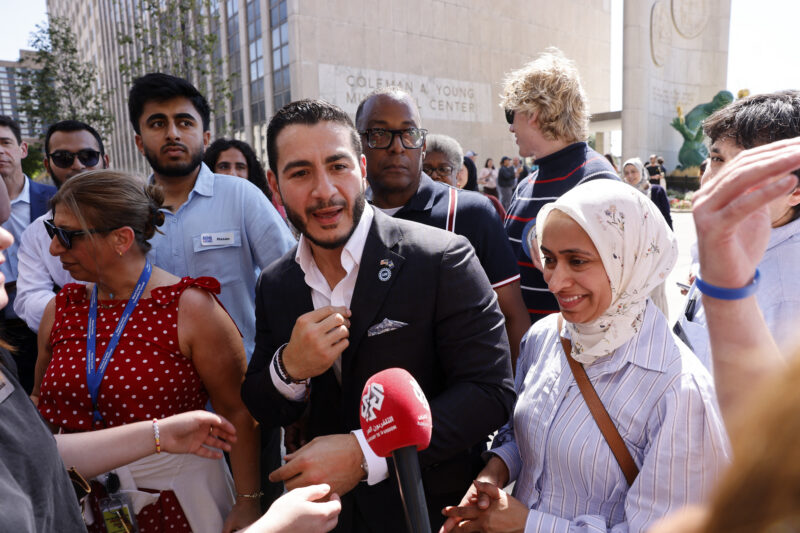
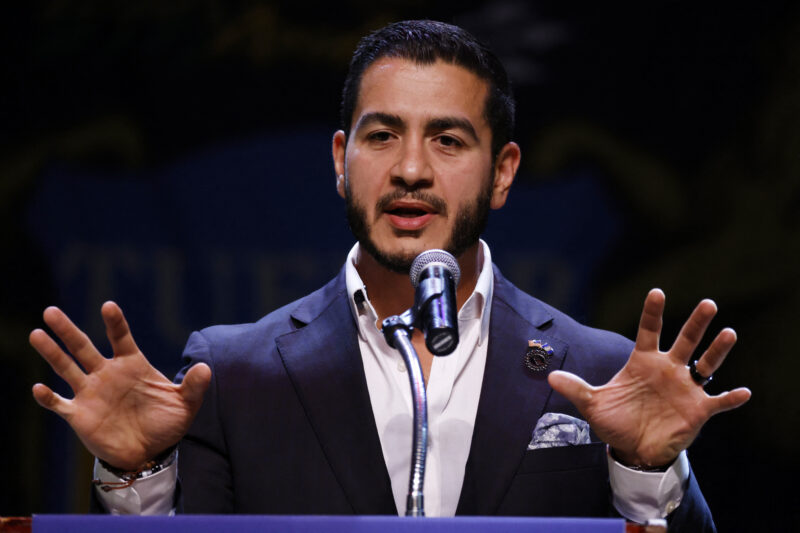
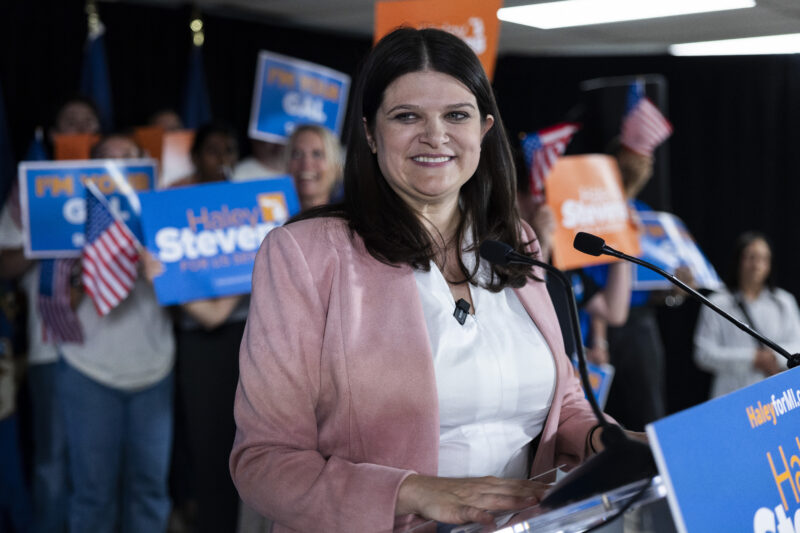
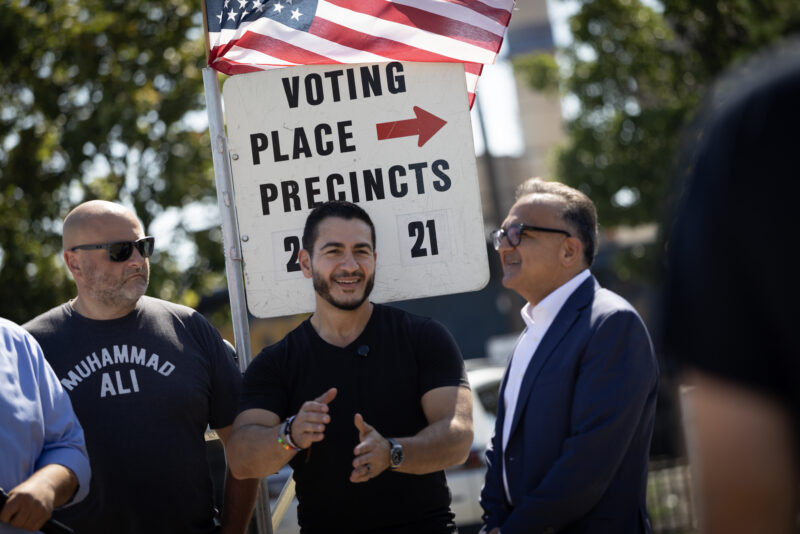
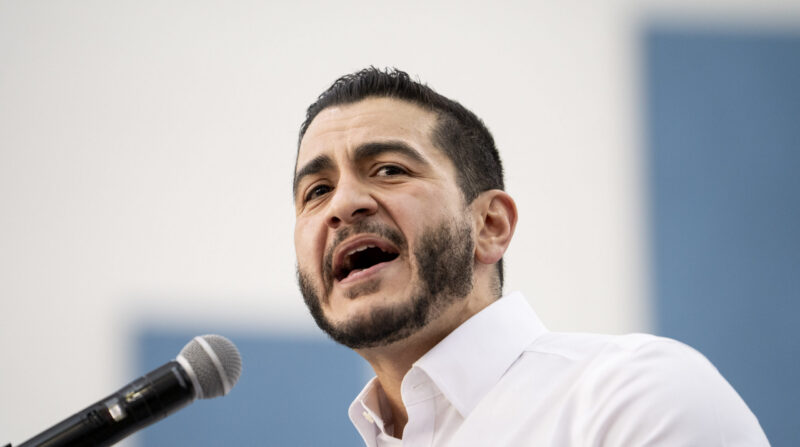
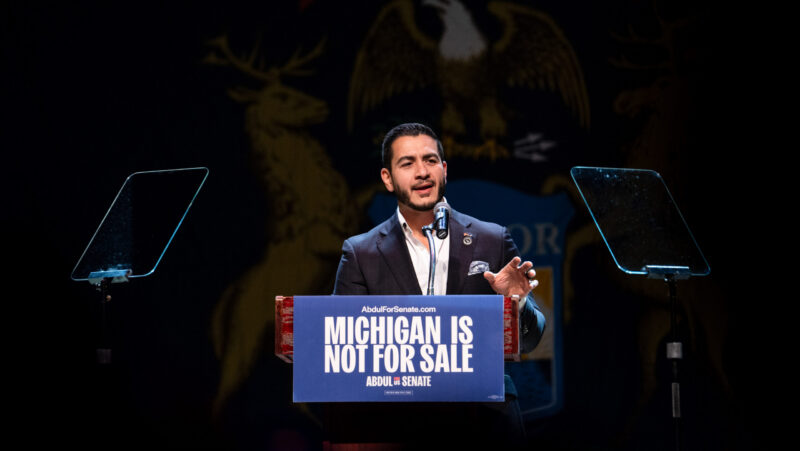
The optimist’s case? The Democratic establishment in Michigan still has some fight left in them, as demonstrated by Gov. Gretchen Whitmer’s late endorsement of Rep. Haley Stevens (D-MI) against the far-left Abdul El-Sayed in the state’s critical Senate primary that’s become a proxy battle between the party mainstream and the far left. If Stevens prevails, it would underscore party activists aren’t all that representative of party voters.
And, as one senior Democratic official told JI, any successful party candidate will have to confront the issue of antisemitism head on, regardless of whether Michigan plays a key nominating role. In this strategist’s view, having to deal with it early on in a Michigan contest could end up being beneficial in the long run, despite the obvious pitfalls.
Virginia and New Mexico are the two wild cards, with both being added to the early voting schedule. Both states tend to prefer moderates over progressives, but it remains to be seen how their higher-profile roles will shape the nominating process.
All told, there are reasons for centrists to be hopeful about the nominating schedule, especially with the presence of two moderate-minded Southern states in the top five. But the importance of Michigan in the primary calendar threatens to deepen rifts between Jewish voters and the Democratic Party — at the worst possible time.
More Stories

Daily Overtime
Strait of Hormuz — ‘worthless’ or worthwhile?
MUM'S THE WORD
Liberal leaders who protested Mahdawi’s deportation silent about his antisemitic, pro-terror posts
HIGH HOLY DAY HUDDLE
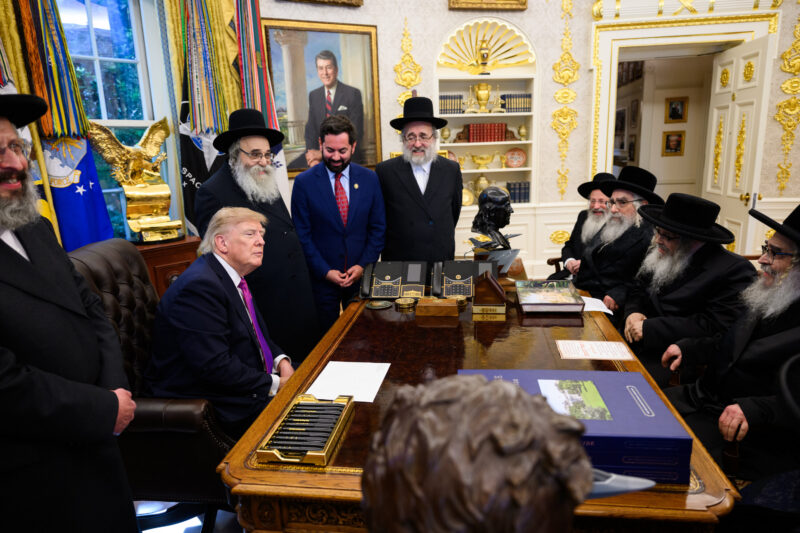
Trump and Hasidic rabbis discuss housing, prison reform and family tax credits at White House

CULTURE CLASH
Sister of Qatar’s emir promotes Venice exhibit depicting ‘bullets in children’ in Gaza

Daily Overtime
A sweet stop for Mamdani in Borough Park

TEHRAN TALK
As Trump renews attacks on Iran, debate over engagement hardens along party lines
Please log in if you already have a subscription, or subscribe to access the latest updates.
 Continue with Google
 Continue with Apple