





























Israel, AIPAC take center stage in final Michigan Senate primary debate
Haley Stevens touted her support for a two-state solution for Israel and the Palestinians, while Abdul El-Sayed lambasted U.S. aid to the Jewish state
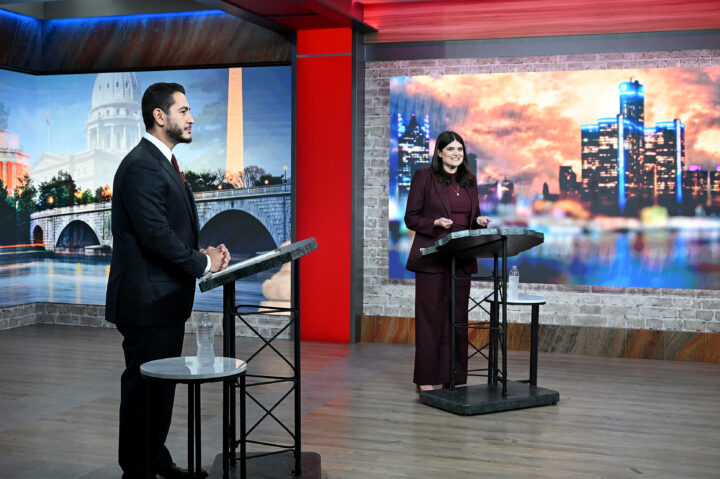
(Robin Buckson/Detroit News via AP, Pool)
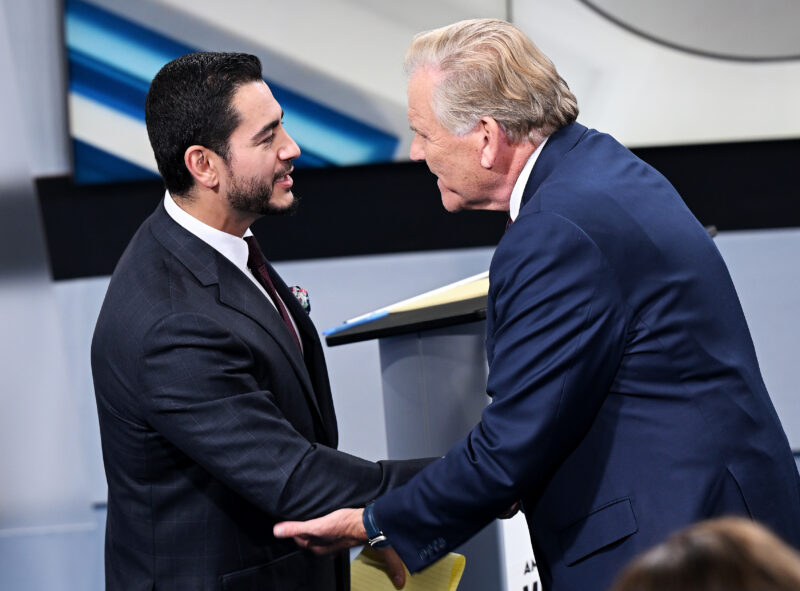
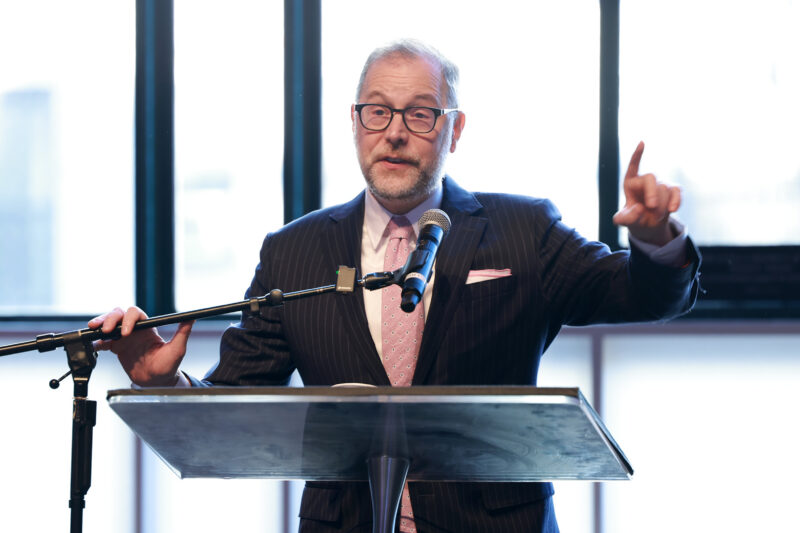
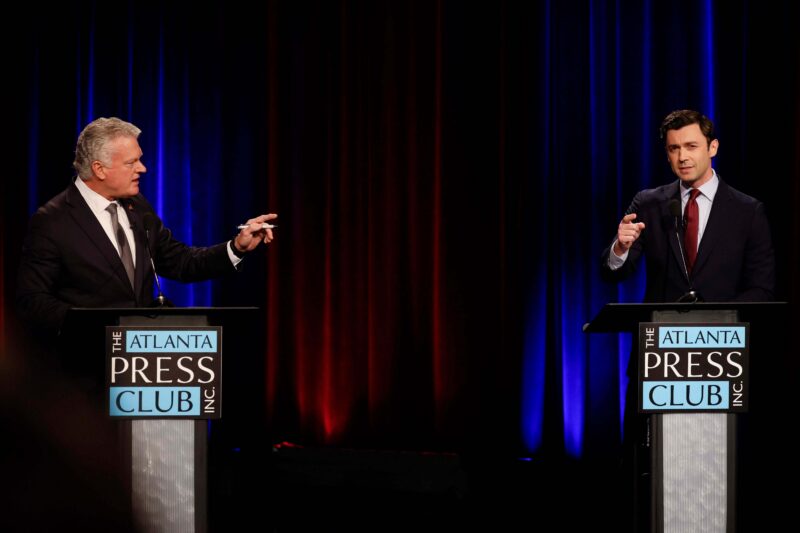
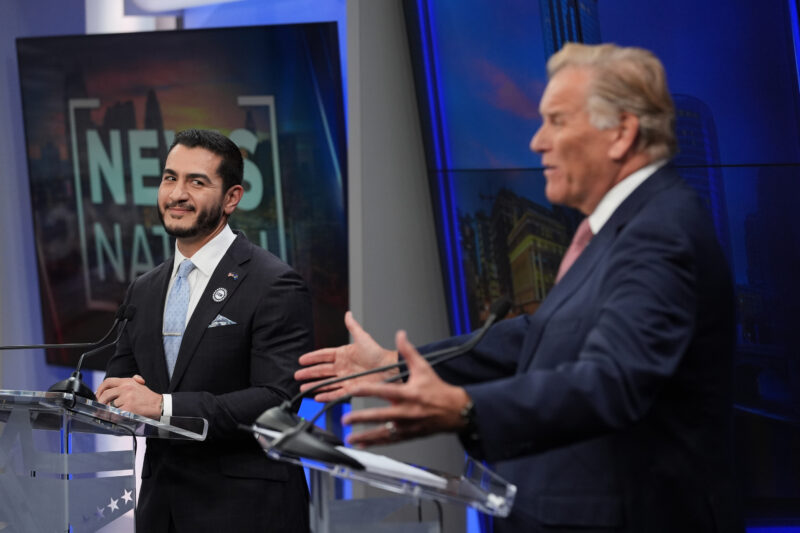
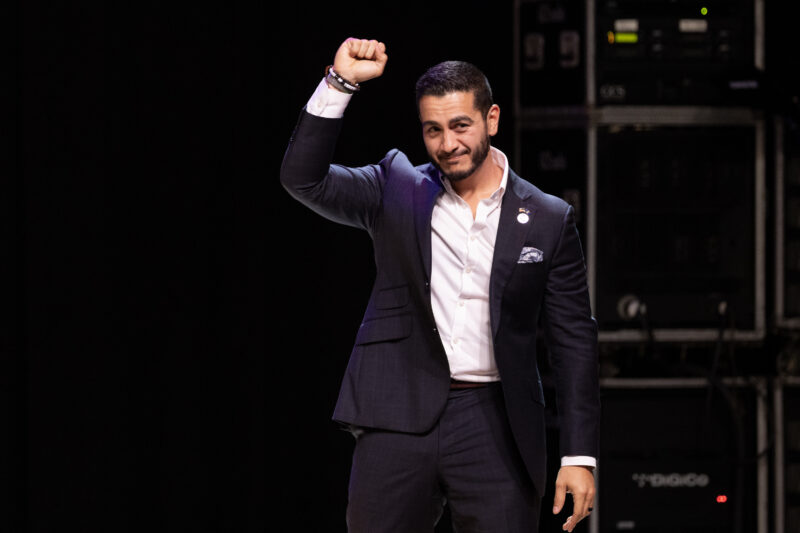
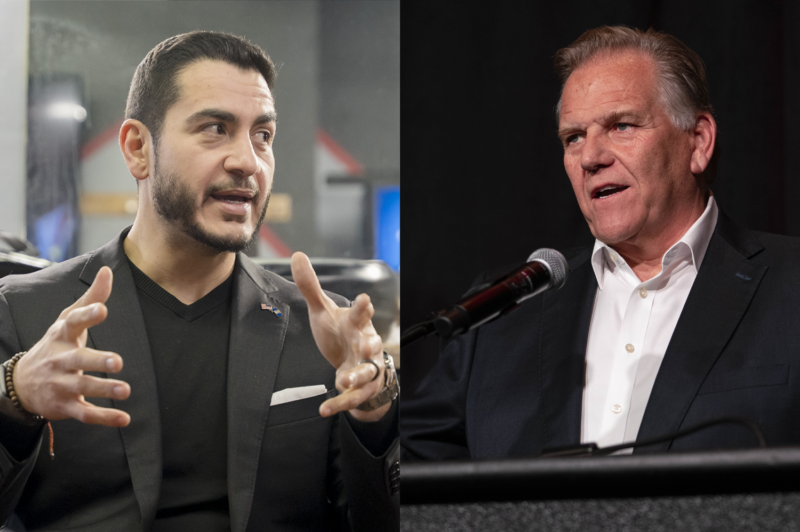
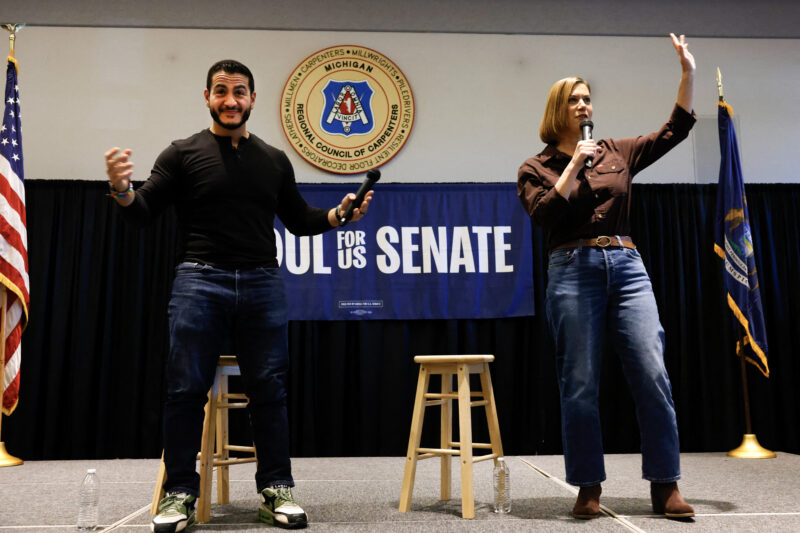
Senate candidates Abdul El-Sayed, left, and Rep. Haley Stevens participate in a televised debate moderated by Roop Raj, Monday, July 27, 2026, in Southfield, Mich.


 Add JewishInsider on Google
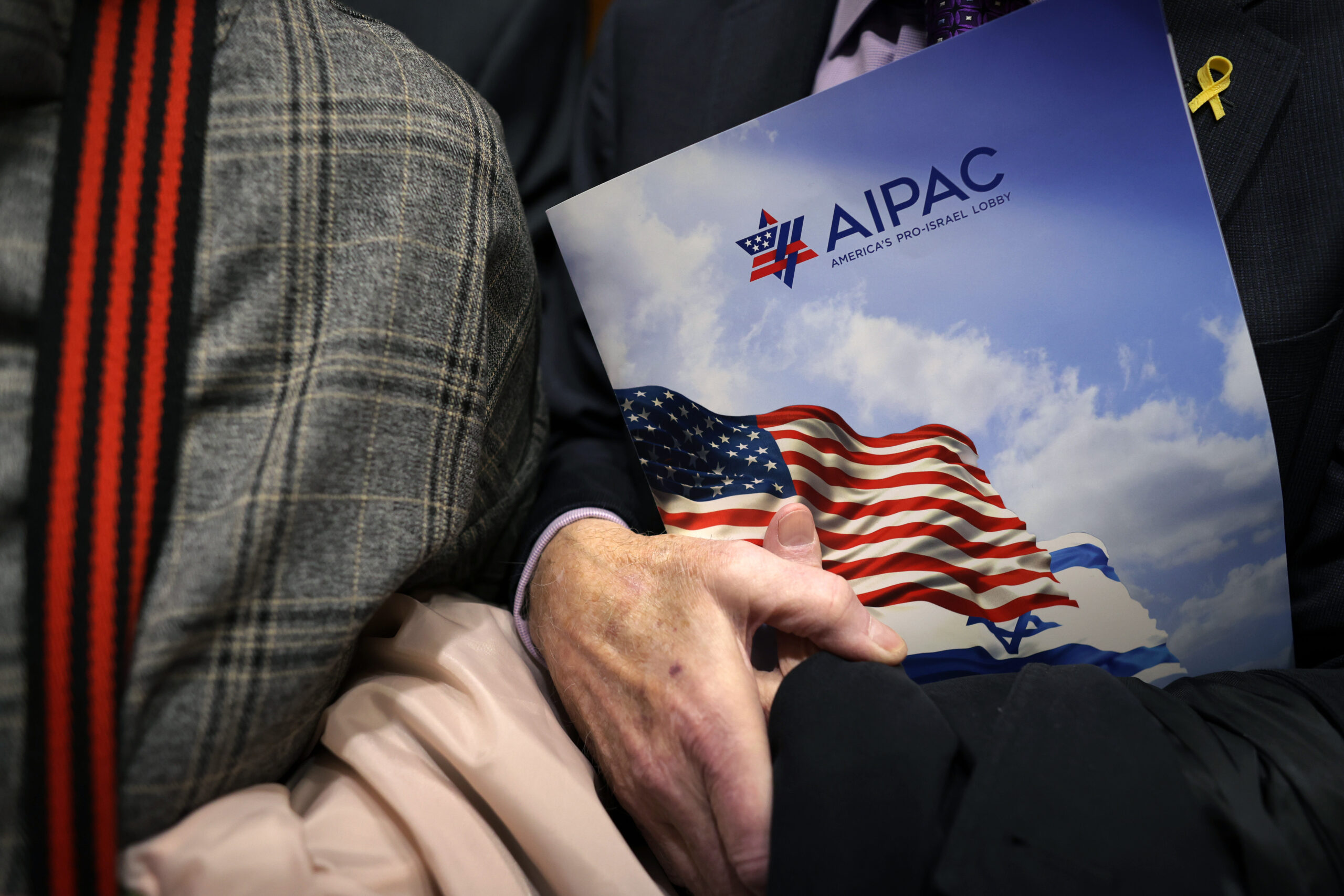
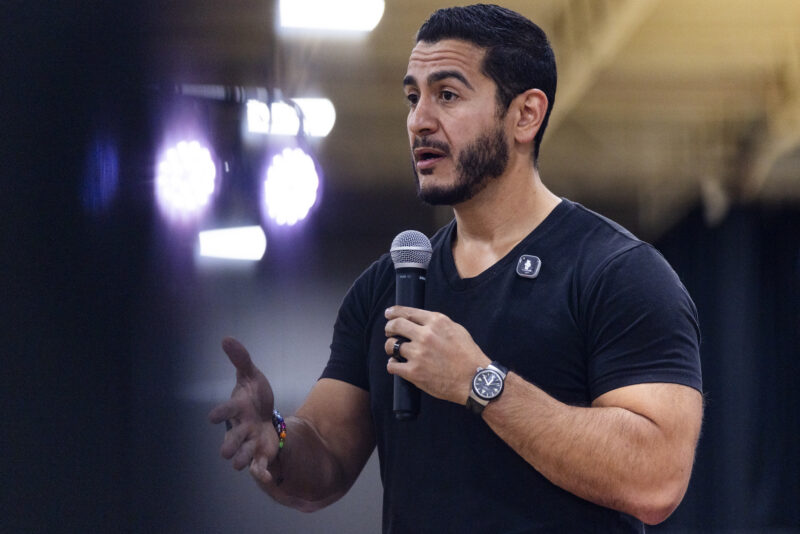
If Michigan’s Democratic Senate primary has become a test case for the saliency of AIPAC and Israel as a political issue for Democratic voters, then Monday night’s debate between Abdul El-Sayed, a far-left former public health official, and Rep. Haley Stevens (D-MI) served as the ultimate battlefield — and illustrated the gulf between the two candidates on the issue.
Over the course of an hourlong debate, El-Sayed made clear that he believes his opposition to AIPAC and to Israel will help him win next week’s election. Stevens, meanwhile, did not even utter the word “AIPAC.”
Stevens outlined her views on the Middle East, arguing that she and El-Sayed diverge because she supports a two-state solution to the Israeli-Palestinian conflict while he has not acknowledged Israel’s right to exist as a Jewish state. She touted her support for Michigan’s Jewish community and mentioned the work she did to advocate for the hostages after the Oct. 7, 2023, Hamas attacks on Israel.
Debate moderator Roop Raj, an anchor on FOX 2 News, prodded Stevens on her support from AIPAC, pushing her to discuss the group’s spending in the race, but she largely avoided doing so.
“Absolutely not,” Stevens said when asked by Raj whether voters should be concerned that she will do AIPAC’s “bidding” when she wins the seat.
Mostly, she turned the transparency questions on her opponent, attacking El-Sayed for not releasing all of his financial disclosure forms and for benefitting from a super PAC to which his father-in-law has contributed $200,000.
“I don’t think there’s much difference between super PACs going in for Abdul or super PACs going in for me,” Stevens said, when asked about AIPAC spending $46 million in the race. “We have a problem with campaign finance reform in this country.”
El-Sayed did the same, but in reverse: When she called out his lack of personal financial transparency, he went after her for benefiting from outside spending in the race.
The first question of the debate, to El-Sayed, was about how he would work to make Michigan more affordable. His answer: eschewing campaign donations “from the corporations who are jacking up your prices in the first place,” a category in which he placed AIPAC.
“Just last week, our friend here voted to send 3.3 billion of your tax dollars to a foreign government. That is the pro quo that comes with the quid of $30 million spent by AIPAC,” El-Sayed said. “It really comes down to how are you funded.”
Stevens, when asked about affordability, talked about regulating utilities in the state and promising to be a “proven fighter.”
When Stevens described being “robbed by Washington, D.C., and [President] Donald Trump,” and pledged to fight corruption in public office, El-Sayed said he agreed that Michiganders are being robbed — but by AIPAC, not Trump.
“The money that we should have to invest in our schools is being sent to foreign governments to destroy other people’s schools instead of investing in our own, and that is exactly what AIPAC wants you to do, and why they’re spending so much money to get the congresswoman elected,” El-Sayed said.
More Stories
RIPPLE EFFECT
New York’s suburban Dems face a Mamdani dilemma
Daily Overtime
Barrack says Iran-backed threats are ‘not America’s job’
Daily Overtime
Deadlocked dash to Israeli elections

SHOW OF SOLIDARITY
Jewish leaders offer support to Hindus amid rising threats to faith communities
POLL POSITION
U.S. experts split on Netanyahu’s prospects ahead of Israel’s election
SCOOP
Ro Khanna to urge negotiators to pull U.S.-Israel cooperation provisions from defense bill
Please log in if you already have a subscription, or subscribe to access the latest updates.
 Continue with Google
 Continue with Apple