



































































Maine, South Carolina to serve as the next tests for the futures of both parties
These two unexpected nomination fights are serving as a microcosm of both parties’ ideological directions

Joe Raedle/Getty Images
Democratic U.S. Senate candidate Graham Platner and Troy Jackson stand together during a “Fighting Oligarchy” tour stop at the Collins Center for the Arts on the University of Maine campus on May 24, 2026 in Orono, Maine.


 Add JewishInsider on Google
July was scheduled to offer a break from primary politics, but two seismic developments this month — the collapse of scandal-plagued Graham Platner’s campaign in Maine and the sudden death of Sen. Lindsey Graham (R-SC) — are forcing both parties to deal with messy internal conflicts as they choose replacements in these key races.
The outcome of the July 25 Maine Democratic convention choosing an alternative candidate to run against Sen. Susan Collins (R-ME) and the Aug. 11 special election primary to choose a GOP nominee for Graham’s seat are offering clarity on the ideological directions of the two parties as the November midterm elections approach.
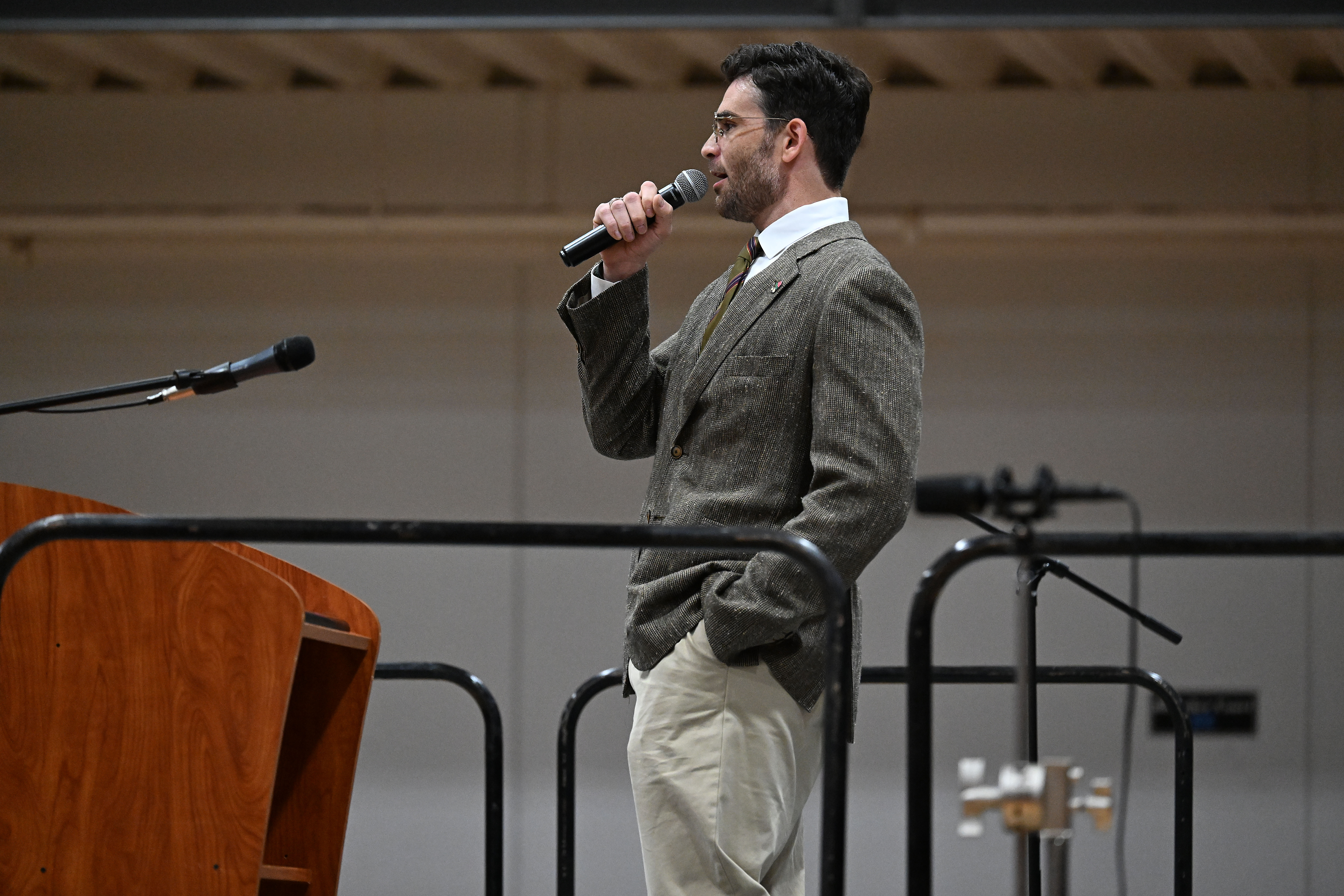
Already, we’re seeing that Democrats want to nominate a candidate as ideologically similar to Platner as possible, with most of the convention delegates chosen this weekend gravitating towards former state Senate President Troy Jackson, an anti-Israel progressive who unsuccessfully ran for governor this year as a champion of Sen. Bernie Sanders (I-VT).
As Maine counties completed the process of choosing delegates for the nominating convention, Jackson’s campaign expressed confidence that he rallied enough backers to secure a victory. Most of his leading rivals dropped out of the race on Sunday, indicating that the state party is clearly intent on pushing forward a candidate that shares Platner’s anti-establishment, left-wing worldview but without the personal baggage he brought to the table.
Jackson was the candidate whom Platner preferred to replace him on the general election ballot. Indeed, the Platner camp’s reported demands that the party choose someone who shares his values — even as his own campaign was sinking — caused such a backlash that the Maine Democratic Party’s executive director put out a video rebuking Platner for trying to influence the selection of his own successor.
If Jackson is the nominee, he’ll have to answer why he continued to support Platner even as the candidate’s other scandals piled up around him. Jackson finished in third place in June’s Democratic gubernatorial primary, only winning 21% of the vote in the five-candidate field.
In a sign of where the Democratic Party is headed, most of the leading candidates to challenge Collins sought to underscore their anti-Israel bona fides in the race, even the more-moderate Democrat Nirav Shah, who called Israel’s war against Hamas a “genocide” in a candidate questionnaire.
Meanwhile in South Carolina, there are growing indications that appointed Sen. Darline Graham (R-SC), who was tapped to fill the remainder of her late brother’s term, is seriously considering running for the seat herself, and has the president’s endorsement to do so.
That would greatly scramble the internal politics for next month’s primary, which was seen as a wide-open contest between several politically established South Carolina lawmakers. An endorsement of Graham from President Donald Trump would immediately make her the front-runner — given his near-perfect track record in congressional primary endorsements — even as she’d still likely face credible primary opposition.
It’s impossible to guarantee how Graham will end up voting in the Senate, but it’s safe to assume she’ll continue her brother’s hawkish record, maintaining strong support for Israel and Ukraine. Some of the other candidates for the seat — namely Reps. Nancy Mace (R-SC) and Ralph Norman (R-SC) — have been less enthusiastic supporters of military spending, and more reticent in aiding Ukraine in its war against Russian aggression.
These two unexpected nomination fights are serving as a microcosm of both parties’ ideological directions. Democrats are accommodating their populist left flank, even at the risk of damaging the party’s midterm prospects. Republicans, meanwhile, continue to march to the beat of Trump’s drum, and are fine maintaining the party’s conservative status quo even with rumblings from the isolationist right.
More Stories

UNSETTLED POLICY
Trump WH sends mixed signals over response to European sanctions against Israeli settlements
EXCLUSIVE
Lawmakers call for Congress to mandate creation of Pentagon hate symbols policy

NOT ON BOARD
Lansing Mayor Andy Schor, a Jewish Democrat, says he’s not supporting El-Sayed

CAMPAIGN BLITZ
AIPAC’s super PAC wades into Michigan Senate race

DOHA DEALINGS
Moskowitz challenger visited Qatar in 2024, photographed with Qatari official

PACKED PEWS
Scholten, Gottheimer and Bret Stephens join Dan Senor before packed Michigan crowd
Please log in if you already have a subscription, or subscribe to access the latest updates.
 Continue with Google
 Continue with Apple