



































Small dollars, big wins: the new money behind the Democrats’ anti-Israel wing
In our decentralized political environment, it’s easier than ever for a critical mass of ideologically committed small-dollar donors to power insurgent, ideologically driven campaigns

GETTY IMAGES
Large amount of US dollar cash


 Add JewishInsider on Google
The second-quarter congressional fundraising reports, which were posted on Wednesday, paint a picture of far-left, anti-Israel candidates drawing financial fuel from a growing small-dollar donor network of like-minded individuals.
Nearly all of the Democratic Socialists of America-aligned or virulently anti-Israel candidates were among the Democrats’ leading fundraisers, including lawmakers (like Reps. Rashida Tlaib [D-MI] and Ilhan Omar [D-MN]) who are not facing particularly competitive races.
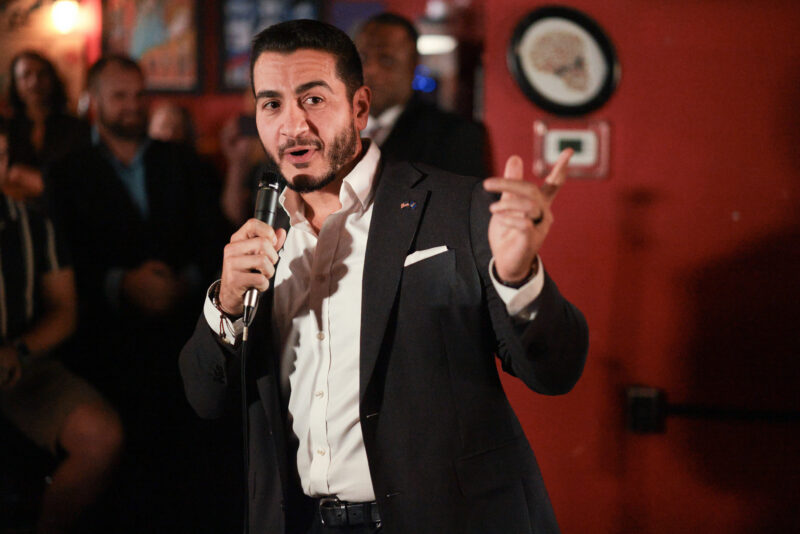
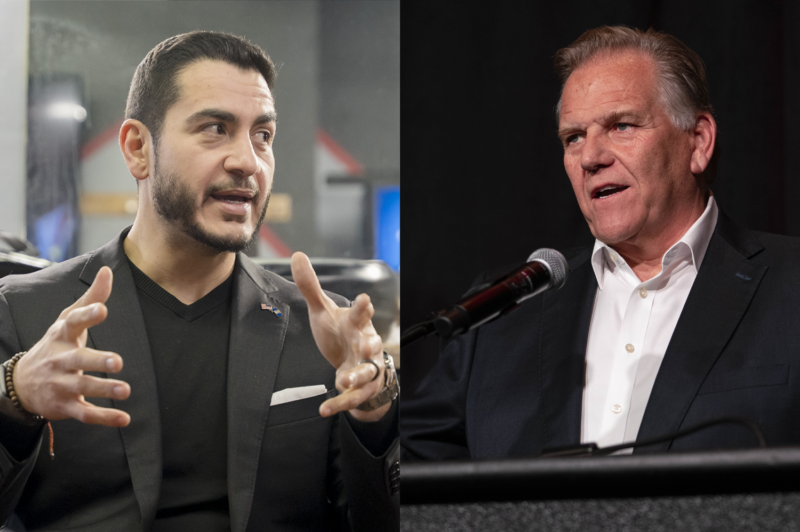
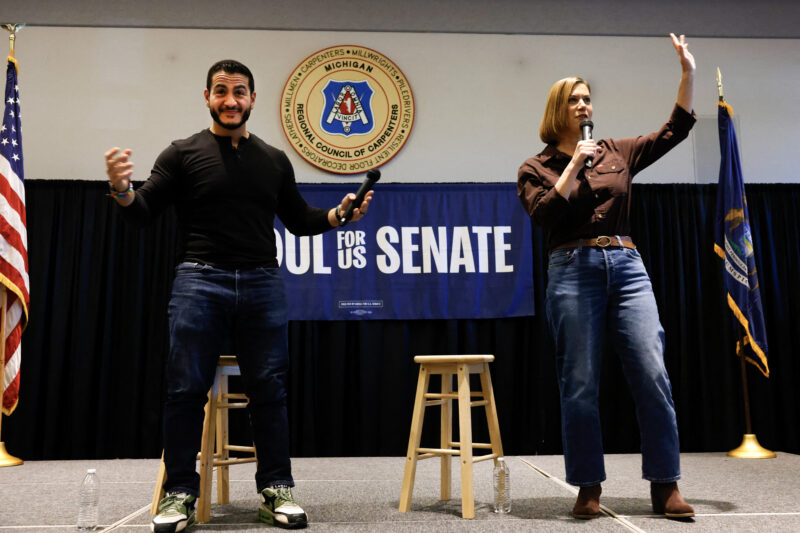
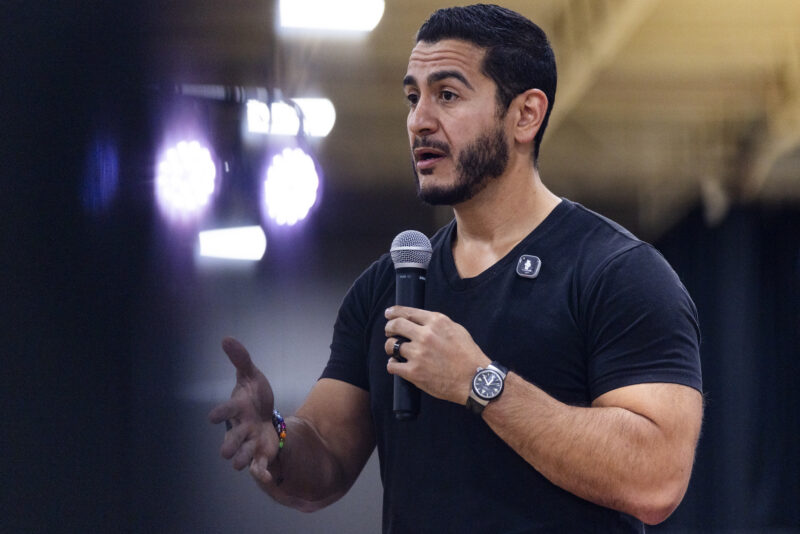
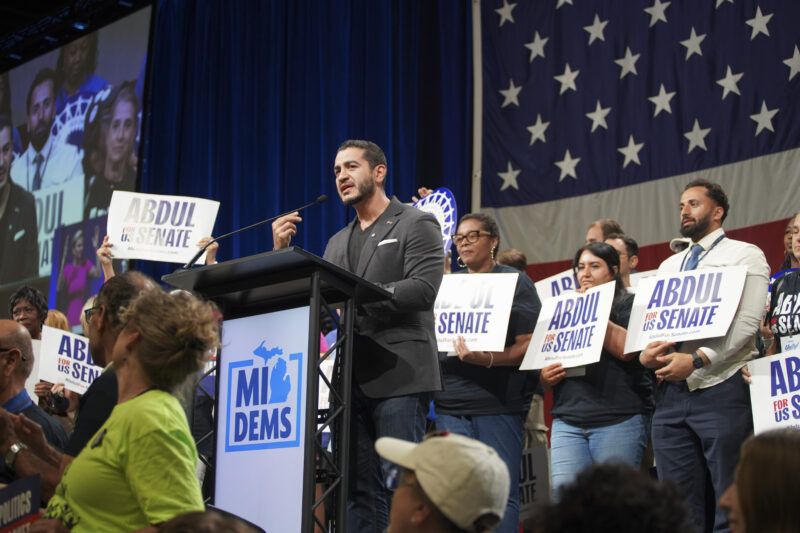
The highlights: Abdul El-Sayed raised $4.6 million between April and June in the Michigan Senate primary, more than double the $2.1 million that Rep. Haley Stevens (D-MI) brought in. Disgraced former Maine Senate candidate Graham Platner took in a whopping $9.1 million before dropping out amid allegations of rape, outpacing Sen. Susan Collins’ (R-ME) $5.7 million haul.
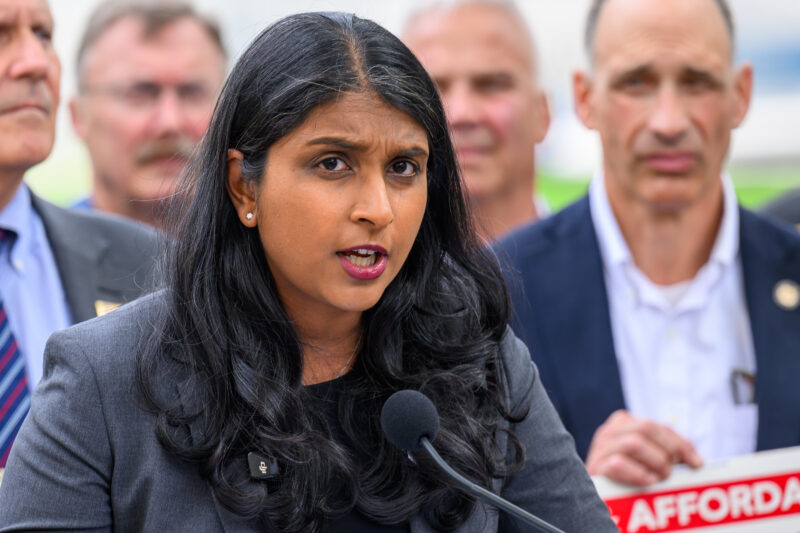
On the House side, the DSA duo who won New York City congressional nominations last month — doctoral student Darializa Avila Chevalier and state Assemblywoman Claire Valdez — nearly hit the million-dollar mark in fundraising.
Avila Chevalier raised $952,000 in the run-up to her primary against Rep. Adriano Espaillat (D-NY), coming close to matching the Congressional Hispanic Caucus chairman’s fundraising. Meanwhile, Valdez brought in $942,000 for the quarter, significantly more than the party-backed progressive favorite Antonio Reynoso, the Brooklyn borough president.
The list goes on: Adam Hamawy’s past ties to Islamist radicals didn’t prevent him from winning the nomination in New Jersey’s 12th District, and certainly didn’t stunt his fundraising. Hamawy raised $987,000 in the second quarter, a staggering sum for a low-profile open-seat race. That’s well more than double the total of his nearest fundraising rival.
Melat Kiros, the 29-year-old DSA-backed insurgent who ousted Rep. Diana DeGette (D-CO), also outraised the longtime lawmaker in the homestretch of the campaign. Kiros brought in $712,000 between April and June, while DeGette only raised $694,000.
What does this say about the state of our politics?
In the recent past, radical candidates faced significant hurdles, not just because their message generally turned off moderate-minded voters but because they lacked institutional support, which limited their ability to raise money and be financially viable.
It was once common for party leaders and other aligned outside groups to flood favored candidates with donations and leverage their financial advantage to create institutional guardrails.
But in our decentralized political environment, it’s easier than ever for a critical mass of ideologically committed small-dollar donors to power insurgent, ideologically driven campaigns. And with party-aligned organizations (like labor unions and EMILY’s List) atrophied and the impact of pro-Israel money diminished in Democratic primaries as the party turns against the Jewish state in the wake of the war in Gaza, the establishment has lost a lot of its juice.
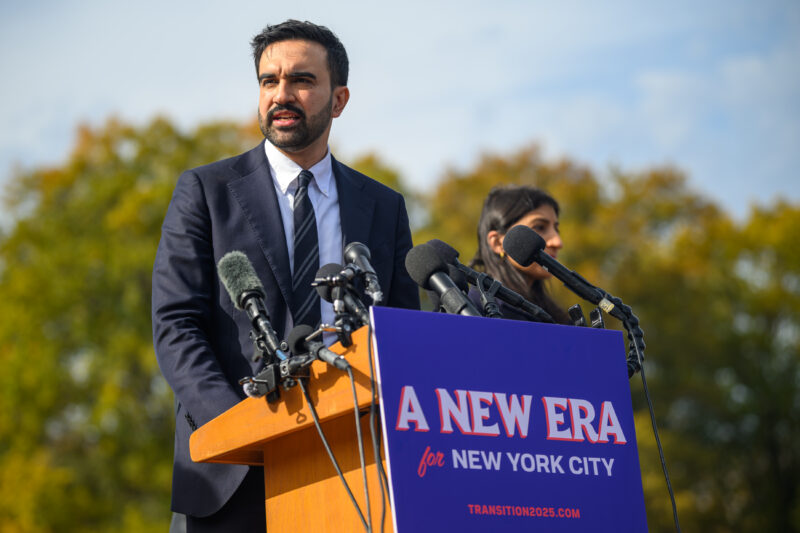
As important, the victory of Mayor Zohran Mamdani in New York City opened up the pocketbooks of a growing roster of Muslim and Arab donors whose top political issues include their deep antipathy towards Israel.
The notion of a socialist, anti-Israel candidate winning in New York City sounded fanciful before the rise of Mamdani. His victory proved that if like-minded individuals mobilize behind favored candidates, they can have an outsized impact in the political process — especially given the Democratic public’s declining support for the Jewish state.
The rise of an anti-Israel super PAC like American Priorities to compete against AIPAC in Democratic primaries wouldn’t have been possible without Mamdani’s victory. The time when pro-Israel groups could rely on their financial firepower — without facing a countering force in competitive primaries — is now over.
It’s a reminder that money alone can only go so far in politics, and that strategy, tactics and message are just as important in determining electoral success. If the far-left forces face their comeuppance, it’s going to be because their message is unappealing to average Americans, not because they’re going to be outspent by the establishment.
More Stories
CONFERENCE QUOTABLES
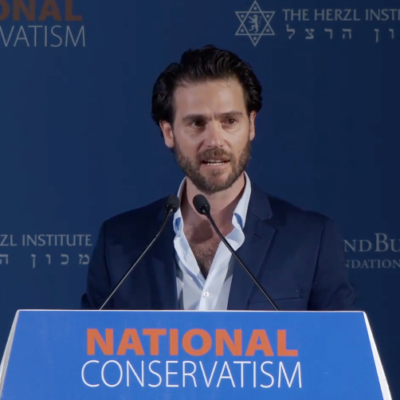
NatCon speakers mark Oct. 7 by telling the Jews to stop complaining about antisemitism
ON THE HILL
Republicans squabble over pro-Israel provision in NDAA

Arrivederci, Reggio
Jewish preschool educators forced to condemn Israel to attend Reggio Emilia conference

speaking out
In open letter, dozens of retired U.S. military leaders reject genocide allegations against Israel
EXCLUSIVE
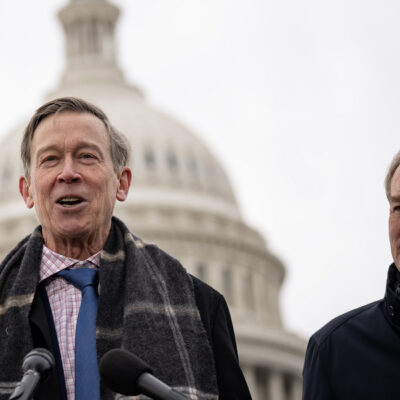
Colorado senators introduce bill to expand federal security grant program
NEW YORK STATE OF MIND
Hochul will opt New York into education tax credit that will help fund Jewish education
Please log in if you already have a subscription, or subscribe to access the latest updates.
 Continue with Google
 Continue with Apple