


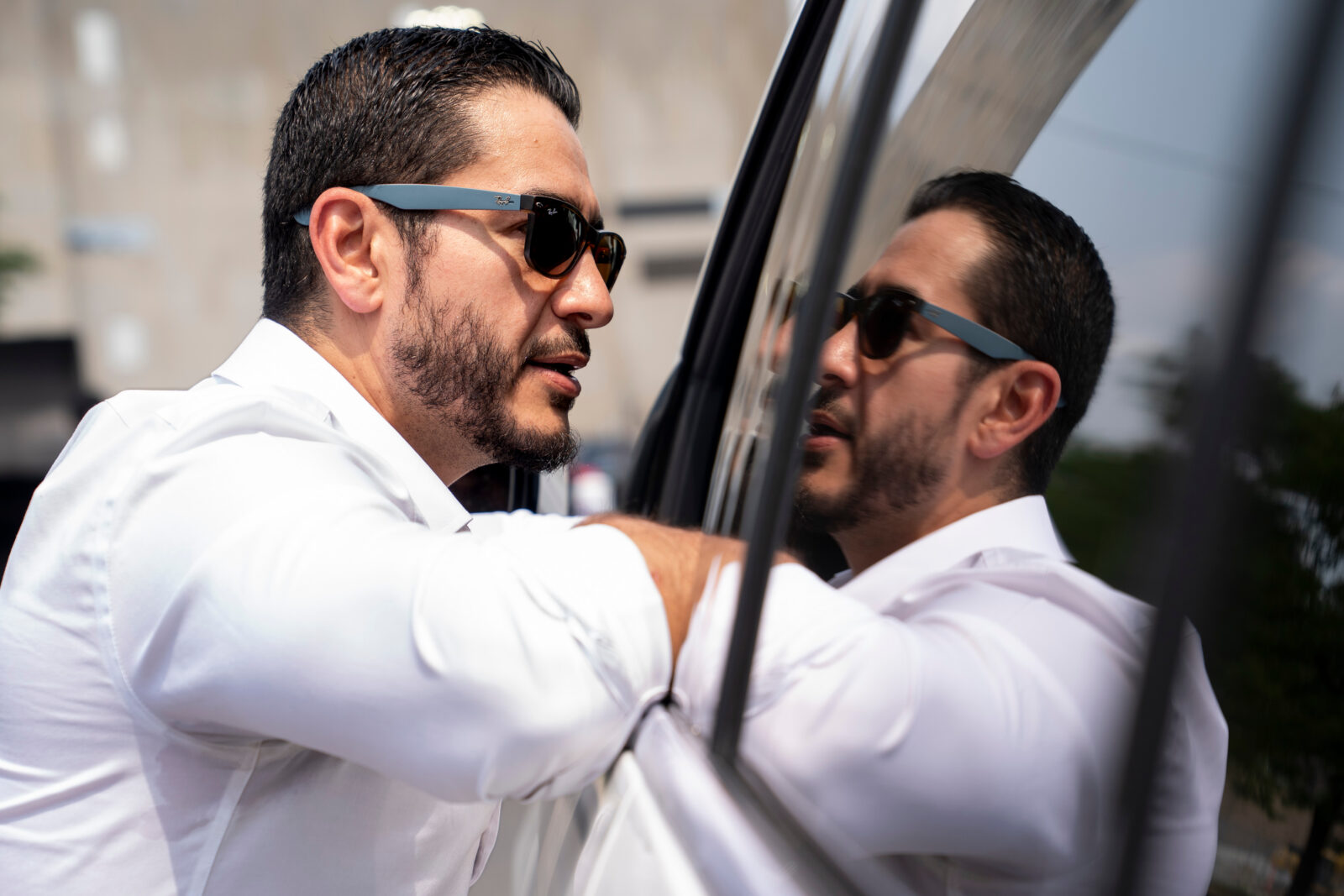
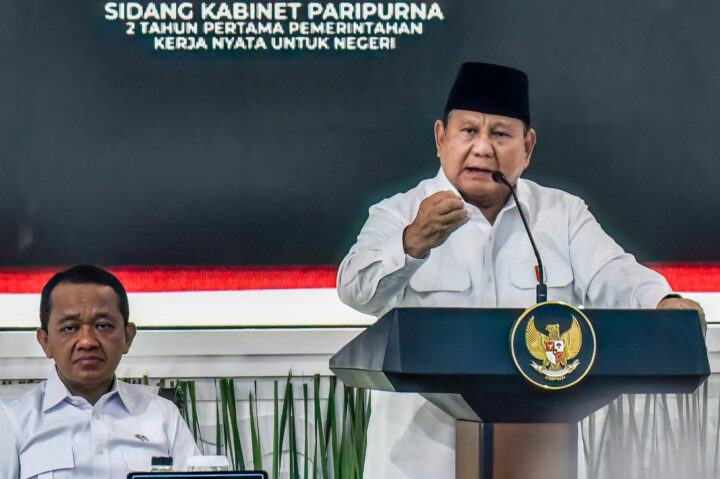
(FATIH MUBAROK/AFP via Getty Images)


 Add JewishInsider on Google
Indonesia’s recent expressions of support for Iran and the Palestinian cause have raised about questions whether Jakarta is once again becoming more hostile towards Israel and engaging in closer ties with Tehran, or continuing its diplomatic balancing act.
Indonesia, the world’s largest Muslim-majority country, has never had formal diplomatic relations with Israel, though previous Indonesian administrations pursued informal ties with the Jewish state while maintaining support for Palestinian independence. Israel and Indonesia had reportedly planned to announce the normalization of relations shortly before the Oct. 7, 2023, Hamas terror attacks, but following the attacks, former Indonesian President Joko Widodo — known as Jokowi — became one of the leading critics of the Jewish state and its war in Gaza.
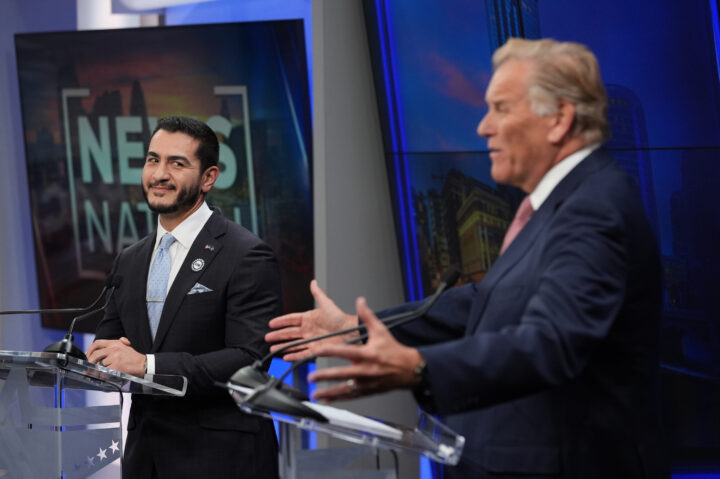
Paul Sancya, Pool/AP
David Kramer, a prominent Michigan Democratic fundraiser who served as the chair of Rep. Haley Stevens’s (D-MI) Senate campaign, told Jewish Insider on Monday in an interview and written statement that, despite reservations, he plans to support Republican former Rep. Mike Rogers in next week’s Michigan Senate election.
Kramer, who also previously served as finance chair of Sen. Elissa Slotkin’s (D-MI) Senate campaign, said he had been wrestling with whether to vote for Rogers or leave the Senate race on his ballot blank, but that Democratic nominee Abdul El-Sayed’s recent rhetoric provided a final push.
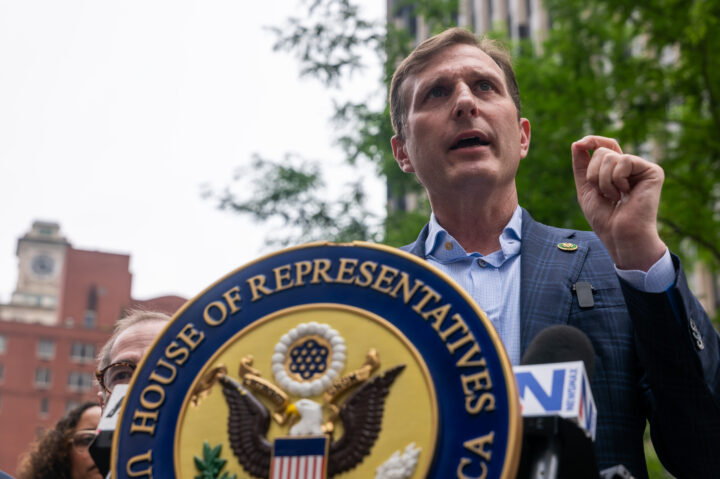
Spencer Platt/Getty Images
Rep. Dan Goldman (D-NY), who co-chairs the House antisemitism task force, said Monday afternoon that Michigan Democratic Senate nominee Abdul El-Sayed needs to more forcefully condemn an antisemitic ad being run by an outside group promoting his campaign or “he’s full of s***.”
The exchange relates to an ad shared last week by far-left commentator Cenk Uygur that blames Israel for grocery prices in the United States and promotes El-Sayed’s campaign, which has been roundly condemned as antisemitic. The ad was produced by a super PAC run by Uygur, not by El-Sayed’s campaign.

(Andrew Lichtenstein/Corbis via Getty Images)
The bond between American and Israeli Jews has strengthened significantly over the past five years, with a growing number of Americans now viewing Israelis as an extension of their own family, according to a recently commissioned survey by the Jewish Federations of North America.
The survey, conducted alongside a parallel poll of Israeli Jews, found that 62% of American Jews now view Israeli Jews as extended family or part of their community, up from 46% in an American Jewish Committee survey in 2021. Among Israeli Jews, 53% now view American Jews as extended family or part of their community, up from 45% in 2021.
Monica Morgan/Getty Images
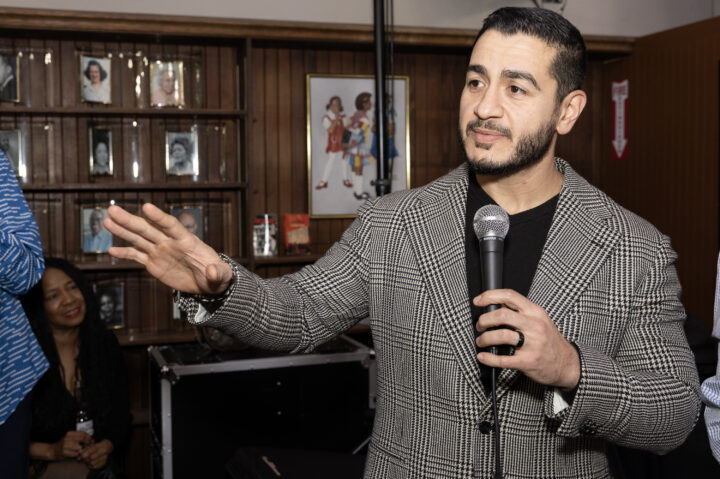
Democratic Michigan Senate nominee Abdul El-Sayed’s campaign disavowed an ad circulated by anti-Israel commentator Cenk Uygur and an affiliated PAC supporting El-Sayed, as the ad faced widespread condemnation over what critics said was a blatantly antisemitic message.
The ad was posted by Uygur on X on Friday, describing it as a “new [Rebellion PAC] ad dropping in Michigan,” adding, “We have to suffer here at home, so Israel can get all its wars. That’s why they buy politicians like [El-Sayed opponent] Mike Rogers.”
David Berding/NHLI via Getty Images
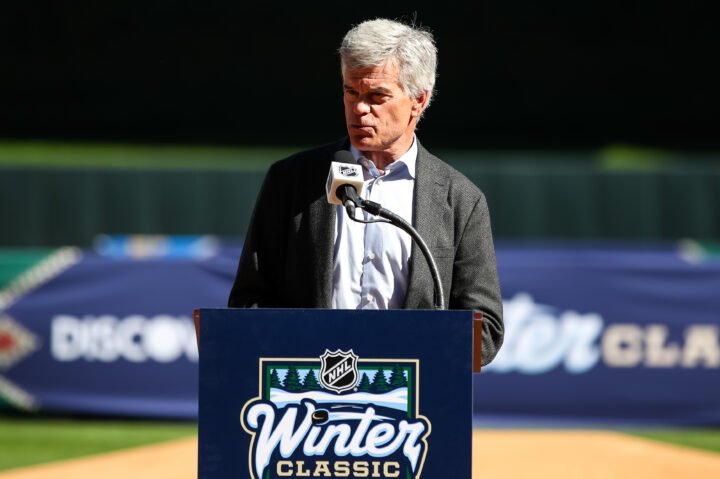
Tom Stillman, the St. Louis Blues chairman, issued a statement on Monday condemning an antisemitic protest that occurred during the NHL team’s home game last week.
“The St. Louis Blues organization — and I personally — condemn antisemitic rhetoric in all forms,” Stillman said in the statement. “The vile messages of hate briefly displayed at our game last Thursday were unfortunate and unforgivable, and not remotely representative of our fans or our hometown.”
Justin Sullivan/Getty Images
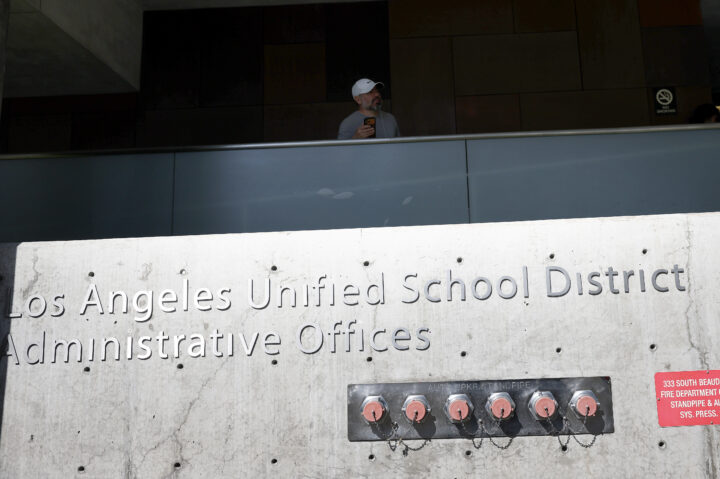
An investigation by the Los Angeles Unified School District revealed that teachers at one of its high schools violated federal civil rights law and California education standards, prompting the district to mandate corrective action following a complaint from a Jewish advocacy group, Jewish Insider has learned.
According to the district, the teachers promoted one-sided political views about Israel and Gaza through required classroom lessons, including one about “martyrs of Gaza,” and recruited for Students for Justice in Palestine.

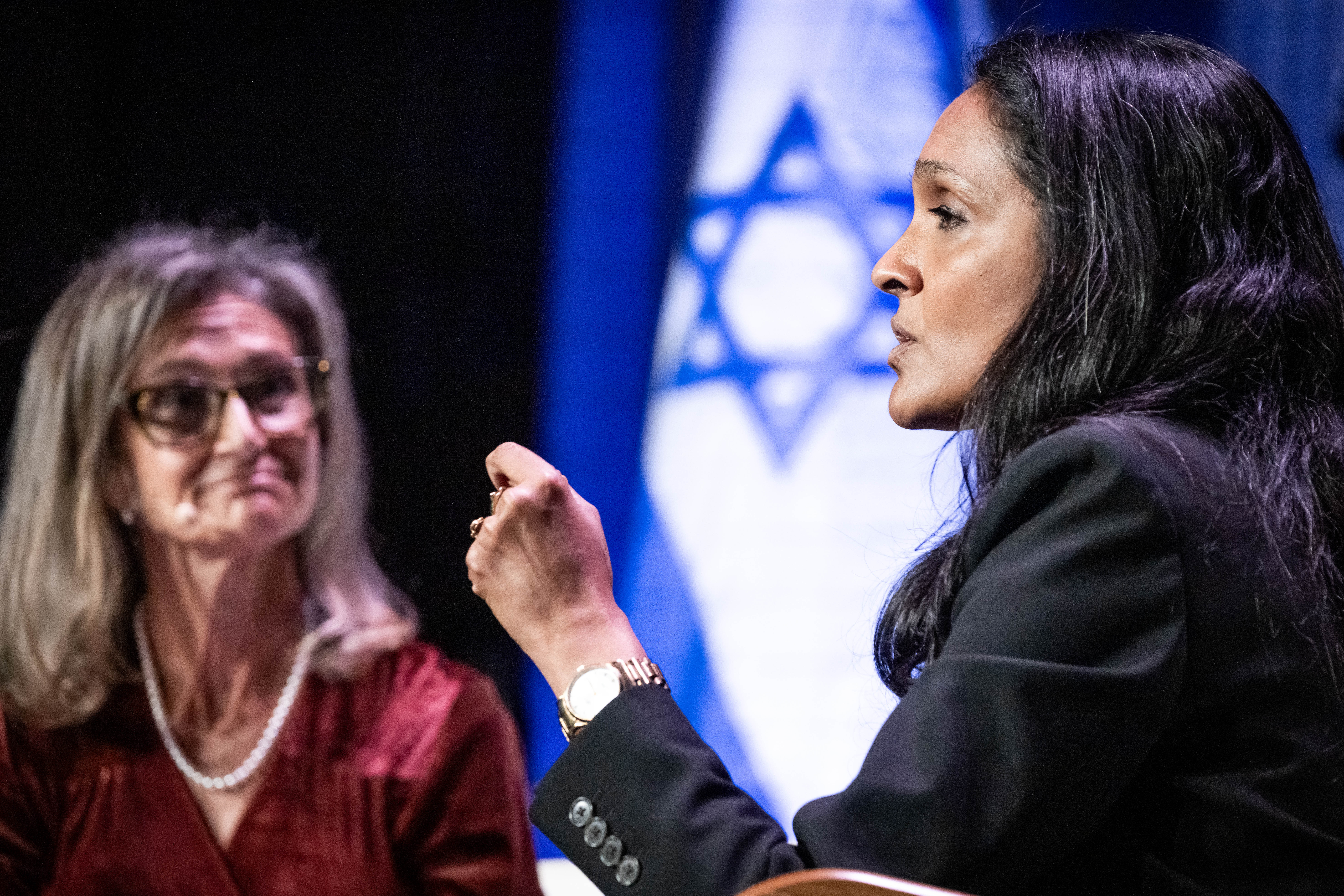
Shelley Greenspan, who served as White House liaison to the Jewish community under President Joe Biden, has joined the Trump administration’s Board of Peace, where she will oversee the U.S.-led body’s external affairs, including outreach to Congress and think tanks.
A source familiar with the matter confirmed to Jewish Insider that Greenspan started in her new role on Monday. As chief of external affairs, Greenspan will be in charge of the board’s engagement with Capitol Hill, Washington think tanks and other organizations focused on Middle East affairs. Axios first reported on Greenspan’s hiring.
Sarah Reingewirtz/MediaNews Group/Los Angeles Daily News via Getty Images
ARCHIPELAGO ANGLE
Indonesia turns to Iran as relations with Israel regress
SCOOP
Former Haley Stevens campaign chair and prominent Democratic fundraiser says he plans to vote for Rogers
CALLED OUT
Dan Goldman: El-Sayed needs to demand antisemitic ad be taken down, or he’s ‘full of s***’
TIES THAT BIND
Jewish Federations survey finds deepening ties between U.S., Israeli Jewish communities
ROGUE ALLIES
El-Sayed campaign distances himself from antisemitic ad promoting his campaign
UNSPORTSMANLIKE CONDUCT
St. Louis Blues condemn antisemitic banners at home game
CLASSROOM CORRECTIONS
L.A. teachers violated civil rights law with anti-Israel advocacy in the classroom, district finds
BIPARTISAN BOOST
Trump administration’s Board of Peace taps Biden’s Jewish liaison to leadership role
REPORTED RIFT
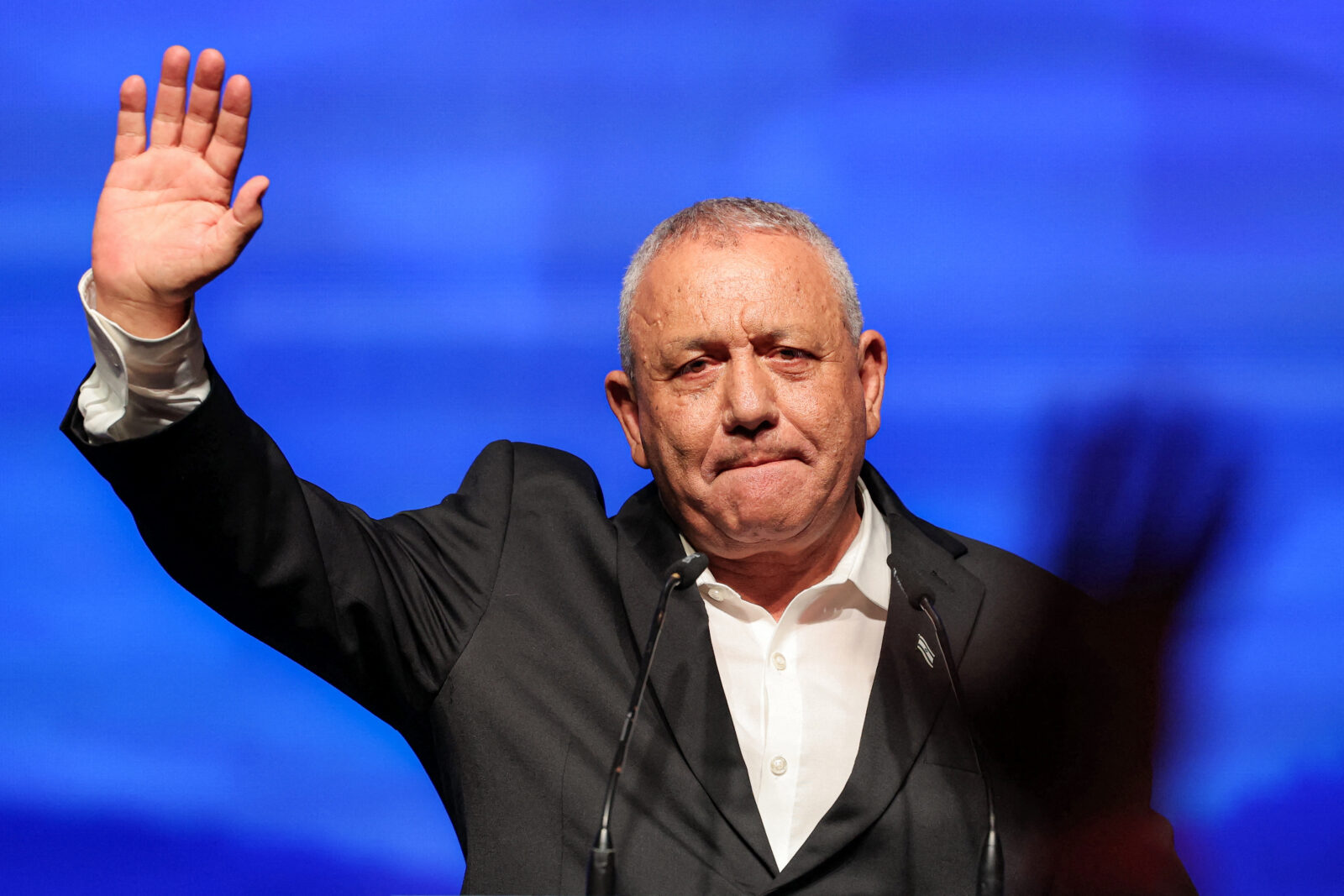
‘Israel had no plan to attack Iran before election,’ defense minister says
MED MISSION
Rick Scott says Israel, Greece, Cyprus trip ‘reinforced’ his critical approach to Erdoğan
Daily Kickoff
Bibi or no Bibi, Israel’s critics vow not to budge
SOCAL SHOWDOWN
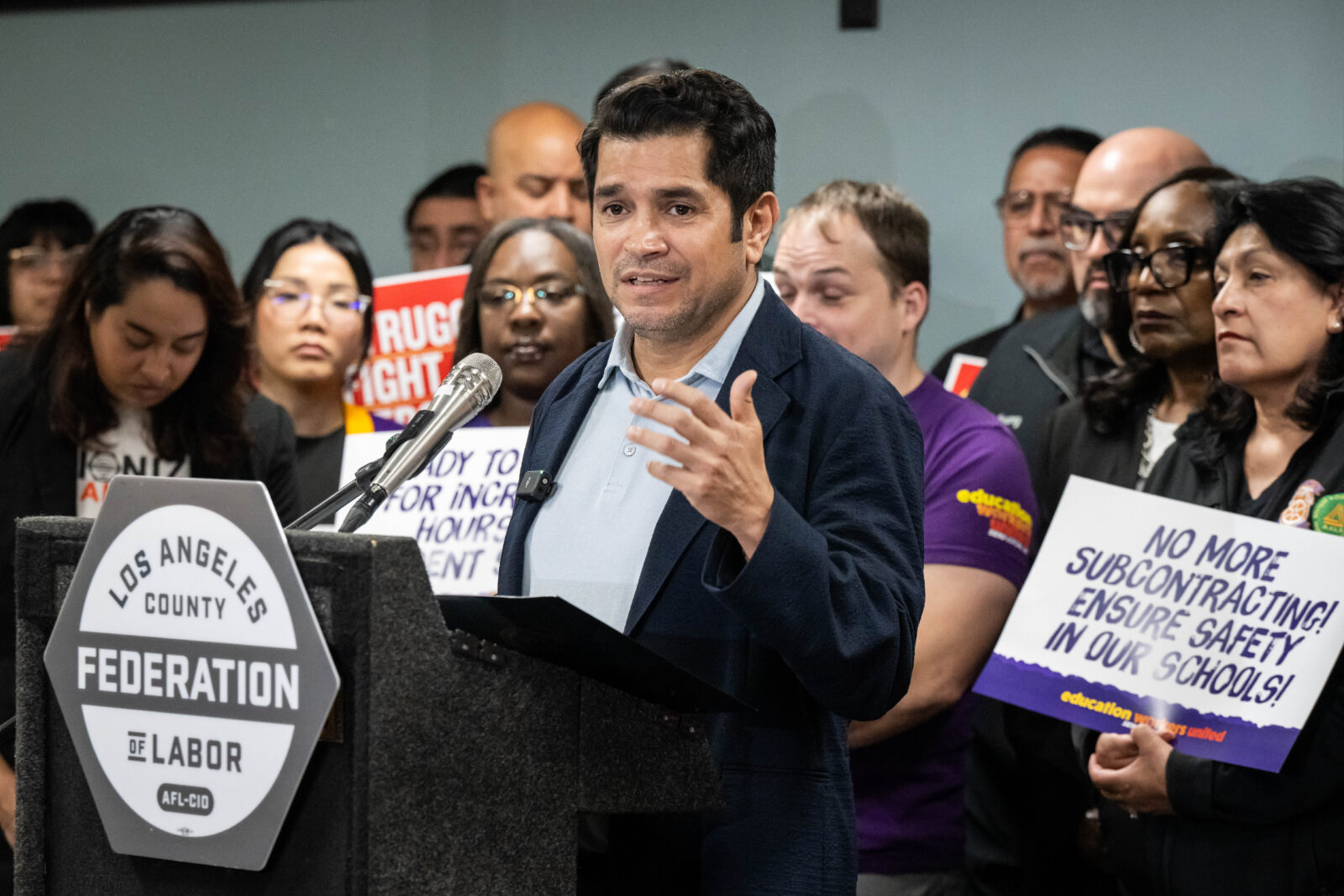
Anti-Israel encampment member emerges as far-left threat to Rep. Jimmy Gomez
NO RESET
Israel’s U.S. critics prepare to keep the pressure on, regardless of election outcome
CHAIN REACTION
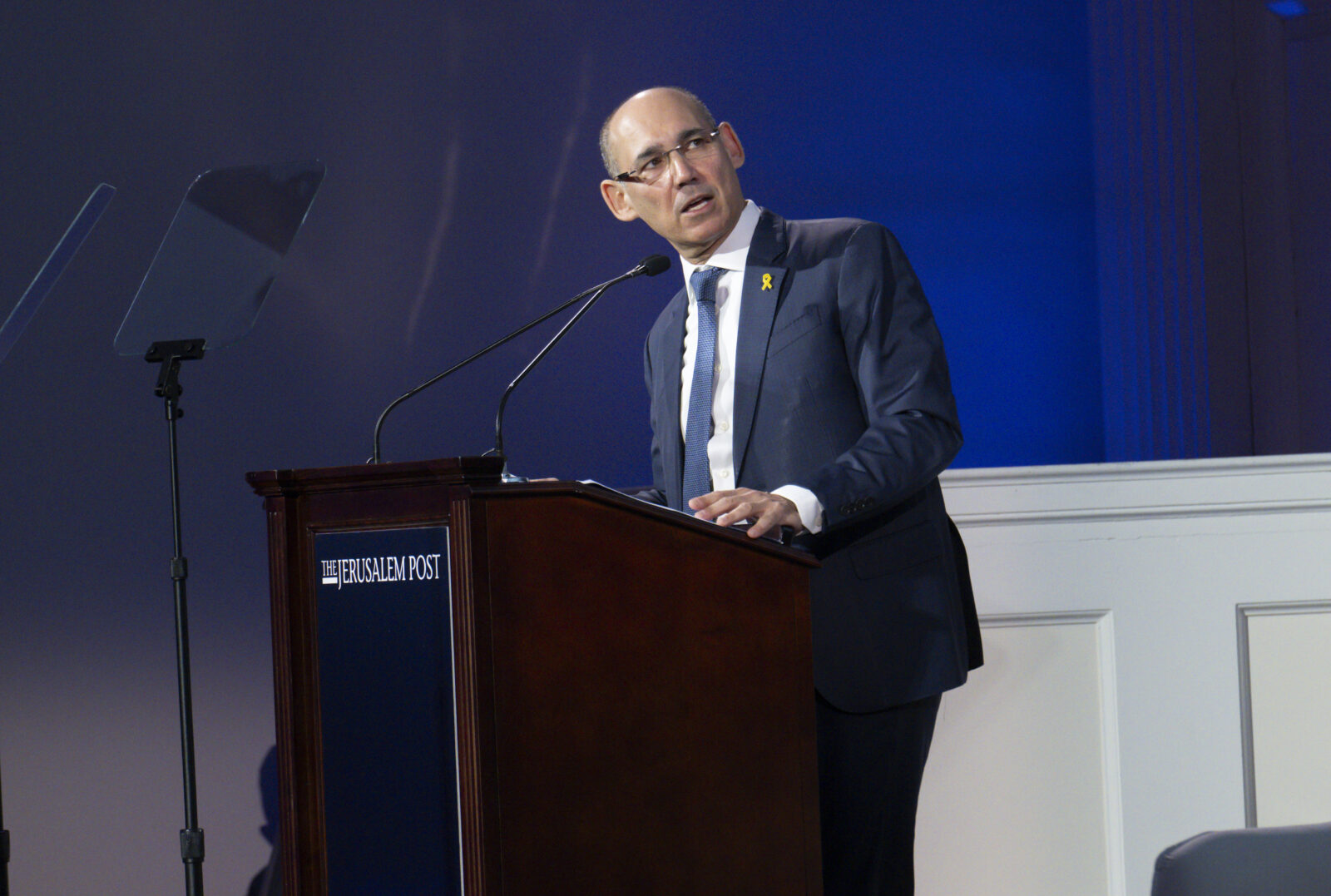
Bank of Israel rejects Netanyahu’s suggestion to circumvent sanctions with cryptocurrency
UNHOLY ALLIANCE
New El-Sayed ad features Tucker Carlson, far-right podcaster’s attack on Mike Rogers
Subscribe now to
the Daily Kickoff
The politics and business news you need to stay up to date, delivered each morning in a must-read newsletter.
I’ve been finding the morning blast from JI very useful for all my Jewish news needs.

Jeffrey Goldberg
Editor in Chief of The Atlantic
Most Read Stories
SCOOP
AIPAC to end candidate endorsements, PAC contributions to allies
UNKNOWN HORIZON
Final Israeli polls point to stalemate ahead of Tuesday’s election
Super Ball
Robert Kraft’s Blue Square gala pulls in $32 million as NYC’s Waldorf glows blue
ROGUE ALLIES
El-Sayed campaign distances himself from antisemitic ad promoting his campaign
NEW CHAPTER
High Line Publishing launches with fanfare to counter barriers for Jewish authors

Please log in if you already have a subscription, or subscribe to access the latest updates.
 Continue with Google
 Continue with Apple