


































AIPAC reminds voters of far-left candidates’ hostility to Kamala Harris, Joe Biden
The messaging theme has been an effective attack against anti-Israel candidates in the past, and has been especially resonant with Black voters

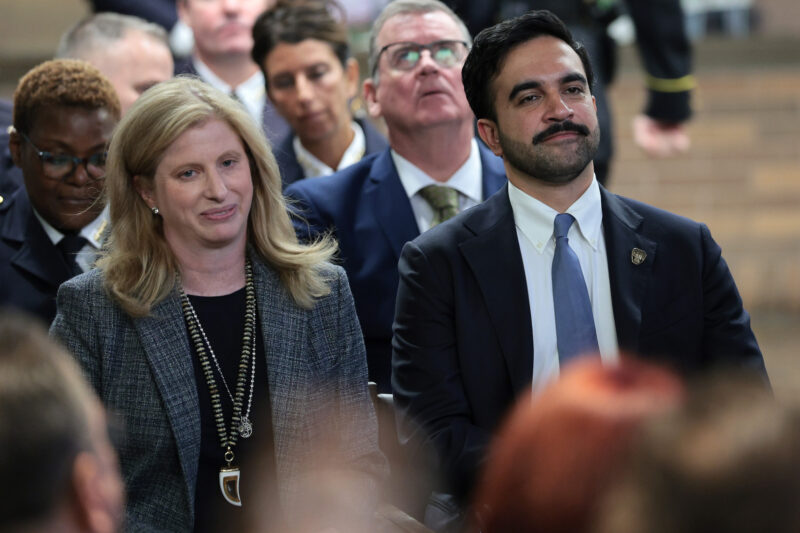
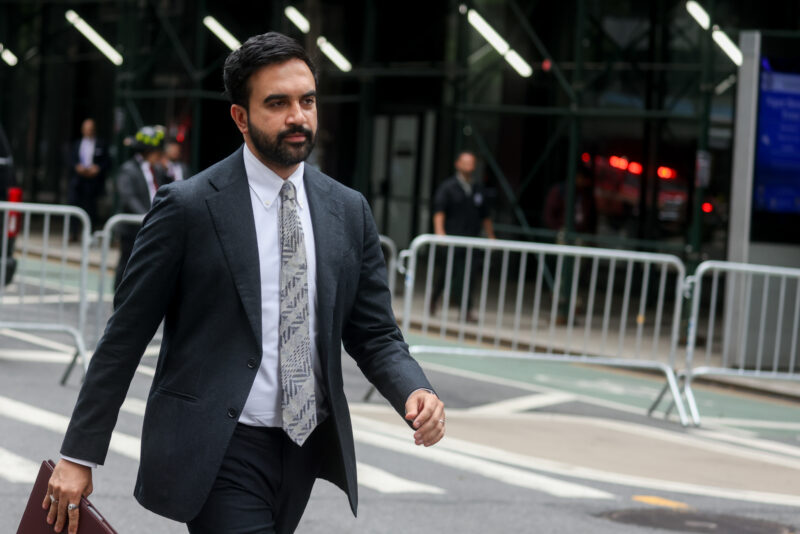
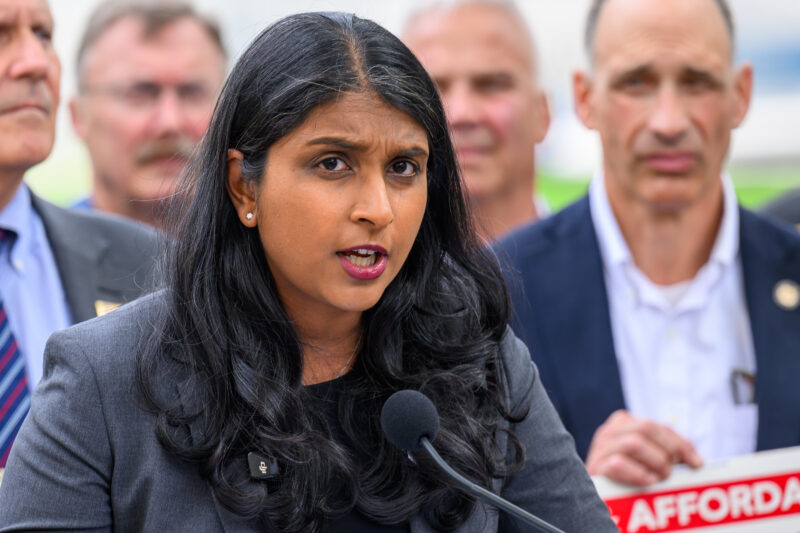
Then-Rep. Cori Bush (D-MO) speaks at the "Just Majority" Supreme Court press conference on June 22, 2023 in Washington, DC. / Then-Louis County Prosecutor, Wesley Bell gives remarks at the Urban League Empowerment Center on June 17, 2020.


 Add JewishInsider on Google
In the concluding weeks of the primary season, AIPAC is drawing in part on a messaging strategy used successfully by pro-Israel groups in previous cycles to thwart the far left, which is facing a new set of political tests after a series of recent victories in heavily progressive congressional districts.
From Michigan to Missouri, where tensions between the Democratic Party’s moderate and far-left factions are playing out in high-profile contests for the House and Senate, AIPAC is hitting its anti-Israel opponents for their past criticism of former President Joe Biden and former Vice President Kamala Harris in an effort to portray the candidates as hostile to mainstream policy goals.
The tactic, which UDP also deployed last election cycle in key races, dates back to at least 2021, when DMFI PAC, Democratic Majority for Israel’s political arm, had relentlessly attacked Nina Turner — a former Ohio state senator running for an open House seat in Cleveland on a platform that was critical of Israel — for remarks in which she had compared voting for Biden to eating a “bowl of s**t.”
Mark Mellman, the veteran Democratic pollster who founded DMFI and died in November 2025, was the brainchild of the anti-Turner strategy. His attack ads were effective in emphasizing what became a liability for Turner, particularly among Black voters, helping to elevate a lesser-known moderate rival with ties to the establishment, Rep. Shontel Brown (D-OH), to a come-from-behind upset.
The race served as an early venue for the Democratic proxy fights over Israel shaping a growing number of primaries in the wake of the war in Gaza and Hamas’ Oct. 7, 2023, attacks.
Now, UDP is reviving Mellman’s playbook as it takes on former Rep. Cori Bush (D-MO), who is seeking a rematch against Rep. Wesley Bell (D-MO) after she lost her St. Louis House seat in 2024.
In recent attack ads, UDP, which has spent over $2.5 million to boost Bell, is hitting Bush over past comments criticizing Biden and Harris, as well as her vote against the bipartisan infrastructure package while in Congress in 2021. Its strategy is reminiscent of messaging it deployed two years ago to help oust the former Squad member who was among the harshest critics of Israel in the House.
“Cori Bush’s attacks helped Trump,” one of the UDP ads claims, citing interview clips in which she voiced misgivings about voting for Harris shortly before the 2024 election.
It remains to be seen if such ads will resonate amid a national political environment favorable to left-wing populists who are now casting themselves as strident opponents of the establishment and claiming wins in recent competitive congressional primaries.
The playbook has had mixed results in other races, including a 2022 primary in Pittsburgh where UDP failed to block Rep. Summer Lee (D-PA) even as the group spent heavily on ads depicting her as disloyal to Biden’s agenda.
More recently, Rep. Adriano Espaillat (D-NY), a close AIPAC ally, lost his House seat early last month to an anti-Israel challenger, Darializa Avila Chevalier, who drew scrutiny over controversial deleted social media posts in which she had called Biden a “rapist” as well as a “war criminal,” while also dismissing Harris with an expletive.
Both Espaillat and his allies sought to draw attention to the comments in the final stretch of the race, to no avail. UDP was not directly involved in the New York City primary but did contribute over $1.5 million to a pro-Espaillat super PAC that hit his opponent for her past remarks, according to campaign disclosures filed after the race had concluded. Avila Chevalier has said she regrets her rhetoric attacking Biden and Harris.
For her part, Bush, rather than leaning into her reservations with Harris tied to the war in Gaza as the former vice president keeps the door open for a White House bid in 2028, has indicated she sees the attacks as a possible vulnerability.
During a recent joint media appearance, Bush, who endorsed Harris soon after she had announced her campaign to replace Biden in July 2024, accused Bell of equivocating on whether he had immediately done the same.
In a statement to Jewish Insider, Patrick Dorton, a spokesperson for UDP, criticized Bush as “a terrible member of Congress who didn’t do her job and didn’t deliver for St. Louis.”
“We are going to educate every Democratic primary voter in St. Louis about how bad and ineffective Cori Bush was in Congress,” Dorton said on Monday when asked to explain how UDP believes its repeat strategy will again persuade voters in the Aug. 4 primary race.
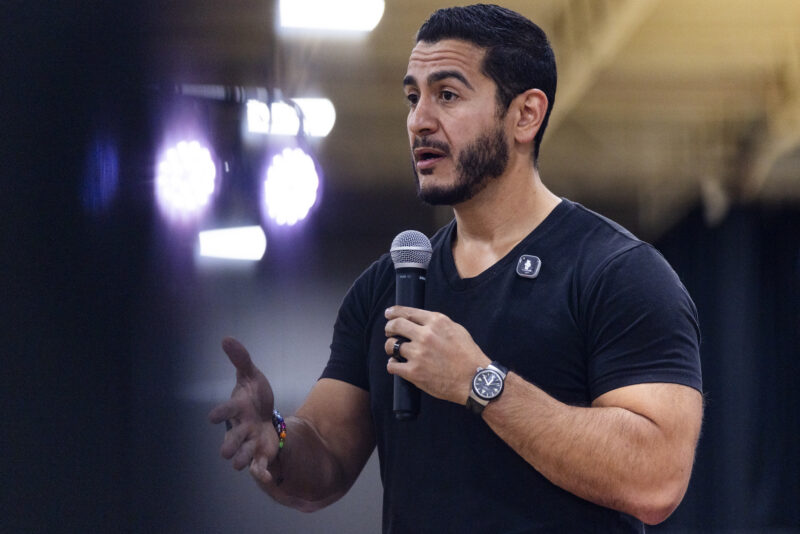
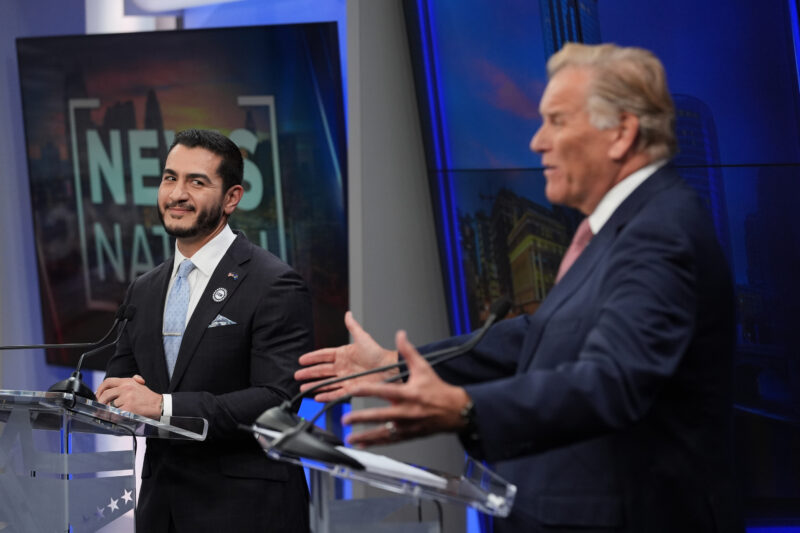
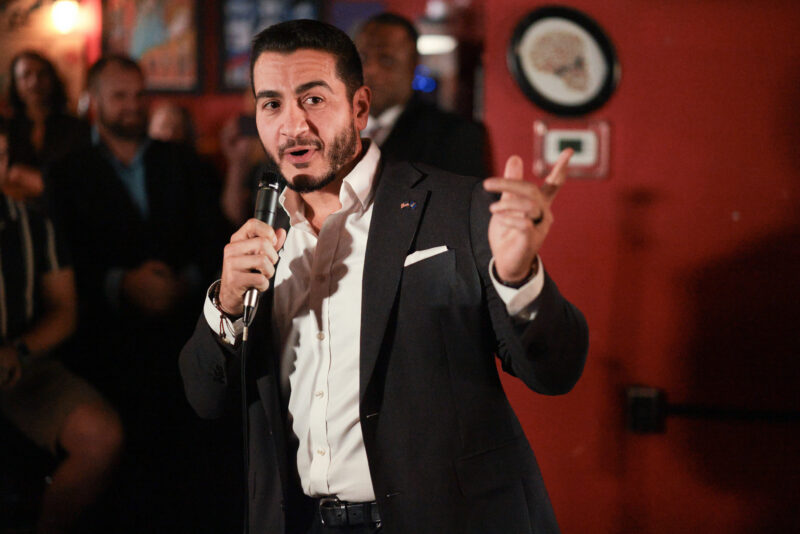
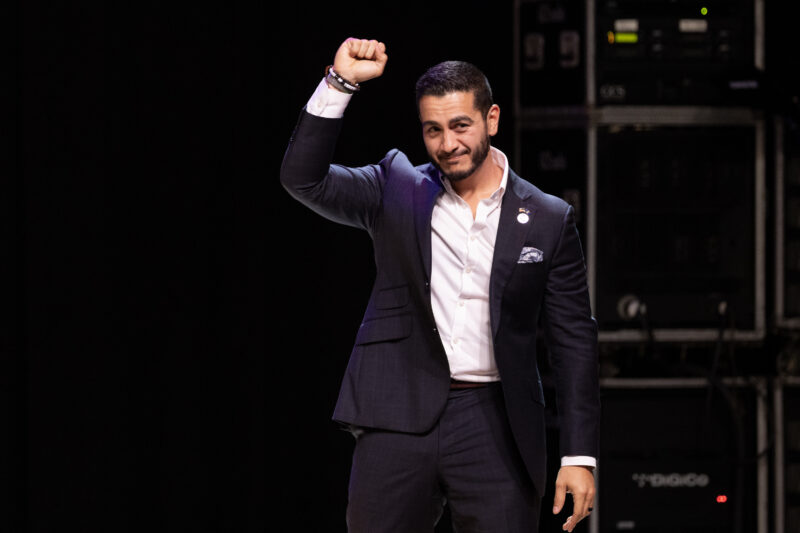
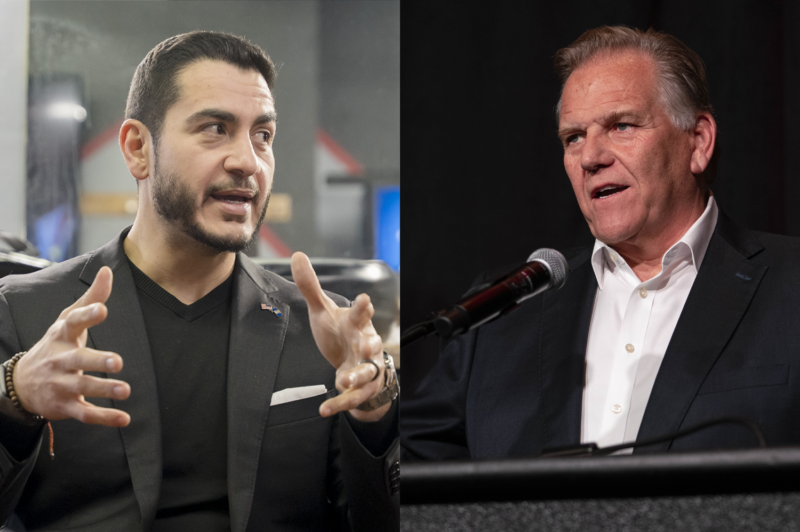
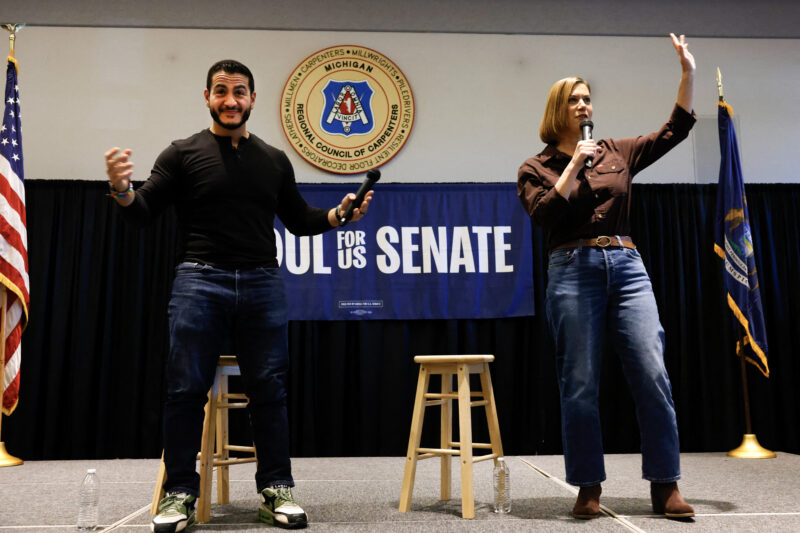
Meanwhile, in Michigan’s closely watched Senate primary set for next Tuesday, Abdul El-Sayed, an anti-Israel insurgent who is facing AIPAC-backed Rep. Haley Stevens (D-MI), has sought to downplay his role in promoting the “uncommitted” movement that urged Democratic primary voters to leave their ballots blank as a protest against Biden’s support for Israel during the war in Gaza.
In a recent campaign ad, for example, El-Sayed boasted that he was “the first Muslim American leader to endorse Kamala Harris for president,” a claim that fact-checkers have deemed inaccurate.
While Stevens has highlighted El-Sayed’s support for “uncommitted,” UDP, which is spending aggressively in the primary, has been focused more broadly on his perceived hostility to popular Democratic leaders.
In its first negative ad, released earlier this month, UDP attacked El-Sayed for what the group called his “long history of disrespecting women,” citing harshly worded past criticisms of former First Lady Michelle Obama as well as Michigan Gov. Gretchen Whitmer, the latter of whom announced a late endorsement of Stevens last week.
Elsewhere in Michigan, a far-left Democrat who is seeking the nomination to claim a Republican-held Lansing swing seat, Will Lawrence, has faced recent attacks for his comments denigrating Black political leadership and calling Harris a “warmonger,” as well as his support for the “uncommitted” movement. He has said his remarks have been taken out of context.
The race is expected to be close as Lawrence, a vocal critic of Israel, has gained endorsements from several prominent progressives, including Sen. Bernie Sanders (I-VT). Crush MAGA PAC has spent nearly $1 million on attack ads against Lawrence that have cited his affiliation with “uncommitted,” among other things.
While Lawrence’s allies have accused AIPAC of funding the ads, UDP has denied involvement in the race, calling such claims “pure fiction and dishonest.”
More Stories

SPEAKING OUT
Jewish groups call for apology after educators asked to condemn Israel to attend Italy trip
ALBANY ALLIANCE
Jewish New York Dems launch PAC to counter antisemitism and anti-Zionism
Regional Responsibility
Amb. Tom Barrack: It’s ‘not America’s job’ to combat Iran-backed threats in the Middle East
FOLLOW THE MONEY
Brandeis Center, FDD urge federal court to allow disclosure of campus foreign funding data

REGGIO REGRETS
Reggio Emilia mayor walks back anti-Israel litmus test for preschool educators
DAYLIGHT DEBATE
Brett McGurk pushes back on former Biden WH colleagues who called for greater pressure on Israel
Please log in if you already have a subscription, or subscribe to access the latest updates.
 Continue with Google
 Continue with Apple