

































UDP hits El-Sayed for ‘uncommitted’ support in new ad
The AIPAC-affiliated super PAC accused El-Sayed of ‘helping Trump win,’ in a continuation of its messaging strategy hitting far-left candidates over their opposition to the Biden administration
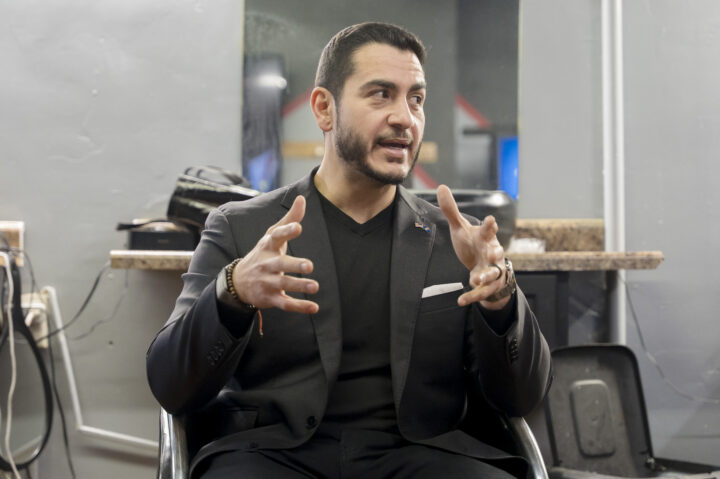
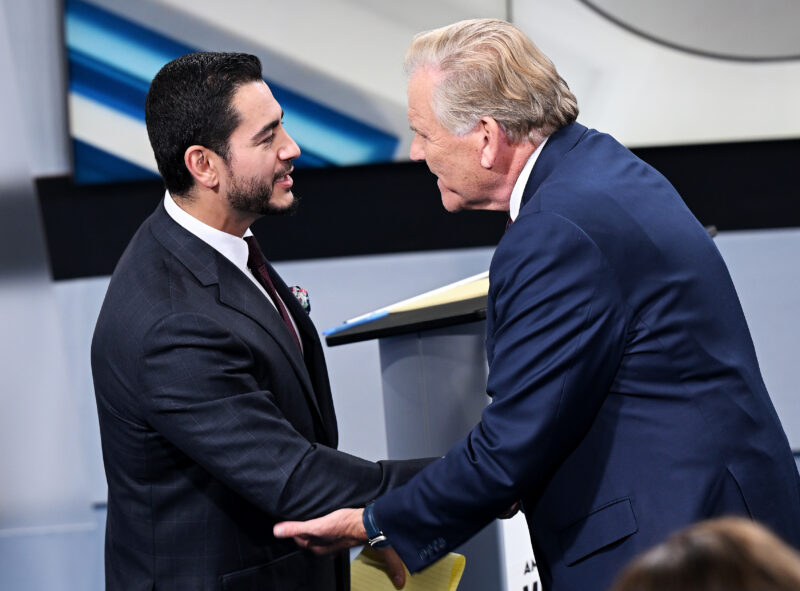
Evan Cobb for The Washington Post via Getty Images
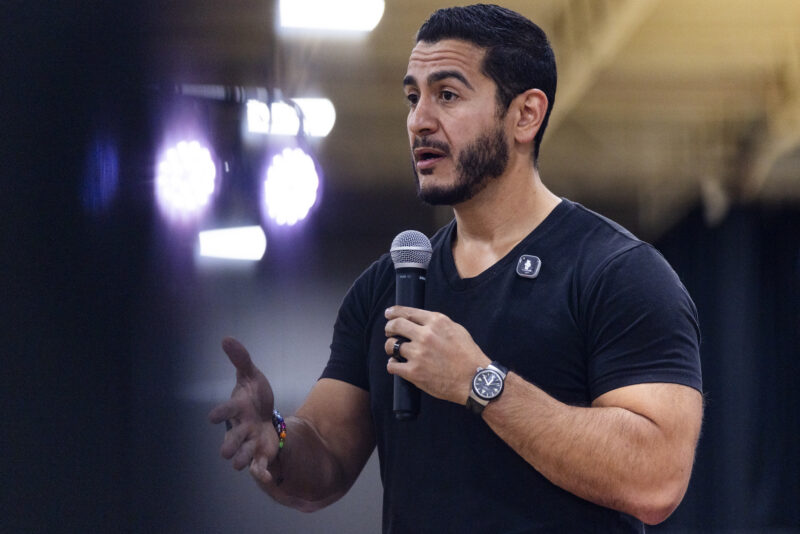
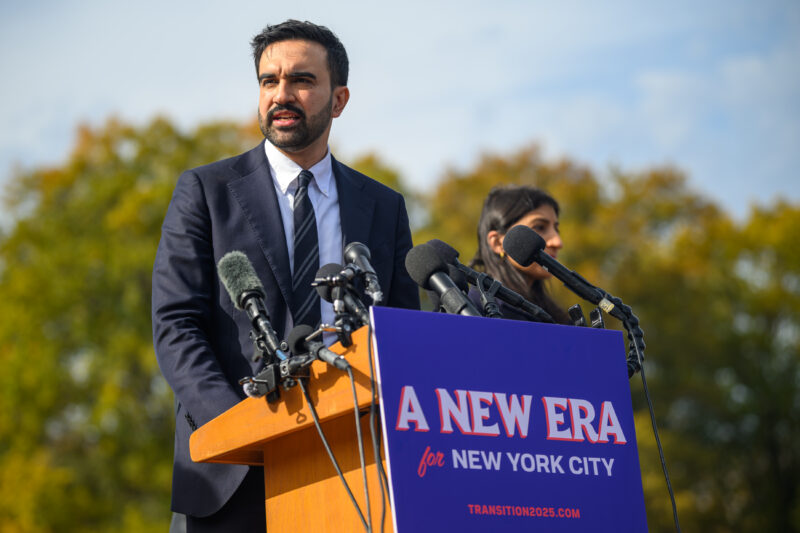
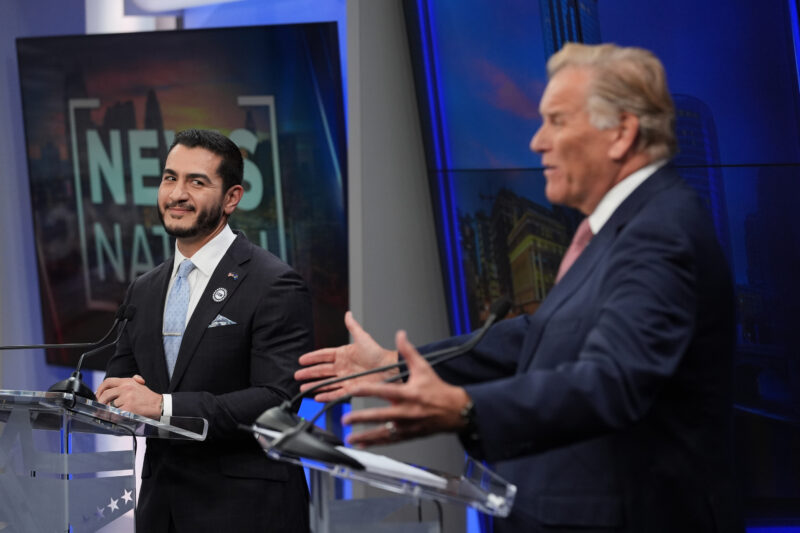
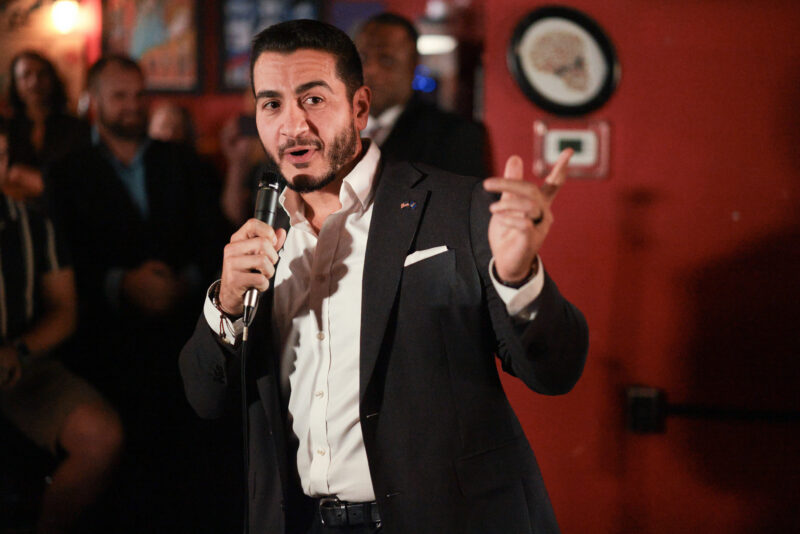
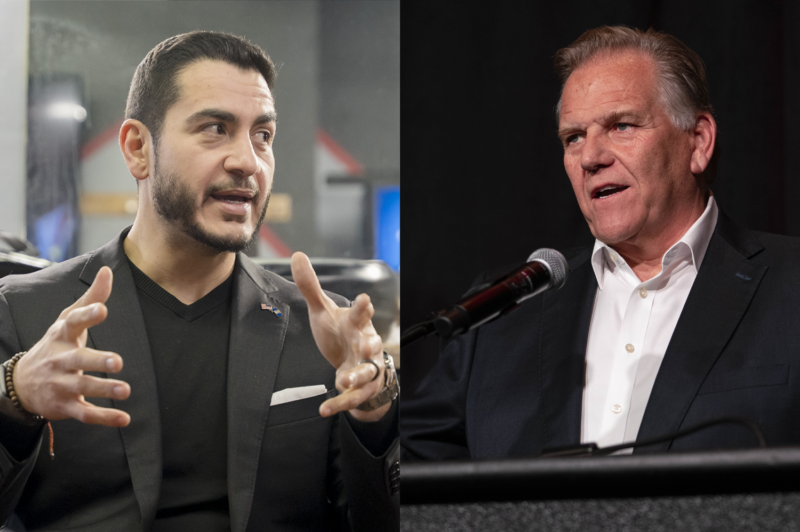
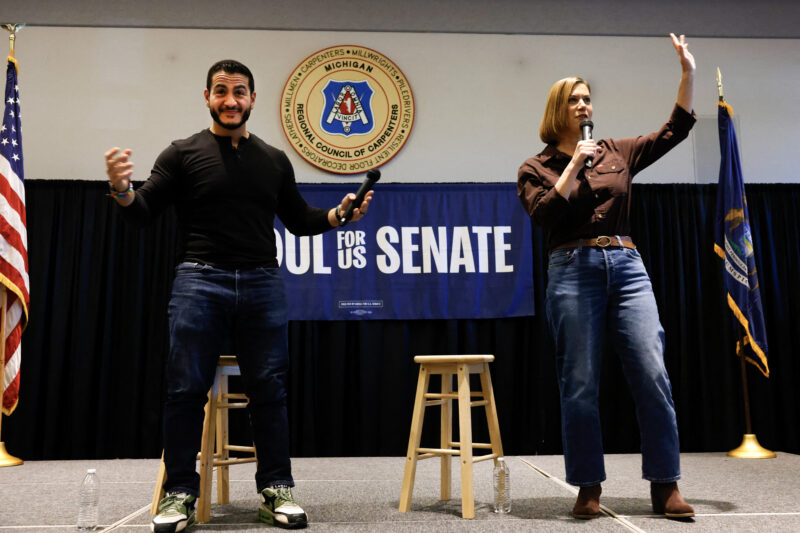
Michigan Senate candidate Abdul El-Sayed speaks with customers and barbers at Blazin Wade Cuts in Grand Rapids, Michigan, on Saturday, Feb. 21, 2026.


 Add JewishInsider on Google
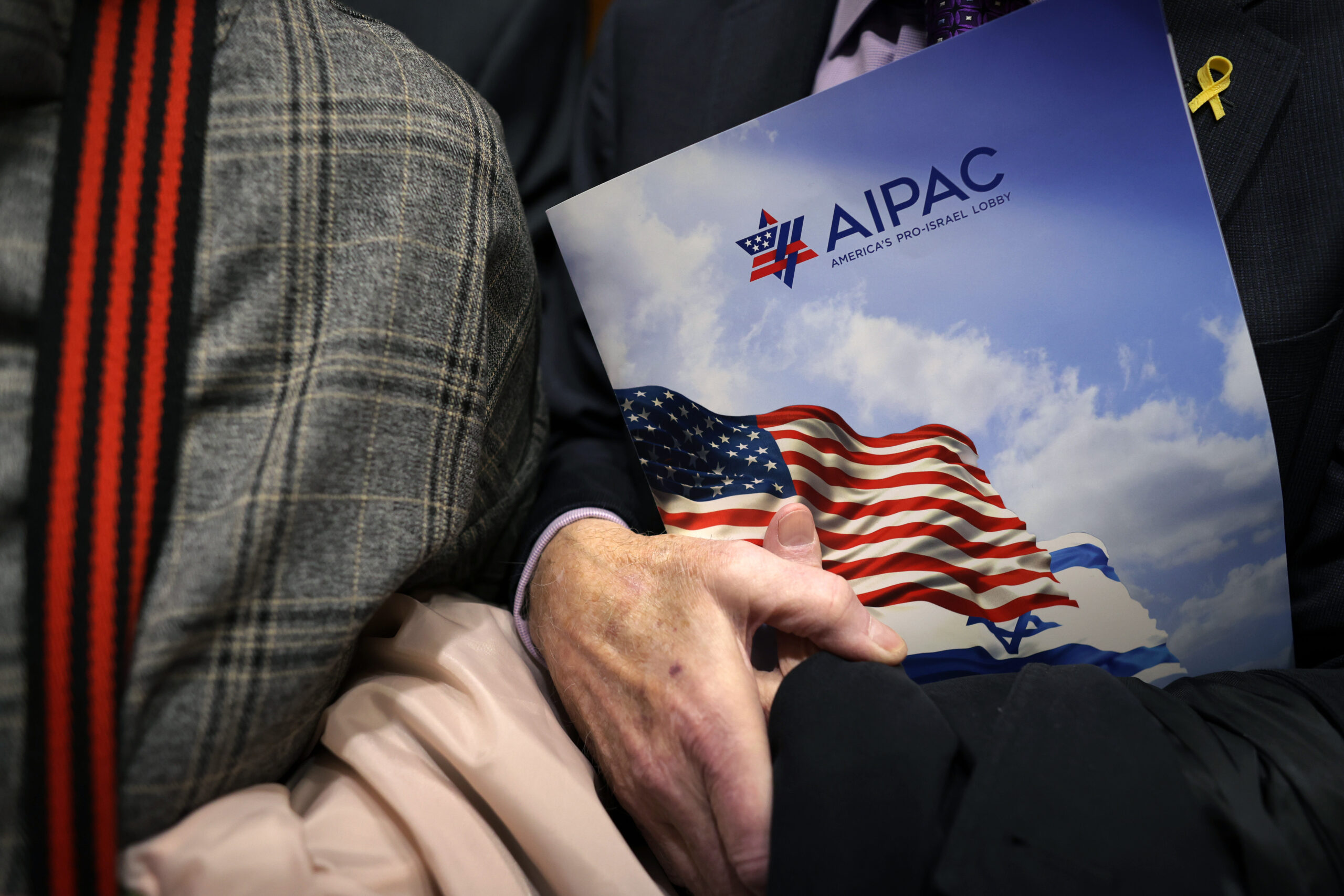
United Democracy Project, the AIPAC-affiliated super PAC, is running a new ad targeting Abdul El-Sayed, a far-left Democrat in Michigan’s closely contested Senate primary, over his past support of the “uncommitted” movement and his criticisms of popular Democratic leaders — a messaging strategy the group has used as an effective attack line against anti-Israel opponents in previous election cycles.
The 30-second TV spot, released on Tuesday in advance of the Aug. 4 contest, cites comments in which El-Sayed had criticized Barack and Michelle Obama while accusing El-Sayed of “helping Trump win” the election in 2024 because of his promotion of the “uncommitted” effort that urged Democratic primary voters to leave their ballots blank as a protest against former President Joe Biden’s support for Israel amid the war in Gaza.
“With our democracy on the line against Donald Trump in 2024, El-Sayed told Democrats to vote ‘uncommitted,’ even after Gov. Whitmer warned those efforts would help elect Donald Trump,” the narrator says, referring to Michigan Gov. Gretchen Whitmer, who last week endorsed El-Sayed’s rival, Rep. Haley Stevens (D-MI), a pro-Israel Democrat backed by AIPAC.
“Disrespecting women. Attacking the Obamas. Helping Trump win. That’s the real Abdul El-Sayed,” the ad concludes.
While UDP has invoked similar rhetoric in other ads hitting El-Sayed, the new spot is the first to mention his ties to “uncommitted,” a campaign first launched in Michigan that is emerging as a key point of tension for the insurgent candidate — particularly with Black leaders who believe the movement helped contribute to former Vice President Kamala Harris’ defeat in the battleground state.
An image of Harris is shown in UDP’s new TV ad, but the former vice president is not named directly by the narrator.
UDP is also running two new digital ads — aimed at younger voters ages 18-25 who have been drawn to El-Sayed’s anti-establishment bid — that accuse him of making sexist remarks toward women and saying he was “one of the reasons Trump won,” again referring to his “uncommitted” activism.
Earlier this month, Stevens likewise highlighted El-Sayed’s alignment with “uncommitted,” while alleging he called Harris’ campaign “nauseating.”
El-Sayed, for his part, has sought to downplay his association with the movement, claiming in a recent campaign ad that he was “the first Muslim American leader to endorse Kamala Harris for president,” even as fact-checkers have deemed that statement inaccurate.
In a statement to Jewish Insider on Tuesday, Patrick Dorton, a UDP spokesperson, called El-Sayed “a bad Democrat” who “has repeatedly advocated positions that lose elections for Democrats.”
“That’s why Republicans are desperate to have him be the nominee,” Dorton said. “They know they can beat him.”
A new poll commissioned by the Michigan Education Association, which has not made an endorsement in the primary, found Stevens leading former Rep. Mike Rogers (R-MI), the Republican nominee, by two points in a hypothetical general election matchup, making the race a toss-up. El-Sayed, by contrast, was trailing Rogers by seven points in the open-seat race to succeed retiring Sen. Gary Peters (D-MI), which Democrats see as key to control of the Senate, according to the poll.
El-Sayed, an outspoken critic of Israel, has made AIPAC’s investment in the race a centerpiece of his messaging, as the group has grown increasingly toxic among Democrats. UDP’s spending to help Stevens has so far exceeded $30 million.
The pro-Israel group is also targeting former Rep. Cori Bush (D-MO), who is seeking a rematch in next Tuesday’s House primary in St. Louis against Rep. Wesley Bell (D-MO) — after he unseated her last cycle with a significant financial boost from UDP.
In recent weeks, UDP has run ads attacking Bush for past comments criticizing Biden and Harris, echoing the messaging it deployed two years ago to help oust the former Squad member who was among the most strident critics of Israel in the House.
A new TV ad released by UDP on Tuesday further dinged Bush as an absentee lawmaker who passed “zero bills” in Congress and called her opposition to the bipartisan infrastructure package in 2021 a vote “against Democrats.”
“Cori Bush has her own agenda, and it hurts St. Louis,” the ad claims.
More Stories

CANCEL CALLS
Democratic push grows for Ilhan Omar, Fateh to cancel Hasan Piker event
analysis
Democrats hope to ride a historic Senate wave, but face several speed bumps
SECURITY SETBACK
Saudi Arabia postpones ‘Davos in the Desert’ until 2027 amid Houthi attacks

FINAL SPRINT
DMFI to spend $7 million to support Reps. Don Davis, Shomari Figures

Super Ball
Robert Kraft’s Blue Square gala pulls in $32 million as NYC’s Waldorf glows blue
SACRAMENTO SHOWDOWN
Rep. Doris Matsui continues to highlight Hasan Piker links to far-left opponent Mai Vang
Please log in if you already have a subscription, or subscribe to access the latest updates.
 Continue with Google
 Continue with Apple