





































Rahm Emanuel, in Tel Aviv, says he is ‘not impressed’ by far-left wing of the Democratic Party
The former U.S. ambassador to Japan is in Israel this week, where he delivered a speech on the future of U.S.-Israel relations
Israel Hadari
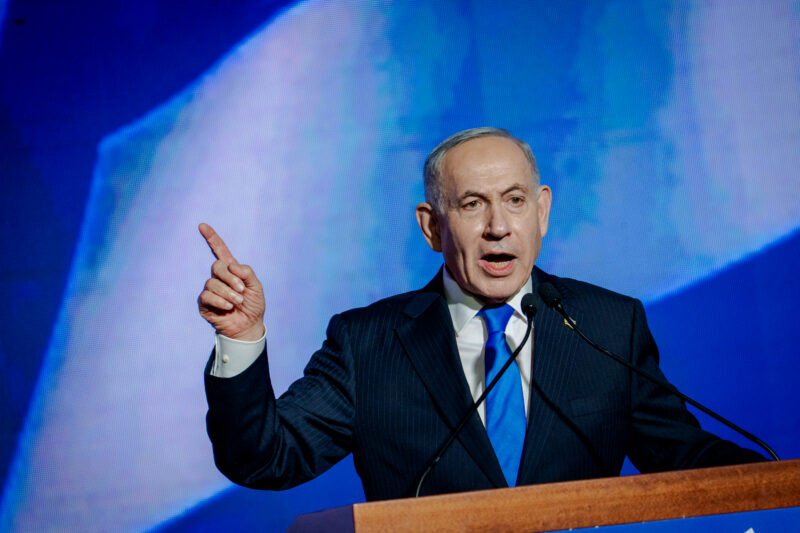
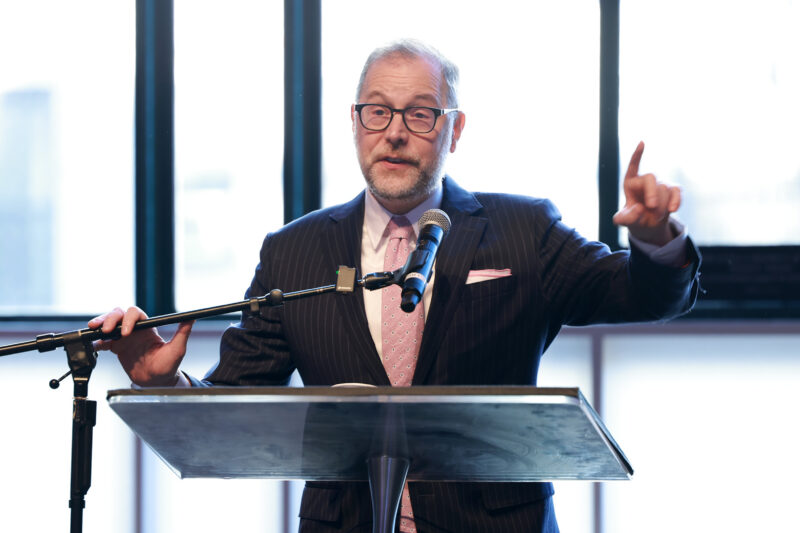
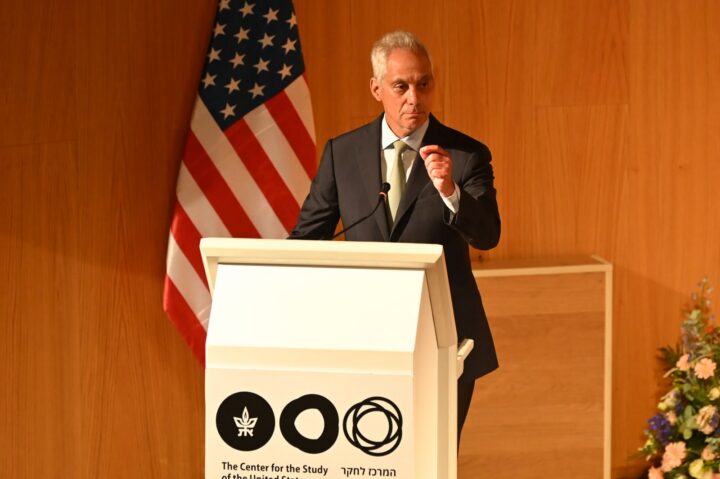
Rahm Emanuel speaks at Tel Aviv University on July 8, 2026.


 Add JewishInsider on Google
Former U.S. Ambassador to Japan Rahm Emanuel, speaking in Tel Aviv on Wednesday, criticized the “moral bankruptcy” of “those that paraded, celebrated and cheered” in the aftermath of Hamas’ Oct. 7, 2023, attacks on Israel.
Emanuel, who served as White House chief of staff from 2009 to 2010 in the Obama administration, made the comments as part of a broader address on his vision for the future of U.S.-Israel relations as he mulls a potential presidential bid.
Speaking to Jewish Insider prior to his speech at Tel Aviv University, Emanuel responded to a question about Democrats, including Darializa Avila Chevalier, the presumptive winner in New York’s 13th Congressional District, who attended a Times Square rally the day after Hamas launched its attacks on southern Israel. “I have no place for the moral bankruptcy of those that found Oct. 8 as the day to cheer 1,200 people not only killed but sexually abused, and for taking hostage 250 people. They’re morally bankrupt.”
Emanuel further criticized some of the banner stances of the far left, calling open-border policies and efforts to defund the police “wrong on every level.”
“I believe in capitalism, a better capitalism than we have today,” Emanuel said. “I don’t believe in the socialism that you advocate.”
“I have spent my life,” he added, “whether it was helping Nancy Pelosi become speaker by winning the House or helping President [Barack] Obama and President [Bill] Clinton not only get elected but reelected, and the policies they put in place. My whole life is geared toward politically moving red to blue, not blue to midnight blue. I’m not impressed, and for the record, the colors of the DSA are red. I’m into blue: red, white and blue.”
Speaking later Wednesday to a standing-room-only audience at ANU Museum of the Jewish People on Tel Aviv University’s campus, Emanuel laid out what he saw as the generational challenges facing the State of Israel and potential avenues to address them.
In the speech, Emanuel reiterated his concerns about potential Israeli annexation of parts of the West Bank and settler violence. He accused Prime Minister Benjamin Netanyahu — with whom he has long clashed, including on issues related to the West Bank — and the Israeli government of having “led Israel into a dead end for too long.”
Emanuel called for a reassessment of the relationship between the U.S. and Israel. “American policy towards Israel operated under the assumption that the best thing Washington could do for Jerusalem is to blindly, to silently stand behind your government without conditions, without demands, without consequences, even when we disagree,” Emanuel said. “That has been our mistake, and it’s been not a favor to you.
Former U.S. Ambassador Rahm Emanuel called for a reassessment of the U.S.-Israel relationship at Tel Aviv University.
— Jewish Insider (@jewishinsider) July 8, 2026
The American government's support for Israel's decisions "even when we disagree … has been our mistake," Emanuel said, "and it's been not a favor to you."… pic.twitter.com/vjpNUumRx2
Israel, he said, had “turned from being known for your technological prowess to being considered primarily a territorial pariah.”
Emanuel expanded on his “23-state solution” proposal, under which Israel would normalize relations across the Middle East, including with a newly formed Palestinian state. Emanuel had previewed the proposal in a Wall Street Journal op-ed published earlier this week.
Under such a plan, he said, “The Arab League would establish full diplomatic recognition of Israel, and Israel with all 21 members of the Arab League, just as they had once proposed. The political benefits from all parties would be far greater than a two-state solution could ever offer the two parties.” The implementation of his plan, Emanuel told the audience, “would be your greatest day, and Iran’s worst nightmare.”
Emanuel has in recent months become more vocal on foreign policy issues as he mulls a 2028 presidential bid. Appearing on “Real Time with Bill Maher” in April, Emanuel called for an end to U.S. military aid to Israel. Under such a scenario, Emanuel told JI in May, “Israel will be like every other ally. They can buy what they want, and they have to live within the restrictions.”
More Stories

STUDENT SAFETY
Federal civil rights complaint accuses Montgomery County, Md., schools of ignoring antisemitic harassment

SPEAKING OUT
Jewish groups call for apology after educators asked to condemn Israel to attend Italy trip
SCOOP
AIPAC to end candidate endorsements, PAC contributions to allies

EXCLUSIVE
JDCA launches streaming and digital ads supporting Cait Conley, attacking Lawler
UNLOCKING THE KEYSTONE
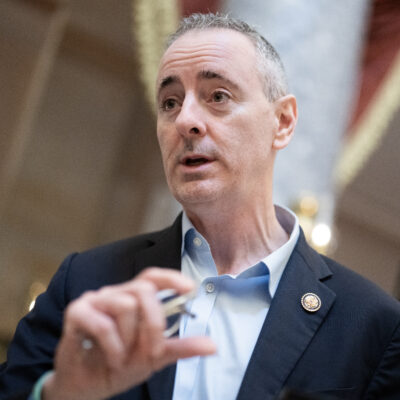
RJC drops $400,000 to boost Brian Fitzpatrick in Pennsylvania swing district
MAIL FAIL
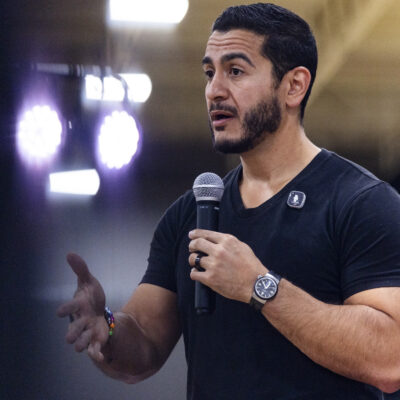
El-Sayed letter to Jewish community on antisemitism fails to reassure skeptics
Please log in if you already have a subscription, or subscribe to access the latest updates.
 Continue with Google
 Continue with Apple