



































Democrats line up against Saudi nuclear deal, while Republicans largely back it
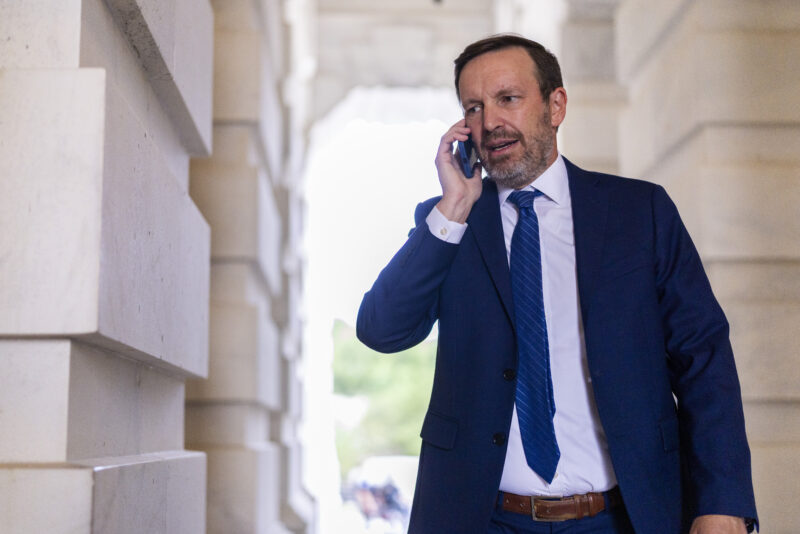
Rep. Brad Sherman warned that nuclear enrichment technology could fall into the hands of a malign regime
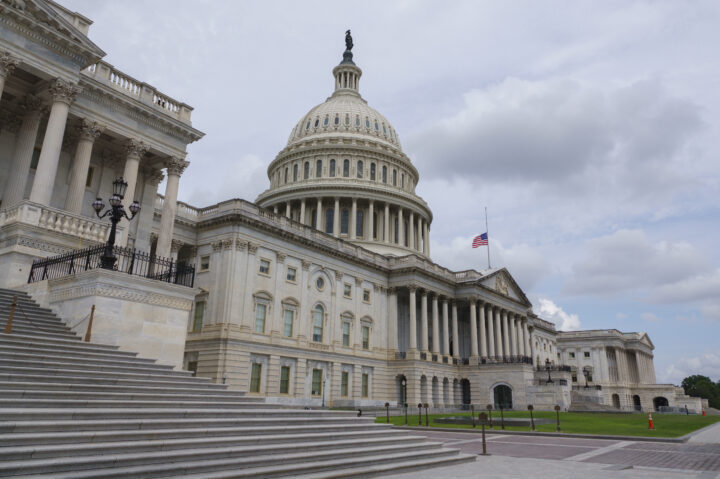
Kevin Carter/Getty Images
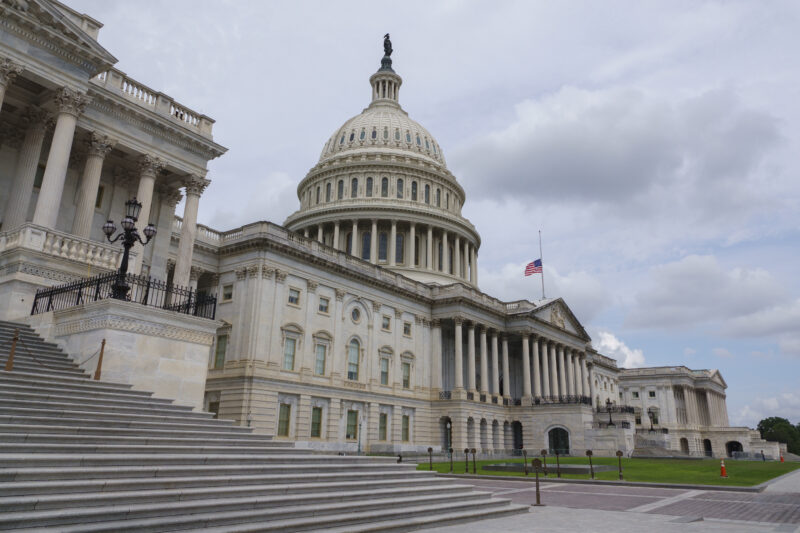
U.S. Capitol building on July 12, 2026 in Washington, DC.


 Add JewishInsider on Google
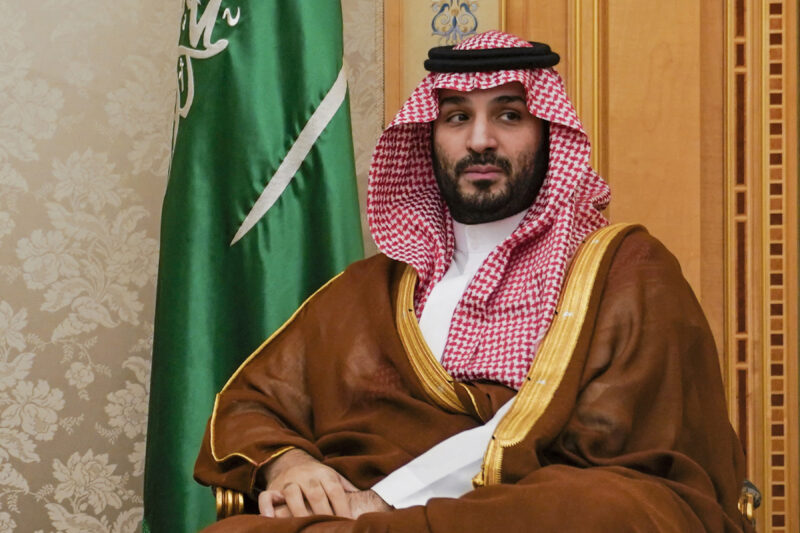
Congressional Democrats are lining up in opposition to the Trump administration’s reported nuclear agreement with Saudi Arabia that could allow Riyadh to enrich uranium for civilian purposes, while Republicans are mostly supportive of the effort.
Critics have long warned that any civilian nuclear enrichment in Saudi Arabia could open the path for the country to obtain nuclear weapons at a later date and that it runs the risk of a nuclear enrichment race in the Middle East.
The reported deal would allow the construction, by U.S. companies, of an enrichment facility in Saudi Arabia, insulating the enrichment to some degree from the Saudi government, though that is unlikely to placate skeptics who worry that the technology could fall into malign hands in the event of a change in regime, or be used by the Saudi government for weaponization purposes.
It does not require Saudi Arabia to agree to enhanced oversight and inspections under an International Atomic Energy Agency “additional protocol,” which other U.S. nuclear deals such as the one with the United Arab Emirates have mandated.
“I have talked to Crown Prince Mohammed bin Salman about this on a number of occasions and both of us have been in agreement that an appropriate nuclear agreement would be in the best interest of both of our countries. Idaho is the birthplace of nuclear energy, so this matters deeply to me,” Sen. Jim Risch (R-ID), the chairman of the Senate Foreign Relations Committee, said in a statement to Jewish Insider. “I look forward to seeing the details of the agreement and working with the Administration to review it.”
Sen. James Lankford (R-OK) emphasized that, if the deal emerges as reported, the enrichment would be carried out by an American company.
“Saudi Arabia has been going after nuclear power for a while, there’s a big difference between nuclear power and nuclear weapons, with the amount of enrichment with the technology,” Lankford told JI. “Most countries that actually have nuclear power don’t enrich their own uranium, but the opportunity to be able to have our companies and entities doing it is significant.”
Sen. Mike Rounds (R-SD) told JI that he would be concerned if Saudi Arabia were to enrich to levels higher than necessary for civilian nuclear power uses, “but if they’re talking about just enriching it to the point where you can use it for nuclear power plant, I don’t have a problem with that. Somebody needs to do that, and it would be better to be us than anybody else.”
Rounds’ logic echoes concerns that if the U.S. did not agree to allow Saudi Arabia to enrich, it would instead pursue a deal with China or Russia.
Sen. Chuck Grassley (R-IA) told reporters, “as long as they’re a friend of the United States, [the deal is] OK.”
Sen. John Cornyn (R-TX) said he’s not sure “what to make of [the deal] yet” but argued that Saudi Arabia would not “necessarily … ask our permission” if it ultimately decided it wanted to enrich uranium or pursue a nuclear weapon.
“If Iran is trying to get a nuclear weapon, they’re going to do what they need to do to defend themselves,” Cornyn told JI. “But I know this is civilian nuclear for energy purposes, which generally we’ve encouraged and condoned with India, with a number of other countries, if they want to do it strictly for that. But I would think that would require some inspections and transparency by the IAEA and others.”
Sen. John Kennedy (R-LA) was the most skeptical of the Senate Republicans who spoke to JI but said he wasn’t sure at this point where he lands on the deal, expressing worries about global nuclear proliferation.
He said that he’s concerned that American allies and enemies will, as a result of rising tensions around the world, conclude they need to develop nuclear weapons of their own.
“I worry about nuclear proliferation in the Middle East, Japan, South Korea. The leaders of those countries love their countries and they love their people, and they wouldn’t be doing their job if they didn’t at least think about it,” Kennedy said. “That’s why we need to get this Middle East situation under control, as well as the war between Russia and Ukraine.”
Democrats, meanwhile, are largely opposed to the deal as publicly reported. Under the law governing nuclear agreements with foreign countries, Congress can pass a resolution to block such deals, though even if such a resolution were to pass, it would be subject to a presidential veto.
Sen. Richard Blumenthal (D-CT) told JI that he remains opposed to any nuclear deal with Saudi Arabia separated from the normalization of relations with Israel, an arrangement that the Biden administration had been pursuing.
“It should be part of normalization of relations, a broader agreement, rather than an isolated one-off,” Blumenthal said. “I have yet to see any of the details. I haven’t been informed officially, but my feeling continues to be that the paramount goal should be normalization of relations, recognition of Israel, the peace and stability of the region, and that aid to Saudi Arabia in establishing nuclear power should be included in that larger deal.”
Asked whether he would support a legislative effort to block the agreement, Blumenthal said that he would “pretty surely oppose the deal” — pending details — because of the lack of a broader normalization agreement.
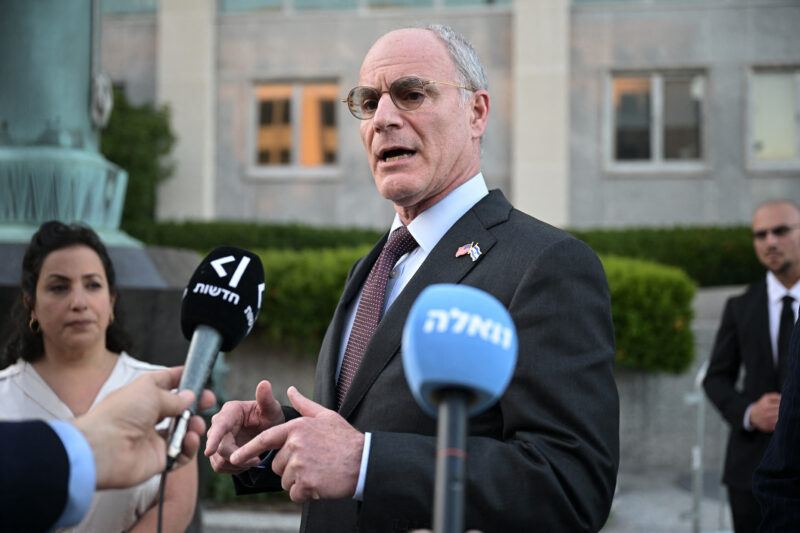
Rep. Brad Sherman (D-CA), a longtime critic and skeptic of the prospect of Saudi nuclear enrichment, demanded prompt congressional hearings on the issue at a House Foreign Affairs Committee hearing on Wednesday morning.
He warned, as he has in the past, that nuclear enrichment technology could fall into the hands of a malign regime — as U.S. weapons did with the fall of the shah in Iran in 1979. “We have no idea who’s going to be running Saudi Arabia ten years from now,” Sherman said.
Sherman argued that Saudi Arabia should not be allowed to enrich if the U.S. is going to war to prevent Iranian enrichment, suggesting that the deal is being driven by a financial windfall for an American company.
He urged Congress to advance a resolution of disapproval, and noted that he worked with Secretary of State Marco Rubio when he was a senator to advocate for legislation that would have required affirmative congressional approval for a nuclear deal with Riyadh.
Sen. Mark Kelly (D-AZ) told JI that he has “some issues” with the deal as presented, relating to the enrichment provisions.
“Their own ability in the future to possibly enrich uranium is something we put guardrails in place for other countries. UAE being considered the gold standard that took a long time to work through,” Kelly said. The U.S.-UAE deal prevents Abu Dhabi from enriching and reprocessing uranium and includes a series of strict oversight provisions.
Asked about a potential resolution of disapproval, Kelly reiterated his concerns about the deal but also emphasized the importance of maintaining the U.S.-Saudi relationship.
“I also recognize that specifically with regard to Saudi Arabia, we want to make sure that we’ve got a positive relationship with them,” he said. “But on this thing, with enriched uranium, I’ve got problems.”
Sen. Tim Kaine (D-VA) told JI that Saudi Arabia’s failure, as part of the agreement, to agree to the IAEA additional protocol raises questions.
“My question is, why wouldn’t they? If it’s all going to be peaceful and all that, why wouldn’t you? Iran agreed to the additional protocol and the [2015 Joint Comprehensive Plan of Action], so why wouldn’t the Saudis?” Kaine said.
“We’ll see about congressional action on it, but I have said if you’re going to do this [you should be required to agree to] no enrichment and reprocessing, and you got to agree to inspections,” Kaine continued. “My understanding, from what I’ve read about the announcement, is that neither of those are in place, and then that really raises the issue of intent and proliferation.”
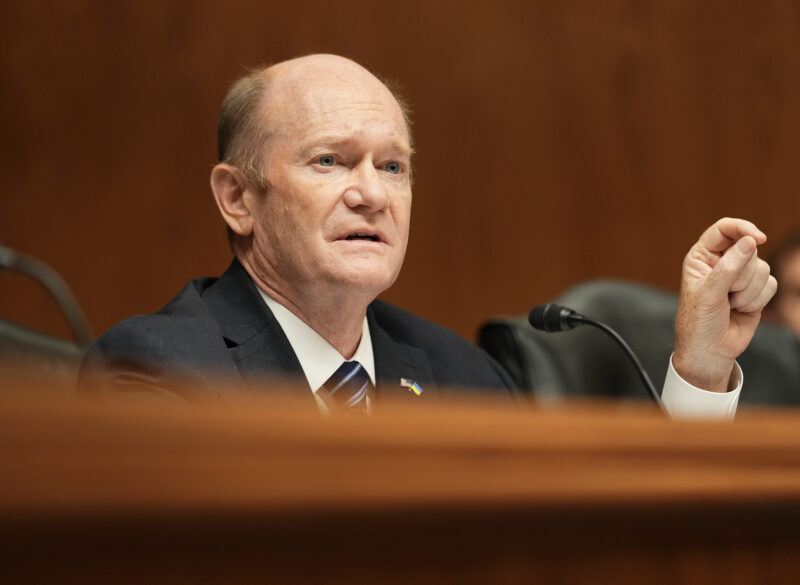
Sen. Chris Coons (D-DE) said he hadn’t seen the deal or the reporting, but, when informed by JI and a staff member that the deal would allow for Saudi Arabia’s nuclear enrichment, indicated he was skeptical.
More Stories
RELATIONSHIP STATUS
How Israel’s parties say they would rebuild support in America
EXCLUSIVE
Lawmakers call for Congress to mandate creation of Pentagon hate symbols policy
NO COMMENT
Rogers honors Oct. 7 anniversary and bashes El-Sayed, as El-Sayed remains silent
PHONE A FRIEND
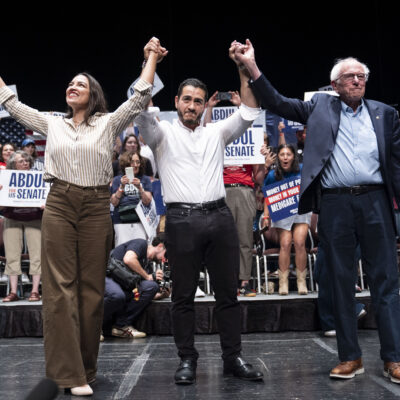
AOC launches campaign blitz for El-Sayed across Michigan
PEACH STATE PUNCHES
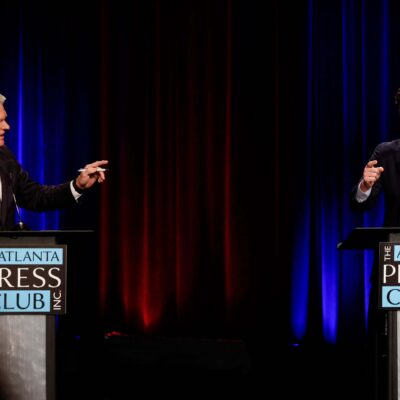
Rep. Mike Collins ducks question about white nationalist influencer son-in-law at Senate debate

EMPIRE STATE EXCHANGE
Debating Hochul, Blakeman reiterates graphic warnings about anti-Israel protesters
Please log in if you already have a subscription, or subscribe to access the latest updates.
 Continue with Google
 Continue with Apple