


























Mamdani bets he can govern without any relationship with traditional Jewish leaders
If Mamdani is able to succeed by only playing to his base — still a big if — the city’s organized Jewish community risks getting written off entirely
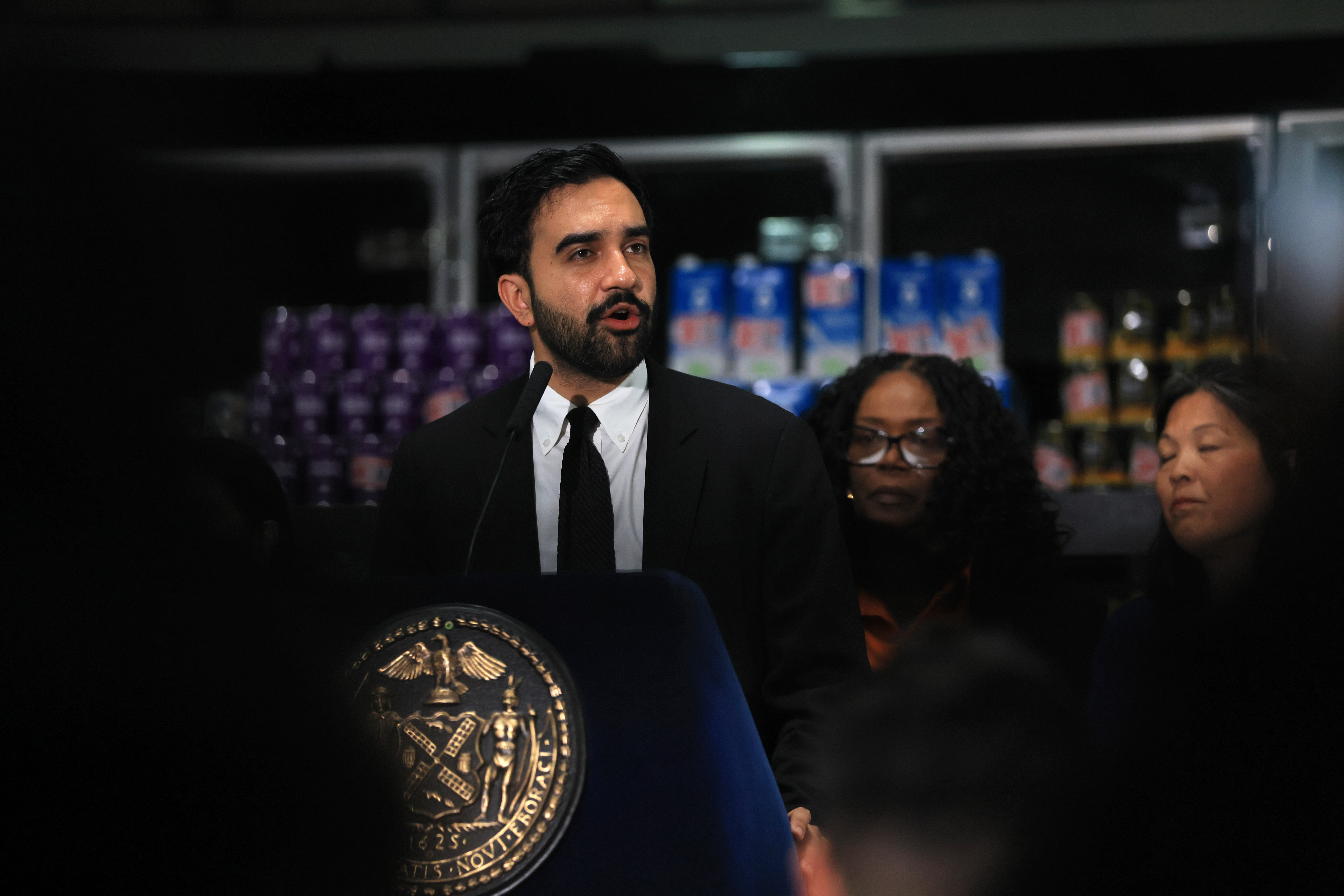
Spencer Platt/Getty Images
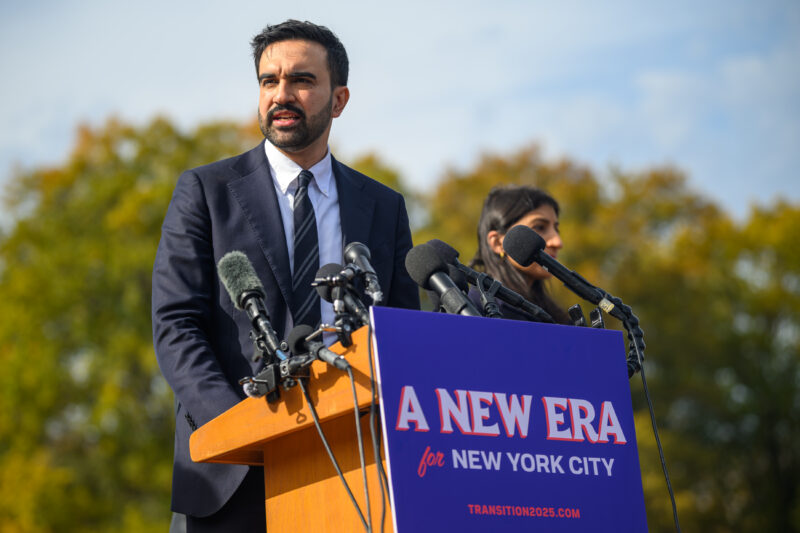
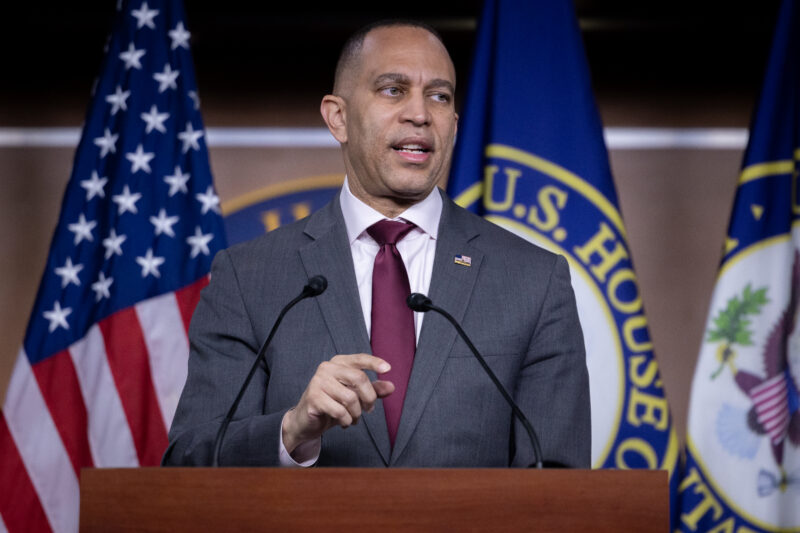
New York City Mayor Zohran Mamdani speaks at a food distribution center on July 27, 2026 in the Brooklyn borough of New York City.


 Add JewishInsider on Google
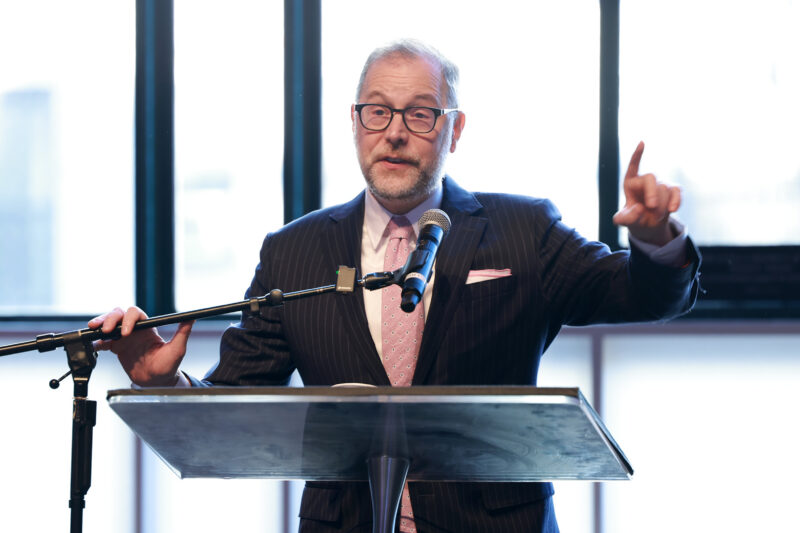
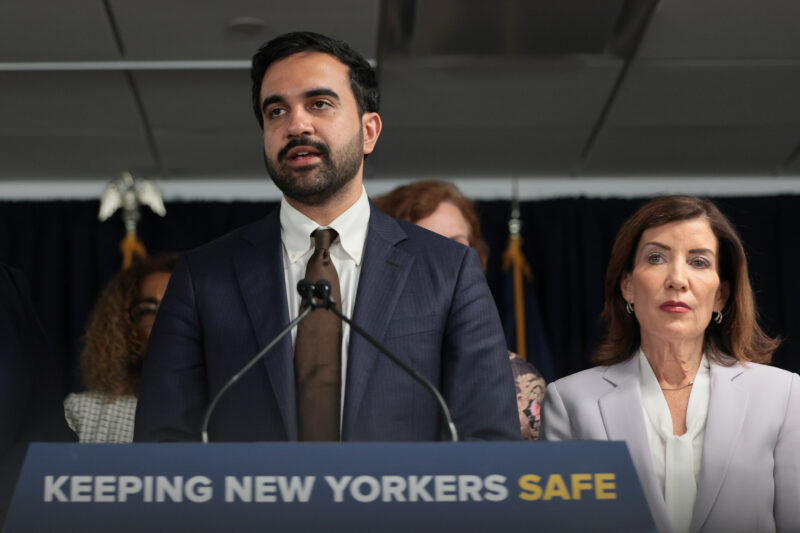
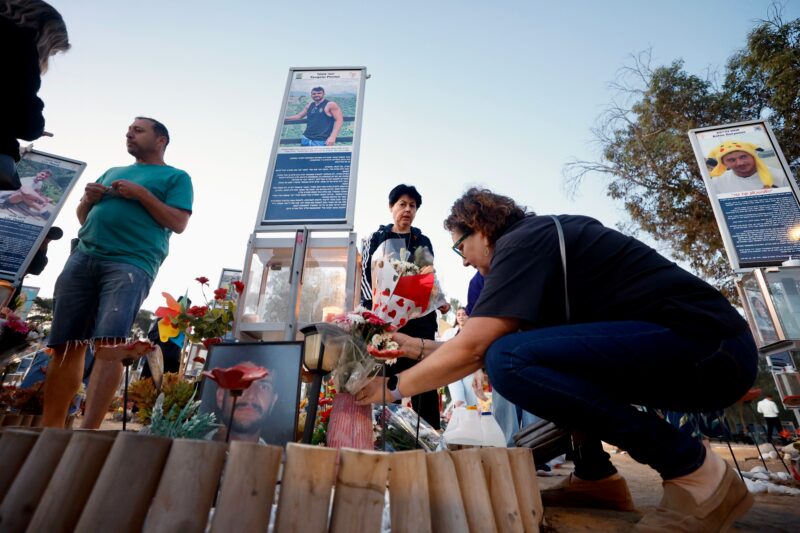
The morning after a double hate crime targeted an Asian American and a Jewish man wearing a yarmulke in Manhattan, during which the attacker allegedly yelled “Allahu Akbar” and “Justice for Islam” while passing a synagogue and stabbing the second victim, New York City Comptroller Mark Levine offered what may prove a eulogy for a political era in America’s greatest metropolis.
“There is no New York without us,” the Jewish Democrat said at a press conference outside The Jewish Center, the Modern Orthodox synagogue where the Jewish victim worshipped, invoking the deep history and contributions of Jews to the Big Apple.
But Mayor Zohran Mamdani, the lone citywide official not to attend the gathering, seems to wager that he can govern New York City without much support from the dense web of religious and civic organizations that historically shaped Jewish life there and helped guide the choices of his predecessors. Mamdani received only about one-third of the Jewish vote in the mayoral election, but little support from legacy Jewish groups.
One need only look to the state Assembly district covering the site of the assault to see how Mamdani is at odds with the mainstream Jewish leadership. As mayor, he endorsed an opponent of Rabbi Stephanie Ruskay, the favorite of local Jewish Democratic leadership, as she sought the seat in June. The rabbi serves as associate dean of Jewish Theological Seminary, and is the daughter-in-law of retired longtime UJA-Federation of New York CEO John Ruskay. In doing so, Mamdani even spurned one of his most vocal Jewish supporters, former Manhattan Borough President Ruth Messinger, long a standard-bearer of a Jewish liberalism rooted in communal institutions.
The mayor instead backed Eli Northrup, a Jewish attorney and activist ambivalent about Israel but deeply engaged in the online left that propelled Mamdani to power.
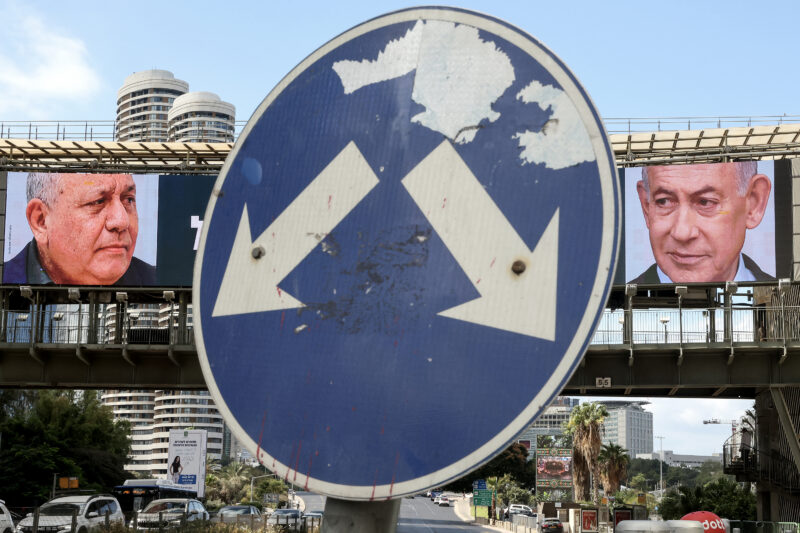
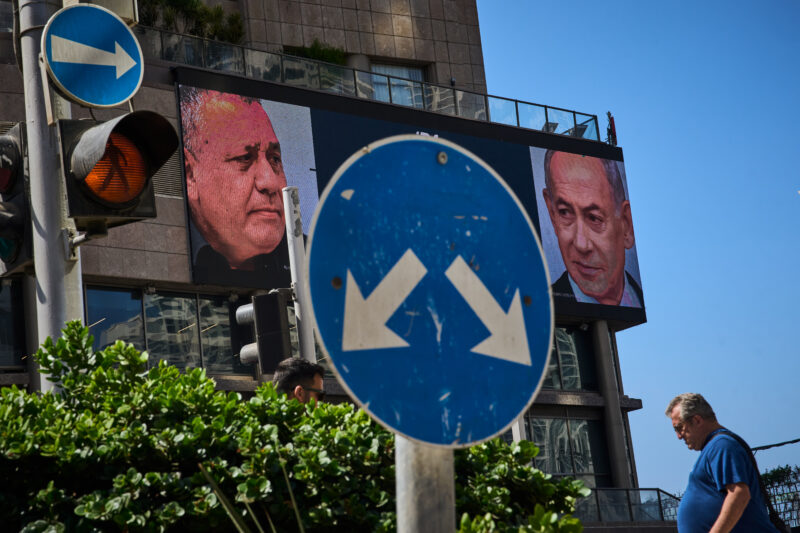
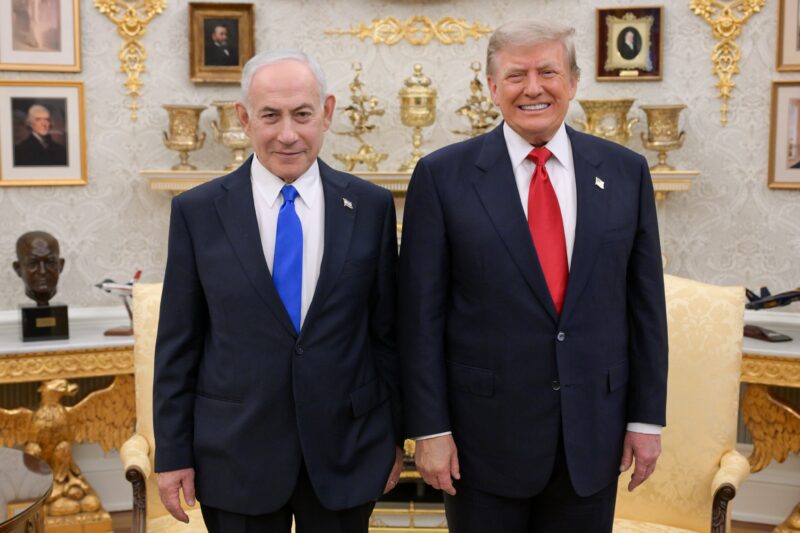
And it was this very online, Democratic Socialists of America-dominated audience that the mayor addressed two days before the attack, when he released a video denouncing Israeli Prime Minister Benjamin Netanyahu, even as he admitted he could not honor his campaign vow to arrest him if he came to the city for the United Nations General Assembly meeting in September. The social media post followed days of questions and criticism from local press and Jewish leaders over his continued toying with the idea of cuffing the Israeli leader, even though city attorneys had long apprised Mamdani that he had no authority to enforce an International Criminal Court warrant against the Israeli leader, as The New York Times subsequently reported.
But rather than plainly admitting he could not honor his promise, the mayor spun a real-world, local loss into an Internet triumph: releasing a dramatic, camera-facing address on his official social media channels with the caption “Benjamin Netanyahu is a war criminal.” The video itself focuses on denouncing the Israeli prime minister as the “architect of a horrific genocide” — without even mentioning the Oct. 7 Hamas terror attack that set off the most recent round of the conflict. Only in the final moments of the video, which received more than 150 million views, does the mayor acknowledge he lacks legal grounds to arrest Netanyahu.
There is at present no evidence that the video inspired the Manhattan attack, much less a violent incident at a Jewish summer camp in Queens this week. But the video prompted fierce criticism from Jewish leaders — and calls from Levine and other prominent Democrats for a general tempering of rhetoric among elected officials. Mamdani has refused to even acknowledge suggestions that he turn down the temperature.
He also dismissed concerns from a suite of Jewish attorneys associations that a panel he appointed to recommend city judicial appointments did not include a single Jewish member, despite the prevalence of Jewish attorneys in New York. This kind of political faux pas, committed amid relentless criticism from Jewish leaders, would typically sap a leader’s political capital. But Mamdani built his political coalition online, apart from traditional bases of political influence, and it looks to have endured these incidents unscathed.
If anything, the mayor still appears empowered after helping to elect three leftist allies in New York City to Congress last month, ousting two sitting members of the House in the process. And the institutions, Jewish and otherwise, that have sought to stop him look weaker than ever.
He smashed the political organization of one-time ally Rep. Nydia Velazquez (D-NY), and humiliated the left-wing Working Families Party by using his clout to lift Assemblymember Claire Valdez over Brooklyn Borough President Antonio Reynoso in the primary for the retiring Velazquez’s seat.
He also potentially decimated the unique Jewish-Dominican political alliance — the kind of “only in New York” ethnic coalition that once defined city politics — that elevated Levine to power by taking out the comptroller’s most important ally, Rep. Adriano Espaillat (D-NY), with his own pick: radical grad student Darializa Avila Chevalier.
But Mamdani is not the only canny politician capitalizing on the emotionally heightened moment. Netanyahu, facing a tough election fight at home, has announced his intention to come to New York and challenge the mayor’s message and authority directly. Mamdani, who enjoys better poll numbers among American Jews than Netanyahu, has already tacitly urged his supporters to greet the Israeli leader with protests.
A collision between the two seems increasingly likely — with potential to again impact New York’s Jewish community.
Less sensationally, and often behind the scenes, the main challenge to Mamdani’s latitude in government have so far been two more moderate-minded Jewish women, NYPD Commissioner Jessica Tisch and City Council Speaker Julie Menin, both around issues of law and order. Tisch, a grand marshal in this year’s Israel Day on Fifth Ave parade, reportedly forced the mayor’s hand on the question of arresting Netanyahu, as her department prepared to publicly declare it could not take the Israeli politician into custody.
Menin helped shepherd bills mandating police buffer zones around religious institutions and schools at a time when the mayor struggled to condemn pro-Hamas protests outside synagogues.
Meanwhile, American Federation of Teachers President Randi Weingarten has fought the mayor politically. Her union helped bankroll PACs opposing his political candidates, and its New York branch — closely aligned with Menin and the city’s Jewish Democratic establishment — has threatened the mayor with “all-out war” in upcoming contract negotiations.
So far though, these struggles have barely slowed the mayor down. His social media-fueled movement has little appetite for compromise, at least on their core issues (which includes opposition to Israel). If Mamdani is able to succeed by only playing to his base — still a big if — the city’s organized Jewish community risks getting written off entirely.
More Stories
AID ARGUMENTS
Michael Oren, Jonathan Schanzer split over when Israel should move past U.S. aid
FINAL SPRINT
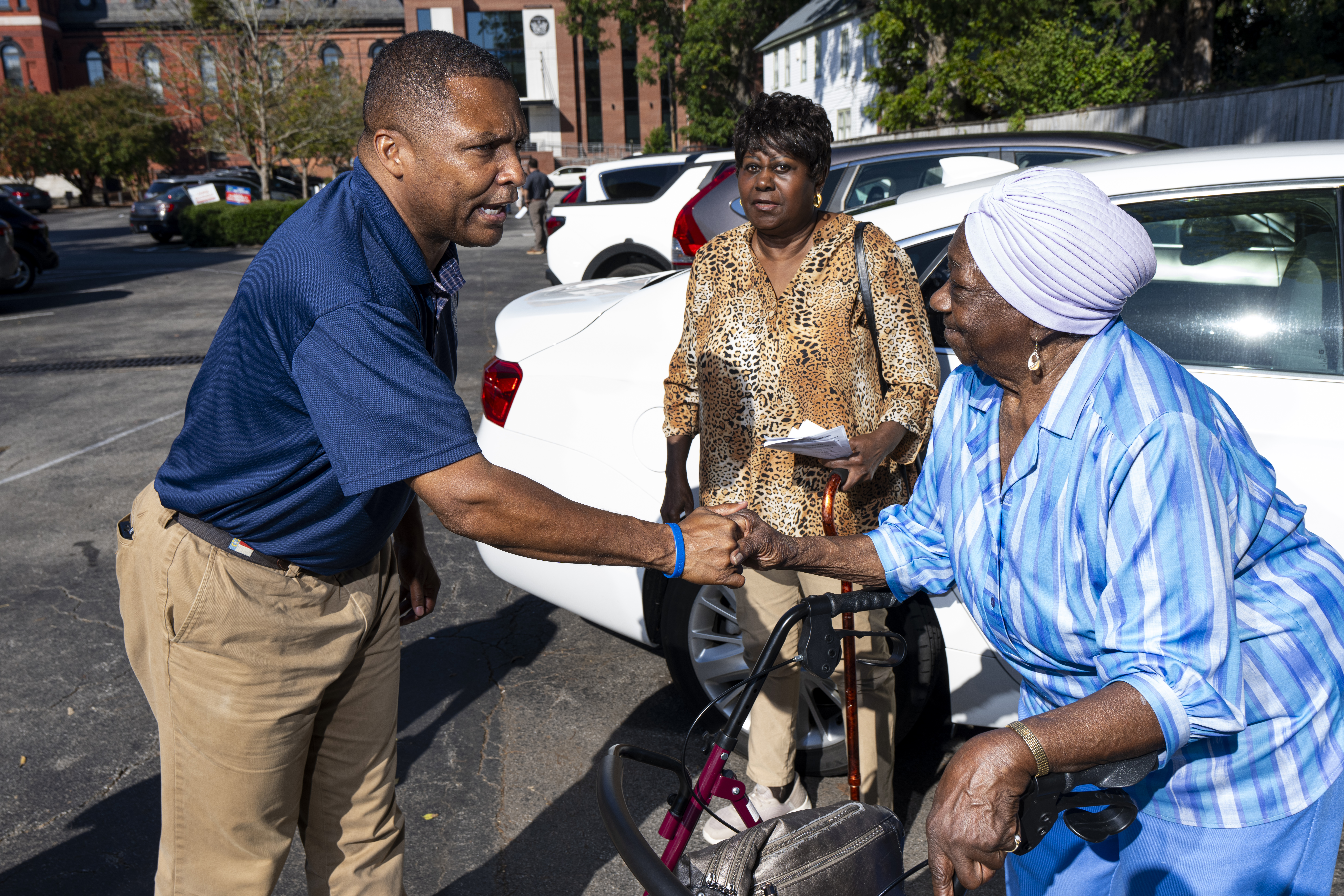
DMFI to spend $7 million to support Reps. Don Davis, Shomari Figures
MINNESOTA MIC DROP
Jacob Frey, Betty McCollum join Minnesota Dem chorus condemning Piker event
SECURITY SETBACK
Saudi Arabia postpones ‘Davos in the Desert’ until 2027 amid Houthi attacks

REPORTED RIFT
‘Israel had no plan to attack Iran before election,’ defense minister says
CALLING IT OUT
Rep. Don Bacon blasts Dan Osborn over ‘anti-Jewish’ ad
Please log in if you already have a subscription, or subscribe to access the latest updates.
 Continue with Google
 Continue with Apple