


































Graham’s grand goodbye
Plus, Bibi's back in town


 Add JewishInsider on Google
Good Tuesday morning.
In today’s Daily Kickoff, we preview Israeli Prime Minister Benjamin Netanyahu’s meeting with President Donald Trump at the White House, which will take place today before the funeral of Sen. Lindsey Graham (R-SC), which both leaders are attending. We look at AIPAC’s messaging strategy to attack far-left candidates, and cover last night’s Michigan Senate primary debate between Abdul El-Sayed and Rep. Haley Stevens (D-MI). We also report on New York City Mayor Zohran Mamdani’s refusal to engage with calls to tone down his rhetoric on Israel after the recent stabbing attack on the Upper West Side, and highlight a meeting between Qatari Emir Sheikh Tamim bin Hamad Al Thani and a group of rabbis in Doha, which was publicized by the emir. Also in today’s Daily Kickoff: Yair Lapid, Rahm Emanuel and Amir Tibon.
We also have a new on-demand Live Briefing that you can access throughout the day via our new app (on Apple and Android) and on our website.
Today’s Daily Kickoff was curated by Israel Editor Tamara Zieve and U.S. Editor Danielle Cohen-Kanik. Have a tip? Email us here.
What We’re Watching
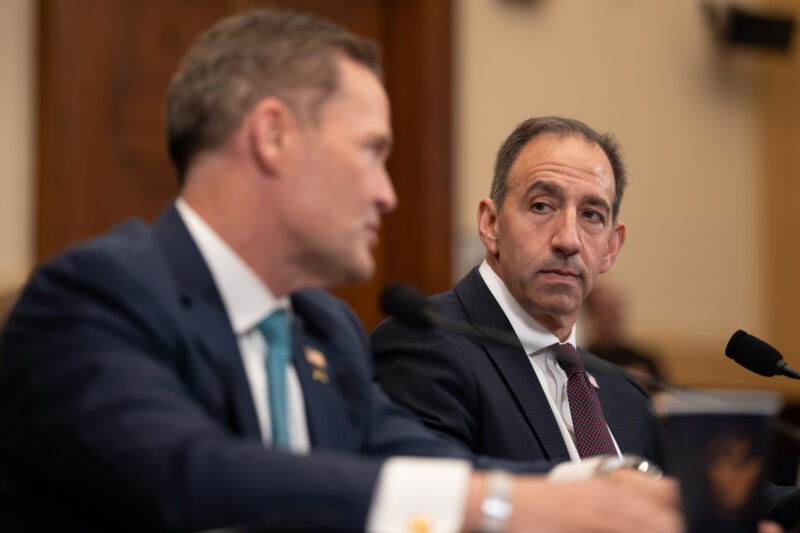
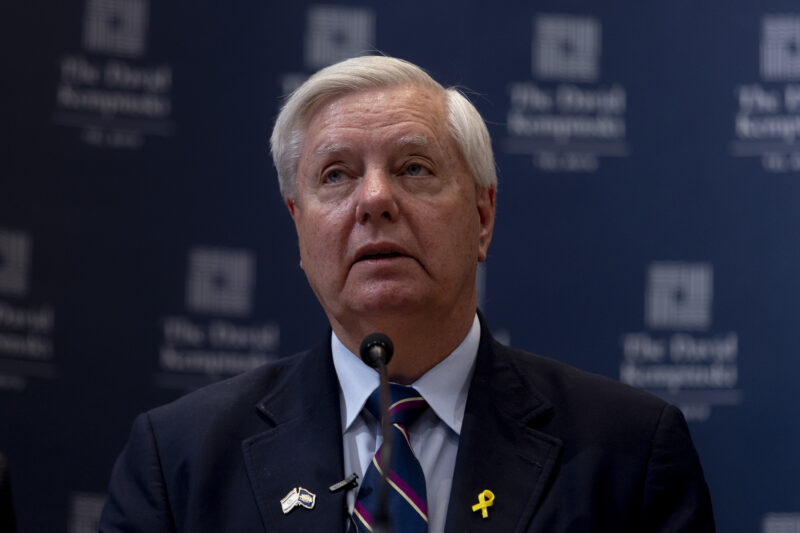
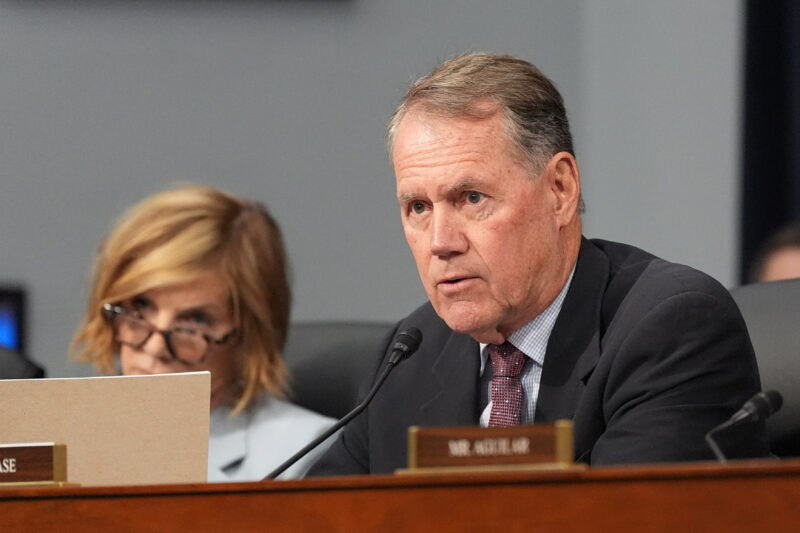
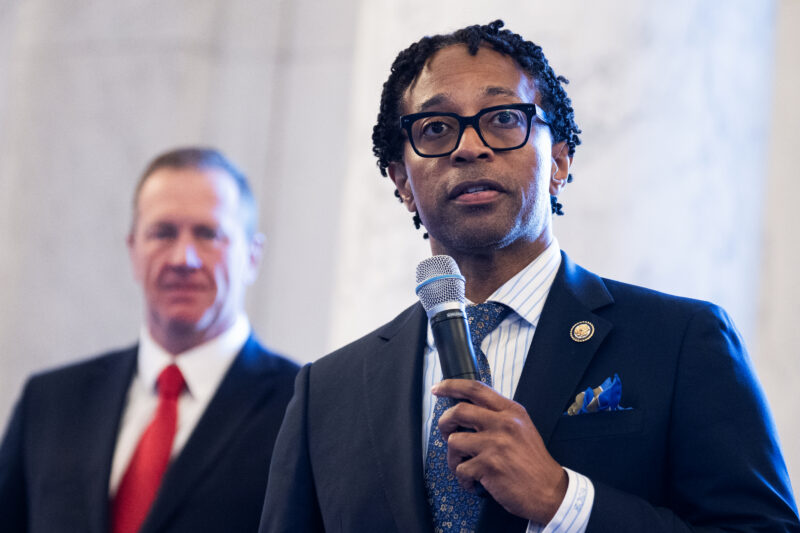
- Israeli Prime Minister Benjamin Netanyahu will meet with President Donald Trump at the White House this morning for their eighth such meeting during Trump’s second term. Read more below. Earlier, Trump is slated to meet separately with Ukrainian President Volodymyr Zelensky, before all the leaders — joined by others, including Israeli Opposition Leader Yair Lapid — make their way to the funeral of Sen. Lindsey Graham (R-SC).
- The Jewish Federations of North America is hosting a breakfast at its Washington office in honor of Graham, ahead of his funeral later today.
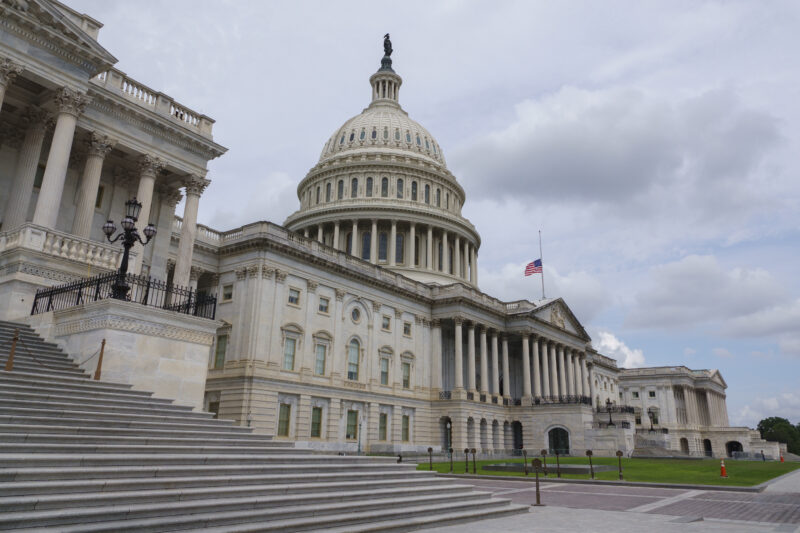
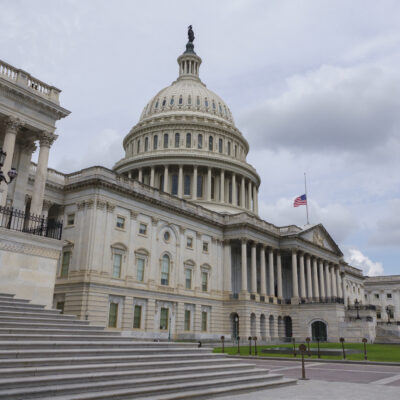
- Graham’s funeral will begin at the U.S. Capitol with a private ceremony and continue with a service at Washington National Cathedral, where remarks will be delivered by Trump, Fox News’ Sean Hannity and Emillie Boggs Roberts, Graham’s niece.
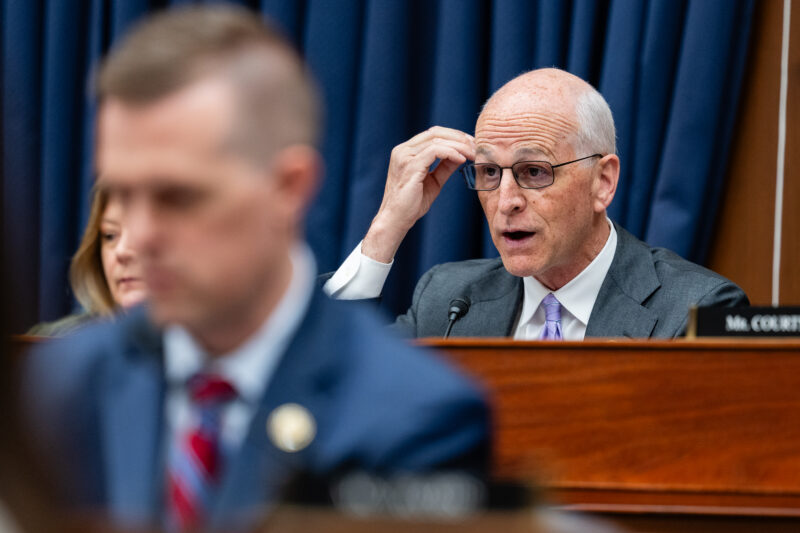
- The Senate is expected to hold votes on a number of issues including on Jay Clayton’s nomination to become director of national intelligence and on a procedural motion to begin consideration of Russia sanctions legislation championed by Graham before his death, which now includes Iran sanctions as well.
- This evening, Central Synagogue in Manhattan will hold a memorial service for Wesley LePatner, one year after the Blackstone executive and Jewish philanthropist was killed in a shooting at the firm’s Midtown headquarters.
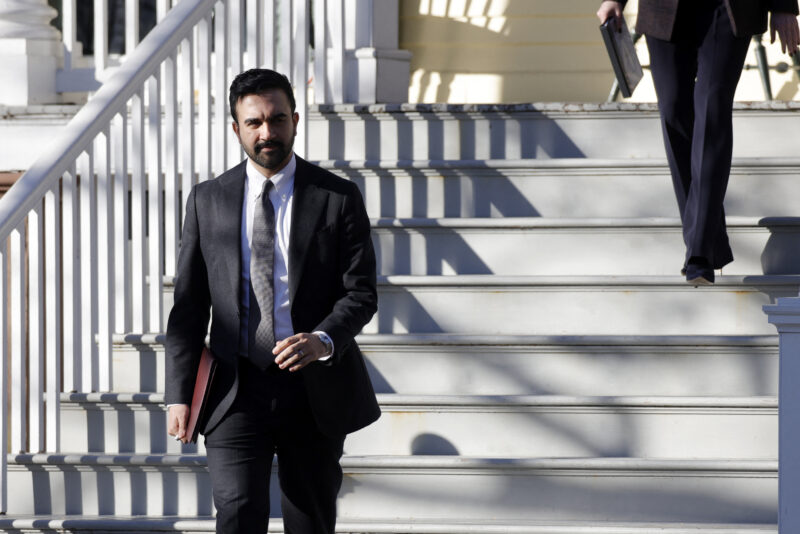
- The 20th Sami Rohr Prize for Jewish Literature will be awarded to Haaretz journalist Amir Tibon for his Oct. 7 memoir, The Gates of Gaza, this evening at a private ceremony in Jerusalem.
What You Should Know
A QUICK WORD WITH JI’S melissa weiss
For watchers of the U.S.-Israel relationship, the events of the last few days have had a familiar feel. On Friday, President Donald Trump suggested at the White House Correspondents’ Dinner that Iran would “love to make a deal. I don’t think they’re ready to. I don’t think it’s time yet, but I’m willing to listen.” Today, the president will meet at the White House with Israeli Prime Minister Benjamin Netanyahu as the countries weigh a military escalation with Iran.
The similarities to the dialogue surrounding Iran earlier this year are striking. In early February, Trump told reporters aboard Air Force One, “Iran looks like it wants to make a deal very badly.” Days later, Trump would meet at the White House with Netanyahu for talks focused on Iran. Weeks after that meeting, the U.S. and Israel launched joint military strikes against the Islamic Republic, kicking off a six-week war.
Despite the similarities around these two meetings — much has changed.
In the U.S., there is growing opposition among Americans to renewed military action against Iran — a sentiment that extends to some top military officials, including, reportedly, CENTCOM head Adm. Brad Cooper.
Public perception of Israel — and Israelis — has hit its most negative point in years, with Gen Z Americans across the political spectrum having significantly more favorable views of Palestinians than Israelis.
The numbers demonstrate the degree to which opinions on Israel and Iran — and the U.S. role in the region — have shifted in the five months since the war began. The domestic politics in the U.S. vis-a-vis Iran look very different than they did during the last Trump-Netanyahu meeting.
PRIMARY PLAYBOOK
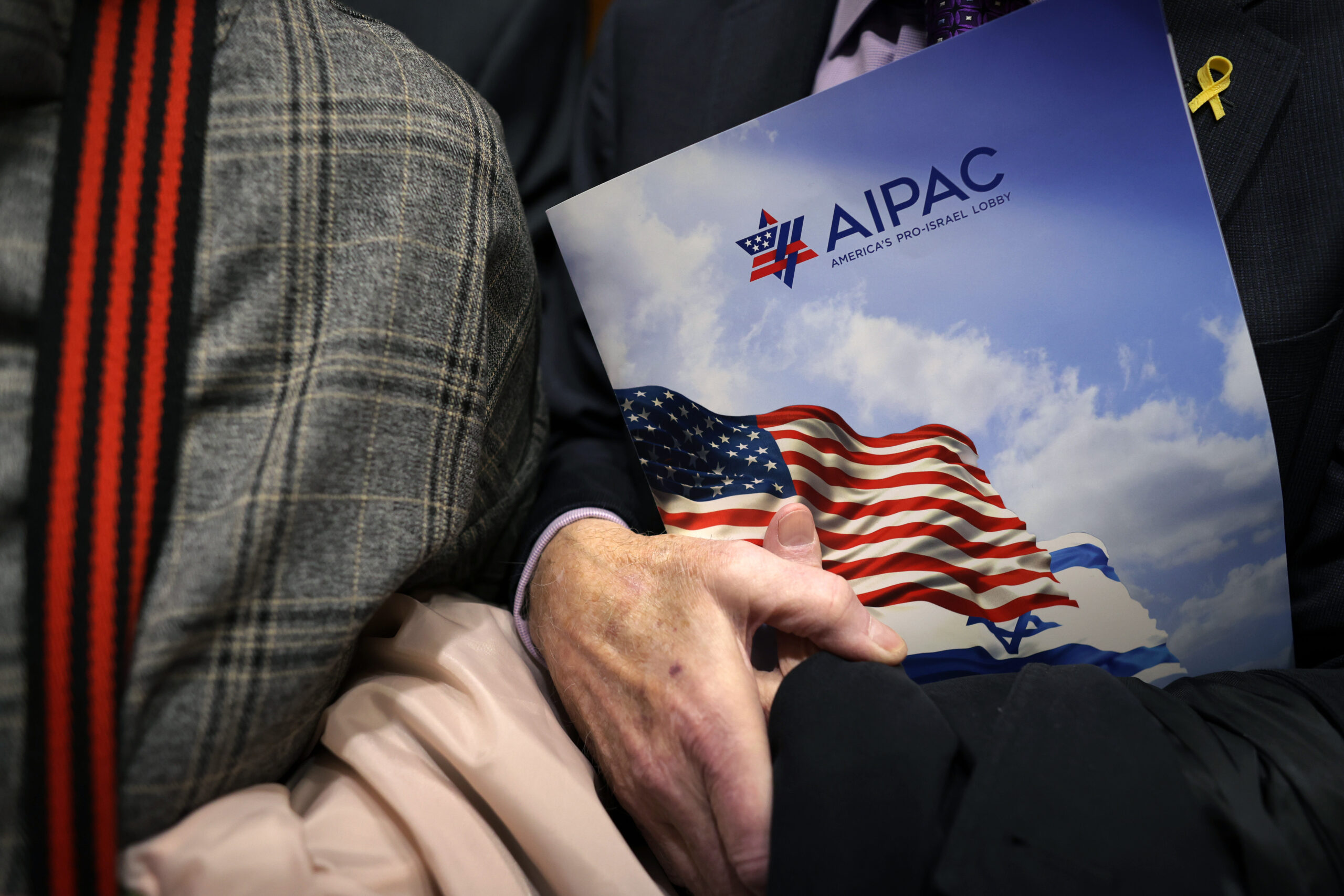
AIPAC reminds voters of far-left candidates’ hostility to Kamala Harris, Joe Biden

From Michigan to Missouri, where tensions between the Democratic Party’s moderate and far-left factions are playing out in high-profile contests for the House and Senate, AIPAC is hitting its anti-Israel opponents for their past criticism of former President Joe Biden and former Vice President Kamala Harris in an effort to portray the candidates as hostile to mainstream policy goals, Jewish Insider’s Matthew Kassel reports.
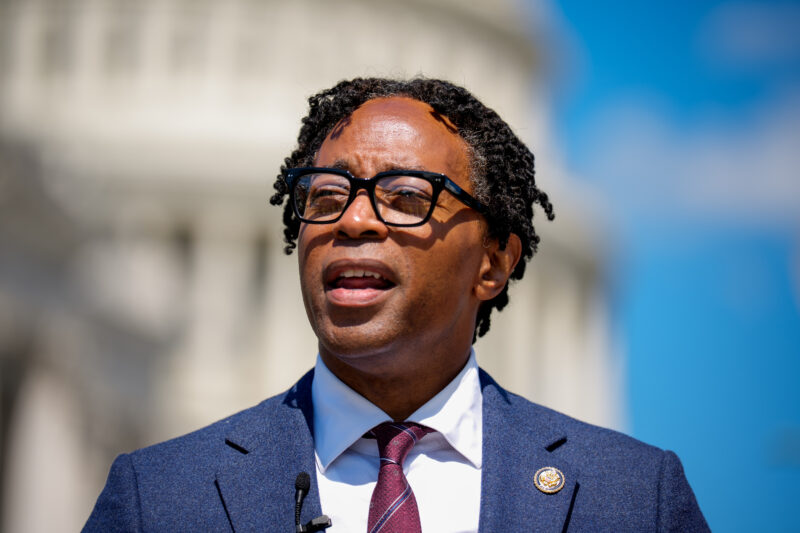
Messaging strategy: The tactic, which the AIPAC-linked United Democracy Project super PAC also deployed last election cycle in key races, dates back to at least 2021, when DMFI PAC, Democratic Majority for Israel’s political arm, had relentlessly attacked Nina Turner — a former Ohio state senator running for an open House seat in Cleveland on a platform that was critical of Israel — for remarks in which she had compared voting for Biden to eating a “bowl of s**t.” Now, UDP is reviving the playbook as it takes on former Rep. Cori Bush (D-MO), who is seeking a rematch against Rep. Wesley Bell (D-MO) after she lost her St. Louis House seat in 2024. In recent attack ads, UDP, which has spent over $2.5 million to boost Bell, is hitting Bush over past comments criticizing Biden and Harris, as well as her vote against the bipartisan infrastructure package while in Congress in 2021.
MICHIGAN MATCHUP
Israel, AIPAC take center stage in final Michigan Senate primary debate

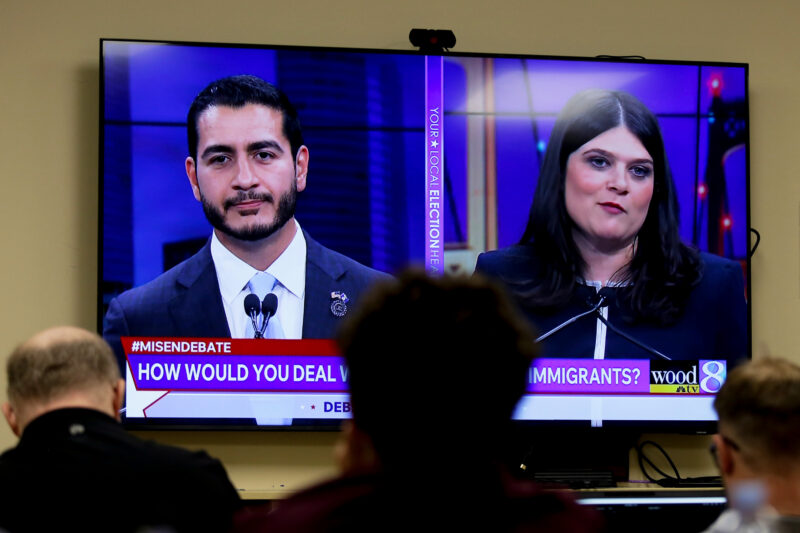
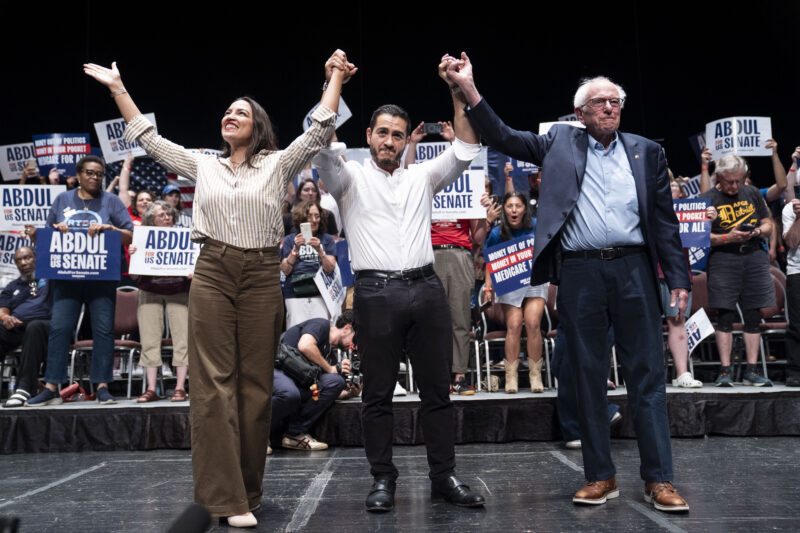
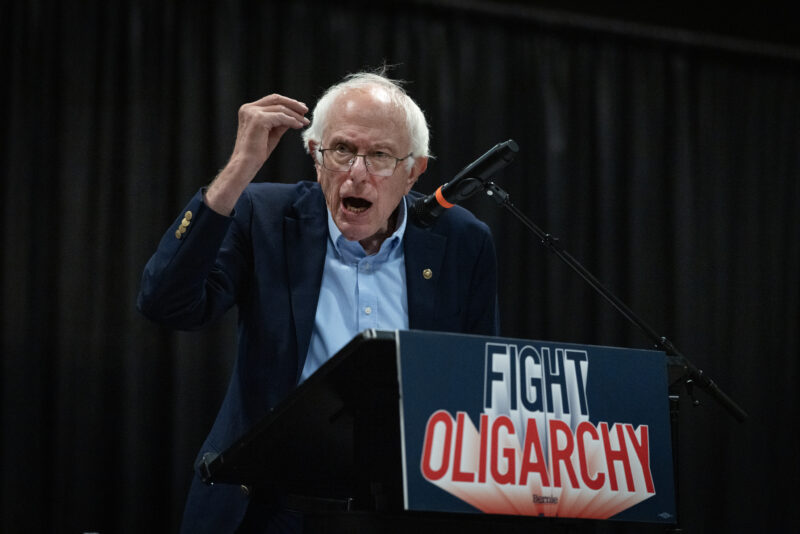
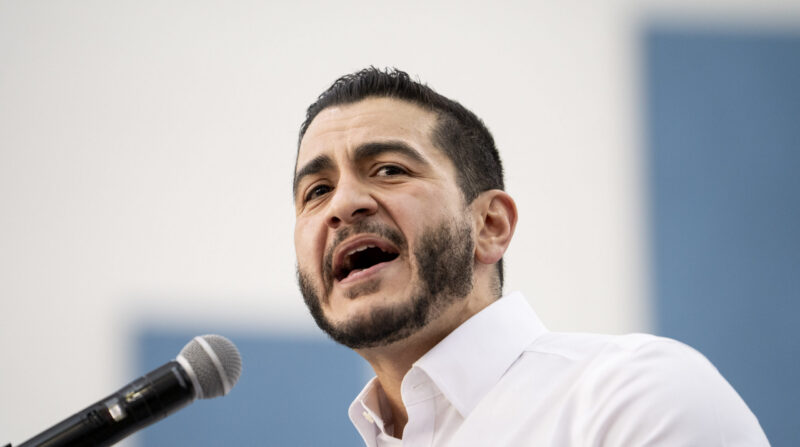
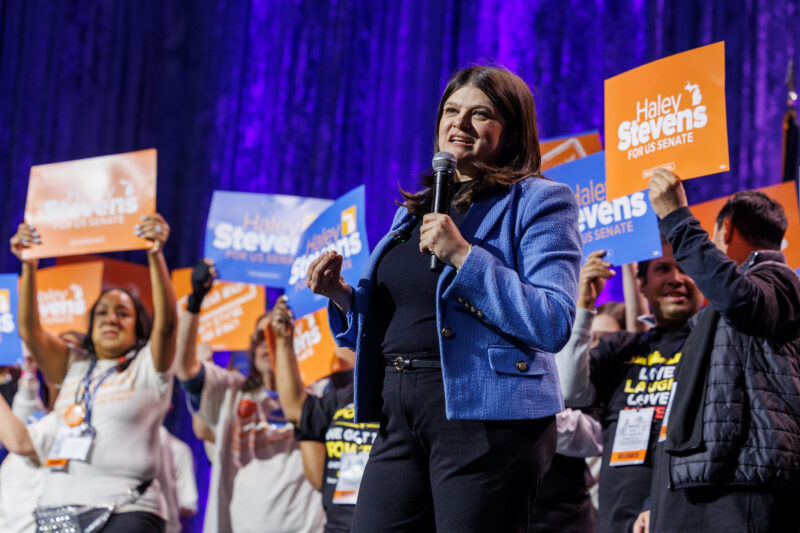
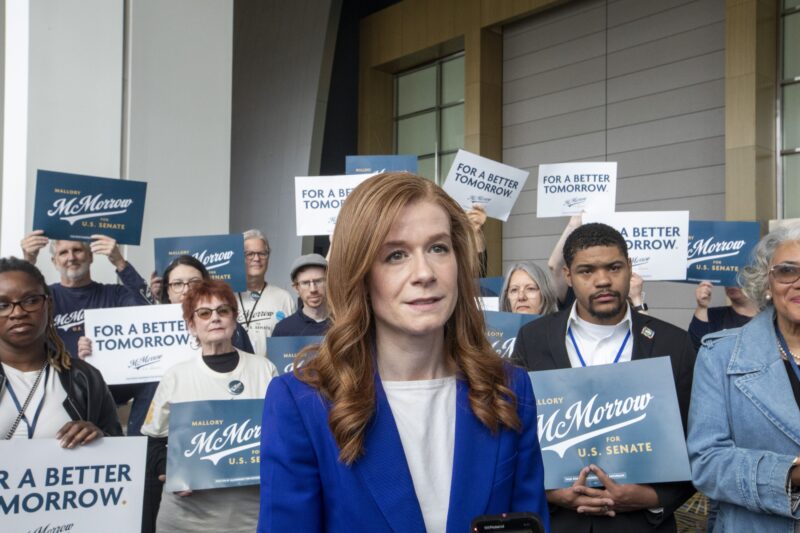
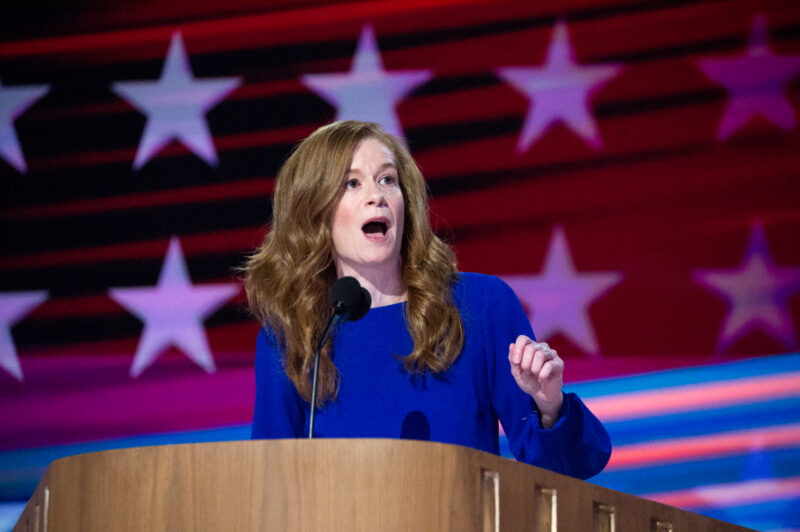
If Michigan’s Democratic Senate primary has become a test case for the saliency of AIPAC and Israel as a political issue for Democratic voters, then Monday night’s debate between Abdul El-Sayed, a far-left former public health official, and Rep. Haley Stevens (D-MI) served as the ultimate battlefield — and illustrated the gulf between the two candidates on the issue, Jewish Insider’s Gabby Deutch reports.
Debate recap: Over the course of an hourlong debate, El-Sayed made clear that he believes his opposition to AIPAC and to Israel will help him win next week’s election. Stevens, meanwhile, did not even utter the word “AIPAC.” Stevens outlined her views on the Middle East, arguing that she and El-Sayed diverge because she supports a two-state solution to the Israeli-Palestinian conflict while he has not acknowledged Israel’s right to exist as a Jewish state. She touted her support for Michigan’s Jewish community and mentioned the work she did to advocate for the hostages after the Oct. 7, 2023, Hamas attacks on Israel.
TEMPERATURE CHECK
Mamdani refuses to engage with calls to tone down Israel rhetoric after UWS stabbing
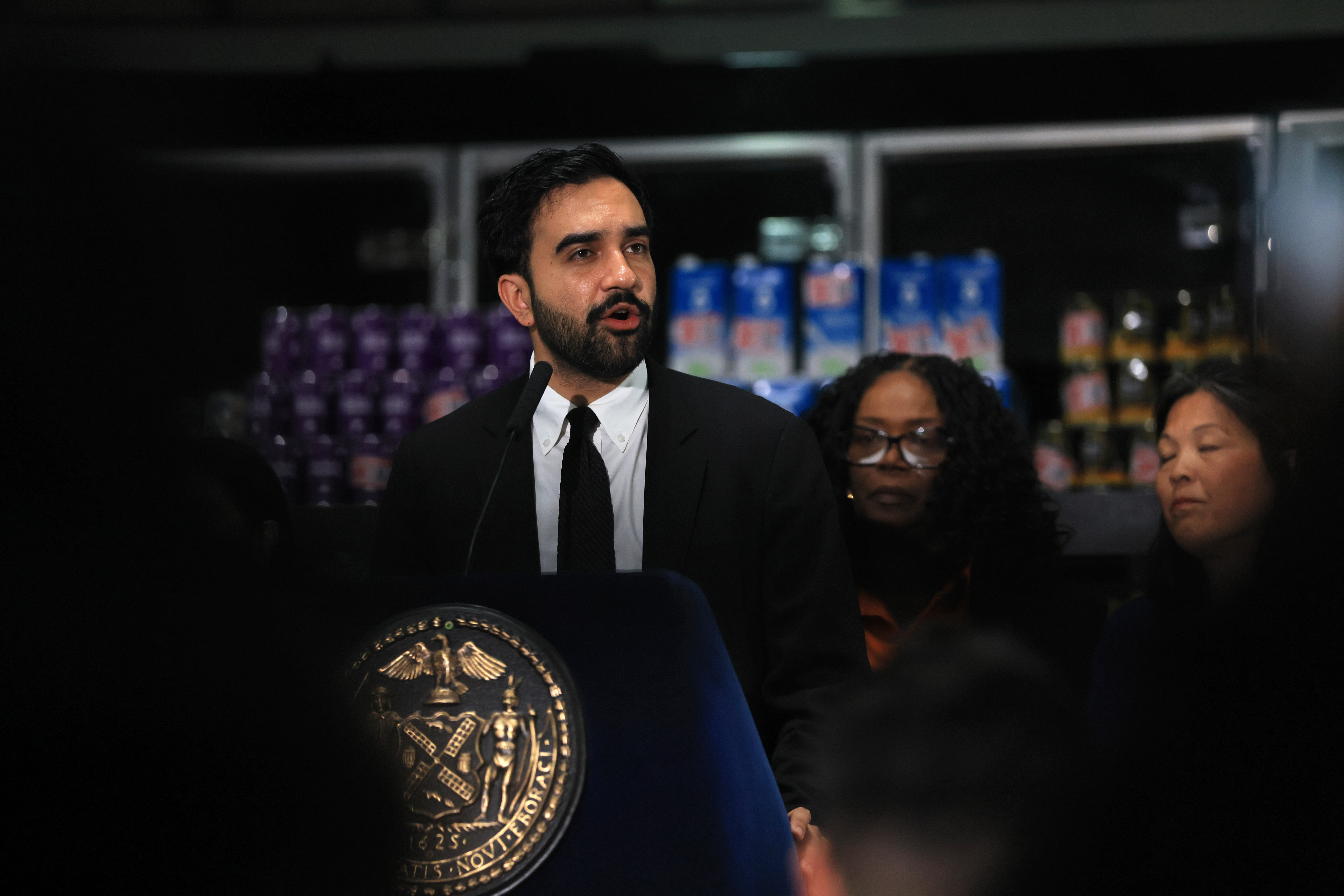
Days after an alleged hate crime against a Jewish person in Manhattan, New York City Mayor Zohran Mamdani refused to engage with suggestions from various corners that he de-escalate his rhetoric around Israel — or speak to why he continued publicly toying with arresting Israeli Prime Minister Benjamin Netanyahu well after city attorneys told him he couldn’t, Jewish Insider’s Will Bredderman reports.
Dismissing questions: A number of Jewish leaders linked the attack to the mayor’s recent denunciations of Netanyahu and the Jewish state, and even a fellow Democrat signaled at a press conference on Friday morning that Mamdani should “take the temperature down.” Netanyahu himself, whom Mamdani excoriated in a widely watched video last week, accused the mayor of “fomenting hate” in a Sunday appearance on Fox News. But the mayor declined to substantively engage with any of these criticisms when pressed by reporters on Monday. “I’m not interested in getting into a back-and-forth with Prime Minister Netanyahu,” the mayor said.
SHEIKH SHIVA
Qatar’s emir publicizes his meeting with a group of rabbis in Doha
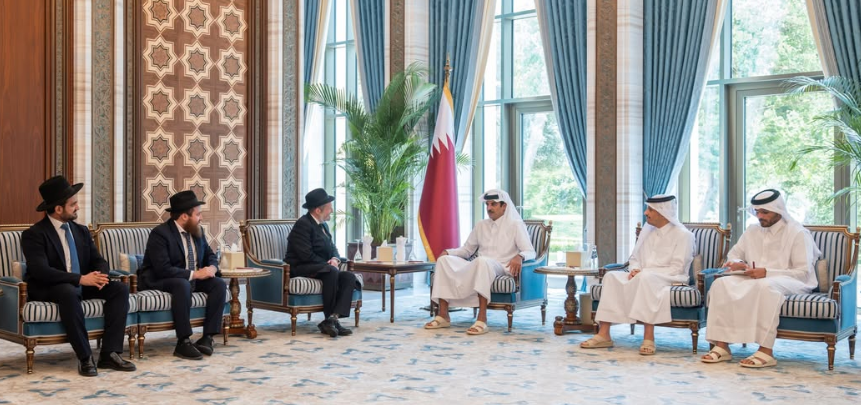
Qatari Emir Sheikh Tamim bin Hamad Al Thani hosted a group of rabbis on Monday at Lusail Palace in Doha. Rabbi Mendy Chitrik, chairman of the Alliance of Rabbis in Islamic States, led the delegation along with his son, Rabbi Eliyahu Chitrik, who organizes Jewish communal programming in Qatar. They were joined by Rabbi Yehuda Gerami, the chief rabbi of Iran, Jewish Insider’s Haley Cohen reports.
Making it public: The emir’s office publicized the meeting, posting on the palace’s social media account that the delegation offered condolences on the death of the emir’s father and predecessor, Sheikh Hamad bin Khalifa Al Thani. Qatari Prime Minister Sheikh Mohammed bin Abdulrahman Al Thani also attended the meeting. The emir’s decision to publicize the visit on his official channels is a rare public acknowledgment of Jewish communal ties by a Gulf state that has no formal relations with Israel and funds the news outlet Al Jazeera, which amplifies narratives hostile to the Jewish state.
COALITION CALCULUS
Lapid blames Netanyahu for Israel’s isolation, vows reset if he returns to gov’t
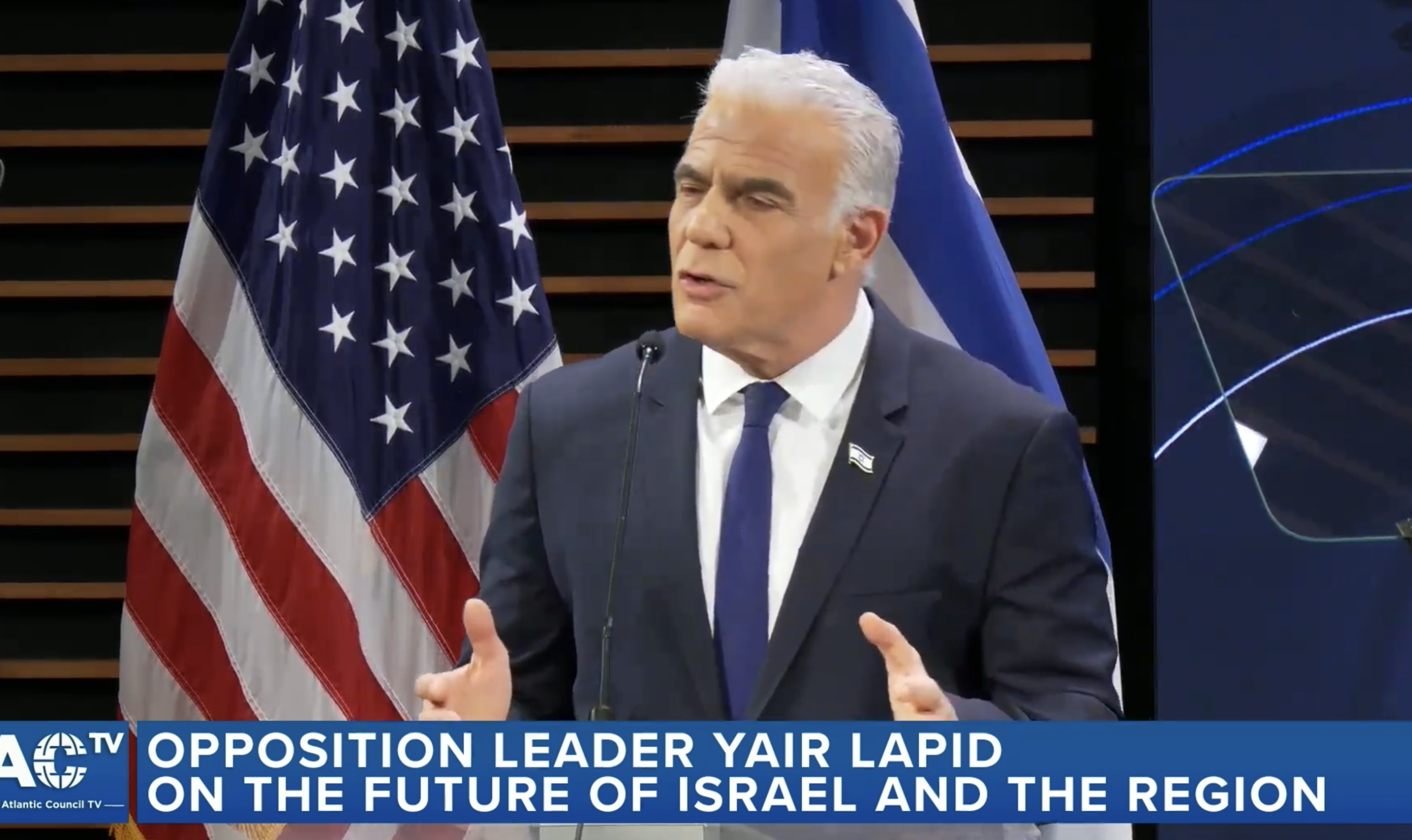
Addressing the Atlantic Council in Washington, former Israeli Prime Minister Yair Lapid presented his case on Monday for Israel’s diplomatic future should his opposition bloc form the country’s next government after the upcoming elections. Lapid argued that Israel is increasingly isolated diplomatically and feuding with its allies — which he blamed primarily on Prime Minister Benjamin Netanyahu and his coalition — and he recommended that Jerusalem adopt a more measured and bipartisan approach going forward, Jewish Insider’s Marc Rod reports.
What he said: Lapid said that Israel can’t act on the world stage with the same impunity that the United States can, that it needs to listen to its friends around the world instead of writing them off. The Jewish state, he continued, should never fund digital influence operations against American leaders, should stay out of American partisan politics and must rebuild its relationships with Europe. “Iran is an enemy. Hezbollah is an enemy. Hamas is an enemy,” Lapid said. “France is not the enemy. Sweden is not the enemy. [Sens.] Elizabeth Warren [D-MA], Jon Ossoff [D-GA] and Tim Kaine [D-VA] are not the enemy. The Democratic Party is not the enemy. [Vice President] JD Vance is not the enemy.”
CANDIDATE CORNER
Moskowitz challenger runs on military record in contested GOP primary
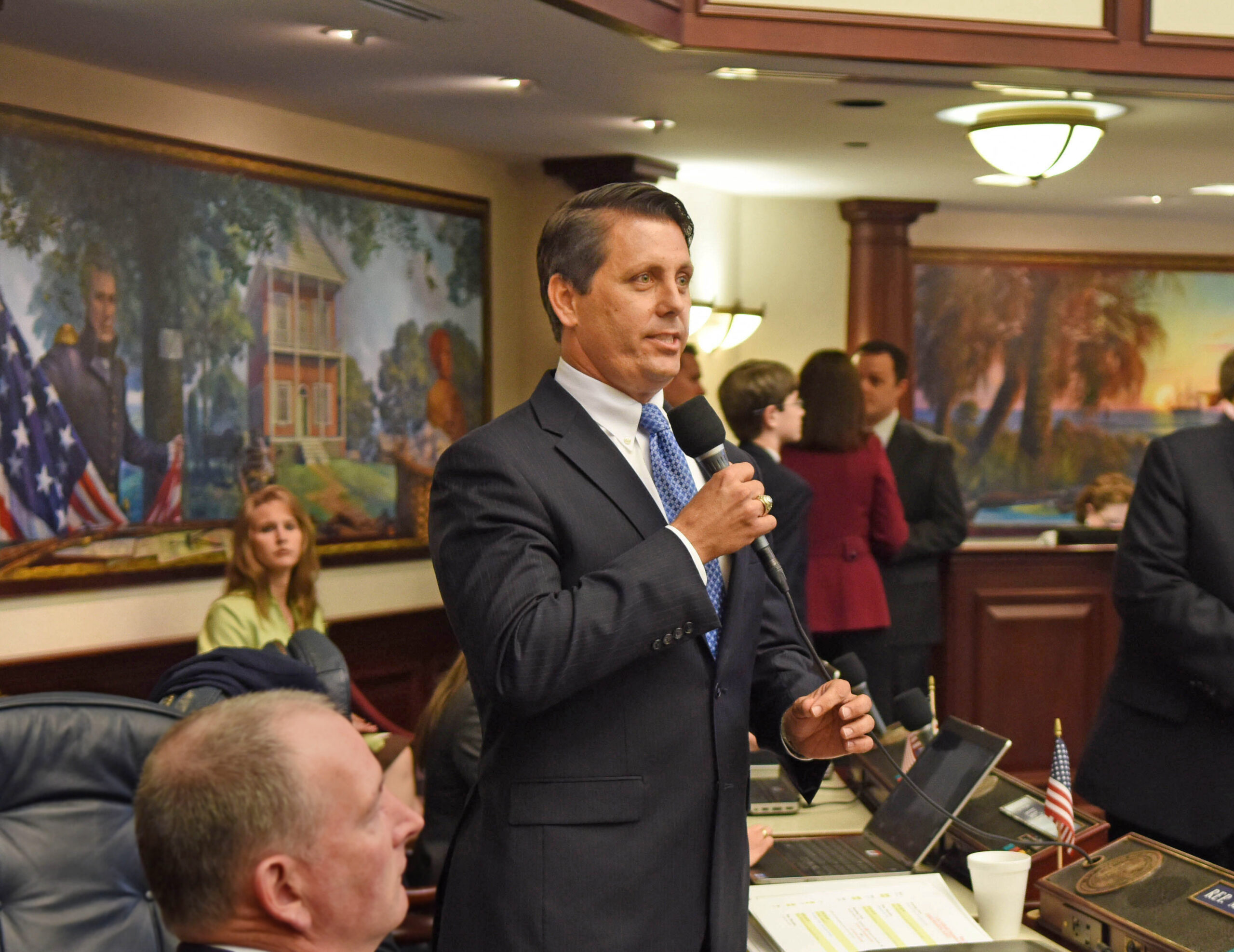
Former Florida state Rep. George Moraitis is hoping that a bipartisan approach and his background in the Statehouse and as a military veteran will make him a formidable candidate to take on Rep. Jared Moskowitz (D-FL) in South Florida in November. Moraitis is running in the Republican primary in Florida’s 25th Congressional District against former Boca Raton Mayor Scott Singer, who is Jewish, and businessman Dan Franzese, Jewish Insider’s Marc Rod reports.
Moraitis’ pitch: In the general election, the winner will face Moskowitz — or his socialist primary challenger — in the district redrawn to favor Republicans. Moraitis told JI he spent his “whole life in public service,” serving in the Navy on submarines and as a state representative. He said he wants to work to “restore the American dream,” protect U.S. national security and defend “our God-given freedoms” of worship, speech and assembly, including combating rising antisemitism, as well as what he described as efforts to shut down churches and Christian prayer.
Worthy Reads
Winning the Battle, Losing the War: The Atlantic‘s Franklin Foer argues that Israeli Prime Minister Benjamin Netanyahu has squandered his role as “the guardian of Israel’s standing in America.” “Netanyahu aggressively confronted the military threats — but proceeded to lose on the battlefield that made his career. He had risen to power by persuading Americans on the correctness of his cause, but came to govern as though persuasion were futile, as if his father had been right all along. He never seemed to recognize that his old successes had come amid tailwinds: the Cold War, the wars on terror, decades when America was predisposed to sympathize with Israel’s case. When the zeitgeist turned, Netanyahu did not adjust the argument. He concluded there were no minds to change: The hatred of the Jewish state was immutable. Under Netanyahu, Israeli public diplomacy has treated each new critic not as someone to be persuaded or corrected, but as an anti-Semite revealed.” [TheAtlantic]
A Home for Hate: Matthew Hennessey writes in The Wall Street Journal‘s “Free Expression” newsletter that New York City Mayor Zohran Mamdani’s recent invective against Israeli Prime Minister Benjamin Netanyahu was an “antisemitic smoke signal.” “Campaign crowds ate it up when Mr. Mamdani said he was going to make the NYPD enforce the International Criminal Court’s dubious arrest warrant for Mr. Netanyahu. Mr. Mamdani must have loved the buzz. Were he more experienced, or less of a zealot, he might realize that being mayor comes with responsibilities that a rabble-rouser in a kaffiyeh never needs to consider. … Mr. Mamdani and his allies play definitional games: We aren’t antisemitic, they say, only anti-Zionist. … You may think you’re making a clever distinction, or that your limp assertions about hate having no home in the city will absolve you of all blame when someone believes what you say and starts trying to kill Jews while shouting ‘Allahu akbar.’ It won’t.” [WSJ]
Surrender to Socialism: Axios co-founders Jim VandeHei and Mike Allen lay out the six stages of “political surrender,” warning the Democratic Party might be on its way to capitulating to socialism. “Republicans didn’t decide to become President Trump’s party. They surrendered to him, one stage at a time, over a decade, in plain sight. Democrats swear that socialism’s growing grip on their party is different, and can be contained. The early signals suggest otherwise. Why it matters: Party transformations follow a predictable six-stage evolution — recoil, squint, rationalize, submit, amplify, and purge. Each stage has language you can hear long before you see it in the votes. Republicans just finished the full cycle. Democrats might be starting it.” [Axios]
Forbidden Fruit: Designer and brand strategist Debbie Millman posits in The New York Times that guidelines around AI usage should follow those of Kabbalah, which many are encouraged not to study until they reach the age of 40. “We do not wait for children to turn 16 to hand them car keys because cars are evil, and we do not insist that surgeons train for years because scalpels are immoral. We build thresholds around powerful things because power requires judgment, and judgment can’t be downloaded or installed. Before a person asks a machine to write for them, they should know what it feels like to write from the depths of their own uncertainty and identity. Before a person lets a machine imitate their voice, they should have endured the long, uneven, often humiliating process of acquiring one.” [NYTimes]
Word on the Street
Israeli Prime Minister Benjamin Netanyahu will reportedly present intelligence to President Donald Trump at their meeting on Tuesday showing that Iran is rebuilding its military capabilities and pursuing a nuclear bomb at an accelerated pace, according to Israel’s Channel 12…
Asked about Netanyahu’s opposition to the U.S.’ planned sale of F-35 fighter jets to Turkey, Trump told reporters on Monday, “Turkey’s been a great ally — for me. … Nobody tells me what we should be selling,” a clip that the White House’s rapid response social media account posted to X…
Saudi Arabia intercepted drones launched by Iran-backed militias in Iraq on Monday, which were targeting oil facilities in the country’s Eastern Province and in Riyadh, the Saudi Defense Ministry said in a statement. Israel, Jordan and Iraq also reported drone attacks on Monday…
Senate Majority Leader John Thune (R-SD) said that he wants to include a significant increase in defense funding when the Senate takes up the budget reconciliation bill recently passed by the House, which is aimed in part at covering expenses related to the Iran war…
Next week’s talks between Israel and Lebanon, to be held again in Rome, will focus on expanding the “pilot zone” process in southern Lebanon, resolving “all outstanding border issues” and working towards a comprehensive peace agreement, a State Department official said…
Iranian authorities publicly hanged two men who were found guilty of attacking two police officers during anti-regime protests earlier this year, Iran’s judiciary said on Tuesday…
Far-right commentator Laura Loomer told Politico she would “like to serve as an envoy” to Trump on foreign policy, after the death of Sen. Lindsey Graham (R-SC), who had held a similar role in Trump’s orbit…
Former Congressional Black Caucus Chair Rep. Steven Horsford (D-NV), a relative moderate, joined several left-wing CBC members in endorsing Donovan McKinney, who is challenging Rep. Shri Thanedar (D-MI)…
Former New York City Mayor Eric Adams is being sued by an ex-staffer over allegations that she was discriminated against because she is Palestinian, claiming that Adams had adopted a strict anti-Palestinian stance after the Oct. 7, 2023, Hamas attacks. The aide, Hasibe Rashid, is asking for the court to reinstate her as a policy advisor in Mayor Zohran Mamdani’s office…
Several Jewish legal organizations sent Mamdani a letter protesting the makeup of his 18-person judicial nominating advisory committee, which contains no Jewish representation…
In an opinion piece in the Jewish Telegraphic Agency, William Daroff and Betsy Berns Korn, the CEO and chair of the Conference of Presidents of Major American Jewish Organizations, decry Mamdani’s repeated claim that Israel committed a “genocide” in Gaza, comparing it to medieval blood libels…
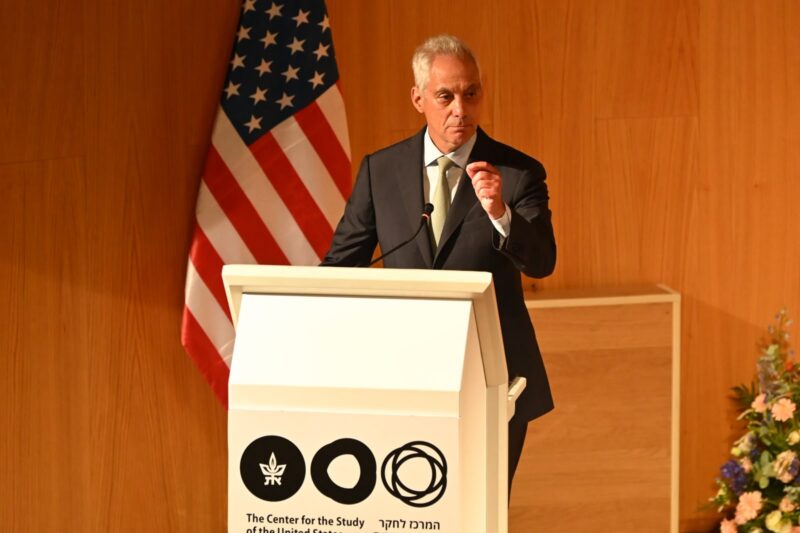
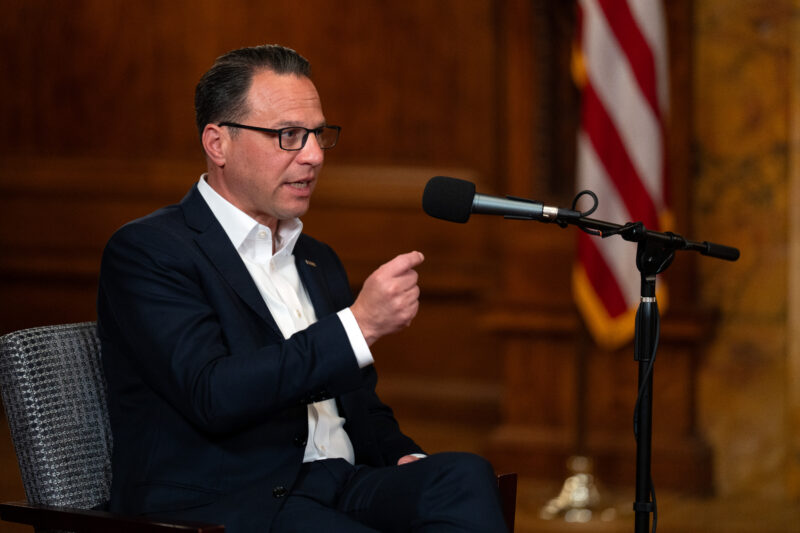
Former Chicago Mayor Rahm Emanuel told Politico he heard from Vice President Kamala Harris, former House Speaker Nancy Pelosi (D-CA), House Minority Leader Hakeem Jeffries (D-NY), Sen. Chris Coons (D-DE), Pennsylvania Gov. Josh Shapiro and GOP Utah Gov. Spencer Cox after his speech laying out his Israel policy at Tel Aviv University earlier this month, saying they were “all very affirmative and all appreciative”…
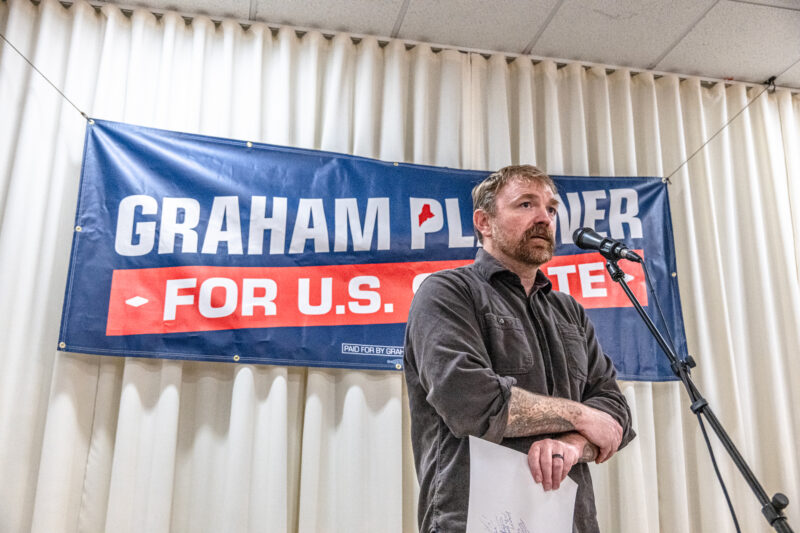
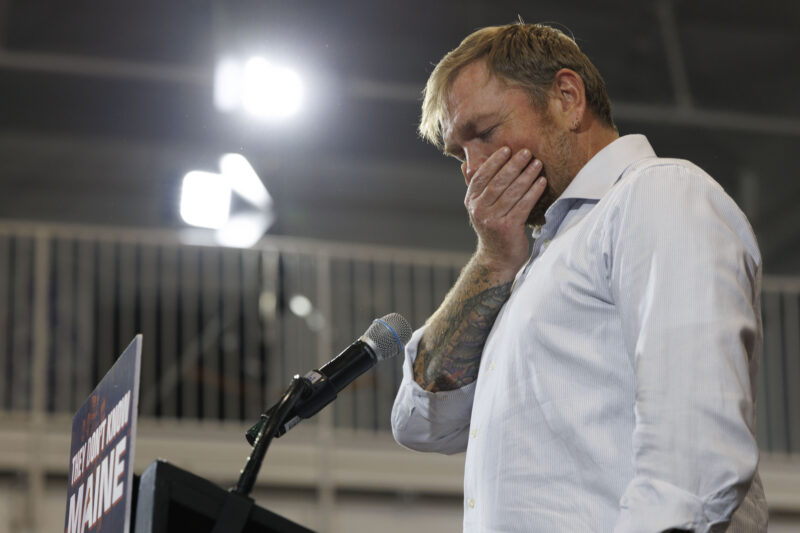
Daniel Moraff, the political consultant who helped recruit failed Maine Senate candidate Graham Platner before Platner’s campaign collapsed following a rape allegation, was himself accused of sexual assault: One former romantic partner told The Handbasket that Moraff had sex with her in 2019 in spite of her repeated objections and the former campaign manager for Rep. Summer Lee (D-PA) said Moraff was barred from Lee’s 2022 campaign due to six allegations of sexual misconduct, including at least one of sexual assault…
David Fox, the dealmaker credited with building Kirkland & Ellis into the world’s biggest law firm, has now launched Irving, a law firm primarily driven by AI, and is building a center for AI at Hebrew University’s law school…
In The Free Press, Casey Babb reports on a spike in emigration of Jewish Canadians due to heightened antisemitism in the country…
The New York Times profiles Sammy Nussdorf, the Jewish 29-year-old who parlayed his family’s business acumen and his TikTok account into Meadow Lane, a viral Lower Manhattan gourmet market that pulled in $3 million in its first 90 days…
“Mazel Tough,” a new romantic comedy series about modern dating in the Jewish community, will feature Jewish stars Alex Rich, Adam Shapiro, Michael Vlamis and Jonathan Lipnicki…
British musician Boy George released a new single defending Israel’s actions in the aftermath of the Oct. 7, 2023, Hamas-led attacks. Posted to his X account with the hashtag “Shalom,” the song is titled “We Will Dance Again,” a mantra used by survivors of the Nova music festival massacre…
Pic of the Day
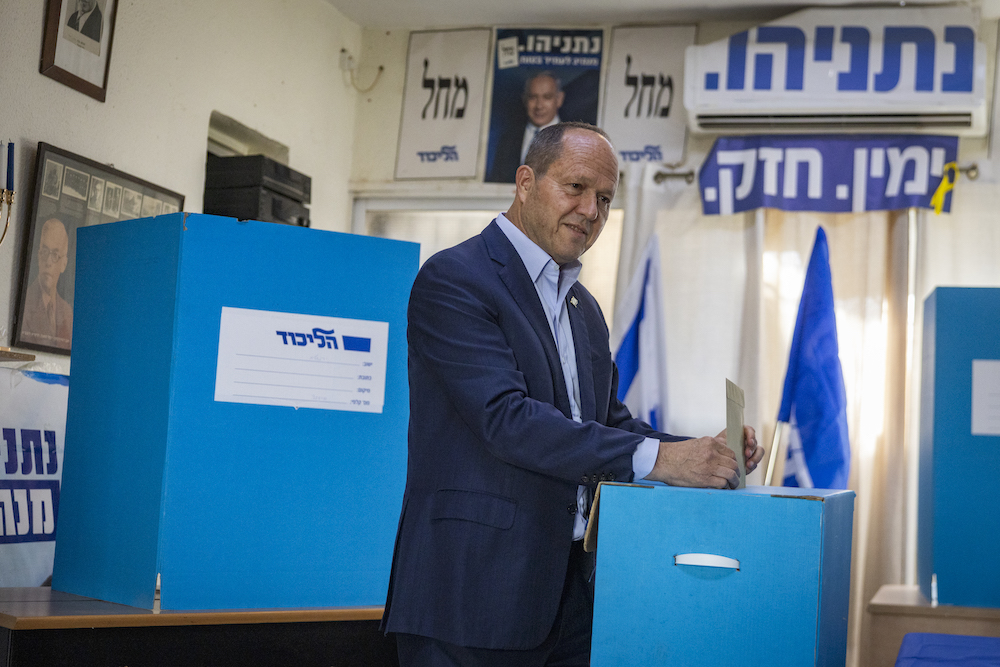
Israeli Minister of Economy and Industry Nir Barkat voted in the Likud party’s internal elections on Monday in Jerusalem.
The Likud Central Committee approved a proposal that grants Israeli Prime Minister Benjamin Netanyahu eight reserved slots in the top 29 places on the list, significantly increasing his control over the party’s slate.
Birthdays

Actor and reality show personality, Elizabeth Berkley Lauren turns 54…
Survivor of Auschwitz-Birkenau as a teen, he emigrated to Israel and became an artist, Yehuda Bacon turns 97… Chicago radio and television news personality, Walter David Jacobson turns 89… U.S. District Court judge in Manhattan, then U.S. attorney general during the Bush 43 administration, now of counsel at the international law firm of Debevoise & Plimpton, Michael Mukasey turns 85… Swedish industrialist, chairman of the Nobel Foundation (manager of the Nobel Prize) from 2005 to 2013, Marcus Storch Ph.D. turns 84… In 1986 she became the first woman in the IDF to hold the rank of brigadier general, she then served as a member of Knesset, and now serves on multiple for-profit and nonprofit boards, Amira Dotan turns 79… Tax professional, Joe Pollak turns 76… President of the Council on Foreign Relations for 20 years until he retired in 2023, Richard N. Haass turns 75… Tel Aviv-born real estate developer, he has restored many historic buildings in Downtown Los Angeles, Izek Shomof turns 67… Partner and managing director of Meadow Lane Advisors, he serves on the board of American Jewish World Service, Marty Friedman… French-Israeli hairdresser and entrepreneur, Michel Mercier turns 65… American schoolteacher, wrongfully detained by Russia in 2021, he was released in the early weeks of the Trump 47 administration, Marc Hilliard Fogel turns 65… Talent booker, publicist and television and radio personality in Atlanta, Mara Davis turns 57… Tech entrepreneur who has invested in more than 100 startups, New York Times best-selling author, Joshua M. “Josh” Linkner turns 56… Co-founder of the personal genomics and biotechnology company 23andMe, she recently regained control of the company, Anne Wojcicki turns 53… Inaugural Jewish life venture fellow at the William Davidson Foundation, now deputy CEO at UpStart, Jennifer Lew Goldstone… Jerusalem-born actor with more than 30 movie and television roles in the U.S., Ori Pfeffer turns 51… Associate justice of the Supreme Court of California, Leondra Kruger turns 50… Israeli journalist and former member of the Knesset, Ksenia Svetlova turns 49… Managing partner at Altitude Ventures, a healthcare venture capital firm, he served as White House Jewish liaison from 2005 to 2007, Jay Zeidman… Senior reporter at Bloomberg News, Laura Nahmias… CEO and CTO at Diagnostic Robotics in Jerusalem, the firm produced an app for managing COVID-19 patients during the pandemic, Kira Radinsky Ph.D. turns 40… VP of player personnel at MLB’s Miami Marlins, Samuel Mondry-Cohen… Director of operations at Elite Healthcare Consultants, Menachem “Mark” Perl… Actor and producer who stars in the CBS series “Ghosts,” Asher Chazen Grodman turns 39… Staff writer at The New Yorker, Ruby Cramer… Larry Gordon…





Please log in if you already have a subscription, or subscribe to access the latest updates.
 Continue with Google
 Continue with Apple