

































U.S., Iran indicate deal is emerging while disputing reported terms
Trump reposted a statement by Iran’s foreign minister saying a deal has ‘never been closer’ while urging the media to refrain from speculation about its terms
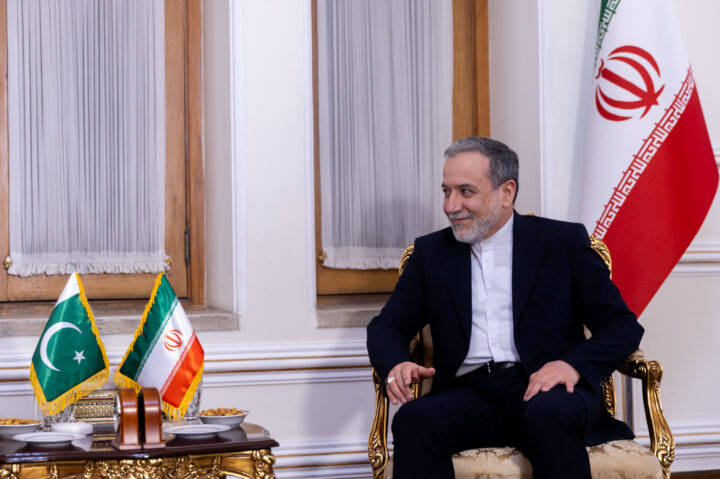
Foad Ashtari/SOPA Images/LightRocket via Getty Images
Iranian Foreign Minister Abbas Araghchi


 Add JewishInsider on Google
Despite initially conflicting claims emerging from the White House and Iranian state media about the contents and timing of a memorandum of understanding between the parties, there were indications on Friday that the gaps between the two sides could be closing.
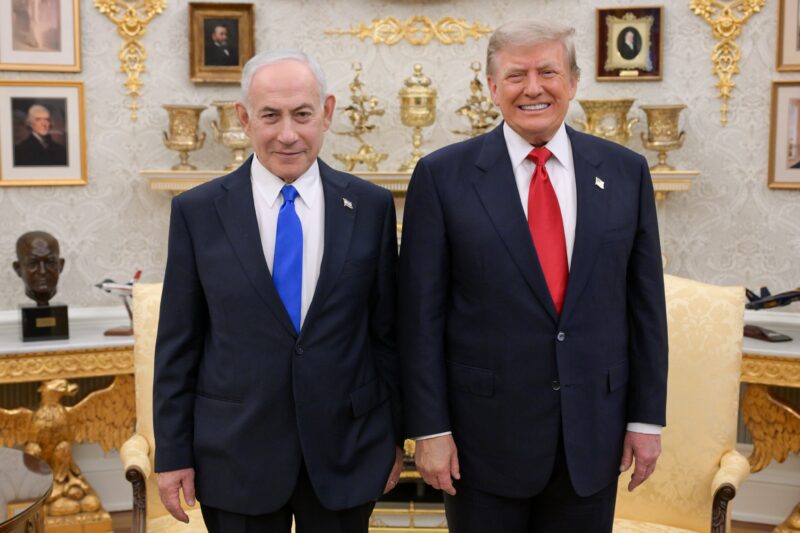
Prime Minister of Pakistan Shehbaz Sharif confirmed that a “final and agreed version of the peace agreement has been achieved,” while Iranian Foreign Minister Abbas Araghchi said on X that the memorandum of understanding “has never been closer,” a screenshot of which President Donald Trump reposted directly onto Truth Social.
Terms of the deal, first reported by Axios, include that the Strait of Hormuz would be reopened immediately without tolls and that the ceasefire would be extended for 60 days, including halting Israel’s military action in Lebanon. While the current text includes a framework for addressing Iran’s enriched uranium stockpile, any binding restrictions on its nuclear development would depend on a second, more detailed accord, according to the outlet.
A White House official indicated on Friday that under the broader terms being discussed, Iran’s nuclear material would eventually be destroyed and removed from the country, its nuclear program dismantled and its funding of regional militant groups halted. Frozen Iranian assets would be released upon verified performance of those key metrics.
Iranian state media, however, had reported a vastly different version of the deal, in which Iran would retain control over the strait and receive $300 million from the U.S. for reconstruction, as well as the suspension of sanctions and withdrawal of U.S. forces from the region — among other U.S. concessions.
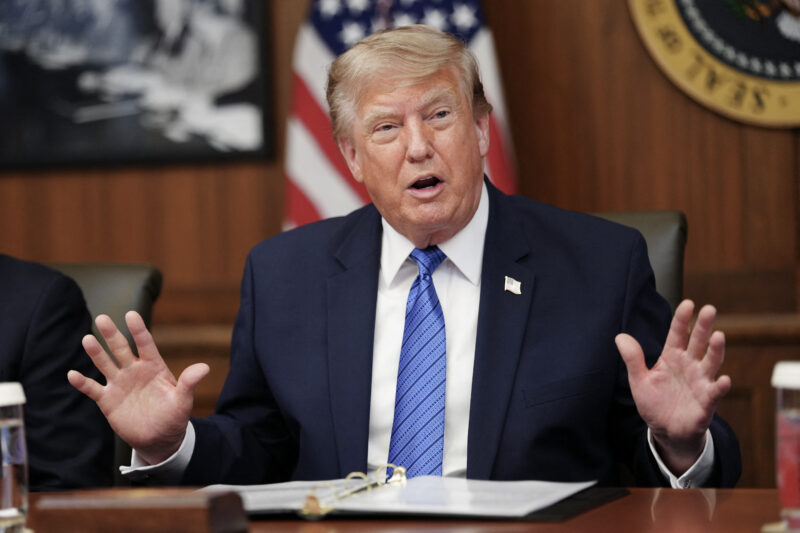
Trump rebuffed news of the deal’s provisions on Truth Social, writing that “the terms that Iran leaked out to the Fake News have NOTHING to do with the terms that were agreed to, in writing.” Trump reportedly had asked the Iranians to issue public clarification over the Iranian state media reports.
“Very dishonorable people to deal with,” Trump said of the Iranians. “With them, there is no such thing as dealing in good faith.”
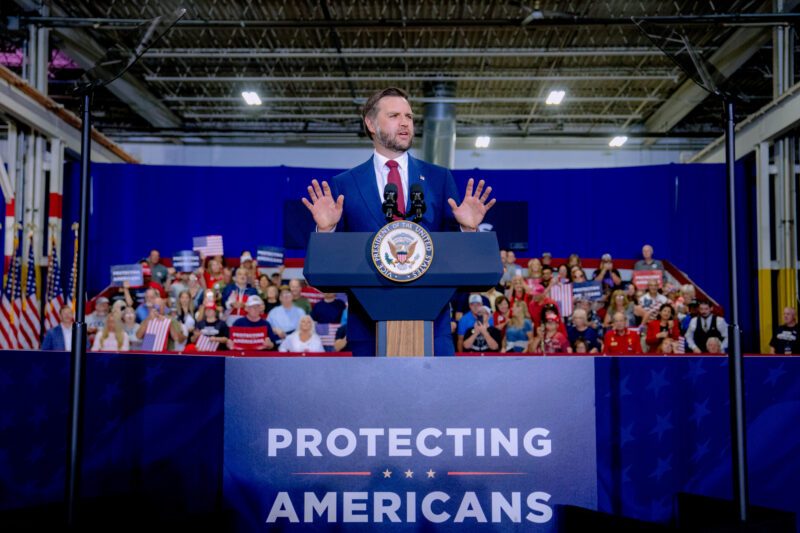
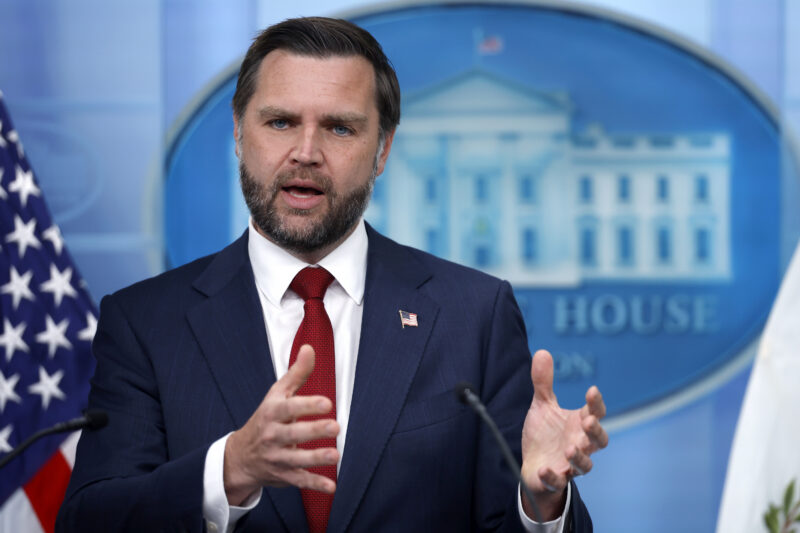
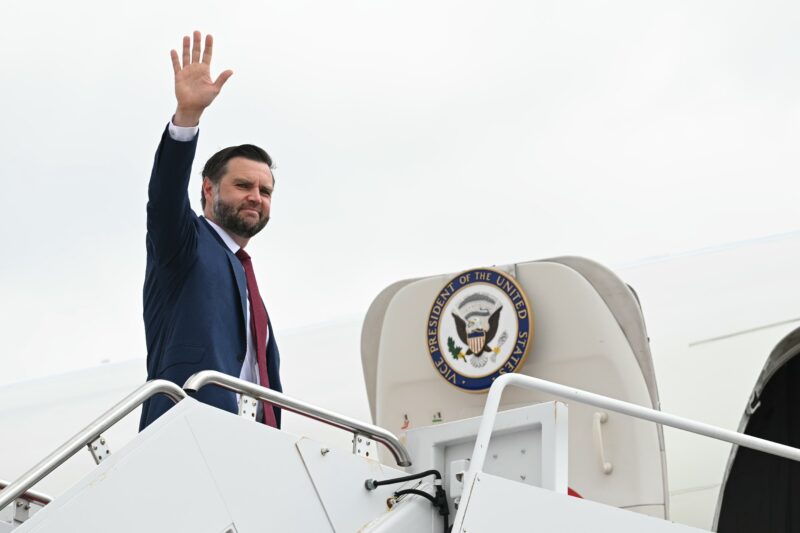
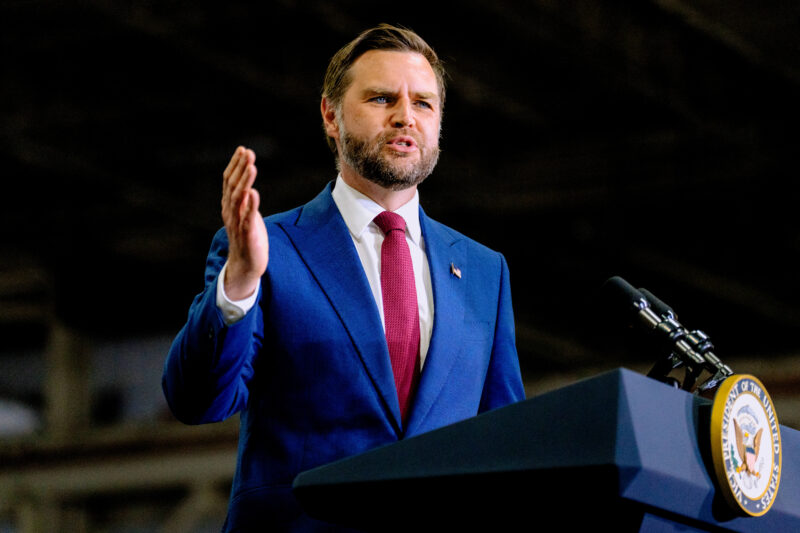
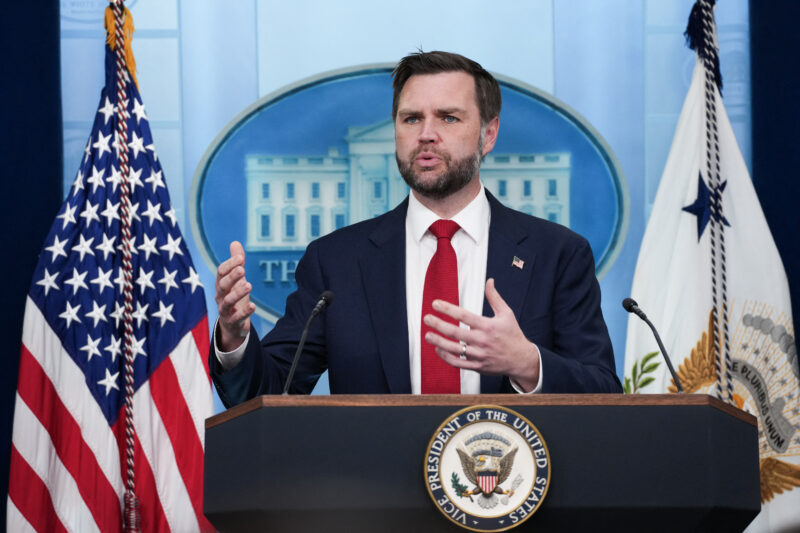
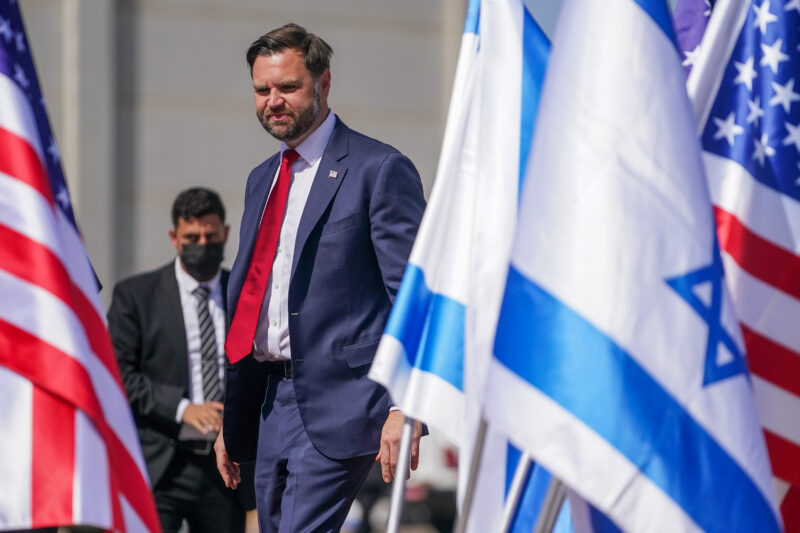
Vice President JD Vance also rejected what he called “fake information,” and reiterated that “the president is going to get us a good outcome, one way or the other.”
“First, the Iranians are not receiving any cash, and no funds are being released for simply signing a deal or attending a meeting,” Vance posted on X. “The deal is structured to ensure that the U.S. and its allies’ concerns are prioritized, and that if the Islamic Republic of Iran meets its obligations, then economic benefits will flow to them and to the entire region.”
Araghchi said that pending the finalization of an agreement, “the media should refrain from entering speculation about its content.”
Reports indicate that while the deal has been approved at high levels of Iranian leadership, it has not yet received official clearance from Supreme Leader Mojtaba Khamenei, despite Trump asserting he believes Khamenei had given the nod.
The sudden diplomatic momentum dramatically reshaped military operations on Thursday, when Trump ordered the Pentagon to call off scheduled airstrikes and a mission to capture Iran’s vital oil infrastructure on Kharg Island after announcing a deal was close at hand. The president hinted that a formal signing ceremony could take place over the weekend at a neutral venue in Europe, with Vance and White House Special Envoy Steve Witkoff expected to attend.
“It seems that after repeated signs of an imminent deal for weeks now, a deal will be clear once U.S. and Iranian officials actually publicly agree to the same agreement,” Ari Cicurel, associate director of foreign policy at the Jewish Institute for National Security of America, told Jewish Insider. “Until then, it’s not clear that they actually have a deal yet.”
Cicurel noted, however, that the latest reports of an accord appear different from previous iterations throughout the conflict. He said he has seen “reports of [U.S. Air Force] aircraft heading to Europe,” which “could be a sign this is further down the road than previous efforts might have been.”
Foreign policy experts have expressed deep concern about the reported framework floated by the Iranian side, with several backing the Trump administration’s claims that it does not reflect the actual state of negotiations.
“I have been calling for Trump to accept the inevitable bad deal to get us out of this bad war. But even I think the absurd terms laid out here [in Iranian media reports] must represent Iranian spin and cannot possibly be the shape of the actual deal,” Dan Shapiro, former U.S. ambassador to Israel under the Biden administration, posted on X.
Richard Goldberg, a former Trump administration official, also expressed skepticism about the initial reporting coming out of Tehran.
“The reported MOU reads like an extortion racket guaranteed to preclude any nuclear concessions and instead lock the U.S. into paying the racket indefinitely for fear of the strait closing,” Goldberg posted on X. “It falls well below anything POTUS would consider a good deal so I question its veracity.”
“The claims that Iran made, if they’re anywhere near true, would be a disastrous agreement that would be rewarding Iranian aggression, providing it funds to further enable its aggression and rebuild its arsenal,” Cicurel said similarly. “The same leadership, the same regime that has been in charge of the proxy agents and conducted aggression against the United States and its partners remains in power.”
However, Cicurel noted that he also holds major concerns regarding the framework being presented by the White House — most notably, that negotiators have failed to address Iran’s missile capabilities.
“My main concern with the White House agreement is that with this proposal, and over the last few weeks, the discussion of Iran’s missile capabilities has disappeared from the conversation, which was a major mistake of the JCPOA and a major mistake of previous agreements,” Cicurel said. “Any agreement that doesn’t include that would enable Iran to take the lessons it’s learned from the current war — that it doesn’t need a lot of missiles, it doesn’t need a lot of drones to exert aggression on the Gulf — and leave a potentially dangerous situation over the long term, in the future.”
Cicurel also took issue with the White House’s indication that the MOU would launch another 60-day ceasefire, warning that the time would allow Iran to delay a durable, long-term settlement and gain leverage. He also argued that the U.S. should not release Iranian assets.
“I don’t think the United States should be unfreezing assets rewarding Iran for for its aggression and allow Iran to leverage its power projection over the Strait of Hormuz to extract financial gains that would enable it to rebuild itself to reassert more of that power projection over the Strait of Hormuz and further attack targets throughout the Middle East,” he said.
More Stories
Daily Kickoff
Longhorns lock horns over Piker
A FATHER'S LOVE
After son’s remains returned from Gaza, Ruby Chen continues his fight in Washington and beyond
TEPID RESPONSE
Rubio holds back criticism of U.K. sanctions against Israeli settlements

Daily Kickoff
Iran’s Claude cover
TEXAS TROUBLE
Ted Cruz slams Dems for not speaking out against College Dems’ Hasan Piker invitation
SURVEY SAYS
New poll shows Vance with very low support among Jewish voters
Please log in if you already have a subscription, or subscribe to access the latest updates.
 Continue with Google
 Continue with Apple