






























































New psychology training program aims to combat antisemitism in mental health care
Academics Miri Bar-Halpern and Dean McKay are piloting the curriculum across three Northeast states with the support of AEN, with plans to build a national model for doctoral programs

Getty Images
Illustrative


 Add JewishInsider on Google
Two leading psychologists are launching an initiative to help future clinicians better care for Jewish patients, Jewish Insider has learned, amid a surge of antisemitism in the mental health field that has left Jewish therapists and clients facing isolation and discrimination.
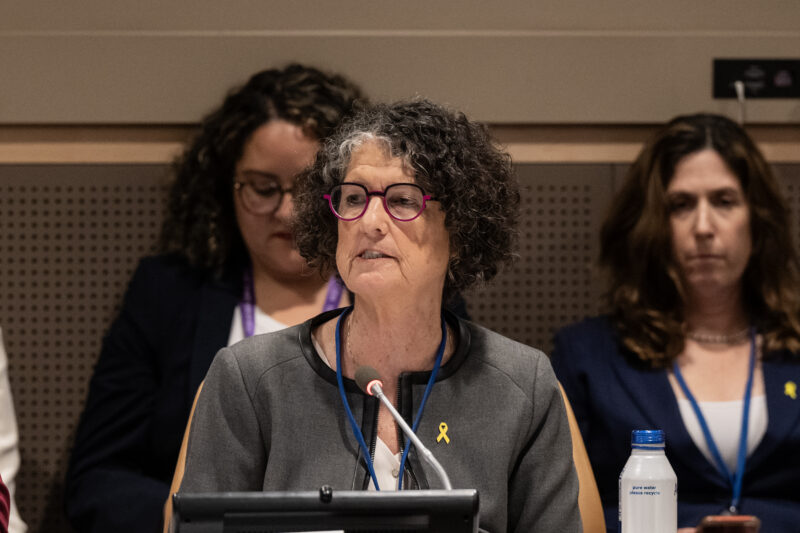
Created by Miri Bar-Halpern, a lecturer in psychology at Harvard Medical School, and Dean McKay, a professor of psychology at Fordham University, the pilot program, announced on Tuesday, will roll out in doctoral psychology programs at universities across New York, Connecticut and Massachusetts through faculty workshops and curriculum development. The Academic Engagement Network, a network of faculty and staff countering antisemitism on campus, is supporting the effort.
According to the creators, the ultimate goal of the pilot is to establish a national model for psychology education that addresses antisemitism and includes Jewish identity in training.
The program comes as 75% of Jewish-identifying medical students and professionals in American healthcare reported exposure to antisemitism in the aftermath of the Oct. 7, 2023, terrorist attacks in Israel and ensuing Gaza war, according to a 2025 peer-reviewed study published in the Journal of Religion and Health. Last week, the U.S. Department of Health and Human Services opened a federal civil rights investigation into the American Psychological Association over allegations of discrimination against Jewish and Israeli psychologists.
The launch also comes at a time of historic demand for mental health support. More than 1 in 4 Americans (28%) have talked with a mental health professional in the past year, according to an April poll by the American Psychiatric Association.
McKay and Bar-Halpern warned that the integration of certain ideological frameworks into psychology and counseling education threatens to marginalize Jewish clients.
Among the emerging frameworks drawing growing scrutiny is “decolonization therapy,” an approach that labels Zionism as a source of mental illness.
“When antisemitism begins shaping how future clinicians are trained, the consequences extend far beyond the classroom,” said Miriam Elman, executive director of AEN.
“Future psychologists will care for patients from every background. Ensuring that they understand antisemitism and Jewish identity is essential to providing ethical, culturally responsive care and maintaining trust in the mental health professions,” said Elman.
McKay expressed hope that the initiative “will help ensure that future clinicians are equipped to recognize antisemitism, understand its impact, and provide care that is both culturally responsive and evidence-based.”
More Stories

FINAL SPRINT
DMFI to spend $7 million to support Reps. Don Davis, Shomari Figures

AID ARGUMENTS
Michael Oren, Jonathan Schanzer split over when Israel should move past U.S. aid

CLASSROOM CORRECTIONS
L.A. teachers violated civil rights law with anti-Israel advocacy in the classroom, district finds
SUNSHINE STATE RETREAT
House GOP leadership super PAC pulls ad spending against Jared Moskowitz
PIKER PROBLEM
Hasan Piker event in Minnesota with Ilhan Omar faces growing backlash

ALBANY ALLIANCE
Jewish New York Dems launch PAC to counter antisemitism and anti-Zionism
Please log in if you already have a subscription, or subscribe to access the latest updates.
 Continue with Google
 Continue with Apple