





























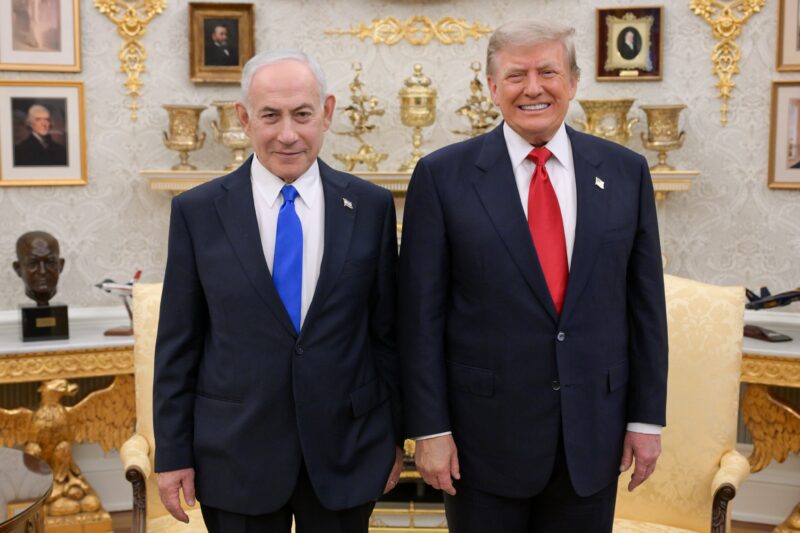












It’s complicated: Trump and Netanyahu’s relationship status
The tense nature of the Trump-Netanyahu call this week underscores the increasingly divergent tactics the two are taking to ongoing conflicts in the Middle East
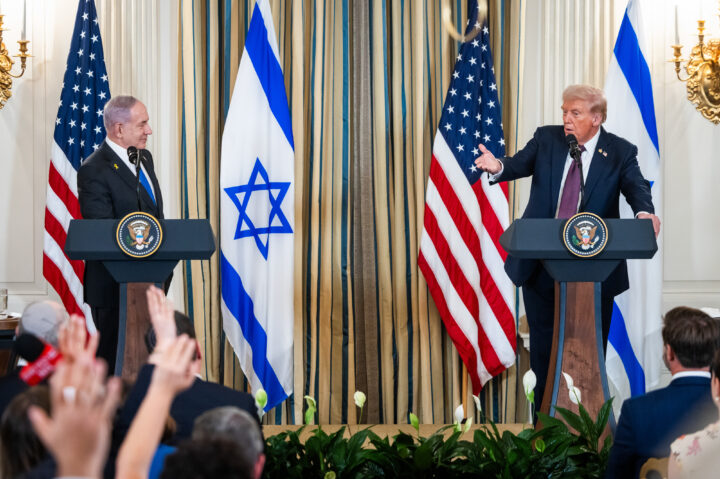
Jim Lo Scalzo/EPA/Bloomberg via Getty Images
President Donald Trump, right, and Benjamin Netanyahu, Israel's prime minister, during a news conference in the State Dining Room of the White House in Washington, DC, US, on Monday, Sept. 29, 2025.


 Add JewishInsider on Google
It’s a strange moment when the leader of the free world explains to a reporter why he cursed out the prime minister of a major ally.
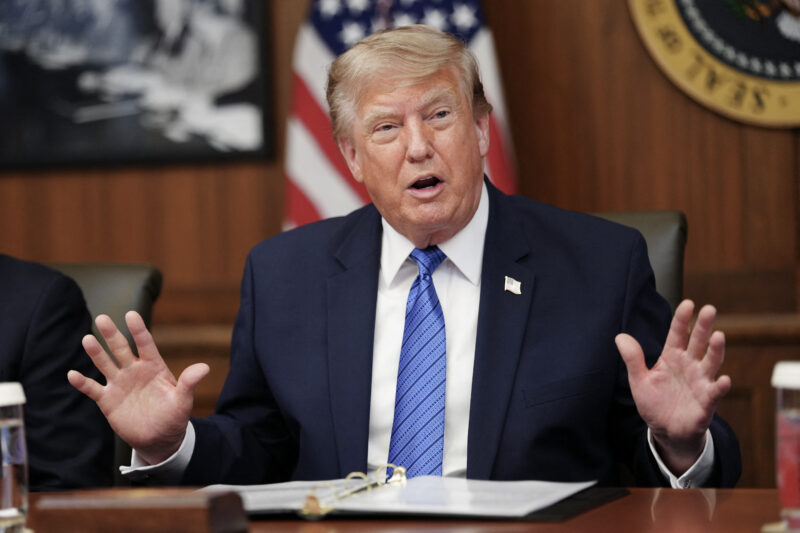
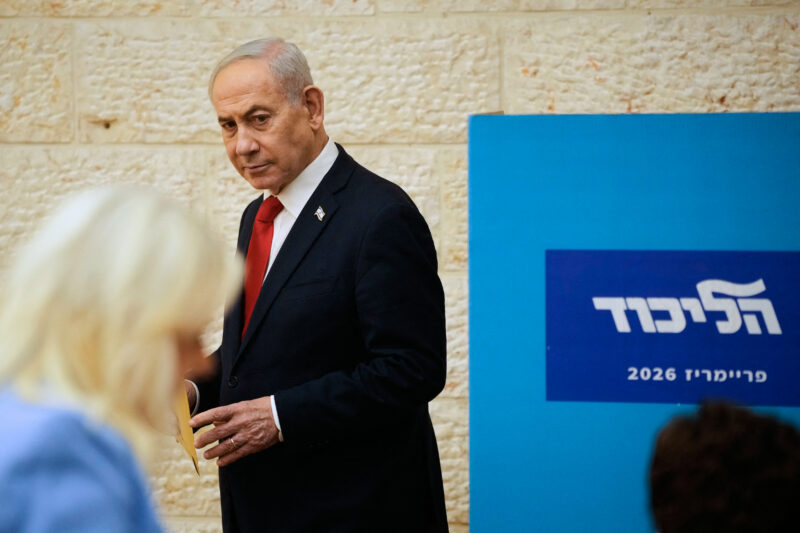
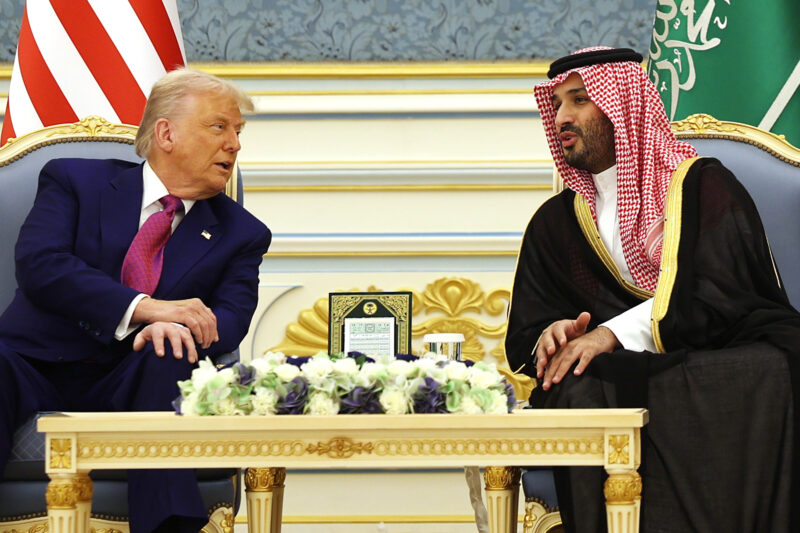
But we live in an increasingly strange moment, one in which President Donald Trump confirmed to the New York Post this week that he had indeed called Israeli Prime Minister Benjamin Netanyahu “f***ing crazy” during a discussion about Israel’s plans to expand operations in Lebanon, even as he stressed that he and the Israeli leader have “worked very well together.” (Trump’s confirmation came after Netanyahu’s office denied the remarks.)
The tense nature of the Trump-Netanyahu call this week underscores the increasingly divergent tactics the two are taking to ongoing conflicts in the Middle East as Trump leans into diplomacy while Netanyahu pushes for intensified military action — and as questions loom over the future of U.S. aid to Israel.
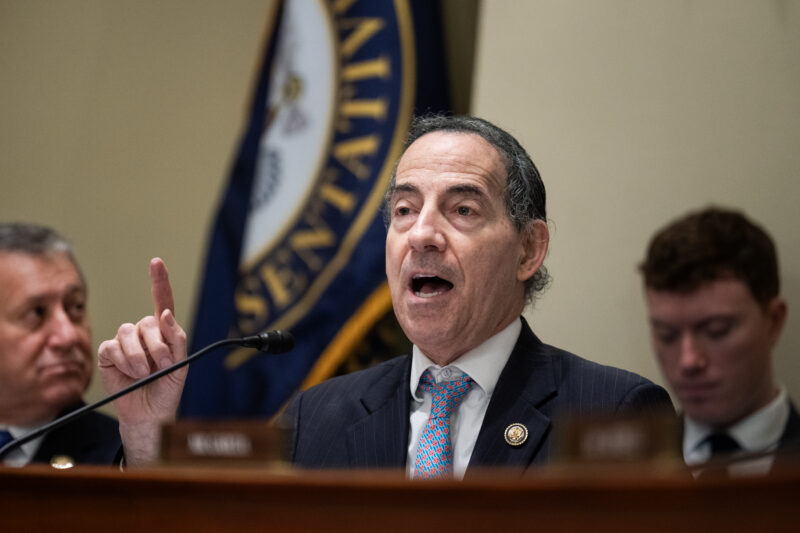
With the House’s passage of a war powers resolution yesterday (with four Republicans breaking with House GOP leadership), and a Senate vote on the issue still pending, the Trump administration’s appetite for a resumption of hostilities is even smaller than it was last month (when, as we reported, it was already quite low, owing to rising gas prices and the approaching midterms).
And it’s not just Trump distancing the U.S. from renewed all-out conflict. Speaking before the Senate Foreign Relations Committee on Wednesday, Secretary of State Marco Rubio told lawmakers that the Iran war was “over.”
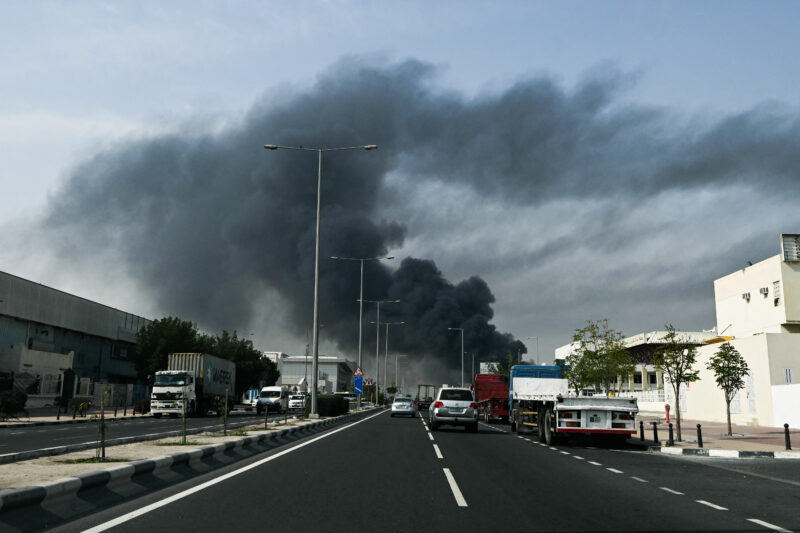
The comments come even as Iran continues to scale up its attacks in the region, in some cases prompting a U.S. response. Early Wednesday morning, the Islamic Republic launched a drone attack targeting Kuwait’s main airport, killing one person and injuring at least 60.
Trump has reportedly set a red line on Iran, telling aides that he could end the ceasefire — which, while not a technical halting of all fire, has resulted in far fewer exchanges of fire and destruction than at the height of the war in March and early April — if U.S. troops are killed.
Meanwhile, Netanyahu told CNBC on Wednesday that he wants to start the process of winding down U.S. military aid to Israel over the next two years — the final years of Trump’s term — in a way that would shift the relationship, according to the prime minister, “from aid to a partnership where we both invest equal amounts and both share equally in the fruits of our innovators and technologies.” Such a move, Netanyahu added, “will also take away the myth that Israel is depleting America’s coffers” — a popular talking point among opponents of U.S. aid to Israel on Capitol Hill and beyond.
On paper, Washington and Jerusalem do appear in lockstep — alongside Beirut — on deepening relations between Israel and Lebanon and rooting out Hezbollah. To that effect, the White House announced in a joint statement with Lebanese and Israeli officials on Wednesday that the parties had agreed to a renewed ceasefire — though it is contingent on the cooperation of Hezbollah, which did not take part in the talks and continues to launch drones and missiles at northern Israel.
But even as officials in Washington reach an accord on Lebanon, the challenges on the ground remain much the same. It was, after all, the issue of Lebanon — and Netanyahu’s announcement that the IDF would attack Hezbollah strongholds in Beirut — that triggered Trump’s expletive-laden outburst on Monday, causing Netanyahu to walk back Israel’s military plans in Lebanon.
And while Netanyahu needs to stay in Trump’s good graces, it is voters in Israel — including those in the country’s north who are living under daily Hezbollah fire — whom Netanyahu will need to sway ahead of the fall elections.
More Stories

Daily Overtime
Mackle-no-more on Sheeran’s tour
Settlement Showdown
U.K. Foreign Secretary Ed Miliband announces sanctions against Israeli settlements
BACKUP PLAN
Buffer zone bill aims to protect worshipers when prosecutors fail to act, lead GOP sponsor says
CAMPUS CAUCUS
Gottheimer, Stefanik launch caucus to combat antisemitism on college campuses
FLAGGING FICTION
Blinken denies report he delayed Hamas offer to free hostages

SAFETY SURGE
Hochul announces security funding, enhanced police presence ahead of High Holy Days
Please log in if you already have a subscription, or subscribe to access the latest updates.
 Continue with Google
 Continue with Apple