
































UAE to withdraw from OPEC in significant blow to oil-producing bloc
Abu Dhabi cited instability in global oil markets amid the Iran war in its decision to pursue an independent strategy
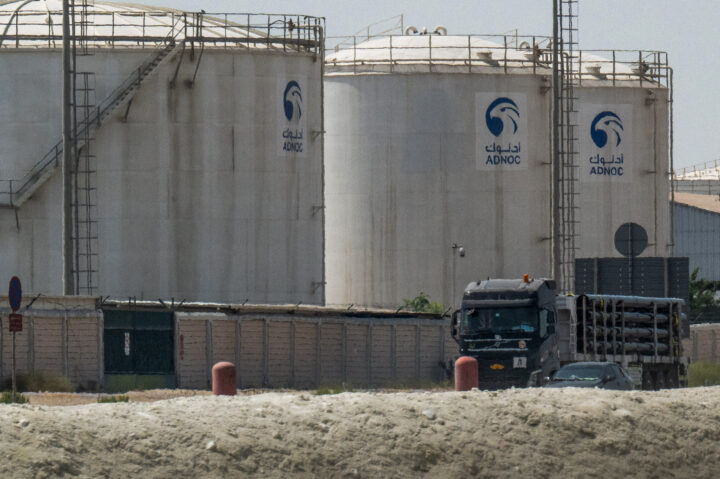
Ryan Lim / AFP via Getty Images
ADNOC Gas, a subsidiary of the Abu Dhabi National Oil Company, facility in Abu Dhabi on March 3, 2026.


 Add JewishInsider on Google
The United Arab Emirates announced on Tuesday it will withdraw from the Organization of the Petroleum Exporting Countries (OPEC) effective May 1, dealing a significant blow to the oil-producing bloc and its de facto leader, Saudi Arabia.
OPEC, which coordinates production policies among major oil producers to influence global supply and prices, accounts for roughly 36% of global oil output and nearly 80% of proven reserves.
Saudi Arabia is widely viewed as the group’s leader, but the UAE has been a key contributor, producing the third-largest output within OPEC behind Saudi Arabia and Iraq. The organization was founded in 1960 by Saudi Arabia, Iran, Iraq, Venezuela and Kuwait. Abu Dhabi joined in 1967, with the UAE maintaining membership after its formation in 1971.
In a statement, the UAE’s state-run news agency said the decision reflects the country’s “long-term strategic and economic vision and evolving energy profile” and serves its “national interest.”
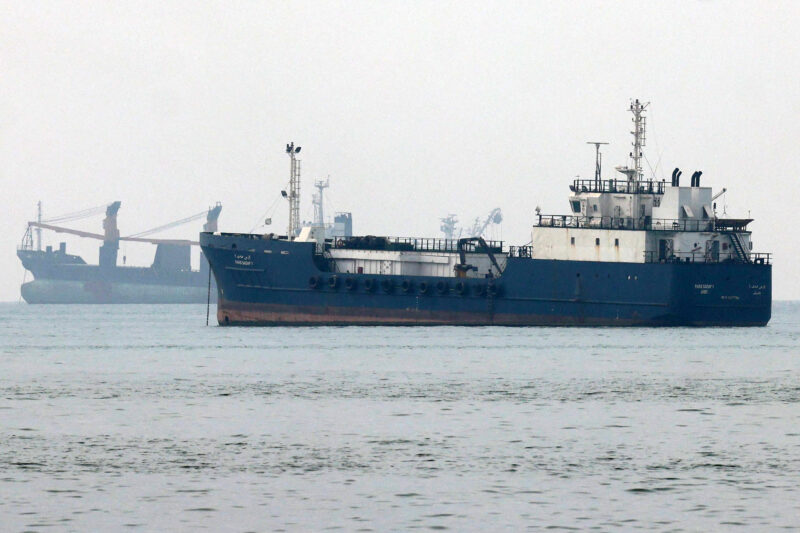
The statement also pointed to regional instability amid the Iran war, including tensions in the Strait of Hormuz, as a factor shaping global energy dynamics.
Following its exit, the UAE said it will continue to act “responsibly,” gradually increasing production in line with market conditions.
“This decision does not alter the UAE’s commitment to global market stability or its approach based on cooperation with producers and consumers,” the statement said. “Rather, it enhances the UAE’s ability to respond to evolving market needs.”
More Stories
Back to the Future
Israeli election déjà vu
PHOTO OP
Letitia James opponent met with Black Hebrew Israelite group
museum moment
Elisha Wiesel: U.S. Holocaust Museum has ‘unique responsibility’ to counter genocide claims against Israel

EXCLUSIVE
Bipartisan House resolution honors pilot, passengers who stopped FlyDubai hijacking

Daily Kickoff
Chris Murphy’s Doha double standard
EDUCATION DELIBERATION
Democratic governors face looming deadline to opt in for educational tax credit
Please log in if you already have a subscription, or subscribe to access the latest updates.
 Continue with Google
 Continue with Apple