







































Mamdani’s arrested development
Plus, former Bernie bro bashes old boss


 Add JewishInsider on Google
Good Tuesday morning.
In today’s Daily Kickoff, we report on a fundraiser for Michigan Senate candidate Abdul El-Sayed that is being cohosted by a Democratic Party operative who praised her grandfather’s Nazi service, and spotlight Ed Miliband, who was announced as the U.K.’s foreign secretary on Monday. We talk to Jewish Democrats in Washington state who feel increasingly isolated in their own party, and interview Joel Rubin, a former Jewish liaison for Sen. Bernie Sanders, about his concerns that his one-time boss is promoting antisemitic candidates. Also in today’s Daily Kickoff: Micah Lasher, Ron Dermer and Khalil Al-Hayya.
We have also launched a new on-demand Live Briefing that you can access throughout the day via our new app (on Apple and Android) and on our website.
Today’s Daily Kickoff was curated by JI Executive Editor Melissa Weiss and Israel Editor Tamara Zieve, with assists from Danielle Cohen-Kanik and Marc Rod. Have a tip? Email us here.
What We’re Watching
- President Donald Trump is slated to meet today with Lebanese President Joseph Aoun at 11 a.m. ET. The meeting comes as Israel moves forward with its plan to withdraw from “pilot zones” in southern Lebanon where the Lebanese Armed Forces will move in and administer the area in accordance with the framework agreement established last month between Beirut and Jerusalem.
- The White House is reportedly mulling a proposal from Middle East mediators including Qatar, Egypt and Pakistan for a 10-day ceasefire to halt fighting between the U.S. and Iran. Earlier today, officials in Bahrain confirmed that sirens sounded in the Gulf state ahead of what was believed to have been another Iranian attack.
- Defense Secretary Pete Hegseth and Chairman of the Joint Chiefs of Staff Gen. Dan Caine are slated to appear before the Senate Appropriations Committee this morning to testify about the Trump administration’s $88 billion supplemental funding request for the Pentagon.
- The House Intelligence Committee is convening a hearing today on the next generation of terror threats, with former National Security Advisor H. R. McMaster set to testify.
- Arizona is holding its primaries today, with the GOP’s gubernatorial race between Reps. Andy Biggs (R-AZ) and Dave Schweikert (R-AZ) taking center billing. The winner will face Democratic Gov. Katie Hobbs in November.
- We’re also closely watching the primary results in Arizona’s 1st District, a swing district based in Scottsdale with a sizable Jewish population, which Schweikert is vacating to run for governor. The Democratic Congressional Campaign Committee is backing former TV news anchor Marlene Galan-Woods over former state Rep. Amish Shah, who was the party’s 2024 nominee. The GOP front-runner is former NFL kicker and CBS Sports sideline reporter Jay Feely.
- In New York, Jewish Women International is hosting a day-long workshop series focused on Jewish women in the workplace.
- More than a dozen Jewish and pro-Israel groups, including the Conference of Presidents of Major American Jewish Organizations, the Israeli-American Council, the Jewish Federations of North America and Christians United for Israel, are hosting a virtual tribute to Sen. Lindsey Graham (R-SC) tonight ahead of his funeral next week.
- The three-day Gulf Research Meeting kicks off today in Cambridge, U.K. Speakers include Saudi Foreign Minister Prince Faisal bin Farhan Al Saud; Qatari Foreign Ministry spokesperson Majed al-Ansari; Mohammed Ibrahim Al Dhaheri, the deputy director of the United Arab Emirates’ Anwar Gargash Diplomatic Academy; and Arab World Institute President Anne-Claire Legendre.
What You Should Know
A QUICK WORD WITH JI’S MELISSA WEISS
In recent weeks, following the collapse of the memorandum of understanding between Washington and Tehran and the closure of the Strait of Hormuz, Iran has fired dozens of times on Jordan, Saudi Arabia, Iraq, Bahrain, Kuwait, Qatar and the United Arab Emirates.
At the same time, it has sustained fire from the U.S., whose military bases across the region have been targeted by the Islamic Republic, with several service members killed. And all the while, Tehran has targeted commercial ships transiting through the strait.
But as focus on the conflict with Iran has shifted from addressing the Islamic Republic’s nuclear ambitions to the Strait of Hormuz, Israel has stayed out of the fighting — despite Iranian threats earlier this month to target the Jewish state if the U.S. attacks did not cease.
There is no upside for Israel to reenter the fight, especially when the issue of the Strait of Hormuz falls outside of the objectives set by Israel at the start of the war earlier this year. (This, despite the widespread sentiment among Israelis that this year’s war did not improve Israel’s security situation, according to polling last month from the Israel Democracy Institute.)
Key among the goals laid out by Israel was degrading Iran’s ballistic missile program and setting back elements of its nuclear program. Reopening Hormuz is an American objective, not an Israeli one. With Israel having made the calculus that the most immediate Iranian threats have been blunted — at least in the short term — the current mission has become an American one.
“Israel’s best move is to not move — yet,” Mark Dubowitz, the CEO of the Foundation for Defense of Democracies, told Jewish Insider this morning. “Washington does the striking. Israel keeps its fire and its threats in reserve, waiting for one of two triggers: a U.S. request to join, or an Iranian regime foolish enough to hit Israel and invite the reprisal that has been promised.”
Despite Iran’s threats to target Israel, such a move would likely be a strategic misstep for the Islamic Republic. Iran’s blockade of the strait and its attacks on Arab and Gulf states are an attempt to reassert its dominance over the region and demonstrate its ability to impact the global energy market. Tehran also appears to be betting that sustained attacks across the region will push Arab states to pressure the U.S. to accept an agreement to reopen the strait, handing the Islamic Republic a win.
BLUE STATE BLUES

The past few years of rising tensions in the Democratic Party over Israel and antisemitism have been marked for many Jewish Democrats in Washington — one of the country’s bluest states, which has a Jewish population of about 90,000 — by disappointment, anger and a growing sense of isolation within a party they have spent decades supporting. But the answer, they say, is not to walk away; rather, it’s to try to reclaim influence from within, Jewish Insider’s Danielle Cohen-Kanik reports.
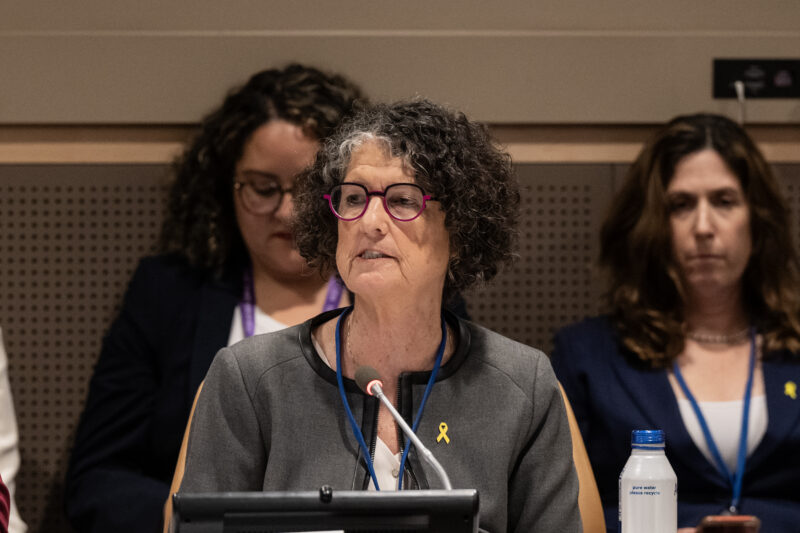
Rebuilding: That effort begins with rebuilding the party’s own Jewish infrastructure. The Washington State Democratic Party’s Jewish caucus has gone “by the wayside, because it takes a lot of organizing and energy to keep it up,” said Linda Clifton, a longtime member of the caucus. “It’s all volunteer [work], and people had other jobs and other things they had to pay attention to. I think we need to revive it, and there’s been some effort to do that … but I think people are so disheartened that that becomes very difficult,” she continued.
FRIENDLY FIRE

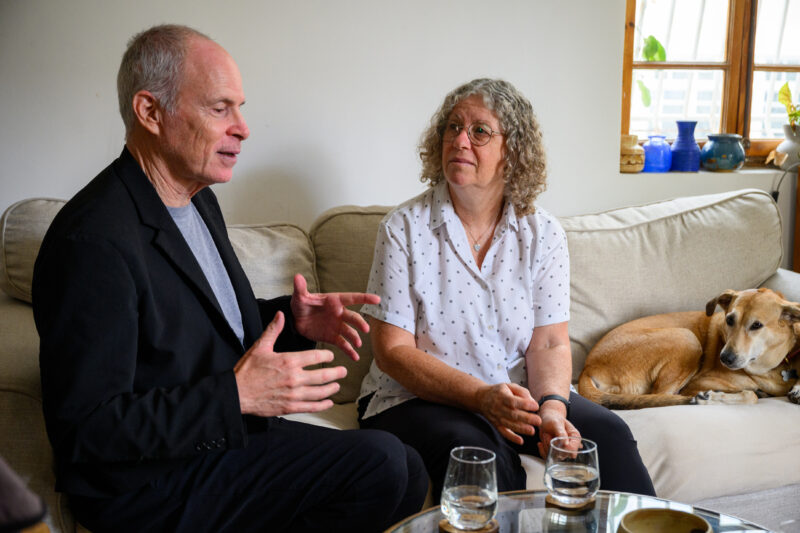
Joel Rubin, a former State Department official who led Jewish outreach for Sen. Bernie Sanders’ (I-VT) 2020 presidential campaign, is now excoriating his former boss and the movement he has built for elevating stridently anti-Israel candidates — most notably former Maine Senate candidate Graham Platner, Jewish Insider’s Marc Rod reports.
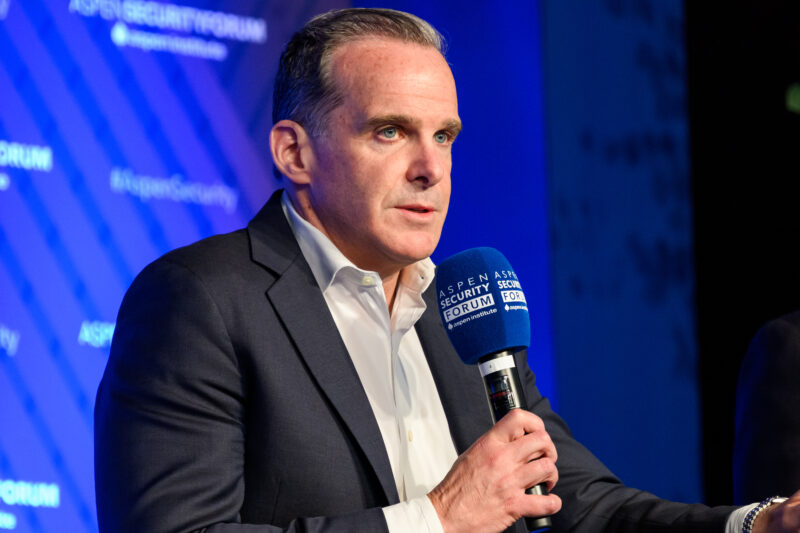
Notable quotable: “I think what Sanders and the Sanders operation have done is shove into our system the most categorically anti-Israel, antisemitic candidates that we’ve seen in a generation — if ever, certainly within the Democratic Party — and it’s by design,” Rubin said in an interview with JI last week at the Aspen Security Forum. “It’s not by accident, and it’s very disruptive intentionally. The goal is to undermine Democratic unity and even rationality on Israel at this stage.”
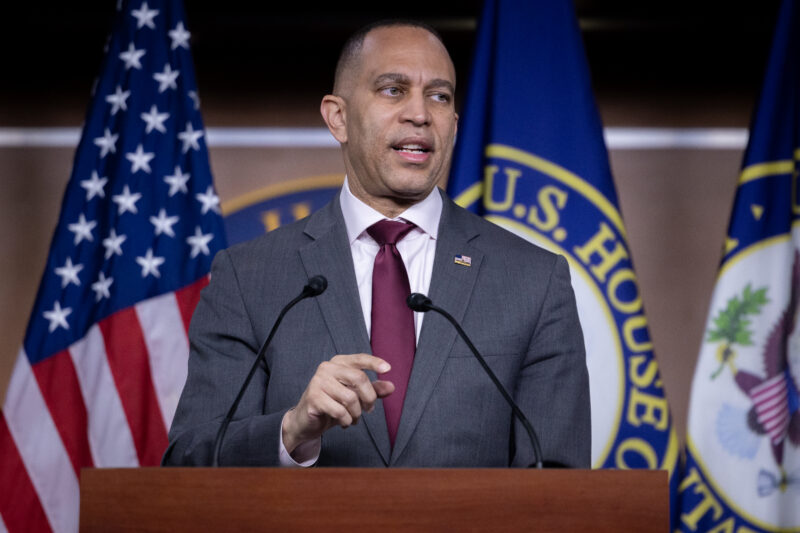
More Dem dynamics: Sen. John Fetterman (D-PA) said in an interview with JI’s Emily Jacobs on Monday that the votes by more than 100 House Democrats last week in favor of an effort to end all U.S. aid to Israel indicate the party is “flirting with” making opposition to Israel the official party stance, something he said would lead him to leave the caucus.
NOT SO FUNNY MONEY
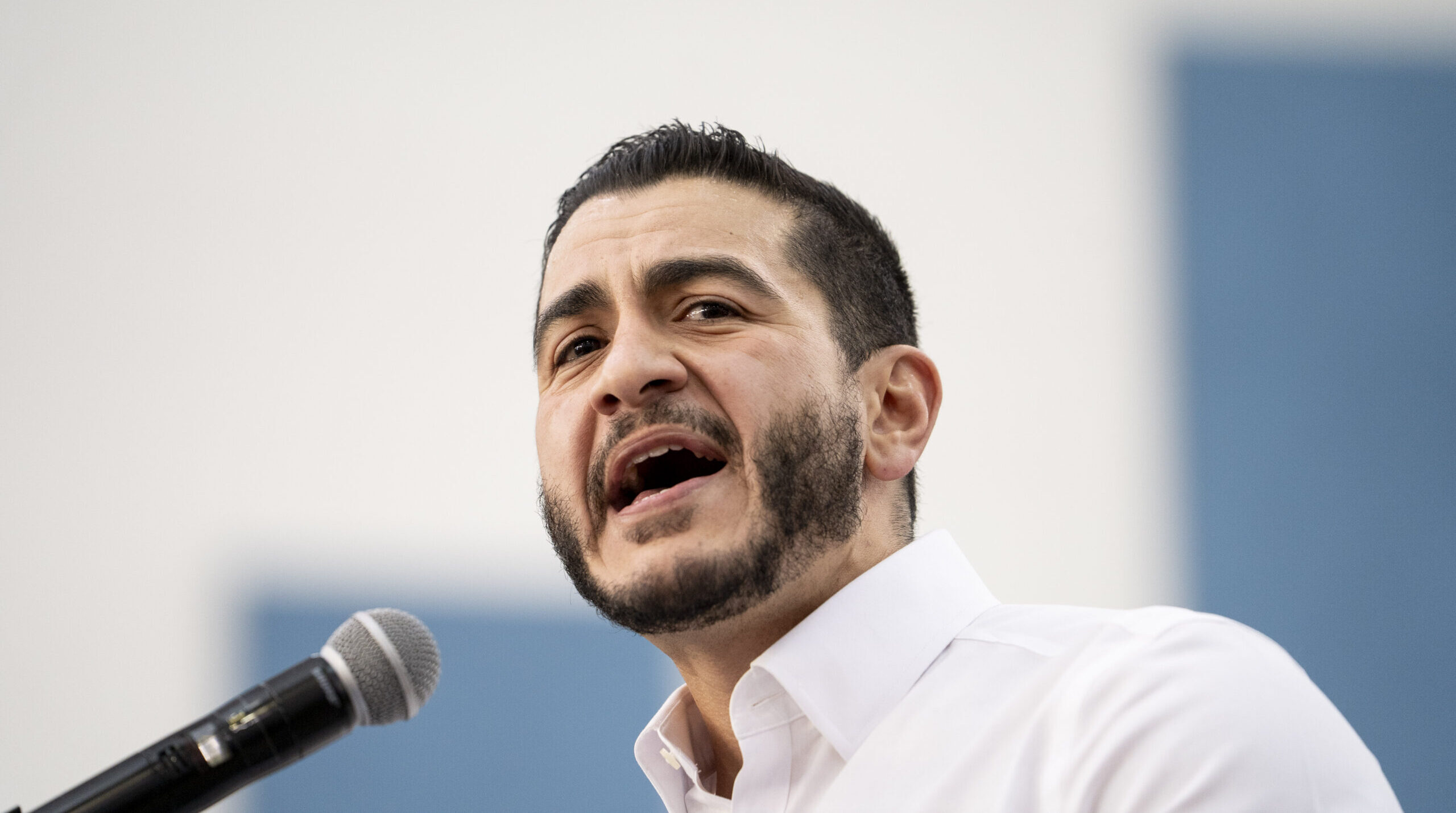
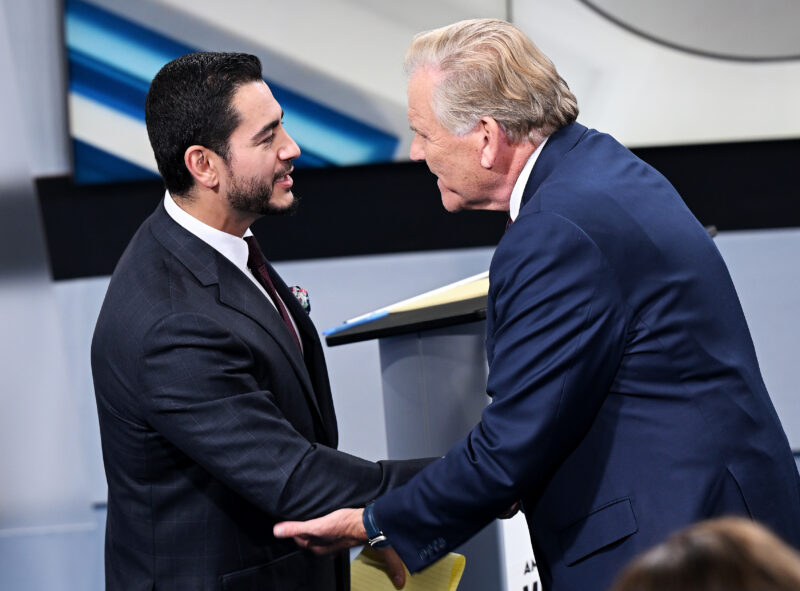
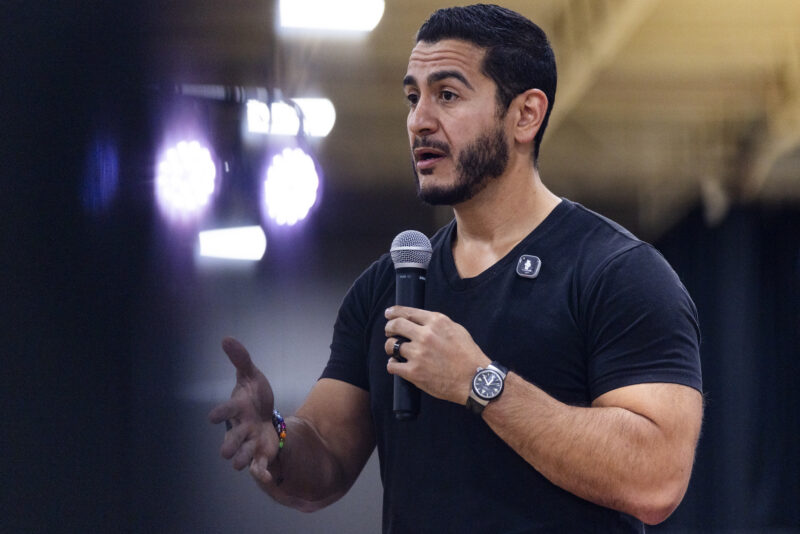
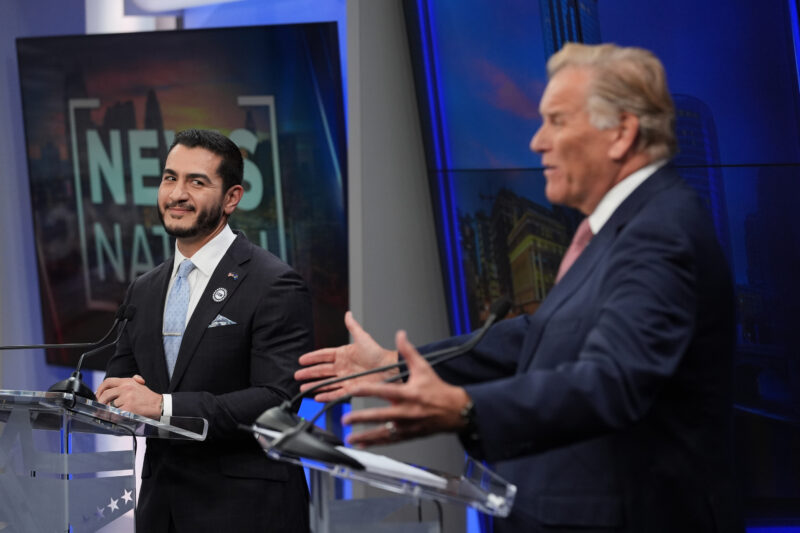
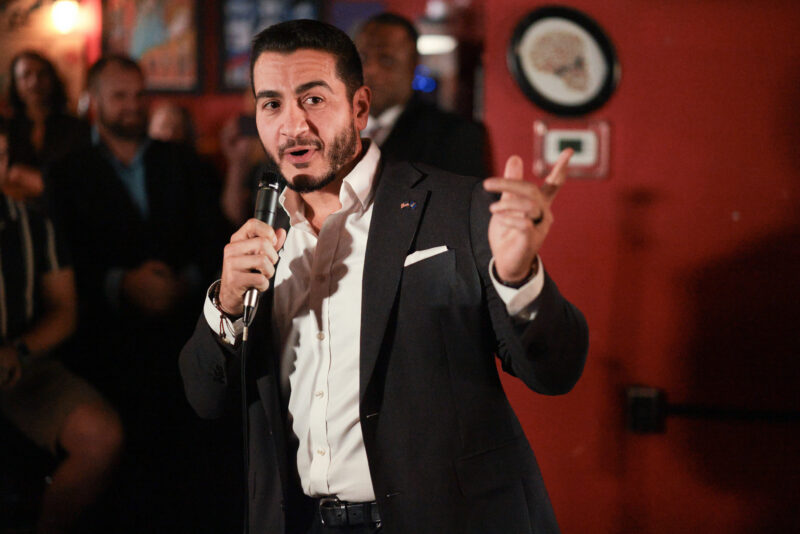
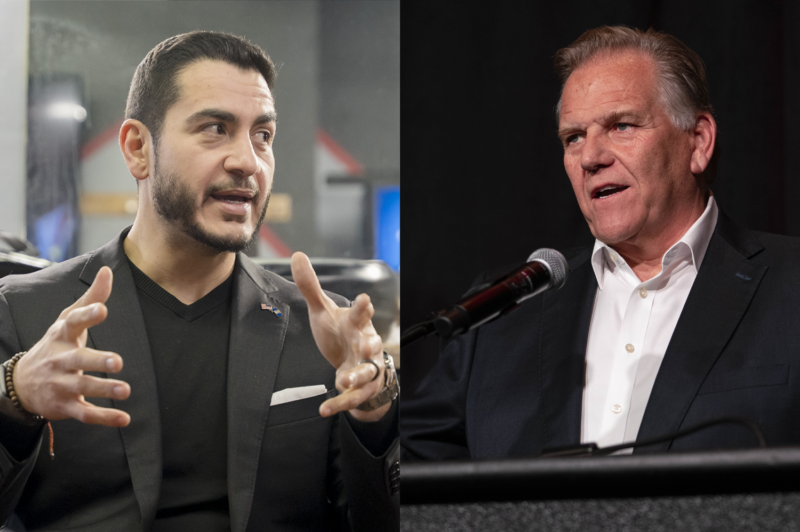
Michigan Senate candidate Abdul El-Sayed is slated to appear at a campaign fundraiser this weekend that is co-hosted by Kelly Neumann, a controversial Democratic fundraiser in Michigan who faced scrutiny earlier this year for a 2024 Facebook post on Veterans Day that praised her grandfather, who fought for the Nazis in World War II, Jewish Insider’s Gabby Deutch reports.
Pulled out: Sen. Elizabeth Warren (D-MA), who endorsed El-Sayed on Monday, was initially listed as a speaker at the Saturday event hosted by Neumann, though Neumann and the campaign removed Warren from their promotional materials after JI inquired about the senator’s role. Warren is speaking at a rally for El-Sayed later that day.
ACROSS THE POND
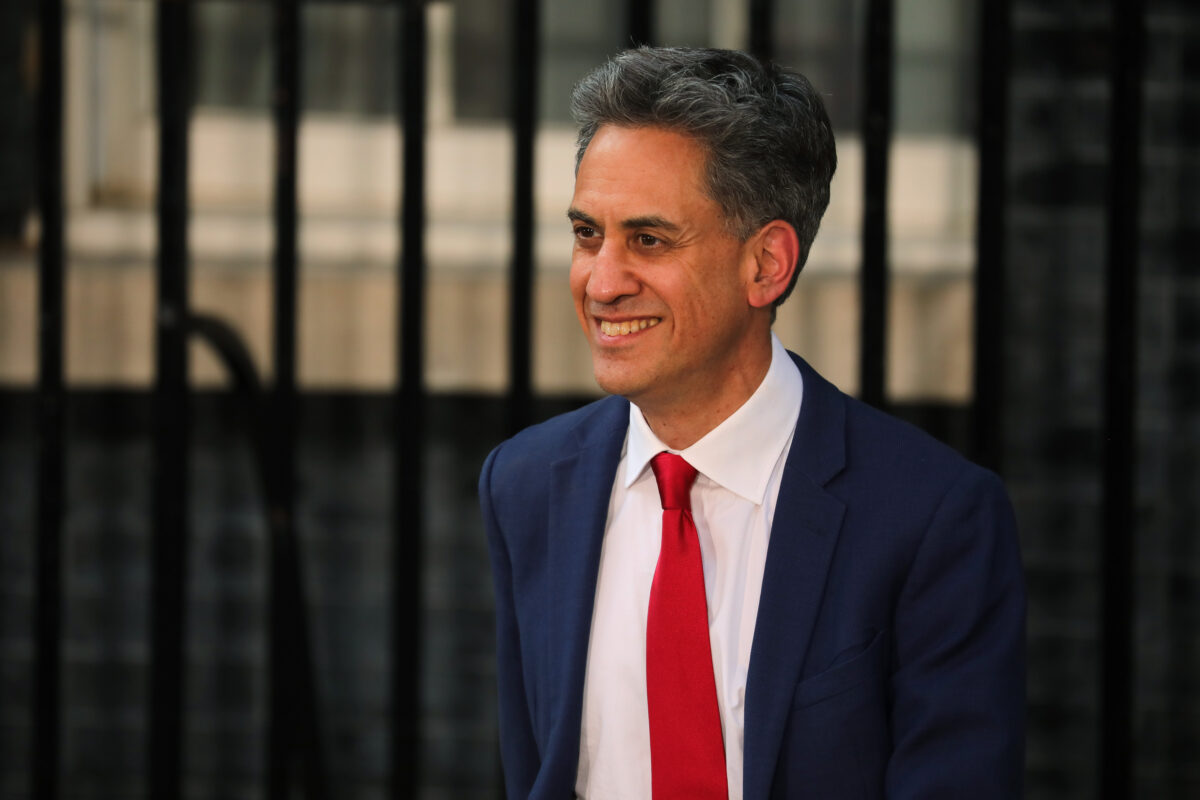
Ed Miliband’s appointment on Monday as U.K. foreign secretary is raising questions about how the former Labour chief will influence Israel and Middle East policy under Andy Burnham, the country’s new prime minister, Jewish Insider’s Matthew Kassel reports. As the first Jewish leader of the Labour party, which he helmed from 2010-2015, Miliband has long balanced his commitment to Israel’s security with vocal criticism of the Jewish state that has fueled some tensions with British Jewish leaders.
Israel approach: During his past tenure as Labour leader, Miliband “certainly wasn’t an instinctive supporter of Israel, but he also wasn’t as hostile as some expected given his background,” Arieh Kovler, a political analyst in Jerusalem who previously served as the director of policy and research for Britain’s Jewish Leadership Council, told JI. “But that was a decade ago. Attitudes to Israel have hardened across British politics and the Labour Party with it.”
BACKTRACK
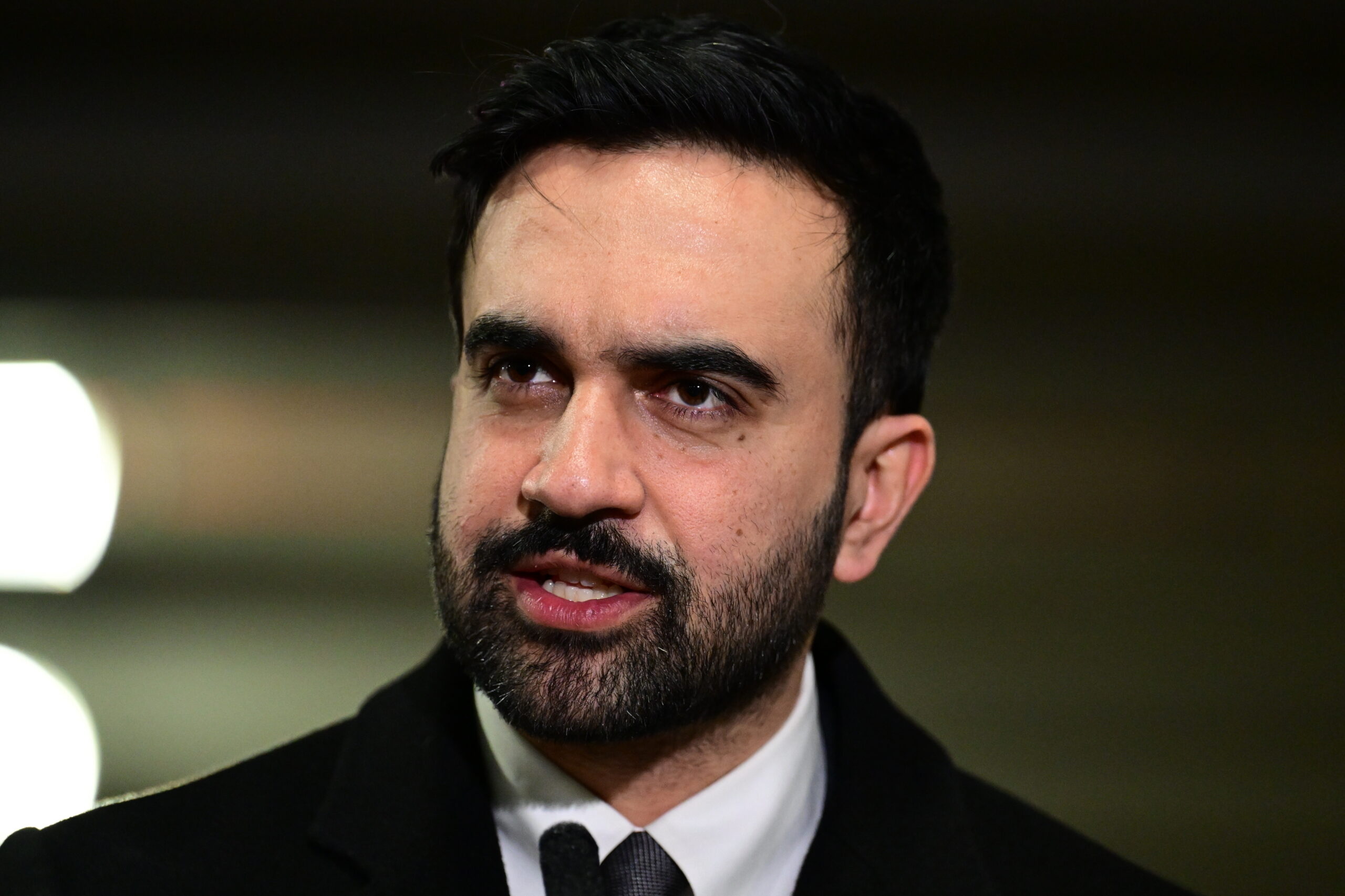
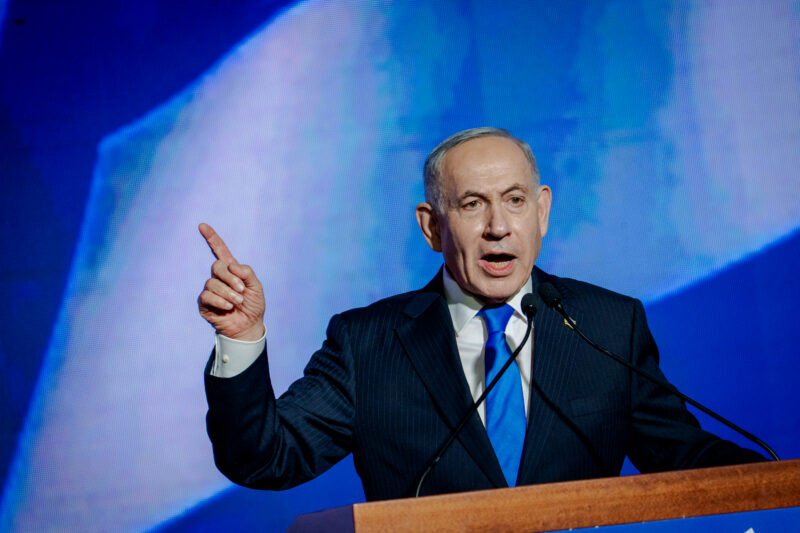
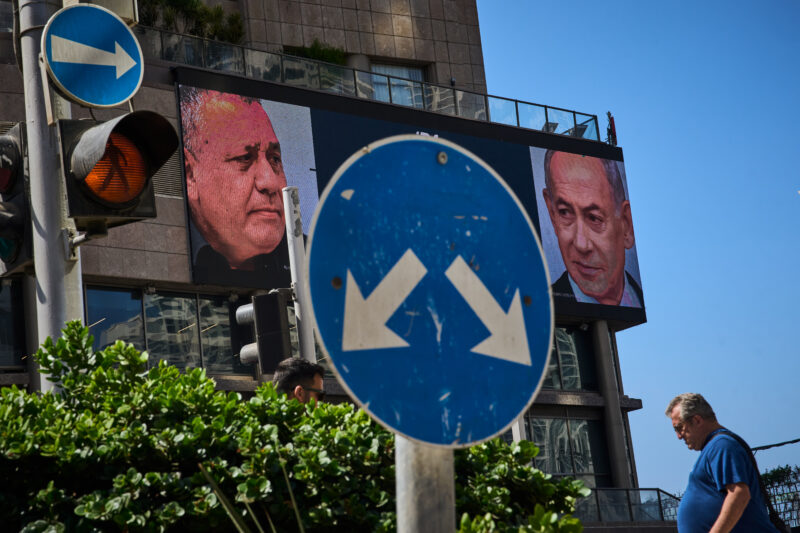
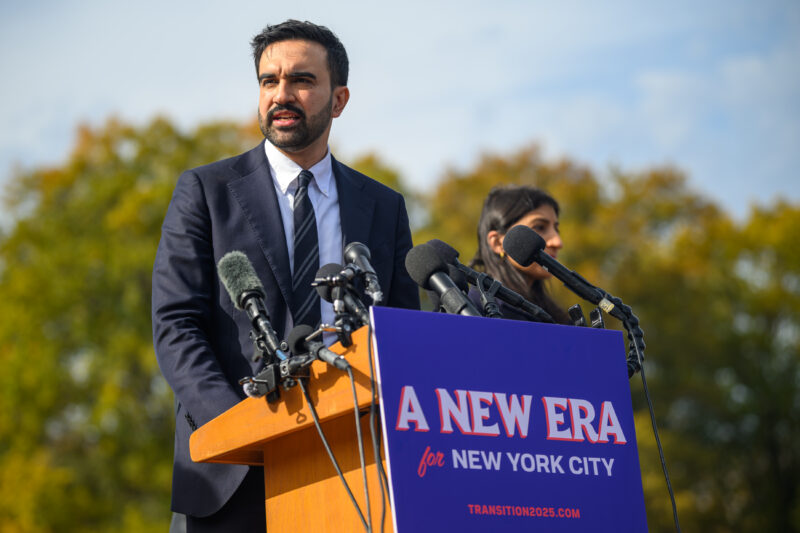
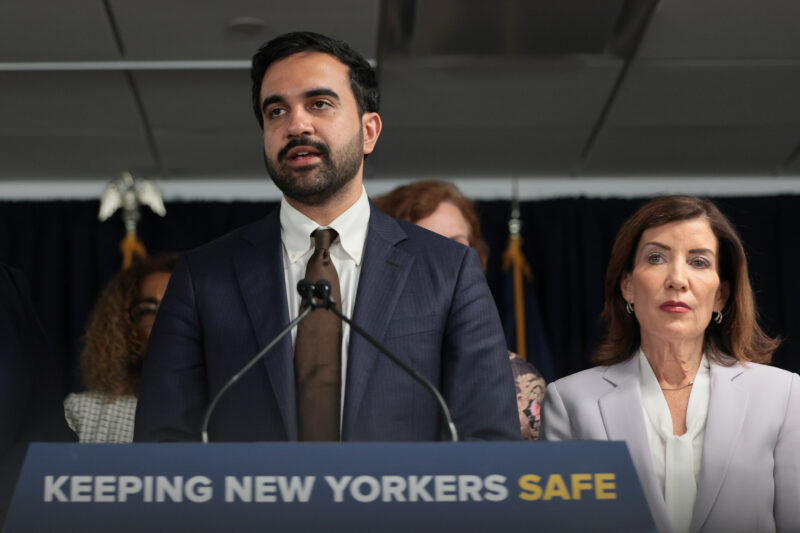
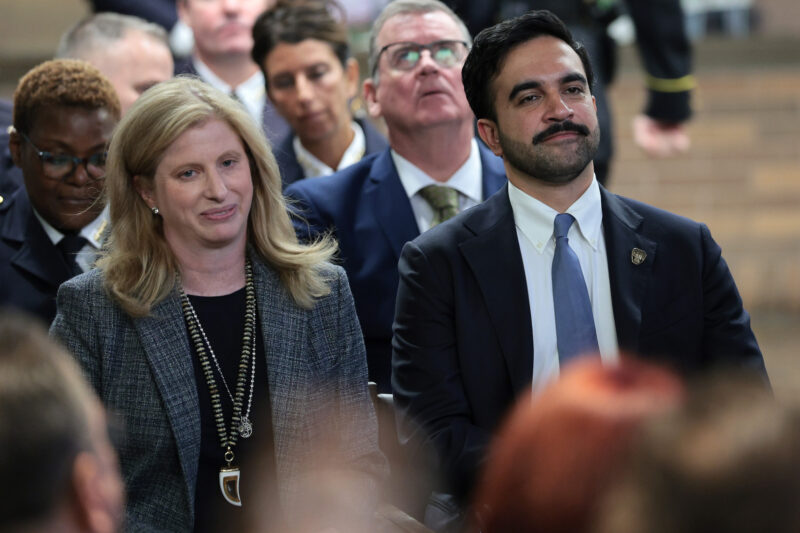
New York City Mayor Zohran Mamdani seemed to shy away on Monday from a campaign vow — referenced in an interview over the weekend — to arrest Israeli Prime Minister Benjamin Netanyahu, even as he continued to lob rhetorical fusillades at the leader of the Jewish state, Jewish Insider’s Will Bredderman reports.
What he said: Mamdani seemed to acknowledge on Monday that such a move might exceed his authority. “My administration will follow all applicable local laws, that is our commitment, that is something we will follow through on, when it comes to adherence to local laws,” the mayor told reporters after an unrelated event, stressing again when pressed: “We will follow our local laws.”
View from 1600 Pennsylvania Ave.: President Donald Trump posted on his Truth Social site that Netanyahu would not be arrested “in any way, shape, or form” while in the U.S.
SHE’S RUNNING
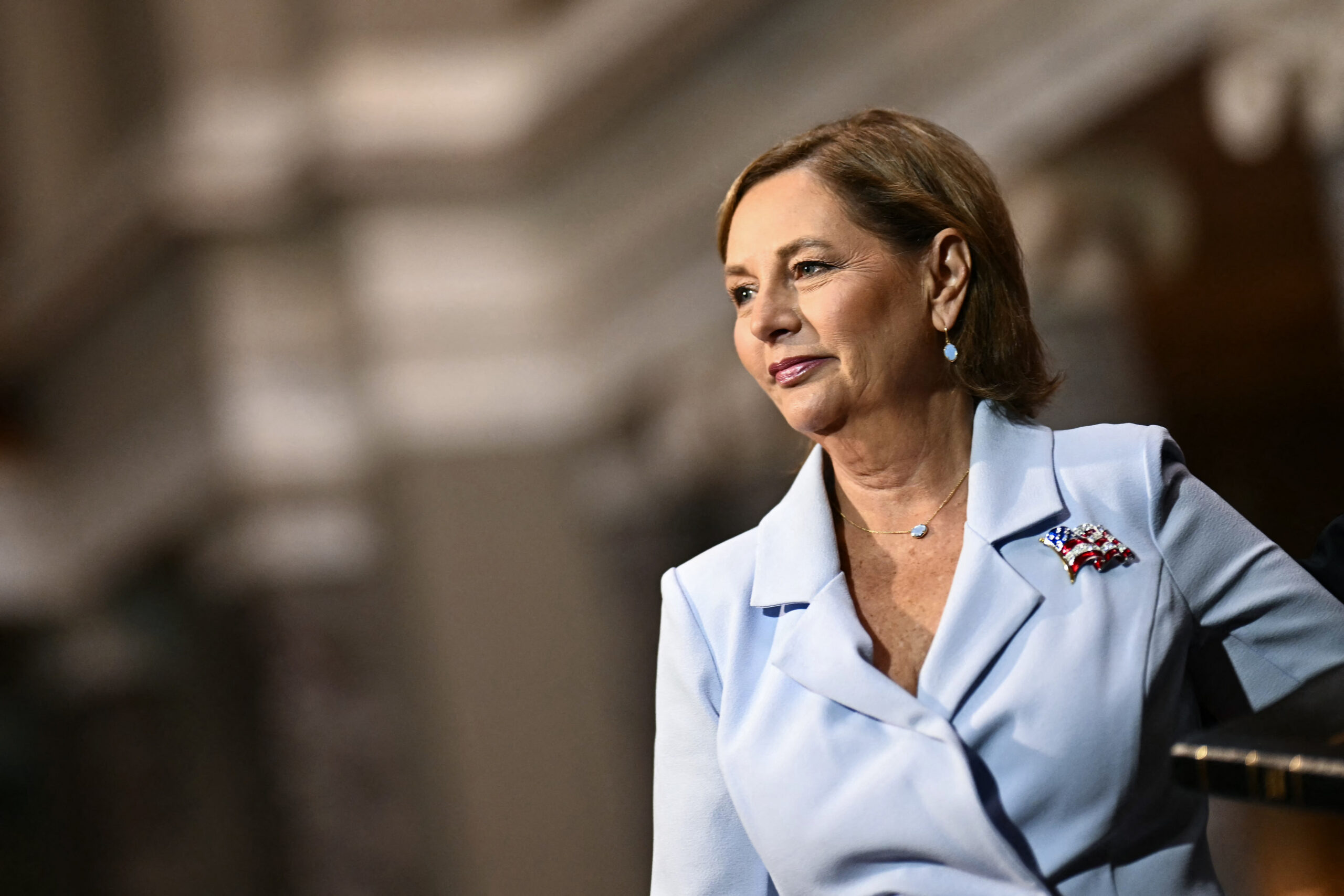
Sen. Darline Graham (R-SC) said that she will run in next month’s special election to replace her brother, the late Sen. Lindsey Graham (R-SC), on the ballot as the GOP nominee for Senate in November, Jewish Insider’s Emily Jacobs reports.
Mind made up: Graham, who was appointed last week to serve out the remainder of her brother’s term in the Senate, announced her decision to run for a full term in an interview with Fox News’ Sean Hannity on Monday. “I’ve made a decision,” Graham said. “I’m in.” Graham told Hannity, a friend of her late brother’s, that she had been “praying a lot” and “talking to my family” about the decision, which she acknowledged she needed to make at an expedited pace due to the week-long filing period for candidates beginning on Tuesday.
Worthy Reads
Eye on 2028: The Atlantic’s Mark Leibovich interviews Sen. Mark Kelly (D-AZ) and his wife, former Rep. Gabby Giffords (D-AZ), about Kelly’s presidential considerations, Giffords’ recovery after a 2011 shooting and Kelly’s shortlisting as former Vice President Kamala Harris vetted potential running mates. “Kelly told me that he’d only ‘read parts’ of Harris’s memoir. Presumably, these were the parts that corresponded to mentions of ‘Kelly, Mark.’ He smiled when I suggested this and did not deny it. When I brought up that Harris said she was concerned that he wasn’t tested as a national candidate, Kelly grew more openly annoyed than I might have expected, given how beside the point the topic is now. … He also noted, sarcastically, that some people apparently found it charming that Walz asked for Diet Mountain Dew to drink during his VP interview. ‘[Gov. Josh] Shapiro and I asked for water,’ he said, smirking.” [TheAtlantic]
Tehran’s Tactics: In The Wall Street Journal, Reuel Marc Gerecht and Ray Takeyh posit that Iran’s ability to withstand international economic pressure and U.S. strikes has given the Islamic Republic a “wartime advantage” over Washington. “Today’s conflict with the U.S. and Israel lets senior guard commanders, lowly IRGC foot soldiers and the rest of the theocracy’s security forces feel the fraternity of resistance against the regime’s enemies. For a dictatorship that lost most Iranians’ loyalty years ago, these wars were a boon. The zeal of the revolutionary faithful has baffled many Iranian expatriates and analysts, who see a morally, spiritually and financially bankrupt regime.” [WSJ]
Kuwait in the Crosshairs: The Financial Times’ Ahmed Al Omran looks at how the Iranian attacks across the Gulf have affected Kuwait, which has been targeted by more than 1,500 missiles and drones since the start of the war. “The sense of fear is particularly potent in Kuwait, which is still scarred by the trauma of the 1990 Iraqi invasion — a unique experience that sets it apart from other Gulf Arab states. Since the US-Israeli war against Iran started in February, Kuwait’s proximity to the Islamic republic and high concentration of American troops have made it an easy target for Tehran’s short-range missiles. … But the intensity and frequency of the attacks came as a surprise to some observers in Kuwait, which before the war enjoyed relatively cordial relations with Iran.” [FT]
A larger selection of Worthy Reads is available in our Live Briefing.
Word on the Street
Amid its escalating conflict with Iran, the White House’s social media feed posted a three-week-old poll on Monday from a right-wing polling firm indicating Americans support the U.S.-Iran memorandum of understanding established last month, JI’s Haley Cohen reports…
The Pentagon confirmed a New York Times report that nearly 100 American troops stationed in Jordan have been injured by Iranian attacks over the last two weeks as the Islamic Republic targets U.S. bases in the region; several of the strikes had not been made public prior to the Times’ reporting…
Israeli intelligence shared with the U.S. indicates that Iran moved thousands of centrifuges into its clandestine Pickaxe Mountain site last fall, following the 12-day war in June; read more about Pickaxe Mountain here…
The Wall Street Journal spotlights the “once-unthinkable” ideas being mulled by Washington, Beirut and Jerusalem to disarm Hezbollah in Lebanon…
The New Yorker‘s David Kirkpatrick talks to former Biden administration officials about the Biden White House’s policies toward Israel and Gaza at the height of the conflict between Israel and Hamas…
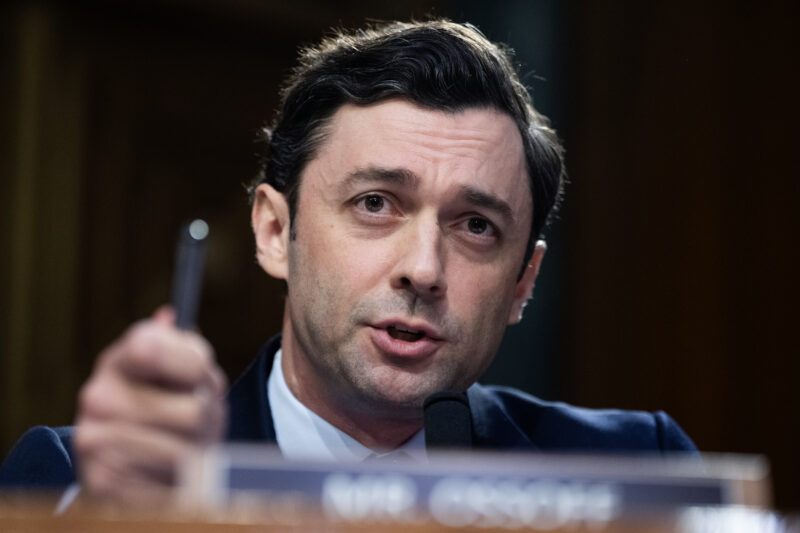
Rep. Mike Collins (R-GA), who is challenging Sen. Jon Ossoff (D-GA), removed from his campaign website family photos that featured his son-in-law, who was found to have promoted white nationalism and Nazi ideology online…
The Washington Post reports on the volatile temperament of Troy Jackson, who is expected to replace Graham Platner as the Democratic Senate candidate in Maine, during the time that Jackson served as the head of the state Senate…
Axios examines how Rep. Alexandria Ocasio-Cortez’s (D-NY) rhetoric as she campaigns for Democrats around the country resembles former President Barack Obama’s own early campaign rhetoric following the launch of his 2008 presidential bid…
Politico looks at how New York City Mayor Zohran Mamdani has alienated portions of the city’s electorate — including the Black, Jewish and Latino communities — that have traditionally had close ties with City Hall…
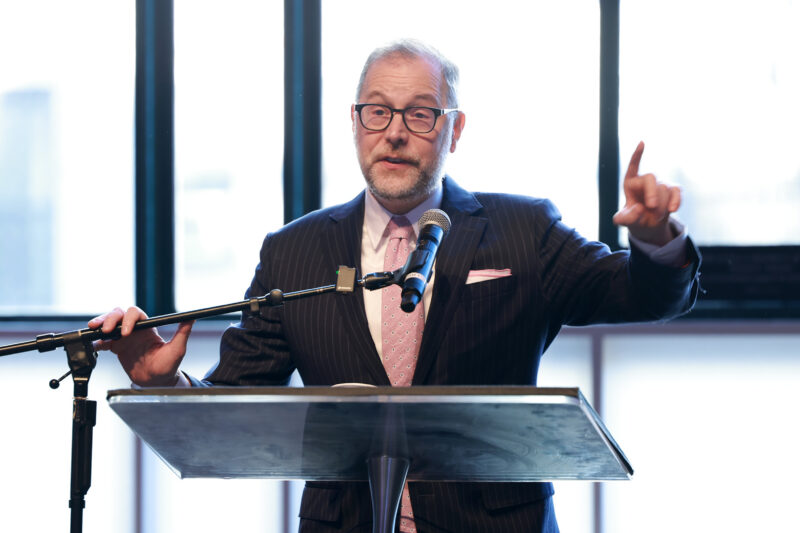
The New York Times interviews New York state Assemblymember Micah Lasher about his childhood hobby of performing magic; the New York Democrat, who won last month’s Democratic primary to succeed Rep. Jerry Nadler (D-NY), in 1996 published The Magic of Micah Lasher, and performed on national television as a child…
Adam Hamawy and Darializa Avila Chevalier, who won their respective Democratic congressional primaries against more moderate candidates in part by attacking Israel on the campaign trail, were announced as the keynote speakers at the Council on American-Islamic Relations’ annual gala in Washington…
Hungarian chess grandmaster Judit Polgar turned down Hungarian Prime Minister Péter Magyar’s offer to serve as the country’s interim president, saying she felt she lacked “the strength to take on the historic responsibility of uniting a divided nation” in the post-Viktor Orbán era…
The president of the Australian Association of Jewish Holocaust Survivors and Descendants testified before the country’s royal commission investigating antisemitism that increasing antisemitism in the country has “disturbing parallels” to Nazi Germany, but that he did not believe that the country was “becoming another Germany in the 1930s,” owing to Australia’s “democratic institutions, legal system and civilian civil society”…
OpenAI is reportedly starting a business development operation in Israel, having hired a senior Israeli executive from Amazon Web Services to lead the effort to develop relationships in the Israeli high-tech sector…
Air France paused its flights to and from Dubai until next week; the airline is also temporarily suspending its routes to Saudi Arabia until later this week…
Hamas announced Khalil Al-Hayya, the terror group’s top negotiator in Qatar, as its new leader; Al-Hayya succeeds Yahya Sinwar, who was killed by the IDF in October 2024…
Former Israeli Strategic Affairs Minister Ron Dermer is rejoining the Jewish Institute for National Security of America as a distinguished fellow, a position he previously held from 2021 to 2022…
Pic of the Day

Demonstrators from the Union of Jewish Students of France protested on Monday outside the Paris headquarters of French far-left party La France Insoumise following the interruption over the weekend of a Jewish DJ’s concert in Grenoble. La France Insoumise had for months been calling for a boycott of Barbara Butch’s show last Saturday, which was disrupted by anti-Israel activists.
Birthdays

Retired CEO of Sony/ATV, a large music publishing firm, he is a member of the Songwriters Hall of Fame, Martin Bandier turns 85…
President at Admar Group, Henry Dean Ostberg turns 98… Professor in the physics department at Bar-Ilan University, he won the Israel Prize in 2018, Shlomo Havlin turns 84… Director of the Center for the Political Future at USC, Robert Shrum turns 83… Criminal defense attorney, known for representing many politicians, celebrities and organized crime defendants, Benjamin Brafman turns 78… Former member of the U.K.’s House of Commons, now in the House of Lords, Baroness Susan Veronica Kramer turns 76… Senate majority whip (R-WY), John Barrasso turns 74… Chairman and CEO at Quantitative Financial Strategies, Sanford “Sandy” Jay Grossman turns 73… Endocrinologist and professor at Columbia University’s medical school, she is an honorary president of NYC’s Central Synagogue, Shonni Joy Silverberg, MD… Professor at Columbia Law School and daughter of the late Justice Ruth Bader Ginsburg, Jane Carol Ginsburg turns 71… Brooklyn resident, Irene Ostrovsky… Comedian and actor, best known for his five seasons on “Saturday Night Live” ending in 1990, Jon Lovitz turns 69… Former chief rabbi of Moscow, his opposition to the Ukraine war forced him to leave Russia, Rabbi Pinchas Goldschmidt turns 63… Literary agent at the William Morris Endeavor book department, Eric Matthew Simonoff turns 59… Actor and producer, Alysia Reiner turns 56… Professor of astronomy at MIT and winner of a 2013 MacArthur Genius Award, Sara Seager turns 55… Brazilian fashion designer best known for avant-garde designs and eclectic prints, Alexandre Herchcovitch turns 55… CEO of Fanatics, licensed sports merchandise and digital sports platform, Michael G. Rubin turns 54… Founder, president and CEO of Securing America’s Future Energy (SAFE) and the Electrification Coalition, Raphael “Robbie” Diamond… Rabbi of Congregation Bais Naftali in Los Angeles, his YouTube channel has over 4.6 million views, Rabbi Yoel Gold… Online media personality and director of product management at Electronic Arts (EA) in British Columbia, Veronica Belmont turns 44… CEO of Women of Reform Judaism since 2023, Rabbi Liz P.G. Hirsch… Clinical social worker, Aniko Gomory-Pink… Entrepreneur and political activist, she came to prominence as an African-American pro-Israel student activist at the U of New Orleans, Chloé Simone Valdary turns 33… Policy advisor at Brownstein Hyatt Farber Schreck, Zachary A. Marshall… Senior recruiter at Tines, Rachel Elizabeth Nieves… Attorney in Madrid and secretary general of the Federation of Jewish Communities of Spain until 2021, Elias Cohen…
Recent Daily Kickoff Newsletters




Please log in if you already have a subscription, or subscribe to access the latest updates.
 Continue with Google
 Continue with Apple