



























Qatar’s checkbook diplomacy meets its limit as Doha blames Israel for Iran’s attacks
The Al Thanis decided to lash out at Israel rather than the country that launched the attacks on the Gulf state
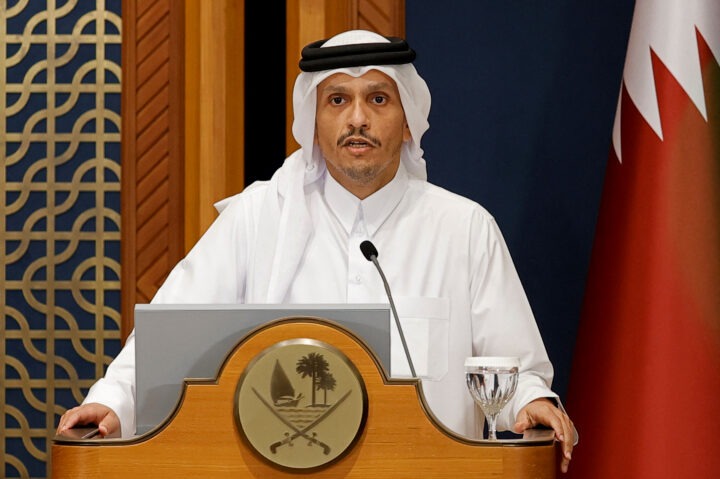
Karim JAAFAR / AFP via Getty Images
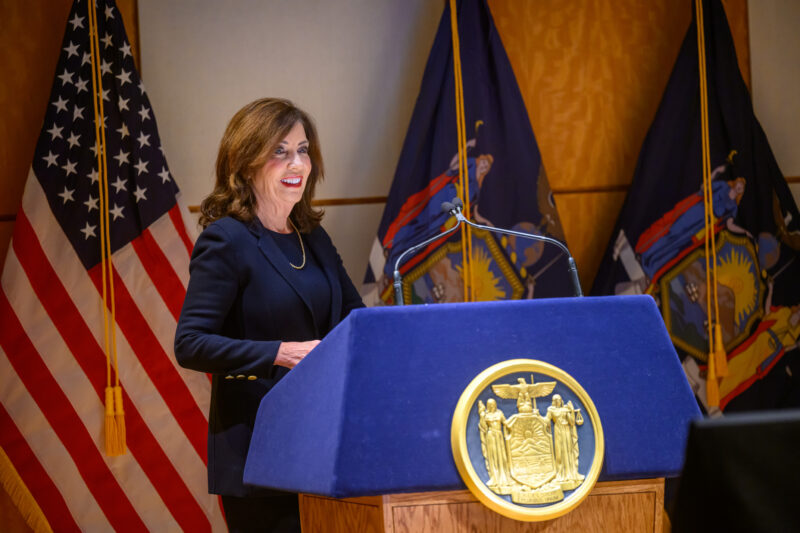
Qatar's Prime Minister and Foreign Minister Sheikh Mohammed bin Abdulrahman Al Thani speaks during a joint press conference with Turkey's Foreign Minister Hakan Fidan, in Doha on March 19, 2026.


 Add JewishInsider on Google
Over the last three weeks, Qatar’s leadership has woken up to a reality it had long seemed determined to disprove: that money will only take you so far. And so Doha has fallen back on a longstanding Middle Eastern tradition of blaming Israel for its problems.
Qatar is the top foreign contributor to American universities, World Cup host, patron of the arts and donor of the new Air Force One, and the influence that comes with philanthropy led much of the world to turn a blind eye to the dark side of the Al Thani royal family’s generosity: Funding perhaps the world’s most effective propaganda arm for radical Islam, Al Jazeera, hosting the leaders of Hamas and other terrorist groups, and more.
With a massive real estate portfolio that includes properties in London and Manhattan, its efforts to bail out White House Special Envoy Steve Witkoff in 2023 and 2025, and its work with former lobbyists now in the Trump administration — such as Attorney General Pam Bondi and FBI Director Kash Patel — Doha appeared to have built a winning strategy to ensure its voice was heard in the White House.
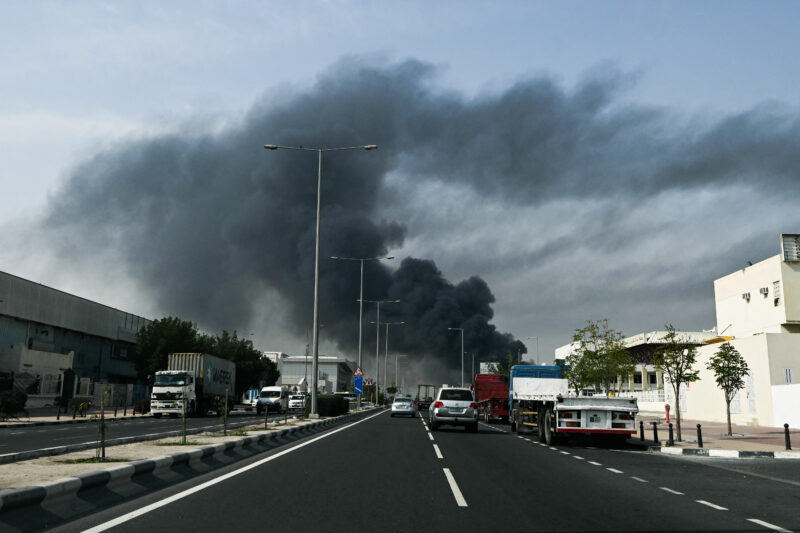
Despite public opposition from Qatar and other Gulf states, the U.S., alongside Israel, went to war with Iran. Now, Doha finds itself on the receiving end of attacks from the Islamic Republic. Tehran’s attacks on Qatari gas facilities have led to a loss of 17% of Qatar’s capacity to export liquefied natural gas and an estimated $20 billion loss of annual revenue for the next three to five years, QatarEnergy CEO Saad al-Kaabi told Reuters.
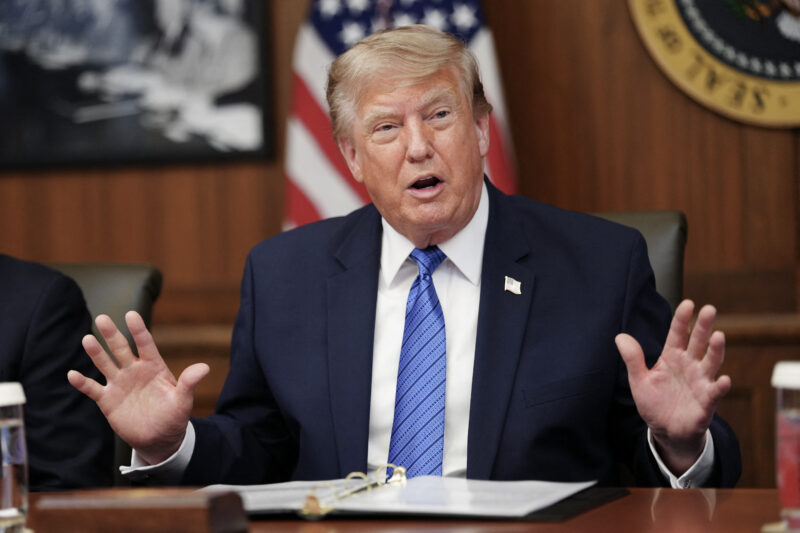
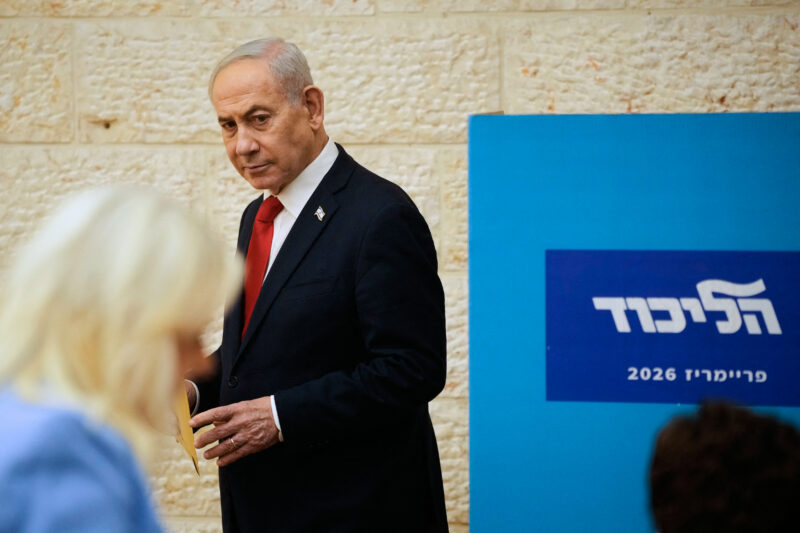
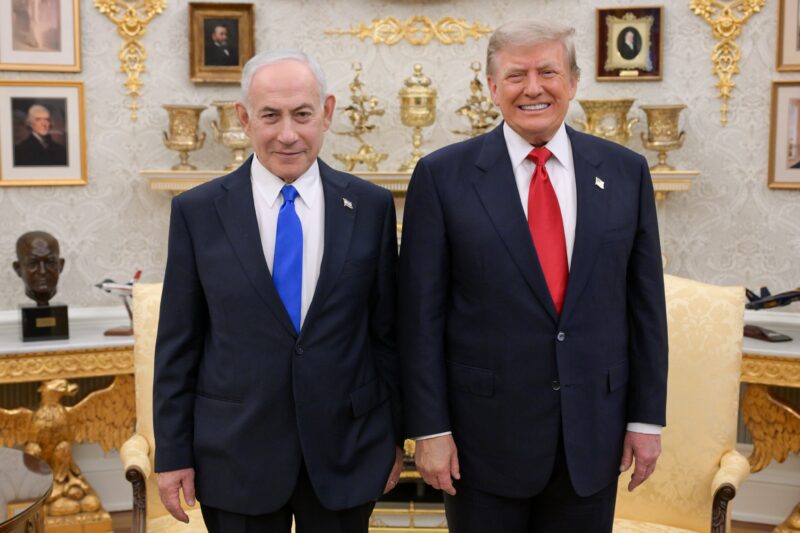
The latest Iranian assault on Doha’s gas industry came after Israel struck the Iranian side of the South Pars gas field, shared with Qatar. In a message that appeared, at least in part, an attempt to appease Doha, President Donald Trump blamed Israel — in mild terms by Trump standards — and said he had no idea about the attack, a claim experts and former Israeli and U.S. officials have said is unlikely to be true. Israeli Prime Minister Benjamin Netanyahu said in a Thursday night press conference that Israel “acted alone” and will respect Trump’s request that Israel not bomb the gas field again.
In addition, Trump threatened that if Iran attacks “a very innocent, in this case, Qatar,” the U.S. will “massively blow up the entirety of the South Pars Gas Field at an amount of strength and power that Iran has never seen or witnessed before.”
Ariel Admoni, a Qatar expert at the Jerusalem Institute for Strategy and Security (JISS), said Trump’s statement shows “great anger” in Doha “expressed through pressure on Trump and a demand to clarify that he wasn’t part of this, in order not to hurt [Qatar’s] image” of being well-connected to the administration.
Realizing that their checkbook diplomacy is no longer enough to get what they want from the Trump administration, the Al Thanis decided to lash out at Israel rather than the country that launched the attacks on the Gulf state.
Qatar continued to triangulate with Iran. Doha expelled Iran’s military and other attaches based in Doha in response to Tehran’s “hostile approach,” but left the Iranian ambassador in place, and hours later, Admoni said, a senior Islamic Revolutionary Guard Corps official was given a favorable interview on Al Jazeera.
Qatari Prime Minister and Foreign Minister Mohammed bin Abdulrahman Al Thani said in a statement to the press alongside Turkish Foreign Minister Hakan Fidan on Thursday that “This war needs to stop immediately. The aggression needs to stop immediately. Because everyone knows who the main beneficiary of this war is, and [who is] dragging the whole region into this conflict.”
Fidan was less subtle in his remarks, adding: “It should be especially noted that the primary responsible party for this war, which has drawn our region into an unprecedented crisis, is Israel.”
Former Qatari Prime Minister Hamad bin Jassim bin Jaber Al-Thani (known as HBJ) asserted in an X post that even after Iran’s assault on Qatari gas facilities, Israel is the enemy and Iran is simply misguided: “What Israel wants, unfortunately, is coming to pass … leaving us in a scene of regional war or a confrontation between the two sides of the Gulf.”
To Iran, HBJ wrote: “We have never been your enemy … What you are doing now does not deter the enemy; rather, it serves him, achieves his goals. … I previously warned of the consequences of such acts that serve only Israel alone.”
According to Admoni, HBJ is known to speak frankly and “say things that the official government can’t say … and therefore can be seen as a test balloon.”
“The fact that the message right after the attack is anger at Israel,” Admoni said, “shows how there is no desire in Qatar to make moves against Iran.”
While Qatar is beginning to “see the limitations of their strategy,” Admoni said, “in the end, they will continue to use their leverage on Trump and probably demand compensation, possibly in the form of more [missile] interceptors. They realize that Trump is one thing, but they cannot give up on the U.S. entirely and will want to ensure that when Trump leaves, they will maintain their standing in the U.S.”
More Stories
road to riyadh
Trump taps Rep. Wesley Hunt as U.S. ambassador to Saudi Arabia
BOOKSHELF
New book ‘In the War Room’ offers candid look at Netanyahu’s wartime decisionmaking
Daily Kickoff
Iran’s Claude cover
Daily Kickoff
Longhorns lock horns over Piker

Daily Kickoff
Not Sheeran the stage no more

Hard cover, soft launch
Assouline puts Tel Aviv on the coffee table at last
Please log in if you already have a subscription, or subscribe to access the latest updates.
 Continue with Google
 Continue with Apple