




















































Extreme candidates threaten to blunt a Democratic wave election
One X-factor keeping Republicans competitive is the Democratic Party’s lurch leftward in the last year, leading to the emergence of extreme, exotic and out-of-the-mainstream candidates in pivotal battleground races
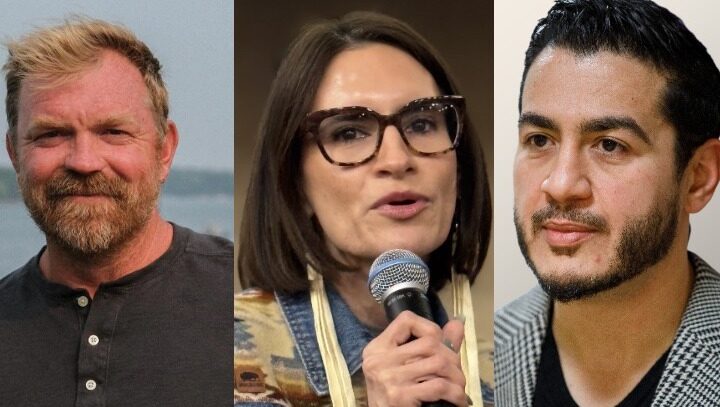
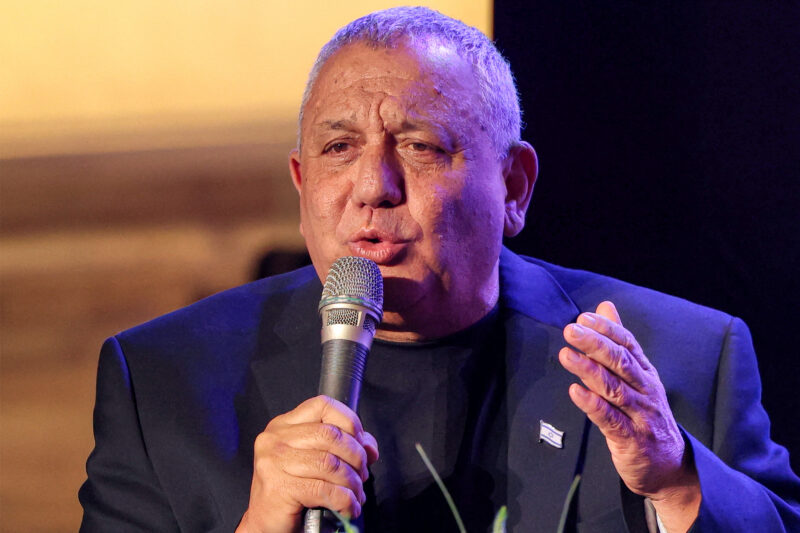
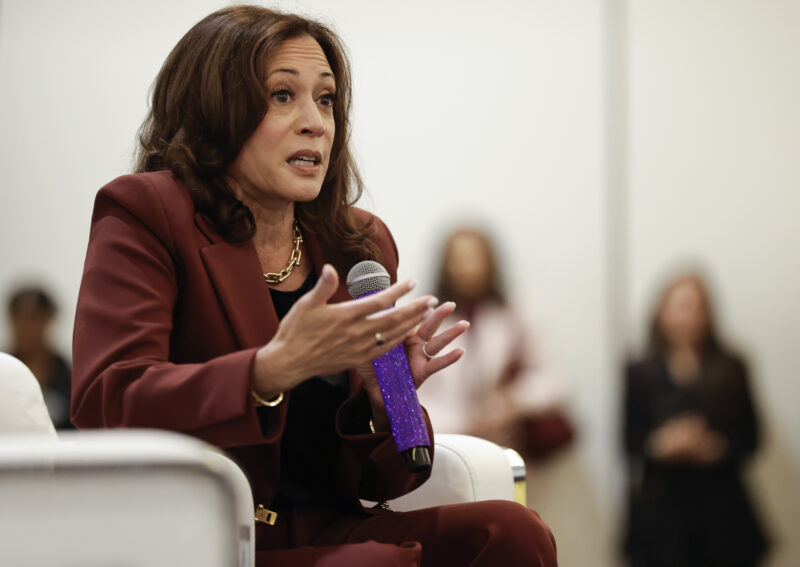
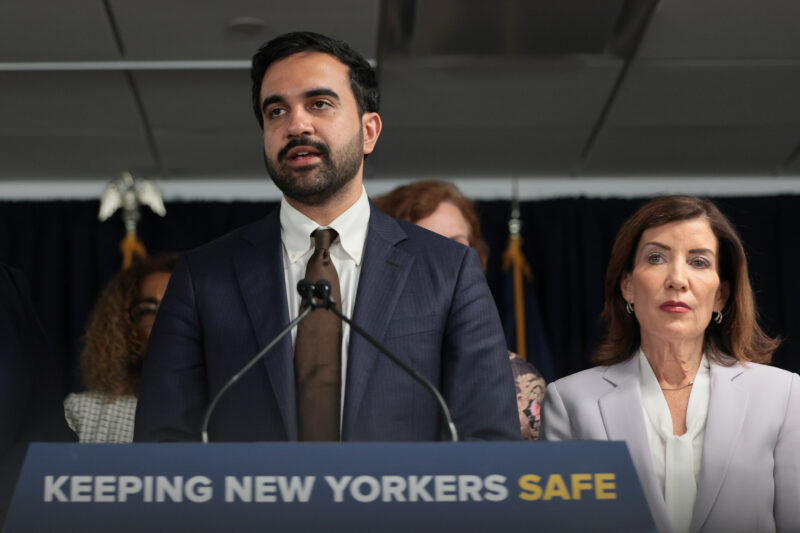
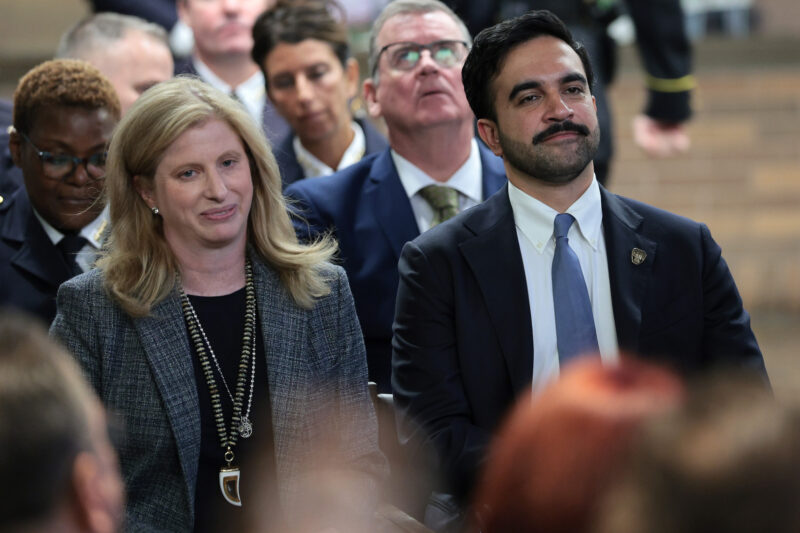
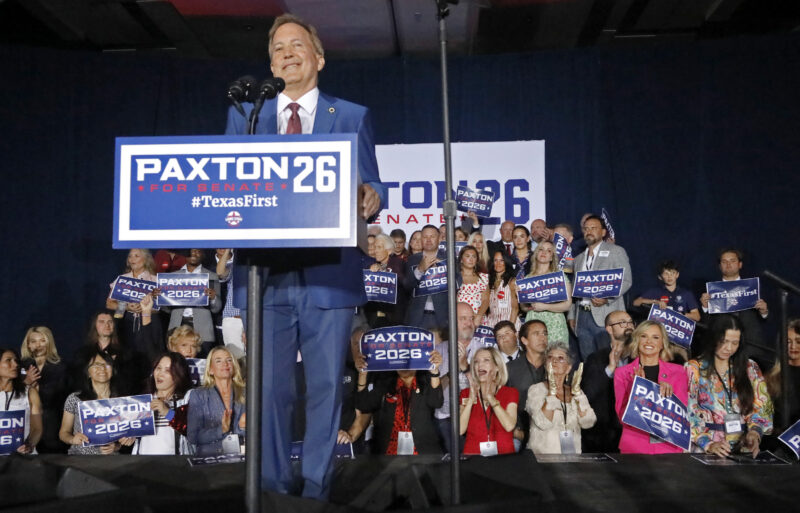
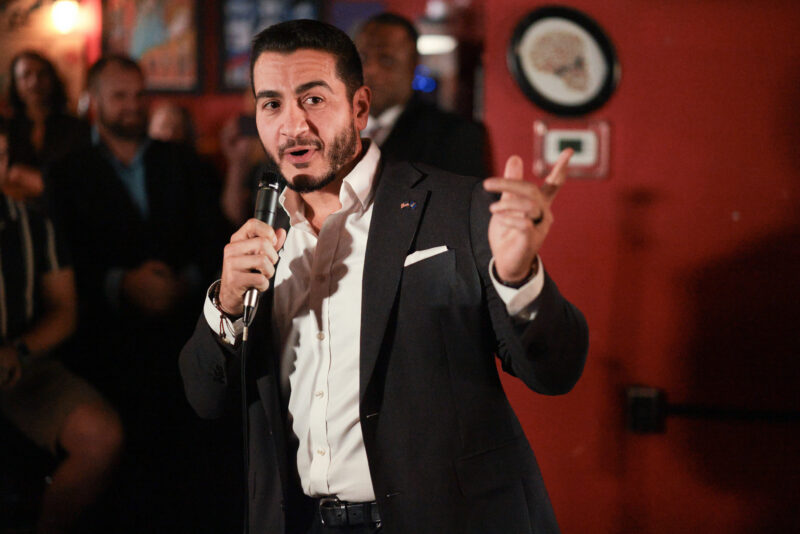
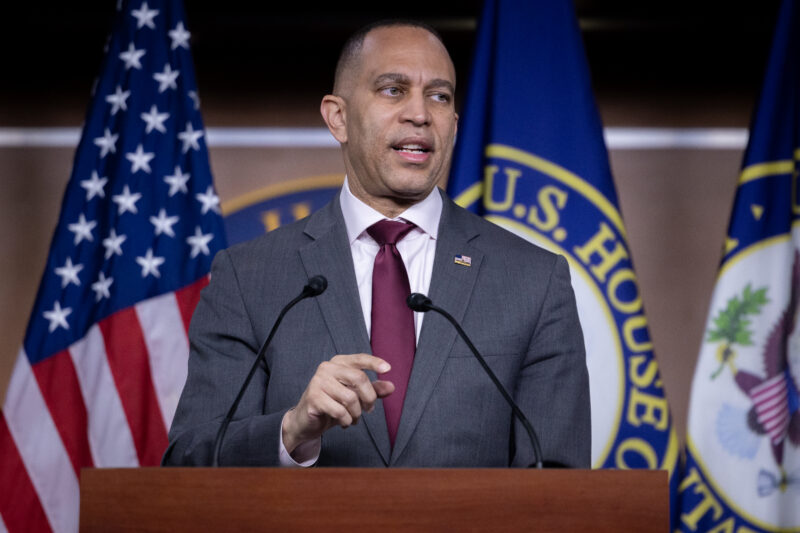
Graham Platner campaign/Travellers & Tinkers/Wikimedia Commons/Kenneth C. Zirkel/Wikmedia Commons
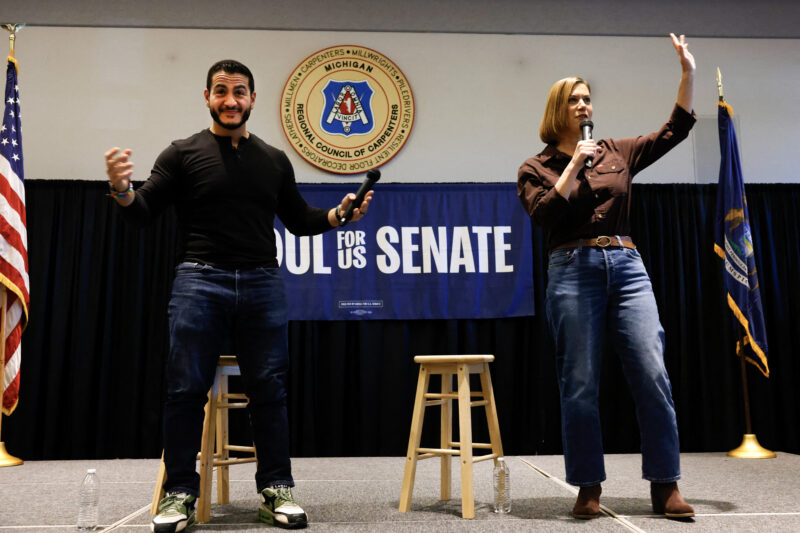
Graham Platner/ Lt. Gov. Peggy Flanagan/Abdul El-Sayed


 Add JewishInsider on Google
The combination of history and polling is pointing to the likelihood of a Democratic wave election in the 2026 midterms, which would give Democrats control of the House and a fighting chance to claw back a Senate majority.
Polls show Democrats holding a sizable edge on the generic ballot, their favored candidates are running competitively even in red states and congressional districts, all while President Donald Trump’s approval rating is sagging amid high gas prices, executive overreach and an uncertain outcome in the aftermath of the war in Iran.
But the one X-factor keeping Republicans competitive is the Democratic Party’s lurch leftward in the last year, leading to the emergence of extreme, exotic and out-of-the-mainstream candidates in pivotal battleground races.
Indeed, a new poll commissioned by The Argument magazine finds that the generic ballot shows Democrats have been stuck with a six-point lead for a while even as Trump’s job approval has declined precipitously in the last several months. They’re voting to put a check on the GOP’s dominance of Washington, without endorsing the direction of the Democratic party.
“Democrats still have tangible policy misalignments with many voters who dislike Trump,” The Argument concluded in its polling analysis.
All told, the question becomes: Will the anticipated Democratic wave closely resemble the Democrats’ version of the GOP Tea Party election of 2010? In that election, Republicans swept into power in the House but far-right and extreme Senate candidates in key races blew golden opportunities, costing Republicans the upper chamber.
That dynamic repeated itself in 2022, when many experts anticipated a Republican wave election, but the party’s nomination of hard-line MAGA candidates in battleground contests led to a marked underperformance.
The alternative outcome is that partisanship and tribalism now run so deeply that an individual candidate’s flaws — even seemingly disqualifying ones — don’t mean what they used to. Right now, Democratic primary voters look like they’re ignoring personal baggage in favor of candidates that are the most ideologically progressive, personally authentic and who are burning hot with rage against Trump and the leadership class.
On the Senate side, Maine Democrat Graham Platner fits that profile to a tee, and is all but locking down a primary victory against longtime Gov. Janet Mills, the favorite of the party establishment. If he’s the nominee, he’d then face Sen. Susan Collins (R-ME), who has a record of winning tough races even in dismal environments for her party.
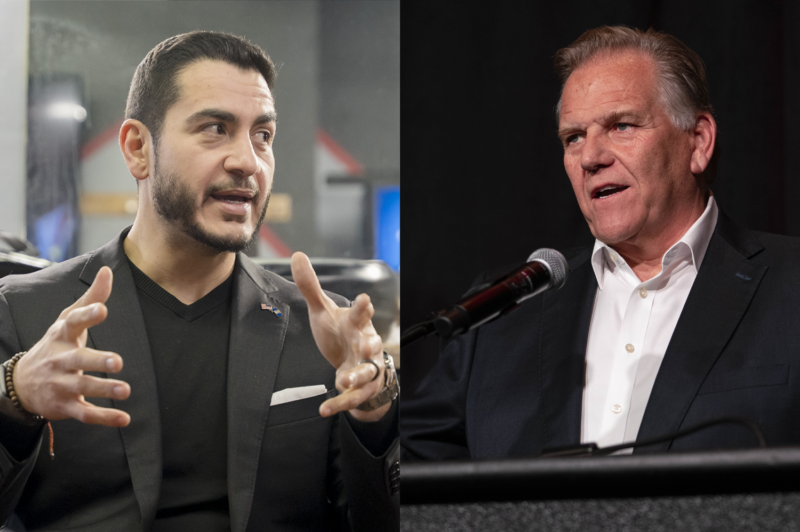
In Michigan, Abdul El-Sayed holds both a radical record and support from a dedicated progressive base of young voters and Arab Americans. That has put him in contention for the Democratic nomination, but many Democrats fear he’d lose the seat to former Rep. Mike Rogers, the expected Republican nominee.
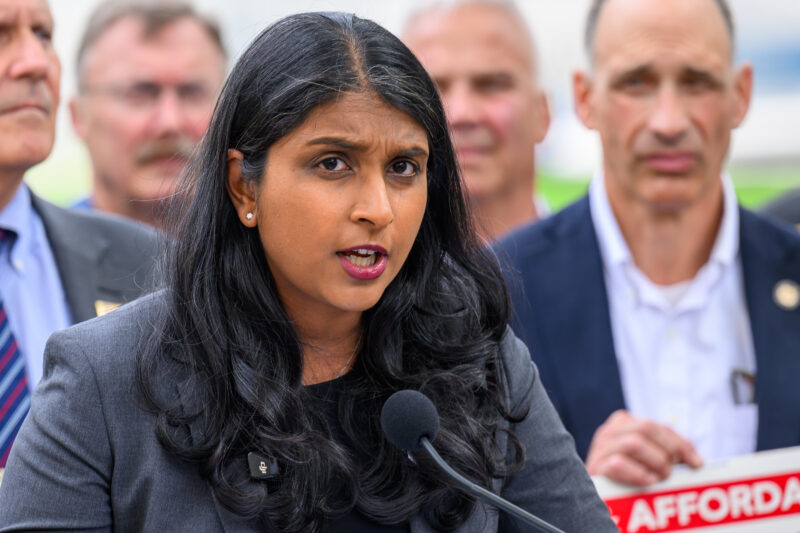
And in Minnesota, Lt. Gov. Peggy Flanagan holds lots of left-wing baggage but that’s not hurting her insurgent primary campaign against Rep. Angie Craig (D-MN), a more traditional and moderate Democratic contender. Former sportscaster Michele Tafoya is the GOP favorite in this race.
There are even more House races where problematic candidates are in contention in swing districts — like Ammar Campa-Najjar in the race of retiring Rep. Darrell Issa (R-CA) and Colorado state Rep. Manny Rutinel, running to unseat Rep. Gabe Evans (R-CO).
If 2010 offered any lessons, it’s that ideologically extreme, problematic candidates typically underperform expectations. That often makes the difference in a battleground state or district, where the margin of victory is typically close. It’s easy to get nostalgic for a time when a candidate like Christine O’Donnell (who notoriously proclaimed she was not a witch!) was as exotic as it got in politics. Now one of the Democrats’ leading Senate candidates is known for proclaiming he’s “not a secret Nazi.”
But given the tribalism of the current environment and the intense anti-Trump sentiment among Democrats and independents, do voters care about candidate quality anymore? Last November, Virginia voters elected an attorney general who survived revelations that he wished violence on a political opponent, only mildly underperforming the rest of the Democratic ticket.
This year’s midterm elections will put that proposition to the test. With strong battle-tested moderate recruits — like former North Carolina Gov. Roy Cooper and former Alaska Rep. Mary Peltola — in purple and red states, Democrats are expanding the Senate map and giving themselves a fighting chance for a clean sweep.
But they risk jeopardizing those gains with some (potentially) not-ready-for-primetime players in the biggest battlegrounds of all: Maine and Michigan.
More Stories

IN THEIR MEMORY
Administration officials join bereaved families for Oct. 7 commemoration event

ACCUSATION AFTERMATH
El-Sayed denies Muslim Brotherhood ties after Rogers debate claim

DIPLOMATIC PUSH
Miliband agrees to host international antisemitism meeting at urging of J7 Task Force

FOLLOW THE MONEY
Brandeis Center, FDD urge federal court to allow disclosure of campus foreign funding data

EMPIRE STATE EXCHANGE
Debating Hochul, Blakeman reiterates graphic warnings about anti-Israel protesters

booking bias
Irish Jewish leader says Dublin hotel canceled guest rooms for conference on fighting antisemitism
Please log in if you already have a subscription, or subscribe to access the latest updates.
 Continue with Google
 Continue with Apple