







































J Street accelerates leftward shift as progressives move to end Iron Dome funding
J Street’s Ilan Goldenberg said the surge in far-left calls to cut off missile-defense aid ‘stirred up the conversation a little more’ but says the group was moving that way regardless

Saeed Qaq/Anadolu via Getty Images
Rockets fired from Gaza are neutralized in the air by Israel's 'Iron Dome' air defense system on the fourth day of the clashes in the city of Ashkelon, Israel on October 10, 2023.


 Add JewishInsider on Google
In recent years, as the progressive Israel advocacy group J Street joined left-wing calls to place restrictions on U.S. military aid to Israel, support for funding Israel’s Iron Dome missile-defense system remained a sacred cow for the group — the final aspect of the old-school U.S.-Israel defense relationship that, even for most progressives, was unaffected by the broader Democratic shift away from unconditional support for Israel.
That consensus has shattered in recent weeks. Instead of steering the conversation among Democrats, where J Street maintains a solid base of support, the organization found itself playing catch-up to the progressive lawmakers it supports after several of them announced in early April that they think the U.S. should no longer fund Iron Dome batteries.
J Street released a statement on April 13 calling for the U.S. to cease funding Iron Dome batteries, arguing that Israel — a wealthy nation with a substantial defense budget — should pay for its own missile-defense systems. The announcement marked a significant policy shift for J Street, which has long stated that a congressional candidate’s support for U.S. financial backing of the Iron Dome system is one of its most important endorsement criteria.
J Street’s leaders have insisted that they reached this conclusion independently, and not as a result of shifting political winds. But in a conversation on Monday, J Street’s chief policy officer, Ilan Goldenberg, acknowledged that progressives’ rapid shift on the issue factored into J Street’s announcement, even as the group insists it was moving in that direction anyway.
“It stirred up the conversation a little more, but that memo was already written,” Goldenberg told Jewish Insider. “It’s not like this came out of nowhere. It was part of a track record of things we were doing. AOC kind of spurred up the conversation further.”
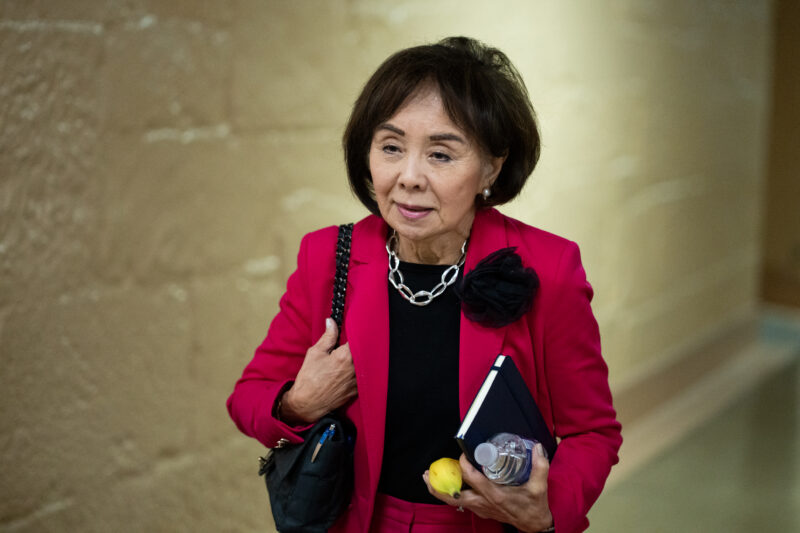
Goldenberg was referring to Rep. Alexandria Ocasio-Cortez (D-NY) telling the Democratic Socialists of America’s New York chapter that she opposes “any spending on arms for Israel, including so-called defensive capabilities,” as she also called for an arms embargo on the country. Several progressive lawmakers followed, including Reps. Ro Khanna (D-CA), Jim McGovern (D-MA), Jared Huffman (D-CA) and Mark Pocan (D-WI), all of whom were endorsed by J Street and voted for Iron Dome funding in 2021. Ocasio-Cortez, who is not a J Street endorsee, voted “present” on that 2021 legislation but signed onto a 2024 statement with several other progressive lawmakers saying they “support strengthening the Iron Dome and other defense systems,” even as they opposed offensive weapons sales to Israel.
“It’s been a combination of knowing this is coming, thinking through the substance of it ourselves and seeing the politics shift on it altogether that brought us to this point of making a decision about a week and a half ago to move in this direction,” Goldenberg said.
Alan Solomont, a former U.S. ambassador to Spain and the past board chair of J Street, said the decision was something J Street was heading towards on its own. Since the beginning of this year, the group has begun calling for an end to U.S. military aid to Israel, saying that Israel can afford to buy its own weapons systems, though it had not specifically made that argument for the Iron Dome until last week.
“We’re not following anyone else’s political lead. I think that, yes, we have been thinking about how we treat our military assistance in light of the policies of the current [Israeli] government, and we’ve been thinking about that for some time,” Solomont told JI last week. “Why people continue to support a government that is undermining Israel’s future is still sort of a puzzle to me.”
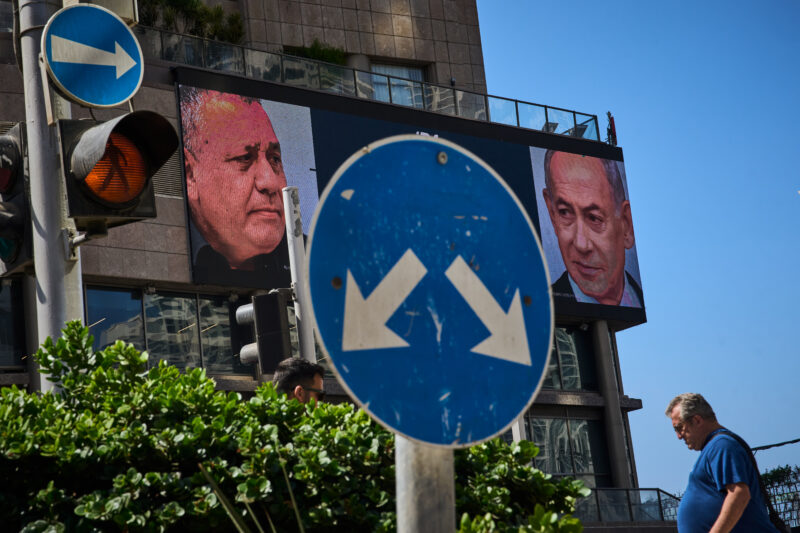
J Street’s leaders insist they are merely following the lead of Israeli Prime Minister Benjamin Netanyahu, who said in an interview with The Economist in January that Israel is seeking to end U.S. financial assistance in the next decade. Sen. Lindsey Graham (R-SC), a staunch Israel ally and a foreign policy hawk, then said he would accelerate that process, but he softened that position after a meeting with Netanyahu.
“Israel’s in a position now where it can pay for its weapons itself as a country that is as wealthy and powerful and successful as it is,” said Goldenberg, who served as Jewish outreach director on former Vice President Kamala Harris’ 2024 presidential campaign. “I think it got accelerated when Bibi and Lindsey Graham came out early this year.”
Still, Netanyahu’s call to phase out U.S. military aid has not yet resulted in any major policy shifts just yet, as the Memorandum of Understanding that provides Israel with its current $3.8 billion in annual military aid runs through 2028. Goldenberg said J Street wants to see the financial assistance “phased out in a responsible, rapid manner,” which he noted is “different than saying ‘cut it all off tomorrow.’” When asked whether J Street would support another Iron Dome missile-defense package if it were introduced at present, he suggested the organization would not.
“I would say that probably we support that not being in the supplemental,” Goldenberg said.
At the same time that J Street and many progressive lawmakers are calling for an end to U.S. financial assistance for the Iron Dome, other far-left candidates don’t think Israel should have access to Iron Dome batteries at all, even if paid for with its own funds.
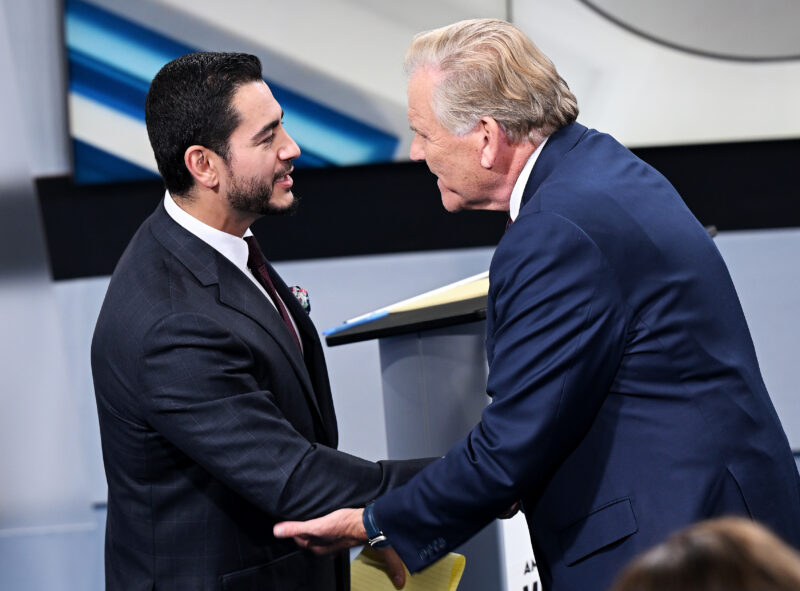
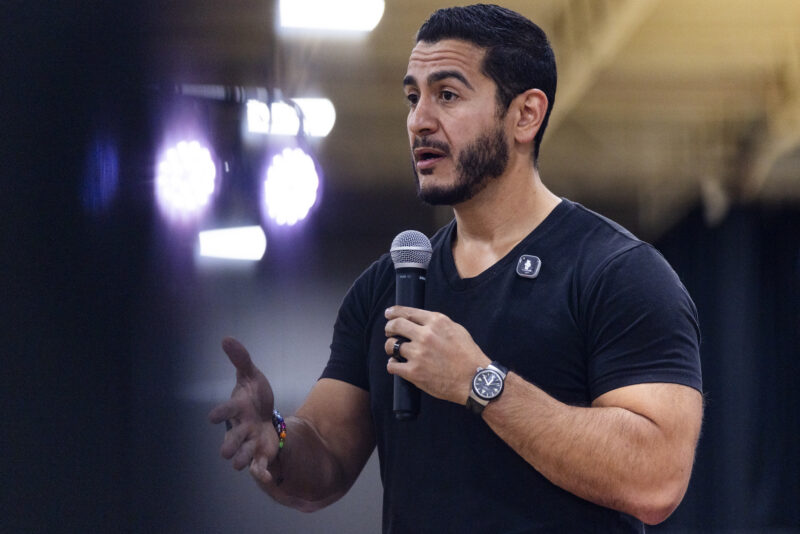
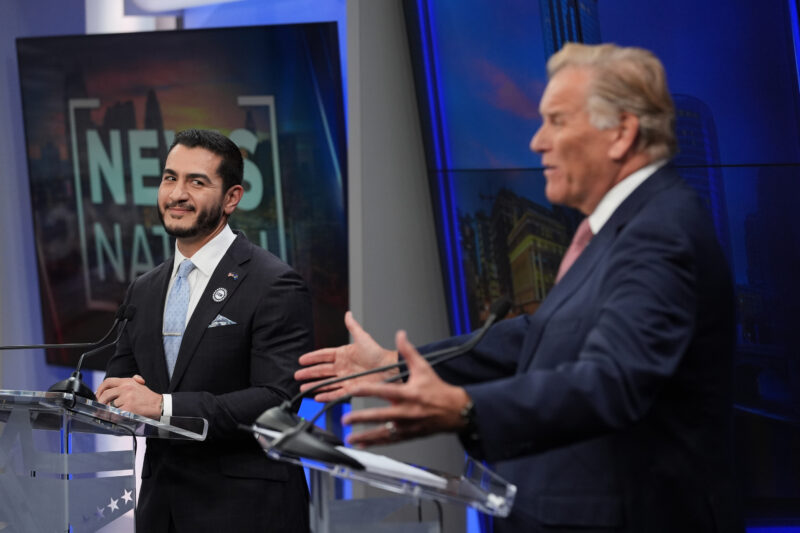
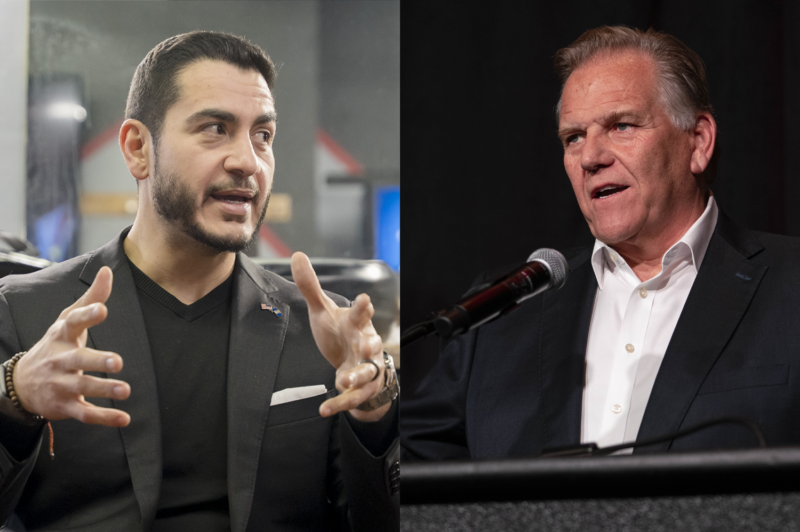
Abdul El-Sayed, a candidate for Senate in Michigan, has said the U.S. should not sell any weapons to Israel. DSA and other far-left groups argue that Israel’s access to strong missile-defense systems like the Iron Dome allow it to perpetuate bombing campaigns in Gaza and Lebanon because Israeli civilians are protected, and therefore the Iron Dome is responsible for bloodshed in the region. J Street argues that its position is holding the line against that more extreme view.
“I think that is a position that we need to guard against. We need to recognize Israel’s legitimate security needs,” Solomont said. “We should certainly be concerned about Israel’s security, and work with Israel as an ally around its security. Our commitment to Iron Dome is simply that we think that Israel, with an economy and per capita GDP that is higher than other allies — we’re just following Netanyahu’s lead to say that Israel can pay for these things itself.”
More Stories

ECONOMIC ANGST
Netanyahu predicts end of U.S. military aid, calls for plan to circumvent potential sanctions
DEBATE DIGS
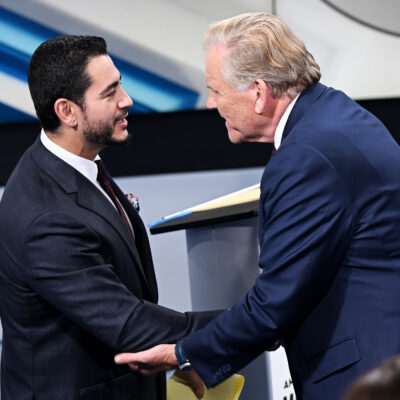
Rogers describes El-Sayed as a national security threat in final Michigan Senate debate

PRAIRIE STATE PRIORITIES
Illinois Democrats spend big for anti-Israel candidate running for state Senate
SECURITY SETBACK
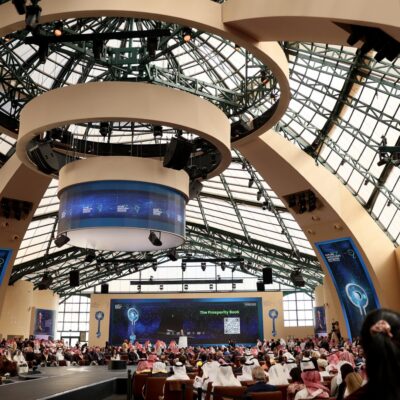
Saudi Arabia postpones ‘Davos in the Desert’ until 2027 amid Houthi attacks

NEW CHAPTER
High Line Publishing launches with fanfare to counter barriers for Jewish authors
MINNESOTA MIC DROP
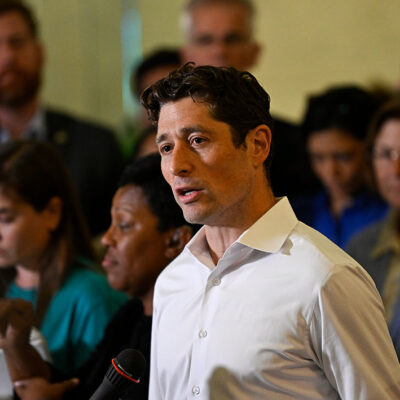
Jacob Frey, Betty McCollum join Minnesota Dem chorus condemning Piker event
Please log in if you already have a subscription, or subscribe to access the latest updates.
 Continue with Google
 Continue with Apple