































Vance finds himself in Harris’ shoes — caught between the war and his base
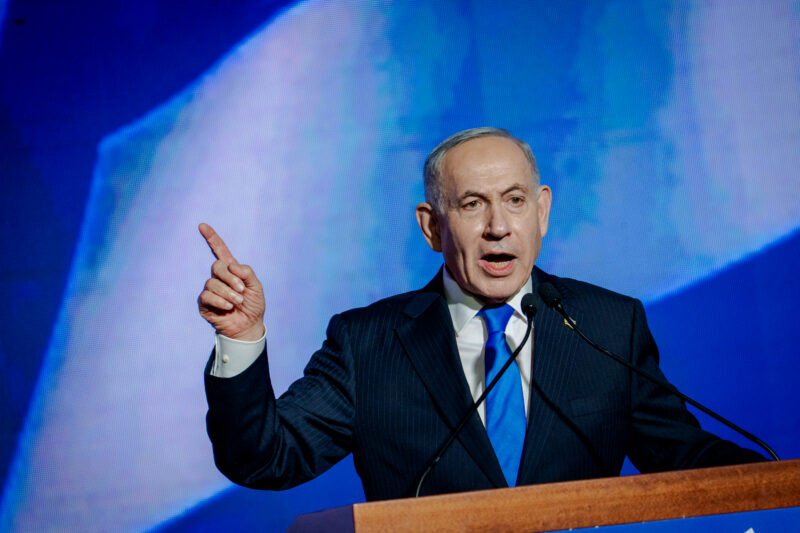
Vance has struggled to appease a coalition of anti-war critics on the populist right who feel his alignment with Trump’s foreign policy agenda represents not only a betrayal of their values but also the noninterventionist views he long espoused
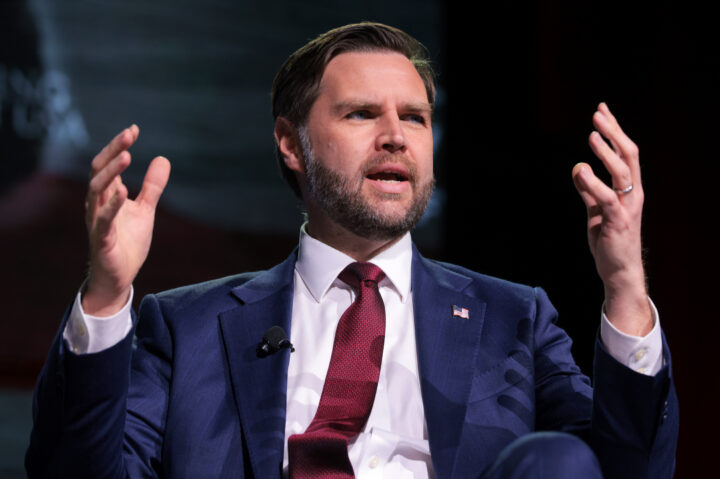
Chip Somodevilla/Getty Images
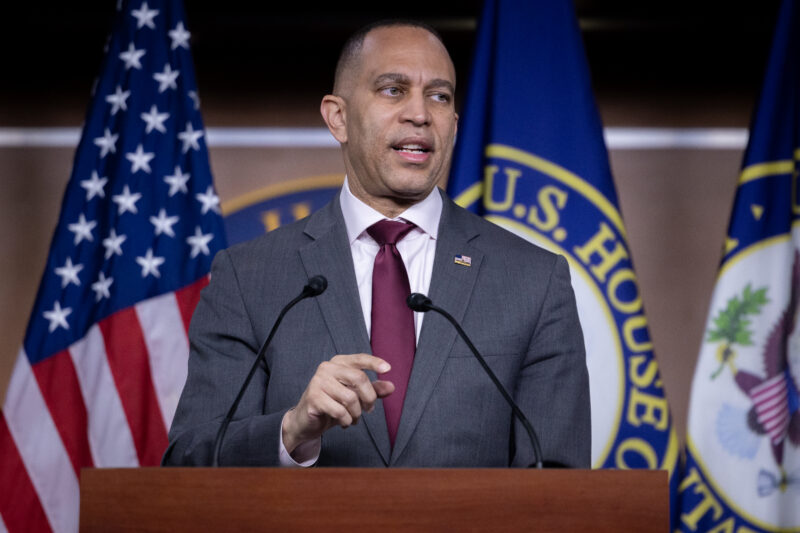
U.S. Vice President JD Vance speaks during a Turning Point USA event at Akins Ford Arena at the Classic Center on April 14, 2026 in Athens, Georgia.


 Add JewishInsider on Google
As Vice President JD Vance has recently found himself navigating tenuous negotiations between the United States and Iran, his central role in the talks to end the war is highlighting his own vulnerabilities on the domestic front — where he is facing pushback from the isolationist right that is seen as part of his coalition.
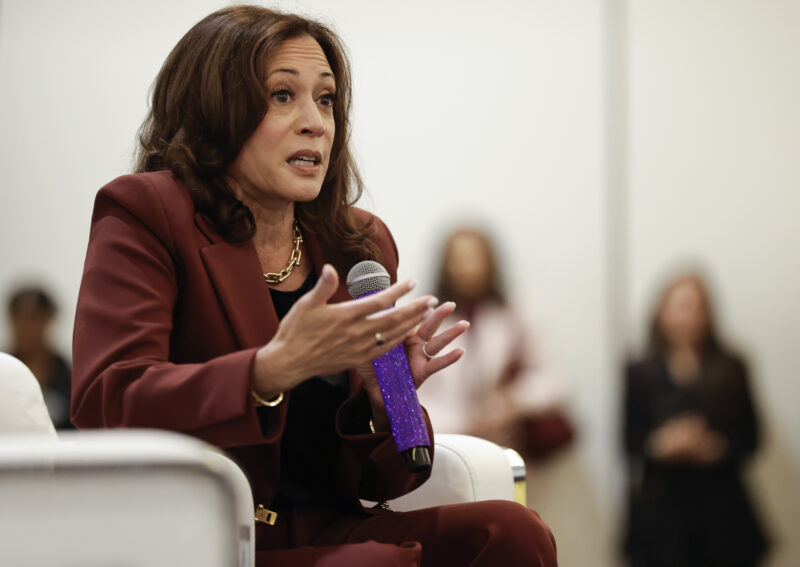
In many ways, Vance’s political troubles recall his predecessor, former Vice President Kamala Harris, who in her 2024 presidential campaign drew fierce protests from far-left activists who objected to former President Joe Biden’s support for Israel amid the war in Gaza.
Harris, who has grown more openly critical of Israel since losing the race and leaving office, strained both to articulate a consistent message on Gaza that would satisfy the far and center left and to distance her campaign from an aging, unpopular president whose approach to Israel, according to her recent memoir, was not fully aligned with her own.
Anti-Israel activists continue to insist, even years after the election, that Harris’ association with Biden while he supported Israel’s war against Hamas cost her votes that contributed to her defeat, while pro-Israel Democrats claim she failed to draw red lines around growing extremism within the party that alienated moderates, and is now inflecting the midterm elections. More recently, the former vice president faced anti-Israel hecklers during a book tour last year.
In recent weeks, Vance, who is widely seen as a top 2028 presidential prospect, has likewise struggled to appease a restive coalition of anti-war critics on the populist right who feel his alignment with President Donald Trump’s robust foreign policy agenda represents not only a betrayal of their values but also the noninterventionist views he himself had long espoused.
Last week, in a disruption reminiscent of Harris’ campaign experience, Vance was notably heckled during a speaking appearance at a Turning Point USA event held at the University of Georgia, where an attendee interrupted his comments to accuse the Trump administration of supporting “genocide” in Gaza and “killing children.”
“If you want to complain about what happened in Gaza, why don’t you complain about Joe Biden and the last administration? We’re the administration that solved that problem,” Vance said in response to the heckler, after defending what he called Trump’s “peace agreement in Gaza.”
He also touted his so far unsuccessful efforts to broker a resolution to the Iran war — about which he reportedly voiced resistance behind the scenes before Trump greenlit the campaign in late February — saying he is pursuing the president’s goal to achieve an ambiguously outlined “grand bargain” on nuclear enrichment.
“The United States had never had meetings at that level with the Iranian government in 49 years,” Vance said at the event, days after returning from talks with Iran in Islamabad where he tried and failed to reach a diplomatic agreement.
The vice president was expected on Tuesday to leave for resumed negotiations in the Pakistani capital as a two-week ceasefire was set to soon expire, but his trip was put on hold and the ceasefire extended, raising questions about the prospect of a swift settlement.
While Vance had sought to keep the war at arm’s length in the initial days after the attack on Iran, his high-profile position in the negotiation process has now forced him to identify more closely with the sort of foreign military conflict he had built his political career on opposing.
As a junior senator from Ohio, Vance even wrote in a January 2023 opinion piece that he was supporting Trump’s reelection campaign because the president “started no wars” in his first four years in the White House.
With Trump’s approval ratings trending downward — and as Republicans fret that the war in Iran as well as rising gasoline prices could undercut their chances of holding the House and Senate in the midterms — much is riding on Vance’s efforts to put an end to the conflict as he lays the groundwork for a potential White House bid.
While polling has shown that Trump’s war aims continue to garner widespread backing within his party, including the MAGA wing, independent voters who were a key part of his winning coalition in 2024 are divided, as are younger voters whom Vance has targeted.
In Georgia last week, Vance seemed to acknowledge disappointment among audience members over the war. “I recognize that young voters do not love the policy we have in the Middle East, OK,” he said. “I understand.”
“I’m not saying you have to agree with me on every issue,” he said at the Turning Point event. “What I am saying is: Don’t get disengaged because you disagree with the administration on one topic. Get more involved, make your voice heard even more. That is how we ultimately take the country back.”
Ahead of 2028, Vance is no doubt hoping that his involvement in the Iran negotiations will help yield a deal that satisfies the president and that he can wave before the far-right base he has continued to indulge, even as it has grown increasingly hostile to Jews and Israel.
Meanwhile, Vance has at the same time made some overtures to pro-Israel Republican donors skeptical of his close relationship with Tucker Carlson, a vocal detractor of Israel whose commentary regularly veers into antisemitic rhetoric that the vice president has ignored or downplayed.
But as Harris’ problems demonstrated two years ago, Vance may ultimately find it is not possible to have it both ways.
More Stories
SCOOP
Ro Khanna to urge negotiators to pull U.S.-Israel cooperation provisions from defense bill
SACRAMENTO SHOWDOWN
Rep. Doris Matsui continues to highlight Hasan Piker links to far-left opponent Mai Vang

EDUCATION INVESTIGATION
House Education Committee finds systemic antisemitism in Philadelphia, Berkeley K-12 schools
MAIL FAIL
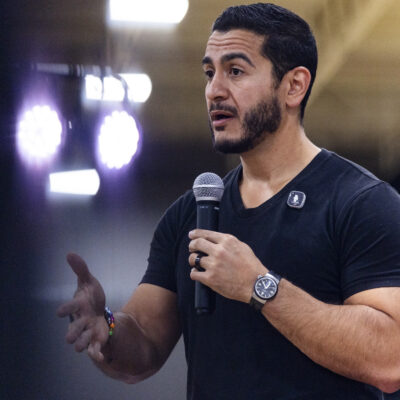
El-Sayed letter to Jewish community on antisemitism fails to reassure skeptics
PIKER PROBLEM
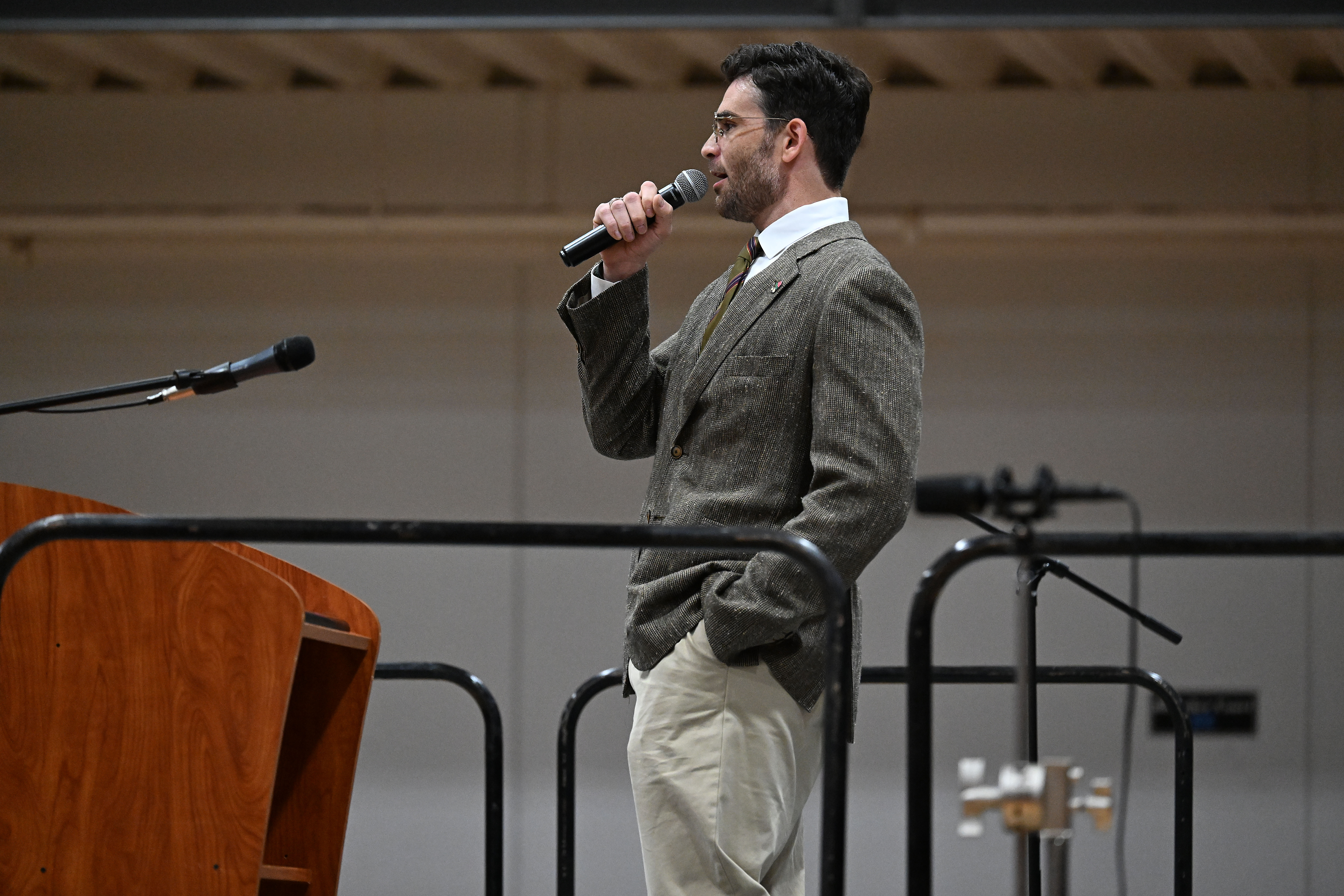
Hasan Piker event in Minnesota with Ilhan Omar faces growing backlash
SECURITY SETBACK
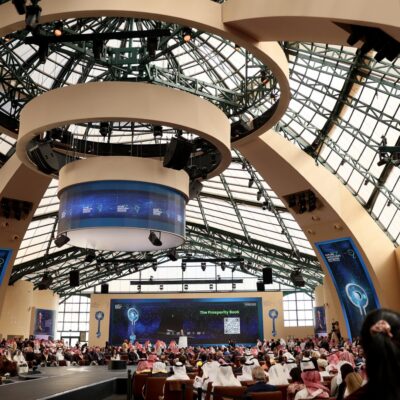
Saudi Arabia postpones ‘Davos in the Desert’ until 2027 amid Houthi attacks
Please log in if you already have a subscription, or subscribe to access the latest updates.
 Continue with Google
 Continue with Apple