


































Pritzker, Emanuel take contrasting paths on Israel, antisemitism ahead of possible presidential runs
In two separate interviews published Tuesday, Pritzker came out as a more forceful voice against antisemitism and in support of the U.S. relationship with Israel

U.S. Embassy in Japan/United States Department of Defense
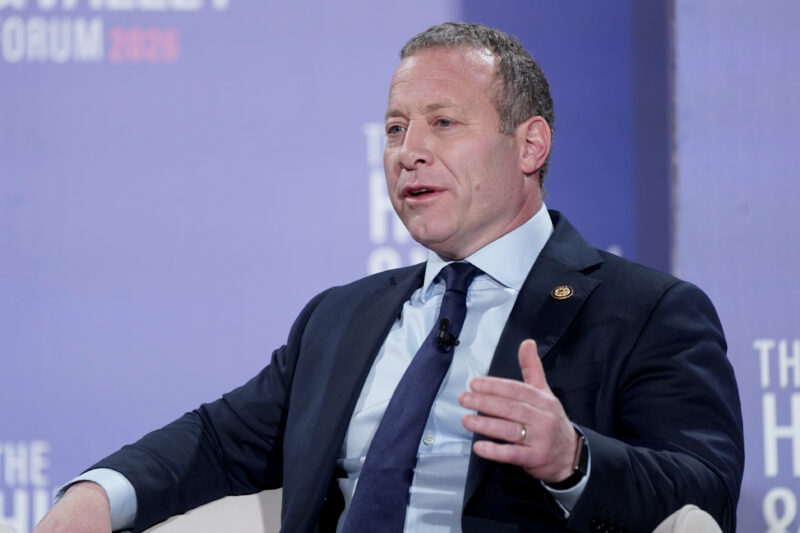
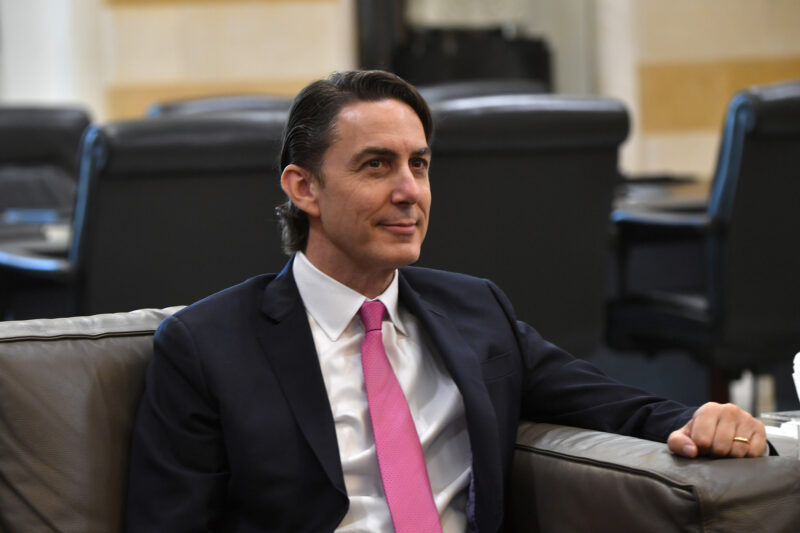
Rahm Emanuel/Illinois Gov. JB Pritzker


 Add JewishInsider on Google
Two Jewish Democrats from Chicago are looking to run for president.
One, Illinois’ two-term governor, JB Pritzker, has built up a reliably progressive record while steering clear of ideological fights over Israel, antisemitism and other cultural issues fueling the Democratic Party.
The other, former Chicago Mayor Rahm Emanuel, is one of his party’s leading pragmatists, known for feuding with left-wing Democrats over education, the power of unions and the degree to which cultural progressivism cost the party on the ballot box.
So it came as a surprise that, in two separate interviews each published Tuesday, it was Pritzker who came out as a more forceful voice against antisemitism and in support of the U.S. relationship with Israel, while Emanuel sounded like he was all too eager to blame Israeli Prime Minister Benjamin Netanyahu as he anticipated a future breakup between the two close allies.
Pritzker offered the point that relationships between allies aren’t dependent on whether you personally like the elected leadership in charge. It’s a line you’d expect more mainstream Democrats to invoke, especially as Israel’s favorability within the Democratic Party has sunk to new lows.
“There are a lot of people who don’t like Netanyahu, but you shouldn’t take it out on Israel. It’s a democracy that elected him. There are a lot of people who don’t like Trump. I mean, should we be tossed into The Hague as a country because of Trump?” Pritzker told Politico over matzoh ball soup at Manny’s Deli, referring to the home of the International Criminal Court.
Emanuel, when asked by Jewish Insider if there was a special relationship between the U.S. and Israel, agreed with the premise but then quickly pivoted to arguing the state of the relationship should be premised on Israel’s efforts contributing to peace in the region. It’s an implication that its post-Oct. 7 efforts at self-defense have gone too far.
“Every risk you will take, the State of Israel takes, for peace, then America will stand by you,” he told JI. “We understand there’s risks. We have stood by Israel through thick and thin.” “But,” he said, “when one friend in that relationship abandoned something that’s contrary to our interests and contrary, in my view, also to Israel’s interests,” it is reasonable to rethink that alliance.
Pritzker also spoke directly about the scourge of antisemitism, laying most of the blame for the rise in anti-Jewish hate on President Donald Trump, but when pressed, also laid out a clear red line that it’s never acceptable to invoke antisemitism for disagreeing about Israel’s policies.
“Antisemitism has often been connected to people’s views about Israel. That is: If you don’t like what Israel and, in particular, Netanyahu are doing, now it’s OK to have slurs that you’re spewing about Jews,” Pritzker said. “It’s not. It’s never OK.”
Asked about whether anti-Zionism intersects with antisemitism, Emanuel touted his own experiences fighting neo-Nazis in Skokie, Ill., and relentlessly attacking anti-Jewish hate as an elected leader. He told JI that “we have to confront” antisemitism wherever it emerges, referencing Maine Senate candidate Graham Platner not knowing he had a neo-Nazi tattoo on his chest. One day later on CNN, he endorsed Platner’s campaign.
At a time when unfavorable views of Israel are at historic highs within the Democratic Party and open antisemitism is being tolerated in a way unimaginable not long ago, the trajectory of these two prominent Jewish presidential contenders — along with the fate of Pennsylvania Gov. Josh Shapiro — will be instructive on the future role of Jewish voters within the Democratic coalition.
Pritzker, with strong anti-Trump and progressive bona fides, may feel a little more comfortable tacking to the center when talking about Israel and antisemitism. Emanuel, who has made a name for himself as a moderate calling out the excesses of the left as he travels across the country (and speaks on TV), may be a little more reticent to tout his pro-Israel credentials, given the ideological direction the party is headed in.
More Stories

Daylight Between Them
Trump, Cotton feud over daylight saving time legislation
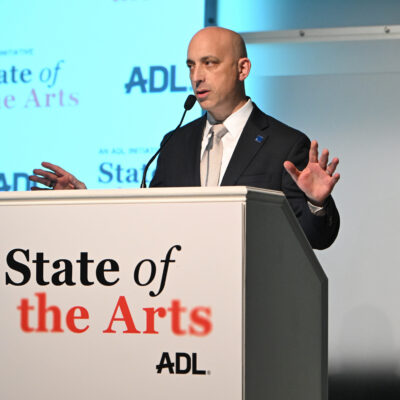
EXHIBIT A
No major U.S. art museum counts Jewish identity in its diversity commitments, ADL report finds
museum moment
Elisha Wiesel: U.S. Holocaust Museum has ‘unique responsibility’ to counter genocide claims against Israel
DEFINITION DEBATE
Troy Jackson: ‘Unfortunate’ that Jewish Mainers reject ‘genocide’ label for Gaza war
FRIENDS ON THE TRAIL
Far-left California House challenger Mai Vang to campaign with Piker, insurgent DSA Dems

CAMPUS DIVIDE
University of Texas Jewish groups host former Israeli hostage to counter Piker program
Please log in if you already have a subscription, or subscribe to access the latest updates.
 Continue with Google
 Continue with Apple