






























Current, former U.S. and Israeli officials reject Trump claim that U.S. ‘knew nothing’ about Israeli strike on South Pars gas field
Trump made the remarks in a Truth Social post, in which he threatened that the U.S. would bomb the South Pars gas field if Iran does not stop attacking Qatar
Alex Wong/Getty Images
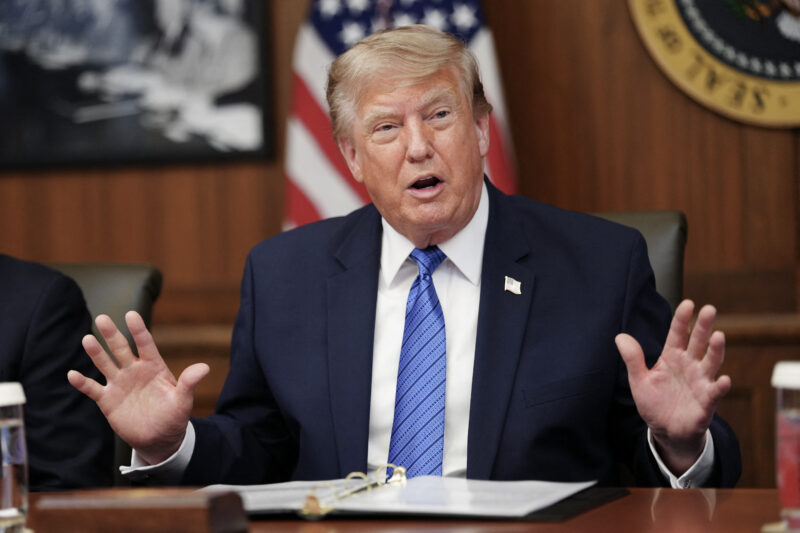
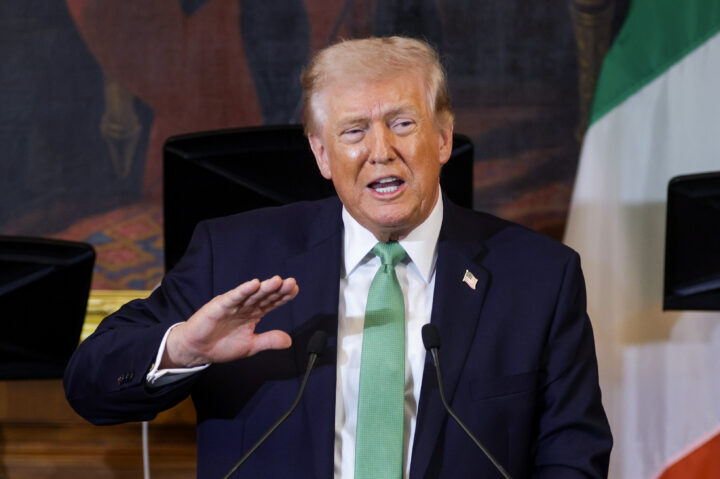
President Donald Trump speaks during the annual Friends of Ireland Luncheon at the U.S. Capitol on March 17, 2026 in Washington, DC.


 Add JewishInsider on Google
Current and former Israeli and U.S. officials suggested that an Israeli strike on an Iranian gas field on Wednesday that prompted the Islamic Republic to strike Qatar was coordinated with the White House, despite President Donald Trump’s claim that the U.S. “knew nothing about this particular attack.”
Trump made the remarks in a Truth Social post, in which he threatened that the U.S. would bomb the South Pars gas field, the Iranian portion of the larger field shared with Qatar, if Iran does not stop attacking Qatar.
“The United States knew nothing about this particular attack, and the country of Qatar was in no way, shape or form involved with it, nor did it have any idea that it was going to happen. Unfortunately, Iran did not know this … and unjustifiably and unfairly attacked a portion of Qatar’s [liquid natural gas] facility,” the president wrote.
If “Iran unwisely decides to attack a very innocent, in this case, Qatar,” he added, the U.S., “with or without the help or consent of Israel, will massively blow up the entirety of the South Pars Gas Field at an amount of strength and power that Iran has never seen or witnessed before.”
An Israeli official told Kan News, Israel’s public broadcaster, that the attack on the South Pars gas field was coordinated with the U.S.
Dan Shapiro, the former U.S. ambassador to Israel and Pentagon official in the Biden administration, wrote on X, “Trump can post whatever he likes. But there is zero, I mean zero, chance the IDF would conduct a strike in that location without giving CENTCOM full visibility.”
“Trump knew (and approved),” Shapiro added. “Now he realizes it caused a major escalation with Iran’s (entirely unjustified) attacks on Gulf energy targets.”
Shapiro later clarified that the Israeli strike “could not have been carried [out] without U.S. knowledge and explicit or implicit approval.”
“It was predictable that strikes on Iranian energy facilities (by US or Israel) would lead to Iranian strikes on Gulf energy facilities,” he wrote. “There is a narrow window following the Israeli and Iranian strikes, and Trump’s Truth Social Post (untrue, but possibly useful in this context), to de-escalate away from further strikes on energy industry targets in either direction. That will still leave a very challenging situation to unwind, but [it] would be the best near-term development.”
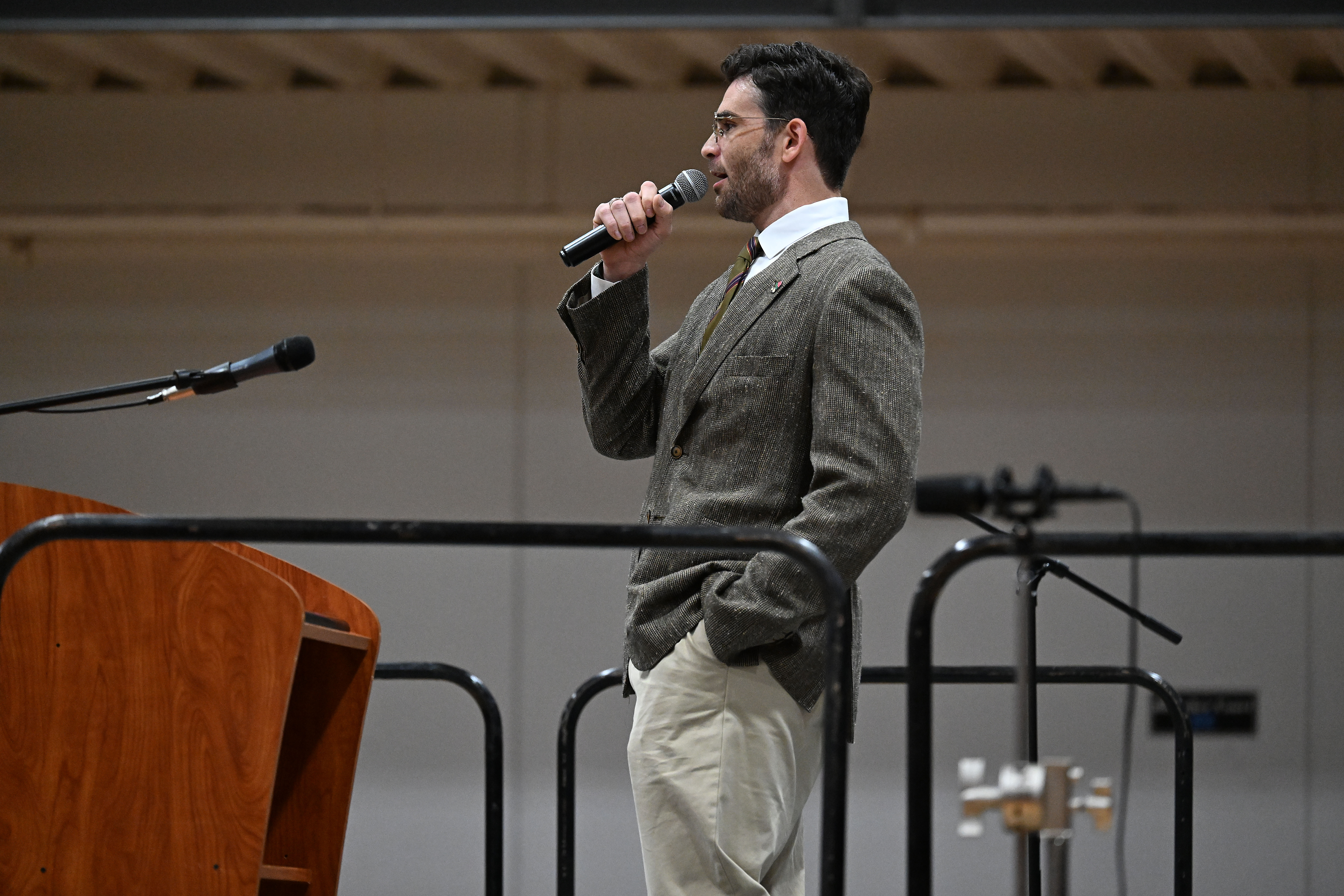
Gilad Erdan, a former Israeli ambassador to Washington and a former member of Israel’s Security Cabinet, told Jewish Insider that it was highly likely the U.S. knew about the strike, saying that Trump did not criticize Israel in his post, and “in the same breath” as saying the U.S. was unaware, “[Trump] himself threatened to erase the [gas] field.”
Erdan noted that the South Pars gas field is “used for Iran’s domestic energy needs [and] doesn’t harm the international energy market.”
“Israel took upon itself to be at the front [of the situation] in my estimation because the field is also Qatari,” Erdan, who is also a senior fellow at the Misgav Institute for National Security, said. “Someone had to send the deterrent message about the energy field to the Iranians, that if they continue, then all options are open against them and they will be hurt badly.” (The writer is a senior fellow at the Misgav Institute and cohosts its podcast.)
Yaakov Katz, an Israeli military expert and author of While Israel Slept: How Hamas Surprised the Most Powerful Military in the Middle East, told JI that he agreed with Shapiro’s assessment. “There is no way Israel would attack such a strategic facility [without coordination] because they know it would draw the Iranians to attack the Gulf states,” he said.
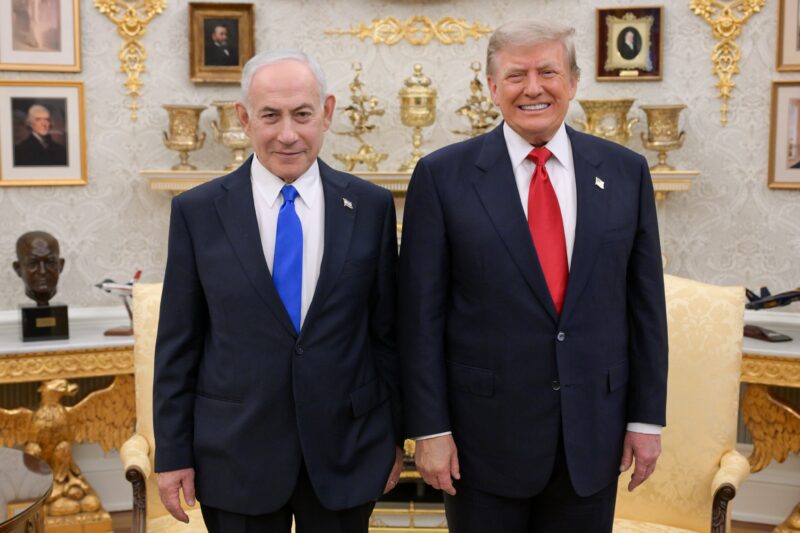
Katz pointed to Israeli Prime Minister Benjamin Netanyahu’s behavior since the war with Iran began late last month as further indication that Israel was unlikely to make such a move without coordinating with the U.S.: “Why would Netanyahu who behaved so carefully all throughout the war, coordinating with Trump to not upset him so he keeps the war going … do something that would anger Trump and potentially lead him to do something brash and declare the war is over?”
“It was coordinated, and now Trump is saying what he’s saying to distance himself, but it was done to send a message to the Iranians,” Katz added.
Also Thursday, Saudi Arabia released a statement with the foreign ministers from Azerbaijan, Jordan, the UAE, Bahrain, Pakistan, Turkey, Syria, Qatar, Kuwait, Lebanon and Egypt urging Iran to stop its attacks.
“The participants held Iran fully responsible for the losses and called on Iran to immediately and unconditionally cease its aggression and to comply with UN Security Council resolutions. The meeting also emphasized the dangers of supporting militias and destabilizing security, stressing that Iran must seriously reconsider its miscalculations,” the statement read.
If Iran continues, the foreign ministers stated, there will be “serious consequences for Iran and the security of the region, and will exact a heavy price, casting a shadow over its relations with the countries and peoples of the region, who will not stand idly by in the face of threats to their capabilities.”
More Stories
BOOKSHELF
New book ‘In the War Room’ offers candid look at Netanyahu’s wartime decisionmaking
analysis
Pappas wins New Hampshire Senate nomination over anti-Israel Dem activist
analysis
Netanyahu’s U.N. visit presents test for Mamdani and NYPD
FLAGGING FICTION
Blinken denies report he delayed Hamas offer to free hostages

AID CONVERSATION
GOP Reps. Kustoff, Goldman say Republicans want to see U.S. aid to Israel continue
A FATHER'S LOVE
After son’s remains returned from Gaza, Ruby Chen continues his fight in Washington and beyond
Please log in if you already have a subscription, or subscribe to access the latest updates.
 Continue with Google
 Continue with Apple