














































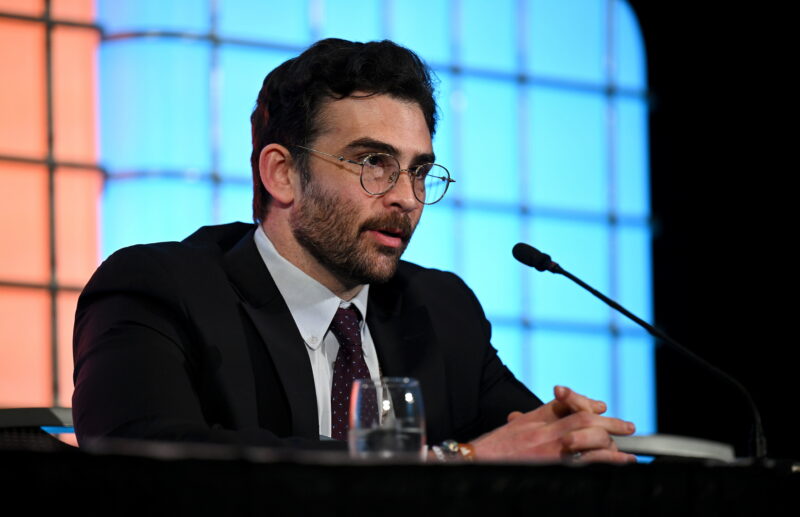











Yehuda Kurtzer calls on American Jews to embrace reality of ‘political homelessness’
In conversation with The Atlantic’s Jeffrey Goldberg, Kurtzer said the Jewish community is caught between the illiberalism of the left and the illiberalism of the right
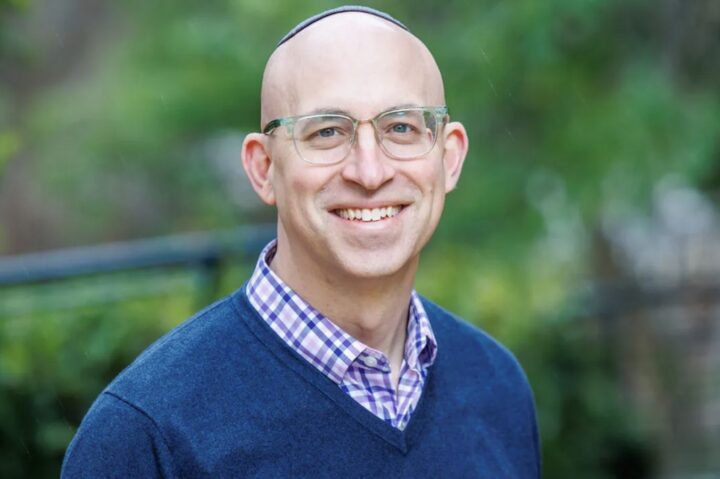
Shalom Hartman Institute
Yehuda Kurtzer


 Add JewishInsider on Google
Amid a surge in antisemitism across the political spectrum, many American Jews have described feeling a growing sense of isolation. But for Yehuda Kurtzer, president of the Shalom Hartman Institute, being “politically homeless” is not a crisis to be solved, but rather a position to be embraced.
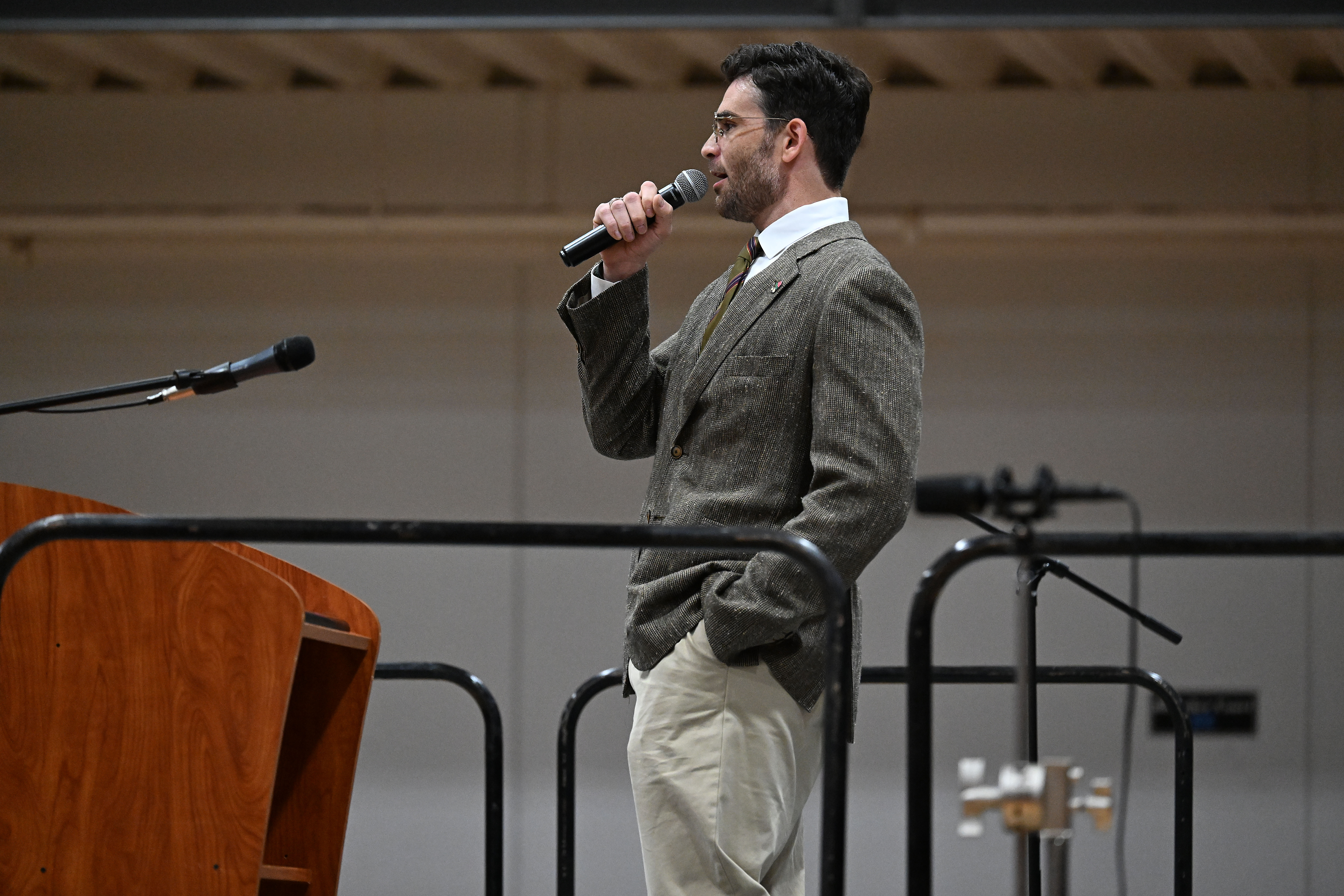
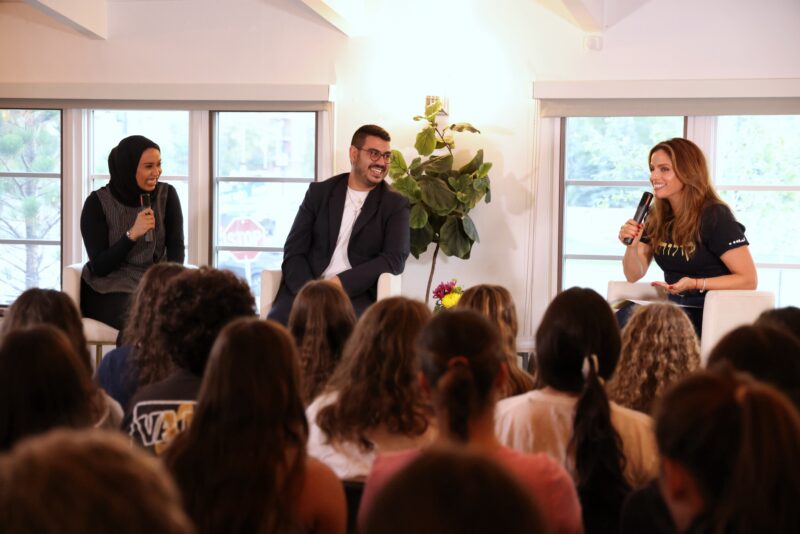
“I don’t think some measure of political homelessness is a fundamentally bad thing,” Kurtzer said on Thursday while speaking alongside Jeffrey Goldberg, editor-in-chief of The Atlantic, at the Capital Jewish Museum in Washington. “I think Americans have become hyper-partisan in ways that reflect that partisan political identity has become part of our identities in ways that are not healthy for Americans.”
Kurtzer and Goldberg sat in conversation at an event focused on American Jewry ahead of the upcoming 250th anniversary of the founding of the United States.
Kurtzer argued that hyper-partisanship is particularly dangerous for the Jewish community, noting that Jews “believe in the notion that we are tethered to other people regardless of what they believe.” He said American Jews “should take that same ethos and apply it to what it means to be an American as well.”
“Choosing a side has never worked for Jews because when you get out of the hall to power, you will be identified as the exemplar of that political attitude that can now be destroyed,” Kurtzer said.
“Now we’re stuck as an American Jewish community between an illiberal argument on the right, which is currently in power, and an illiberalism of the left,” Kurtzer continued. “We don’t have a choice as American Jews but to fight for the very liberal framework that resists the authoritarianism of the right and resists the authoritarianism of the left and insists that this is the only way we can make it work for ourselves.”
This tension is especially acute on university campuses, Kurtzer said, where he believes “progressivism” has played “a major role in shutting down the pluralistic discourse that a university campus is supposed to inhabit.”
“I think there’s an immense amount of shame that travels for American Jews, especially for young people, about association with Israel,” Kurtzer said. “At a moment like this, it’s very hard to get past that shame with even rational arguments.”
However, Kurtzer suggested that young Jews may be uniquely positioned to model a “healthy political alternative” by demonstrating how to navigate complex discourse. He noted that since the Oct. 7, 2023, Hamas attacks, many Jews feel “a greater sense of attachment to the Jewish community and Jewish lives and even the State of Israel.”
He argued that American Jews must “find a way to articulate the thickness of our relationship to Israel and the Jewish people that is not perpetually under the test of what the Israeli government does today and tomorrow.”
Kurtzer also warned that the American Jewish community has grown too “comfortable” being part of the daily fabric of American life.
“Jews wrote the soundtrack to American patriotism. We engaged in that project,” he said. “The thing that I think the American Jewish community has let go of is that we became comfortable saying, ‘We’re now insiders to that project. We no longer need to be active creators of the American story.’ We just get to kind of sit on our laurels.”
While Kurtzer called for further engagement from the Jewish community in American life and political processes, he explained that the strength of the community also lies in its willingness to remain distinct.
“It’s OK and probably important for Judaism to maintain some dimension of counter-culturalism,” Kurtzer said. “Some dimension of insisting that in a radical technological world, anti-technological behaviors like turning off your phone for 25 hours a week are actually good.”
More Stories

MARYLAND MATTERS
Montgomery County, Md., rabbis accuse school district of failing to address antisemitism surge

BILL TABLED
Senate Judiciary Committee cancels planned markup of buffer zone bill

SECURITY SHORTFALL
Nonprofit Security Grant Program fulfills less than one-quarter of 2026 applications
VIRGINIA IN VIEW
DMFI launches $1 million ad campaign supporting Elaine Luria

CAMPAIGN OFFENSIVE
Rogers calls El-Sayed ‘threat to our national security’ in new ad

Daily Overtime
Bibi warns of pre-election attack
Please log in if you already have a subscription, or subscribe to access the latest updates.
 Continue with Google
 Continue with Apple