






























Moshe Davis expresses concerns for future of NYC antisemitism office upon his departure
The outgoing executive director of the Mayor’s Office to Combat Antisemitism warned that his successor, Phylisa Wisdom, risks alienating the Orthodox Jewish community
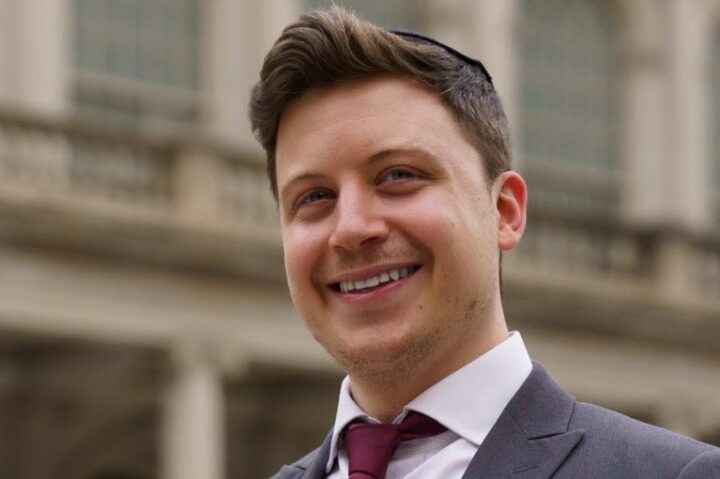
LinkedIn/Moshe Davis
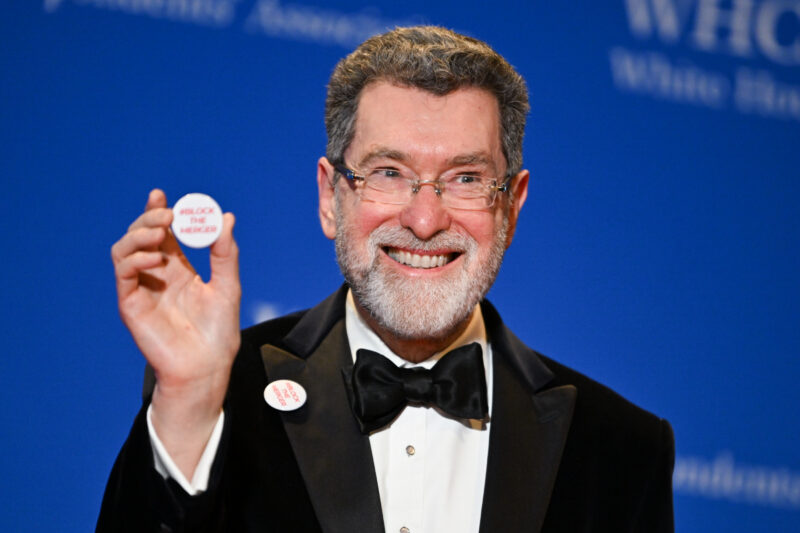
Executive Director at the Mayor's Office to Combat Antisemitism Moshe Davis


 Add JewishInsider on Google
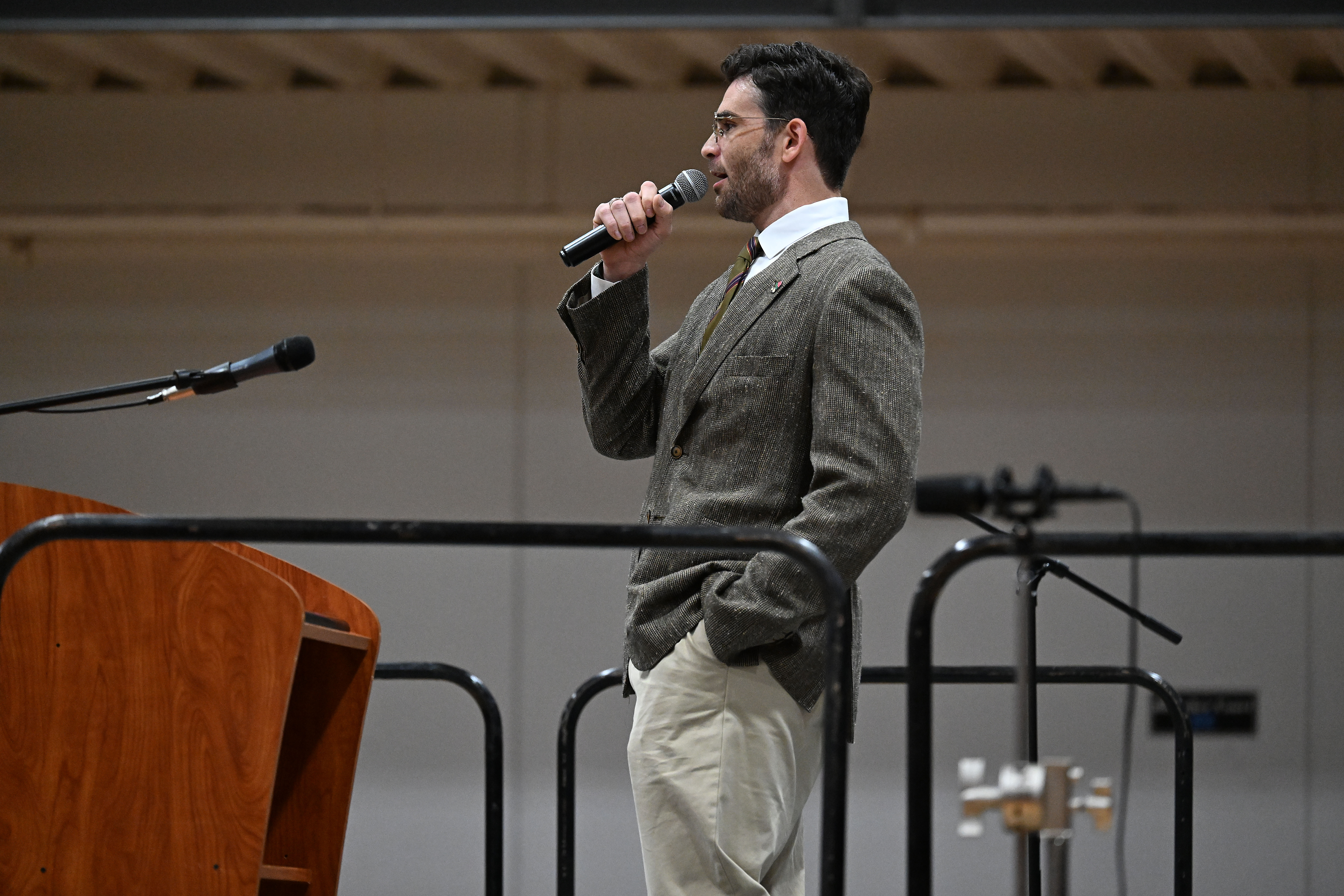
Moshe Davis, who served as the first-ever executive director of the Office to Combat Antisemitism created by former Mayor Eric Adams, offered advice and even some praise for the administration that replaced him — but also warned that fear of violence has gripped many observant Jewish New Yorkers, who may now feel excluded by their city government in favor of the city’s secular and progressive Jewish population.
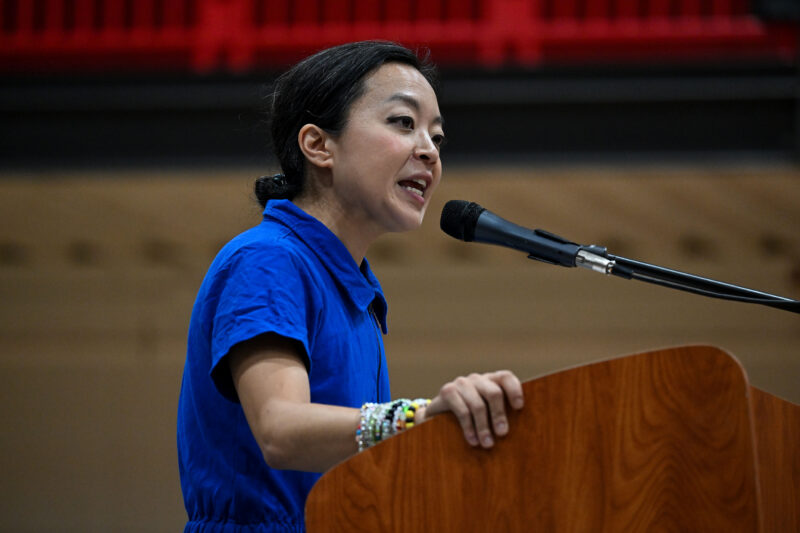
New York Mayor Zohran Mamdani announced on Wednesday he intended to appoint Phylisa Wisdom of the progressive New York Jewish Agenda in Davis’ stead. Davis — now on a media blitz — wished his successor well in an interview on Thursday with Jewish Insider, but highlighted her history as a leader in Young Advocates for Fair Education (Yaffed), an organization that criticizes the quality of secular education in Hasidic schools.
“It’s a fence that needs to be mended, a bridge that needs to be built, between the work that she’s been previously engaged in, and now making sure that Jewish New Yorkers are safe,” Davis, who is Orthodox, said. “I would hope that she’s able to overcome those challenges.”
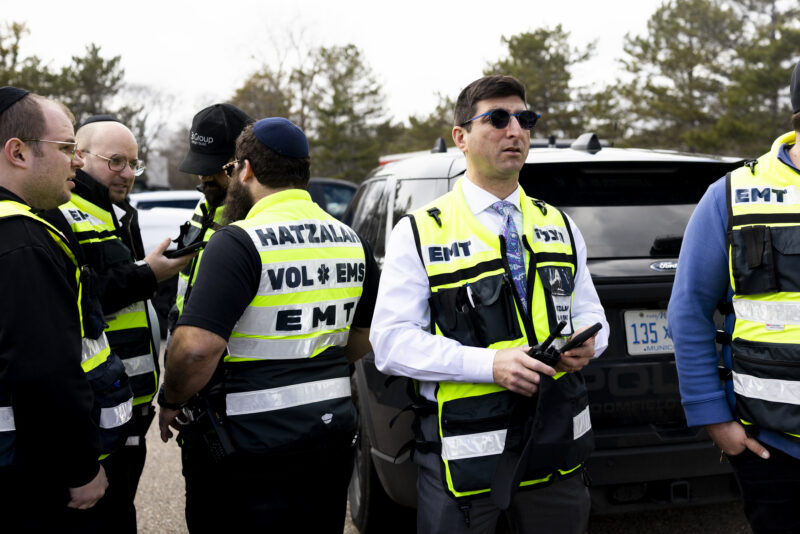
Davis voiced concern that the present administration is mainly interested in working with Jewish organizations for whom progressivism is their main or even exclusive priority. Meanwhile, he noted that an increasing number of antisemitic hate crimes in New York City have targeted “visibly Jewish New Yorkers” from the Orthodox and Hasidic communities.
“I think that our Judaism can be larger than just religious life, but I believe it is a key and central part of the Jewish community in New York City,” said Davis, adding that he hoped other Jewish New Yorkers, including in City Hall, would feel as confident as he does wearing a kippah. “There are many, many New Yorkers who are saying, ‘Maybe I shouldn’t wear a kippah in public, I should be putting on a cap or a hat. Maybe this is not the right environment for us to be loud and proud Jews.’”
Davis expressed further concern about what some Jewish leaders have criticized as the mayor’s slow and muddled response to pro-Hamas rhetoric at recent protests targeting the Jewish community, his support for the Boycott, Divestment and Sanctions movement targeting Israel and his opposition to the city investing in Israel bonds.
“When you boycott Israel, discriminate against a people, New Yorkers will be affected,” he said. “The delegitimization and dehumanization of Jewish people leads to violence against Jews. There might be room for critique and criticism, but understand that radical extremists who are looking to attack Jewish people, they don’t care about their politics. They aren’t asking who would they vote for in the Israeli election. It’s not about that.”
Davis also contrasted his own prior experience in government, particularly his years as Adams’ Jewish liaison, with Wisdom’s background in nonprofits and activism. Understanding the “bureaucratic machinery” of the city government enabled him, he said, to execute one of his proudest accomplishments of his nine months in the role: the interagency task force for antisemitism, which coordinated across departments to address violence, vandalism, health and religious accommodations needs and educational gaps.
“Those are relationships that aren’t easy to just have on Day One,” he said. “It is not just videos and public communications and tweets. It’s not just a whack-a-mole kind of response to antisemitic events. It is creating policies and an agenda that have long-lasting effects.”
One of Davis’ other signature achievements was Adams’ executive orders implementing the International Holocaust Remembrance Alliance’s working definition of antisemitism, which Mamdani reversed upon assuming office, along with all executive orders Adams issued after his federal indictment on bribery and wire fraud charges in September 2024. But Davis did laud the new mayor for his support for the “Hidden Voices” curriculum in public schools, which emphasizes Jewish Americans’ relationship with Israel.
“This should be a key piece of your agenda,” he said, of the problem of antisemitism. “It might not fit into affordability, it might not fit into some of the ideas that they were talking about on the campaign. But for the health of New York City, this should be a key focus.”
More Stories

CLAUDE CONTROLS
Anthropic report reveals Iran-linked actors used AI tools to target Jews, develop weapons
TEXAS TROUBLE
Ted Cruz slams Dems for not speaking out against College Dems’ Hasan Piker invitation

Democracy Deficit
New report warns civics education crisis is fueling antisemitism, eroding support for Israel

SELF-SCRUTINY
Most Middle East scholars say U.S. academia has lost its way since 9/11, survey finds

TEPID RESPONSE
Rubio holds back criticism of U.K. sanctions against Israeli settlements
Clinton’s Critique
Hillary Clinton: U.S. should take a ‘very tough position’ with Israel if Netanyahu reelected
Please log in if you already have a subscription, or subscribe to access the latest updates.
 Continue with Google
 Continue with Apple