













DOJ’s Dhillon tells pro-Israel students: Know the difference between protected speech and discrimination
The assistant attorney general for civil rights urged students at the ICC summit to separate offensive expression from conduct that actually blocks access to education
Israel on Campus Coalition
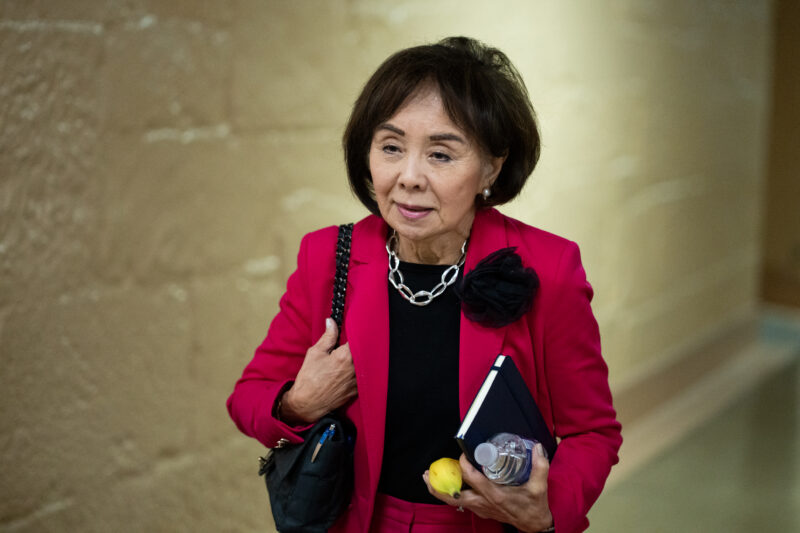
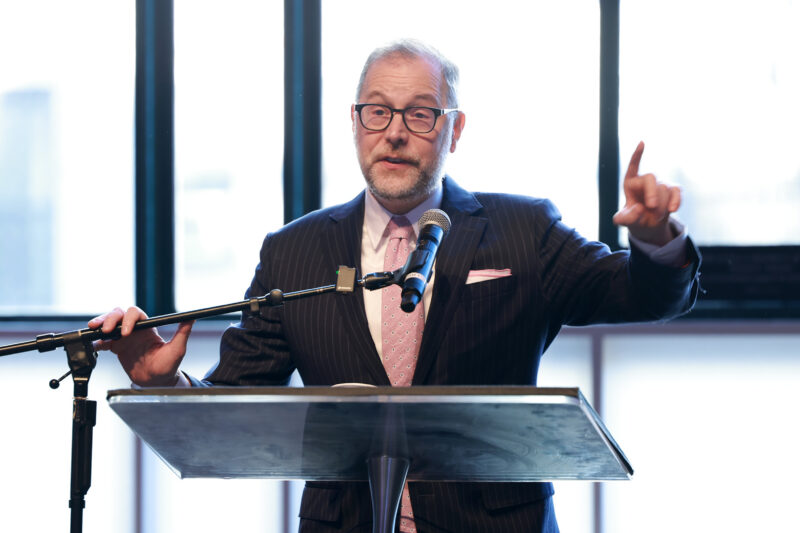
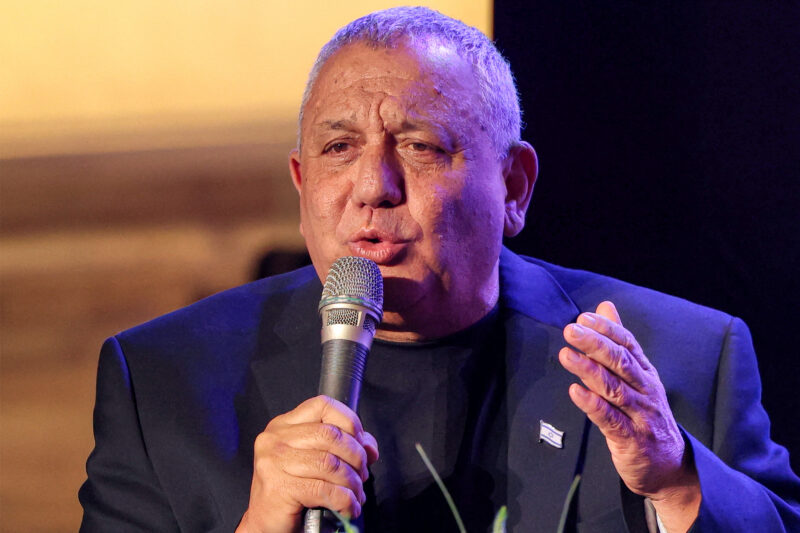
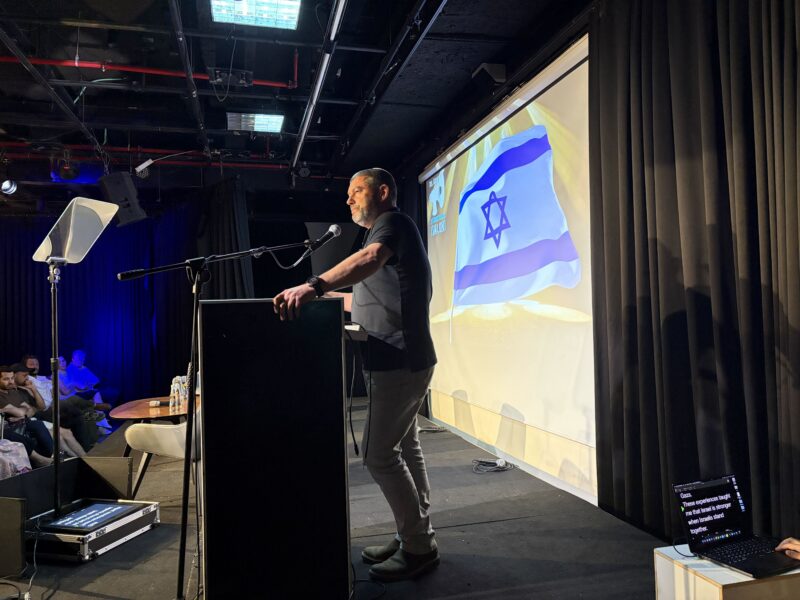
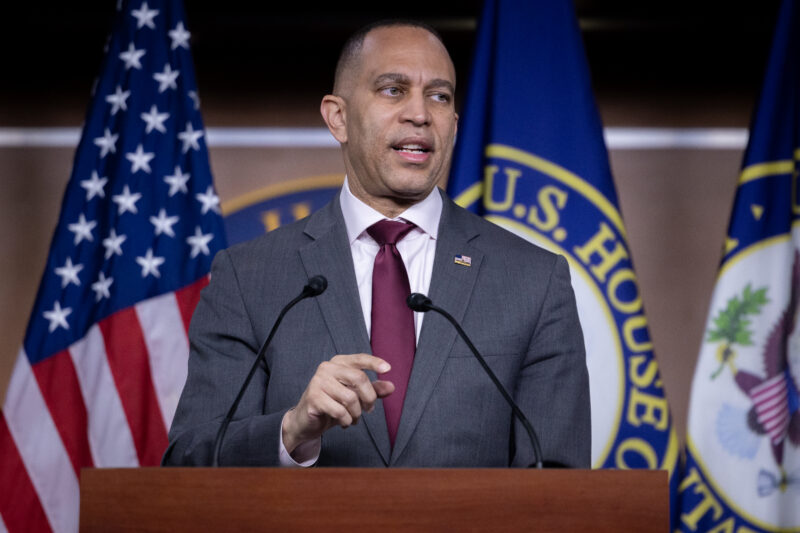
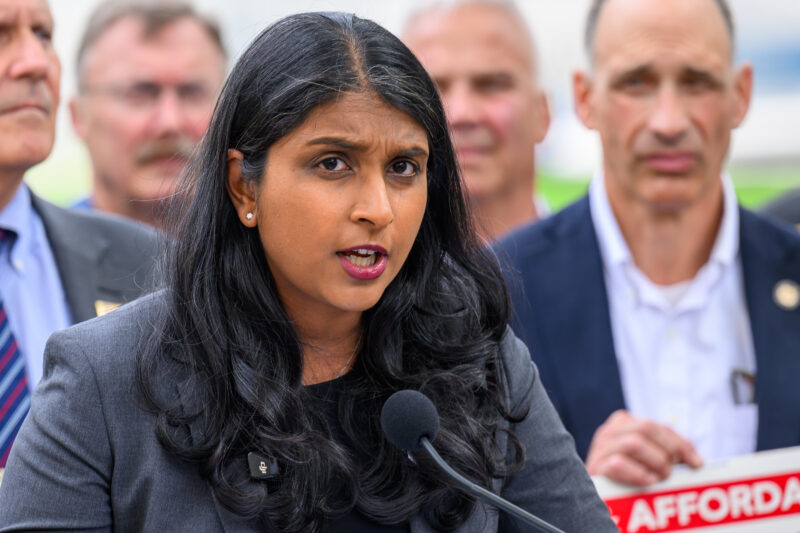
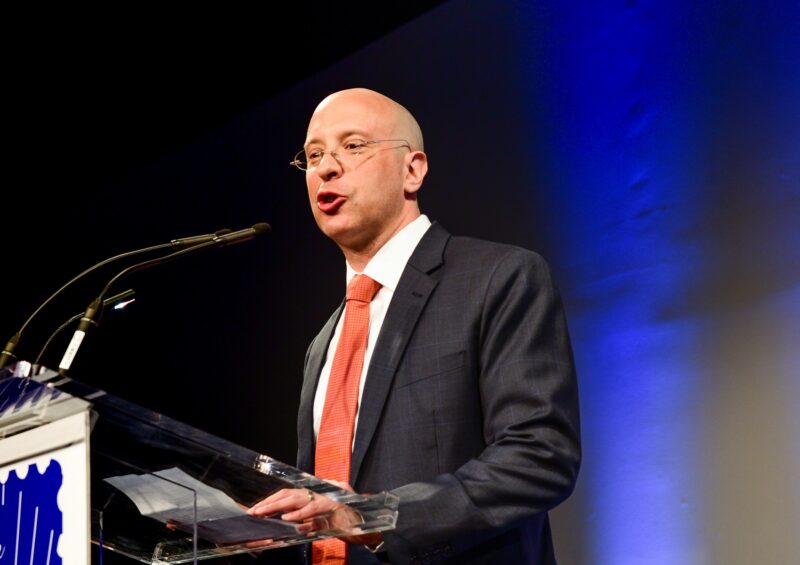
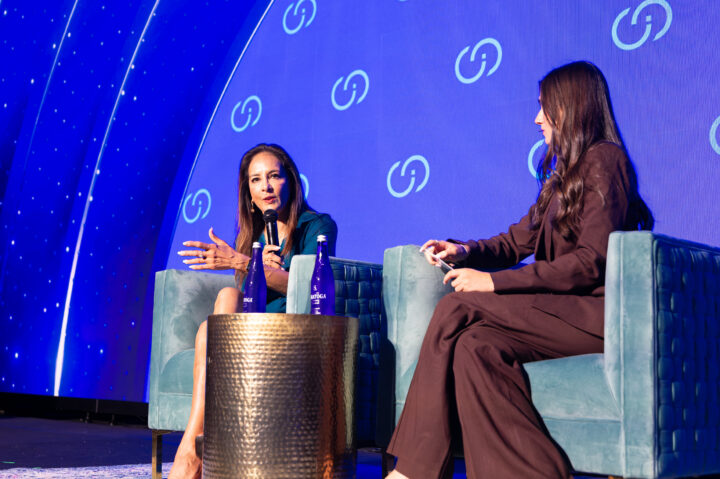
Harmeet Dhillon, the assistant attorney general for civil rights, speaks at the Israel on Campus Coalition’s National Leadership Summit on Aug. 4, 2026.


 Add JewishInsider on Google
Harmeet Dhillon, the assistant attorney general for civil rights, urged pro-Israel college students to distinguish between protected speech and actionable discriminatory conduct — “people literally interfering with your ability to get an education” — when facing antisemitism on campus.
“[With] a lot of young people these days, there’s kind of a snowflake culture with ‘I feel unsafe.’ I feel unsafe everyday when I go to work and get a mean email from a colleague. Life is full of challenges,” Dhillon said on Tuesday at the conclusion of the Israel on Campus Coalition’s National Leadership Summit in Washington.
“Someone wearing a keffiyeh or shouting ‘from the river to the sea,’ it’s protected by the First Amendment,” Dhillon said. “Holding a red triangle over a student’s head in a mob setting and saying ‘Jews not welcome’ is much closer to not protected speech.”
“You have to sort out people being mean or rude to you versus people literally interfering with your ability to get an education,” she said.
Dhillon, who has led the Trump administration’s ongoing legal battles with a number of universities over their alleged failures to address antisemitism, added that the next hurdle will be fighting anti-Israel rhetoric from left-wing politicians.
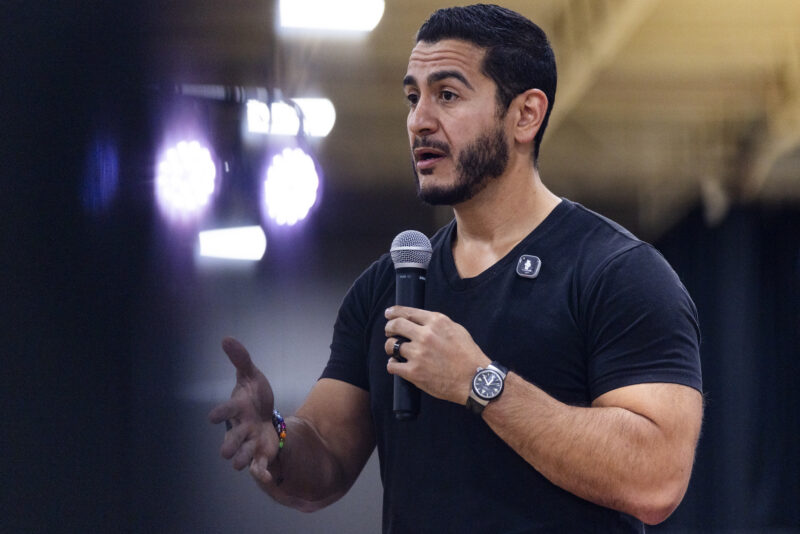
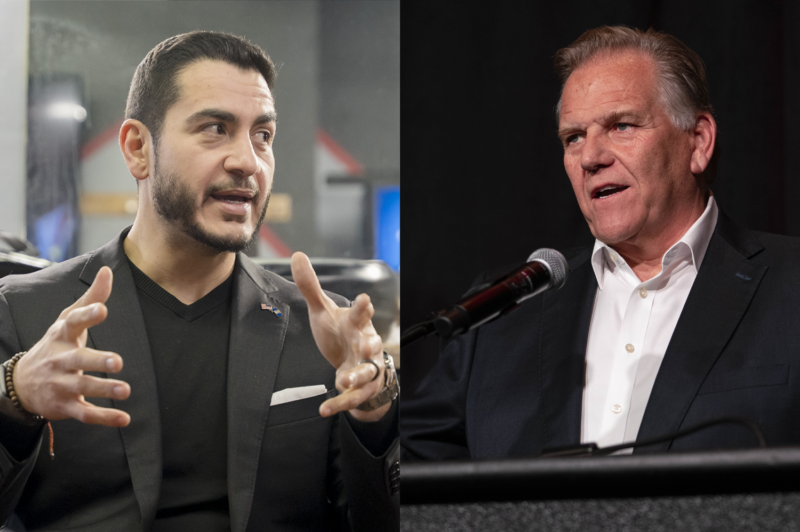
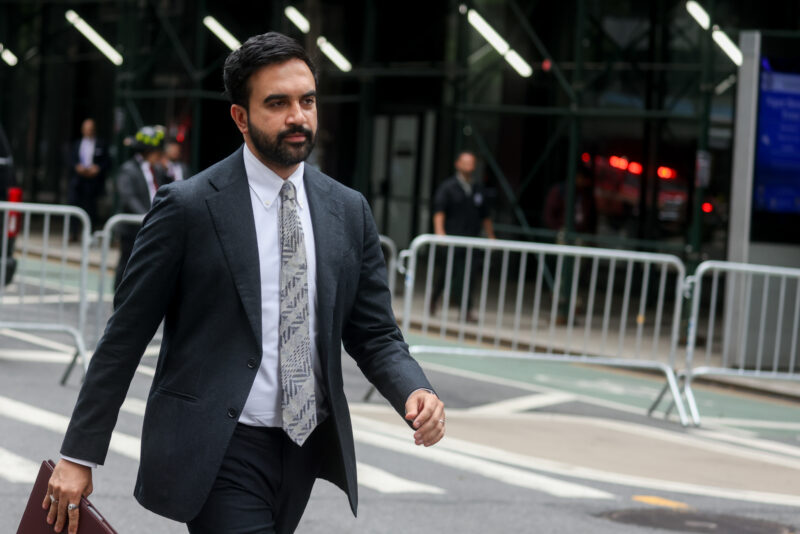
“One of the new challenges, which I never would have predicted, is political leaders like [New York City Mayor] Zohran Mamdani or candidates on the ballot today in Michigan whose rhetoric isn’t something you would have seen five or 10 years ago,” said Dhillon. “The normalization of violent rhetoric about an entire population of people of a national origin and religion is something I didn’t see growing up in this country, and I grew up in the Deep South.”
“I have neighbors in my community in Sea Ranch, Calif., who are professors at UC Davis and I see them on television lock hands and block the Jewish students from going to campus,” she said. “And I see them at the grocery store. Am I supposed to treat them normally? They don’t think I should be treated normally. So these are some of the challenges we face in today’s society.”
It is unclear what incident Dhillon was referring to, though a similar incident did occur in April 2024 on UCLA’s campus, at which time students participating in an anti-Israel encampment moved in groups and shouted “human chain” in order to block students from moving through campus, according to DOJ findings.
More Stories

Presidential Prelude
Josh Shapiro launches federal PAC in potential signal of 2028 plans
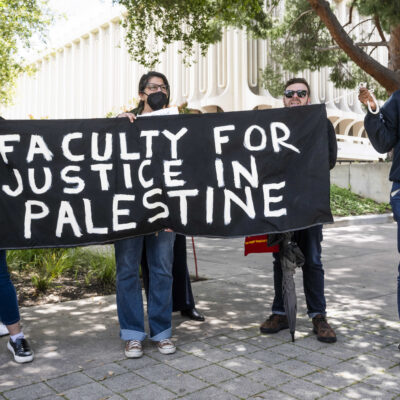
FOLLOW THE MONEY
Brandeis Center, FDD urge federal court to allow disclosure of campus foreign funding data
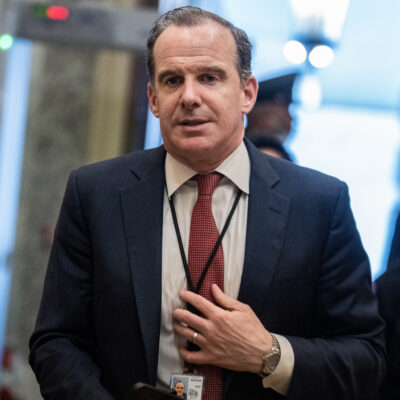
HISTORY LESSON
Brett McGurk’s fact check of former Harris advisor Phil Gordon on hostage negotiations
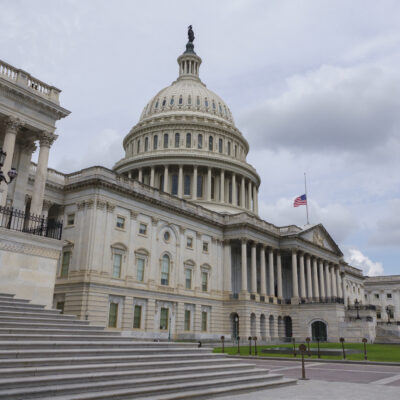
HILLTOP FORECAST
Democratic foreign policy veterans preview party’s shifts on Middle East policy
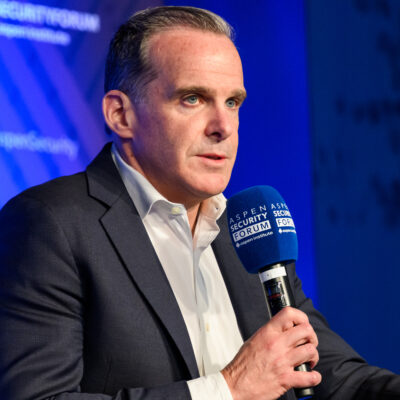
DAYLIGHT DEBATE
Brett McGurk pushes back on former Biden WH colleagues who called for greater pressure on Israel
SEEKING ANSWERS
After State Department memorial, families of Oct. 7’s American victims call for U.S.-led probe
Please log in if you already have a subscription, or subscribe to access the latest updates.
 Continue with Google
 Continue with Apple