
























Pro-Israel Democrats show signs of life in Michigan, Missouri primaries
The results paint a picture of a Democratic Party deeply divided, with older voters, Black voters and Jewish voters forming the centrist coalition
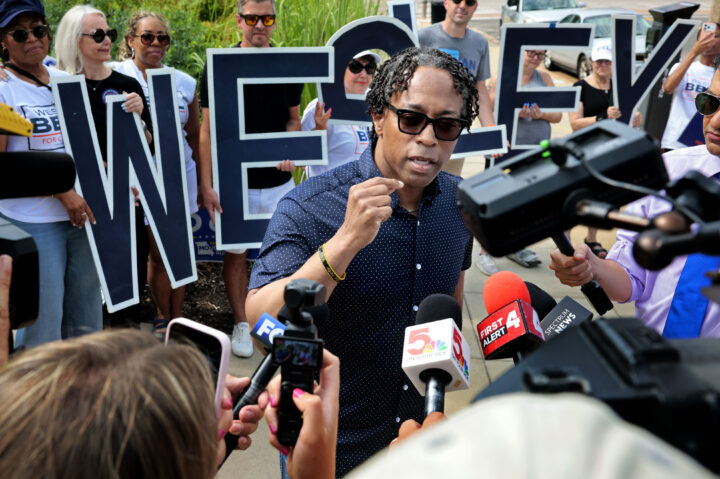
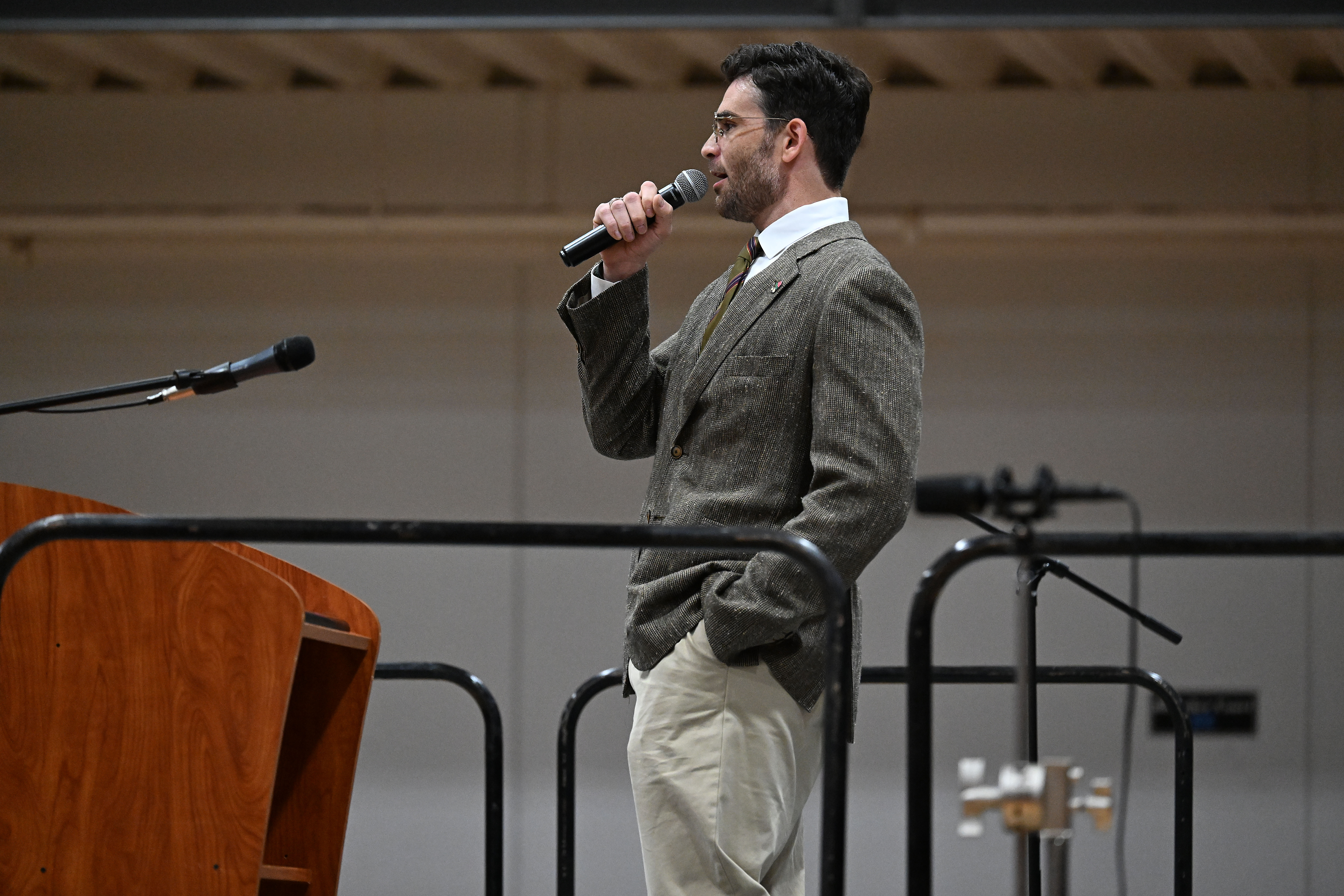
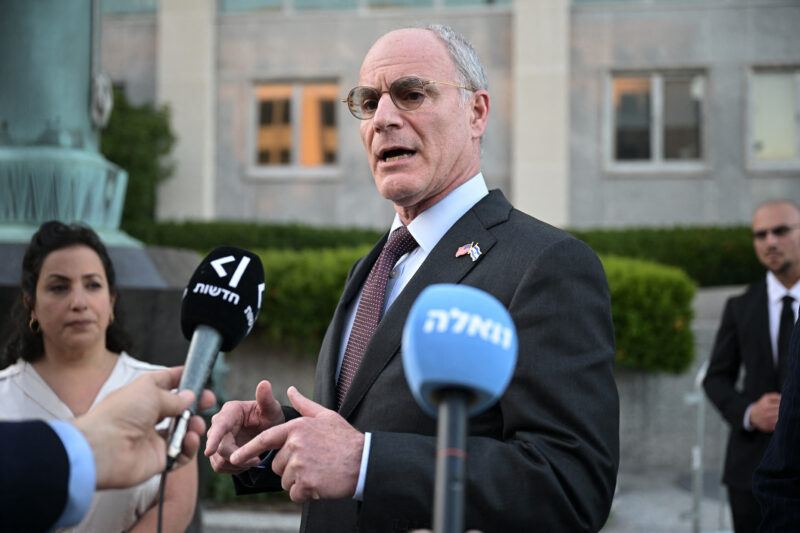
(Christian Gooden/St. Louis Post-Dispatch via Getty Images)
U.S. Rep. Wesley Bell speaks to media outside the Mid-County Branch public library on Tuesday, Aug. 4, 2026, before voting in Missouri's primary elections.


 Add JewishInsider on Google
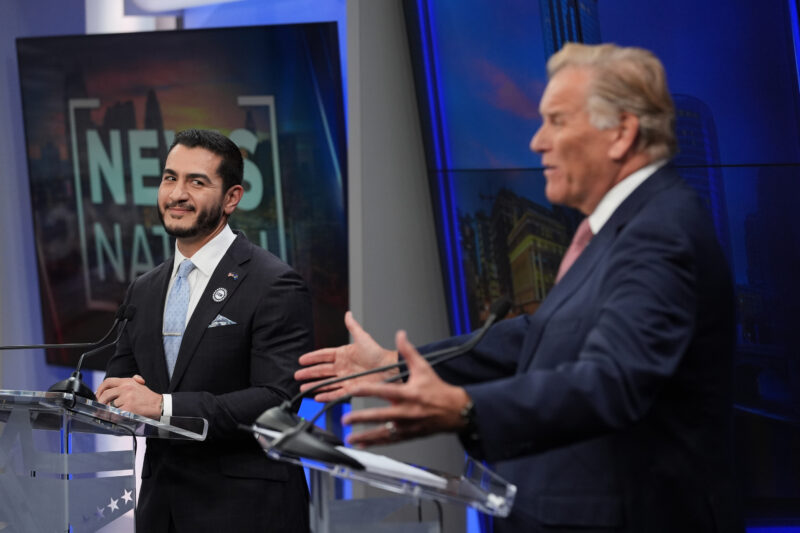
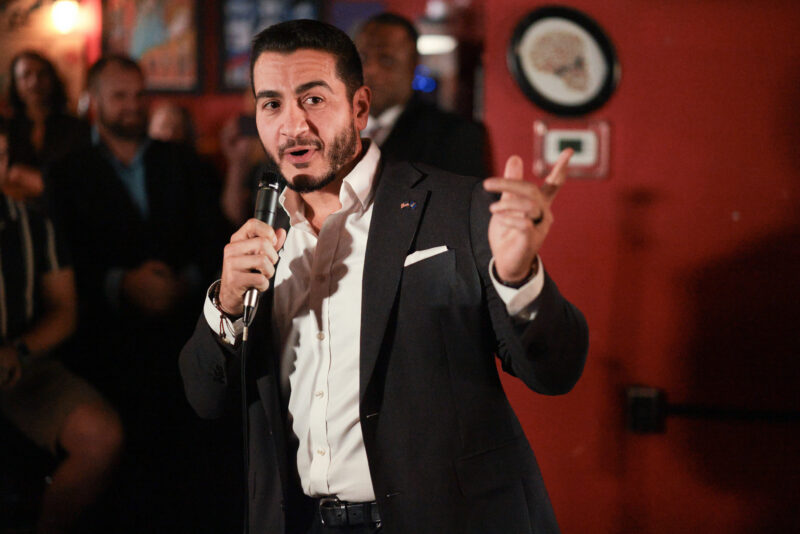
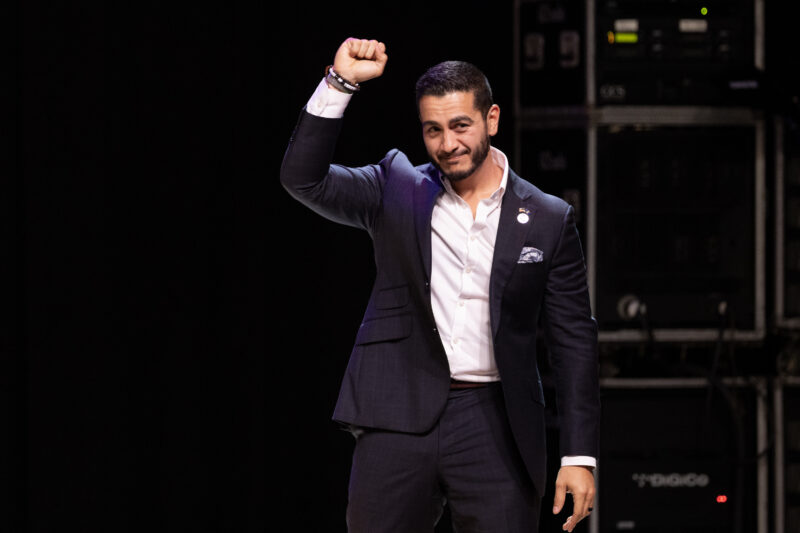
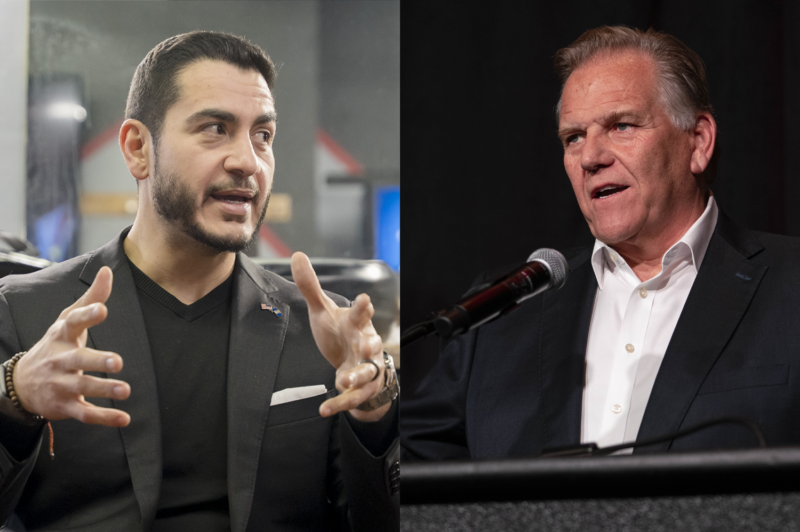
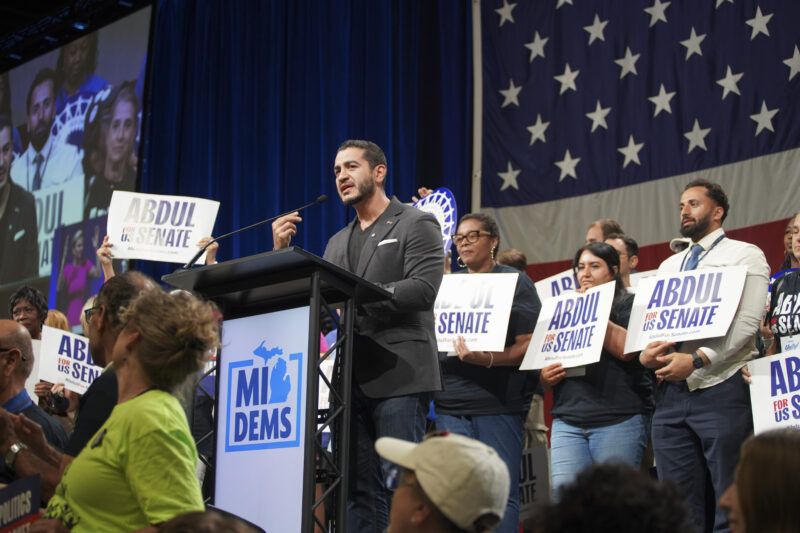
Rumors of the demise of the mainstream, pro-Israel wing of the Democratic Party turned out to be somewhat exaggerated: The Michigan Senate race between Rep. Haley Stevens (D-MI) and Abdul El-Sayed is a lot closer than polls suggested, while Rep. Wesley Bell (D-MO) romped to victory over his anti-Israel opponent, with the help of pro-Israel, Jewish supporters.
Bell’s sweeping 22-point victory in a rematch over former Rep. Cori Bush (D-MO) was an early election night highlight for Jewish and pro-Israel groups, which poured money and organizing efforts into ensuring the virulently anti-Israel Bush didn’t get a chance to return to Congress. AIPAC’s super PAC spent over $3 million on ads attacking Bush as corrupt and extreme, resources which likely played a key role in Bell’s landslide margin.
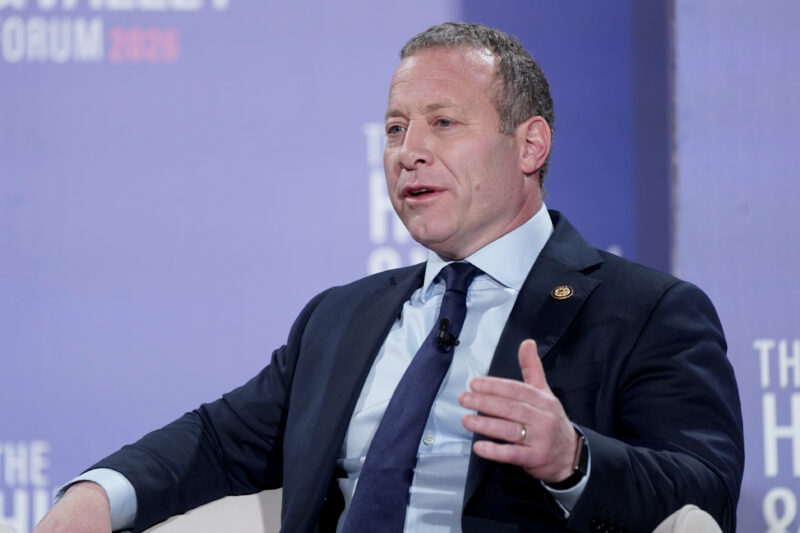
There were some other silver linings for the moderate side of the Democratic Party on Tuesday night: Michigan state Sen. Jeremy Moss won comfortably to succeed Stevens despite facing attacks over his pro-Israel record from his opponents. And Rep. Adam Smith (D-WA), the moderate ranking member of the House Armed Services Committee who faced harassment and threats over his longstanding pro-Israel record, won a clear majority of the vote against far-left challengers in Washington state’s all-party primary.
But there were plenty of warning signs about the changing ideological direction of the Democratic Party, as we’ve previously seen in deep-blue congressional districts across the country. Despite Stevens’ closer-than-expected showing, she still trails El-Sayed even after winning endorsements from top Democratic officials (including Gov. Gretchen Whitmer) and being the beneficiary of tens of millions in outside spending led by AIPAC’s ad blitz.
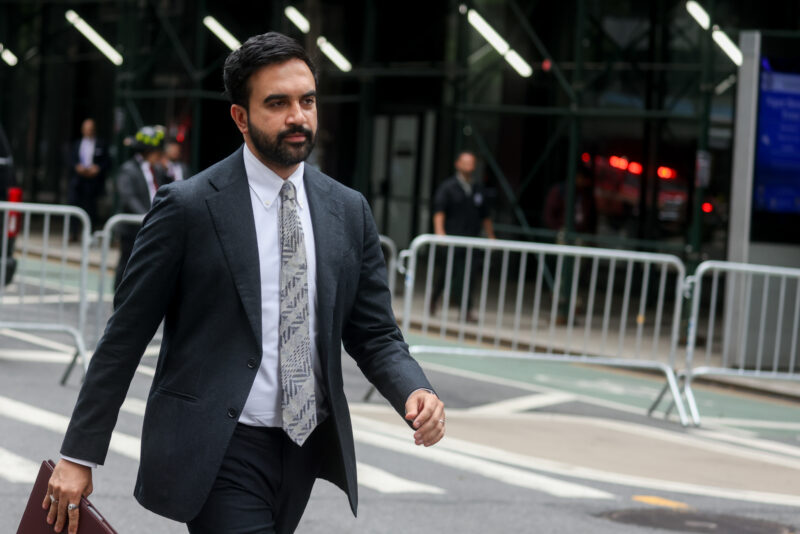
Meanwhile, Rep. Shri Thanedar (D-MI), seen as a reliable pro-Israel ally, is trailing against DSA-aligned challenger state Rep. Donavan McKinney, who ran on an anti-Israel platform.
And in the battleground Michigan 7th District, left-wing activist William Lawrence prevailed with a plurality of the vote, largely because of a split between his two moderate challengers. Running in a district President Donald Trump carried in 2024, Lawrence will find his ideological baggage a major vulnerability as he tries to unseat freshman Rep. Tom Barrett (R-MI).
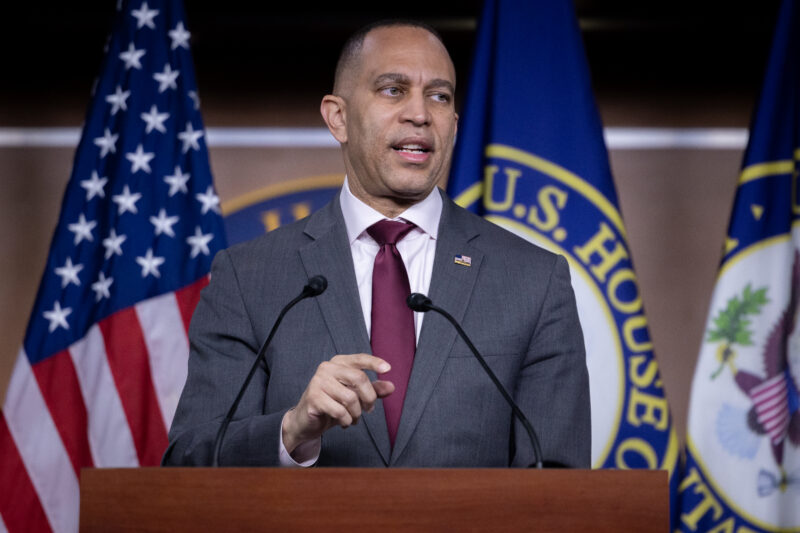
The results paint a picture of a Democratic Party deeply divided, with older voters, Black voters and Jewish voters forming the centrist coalition, which is facing an insurgency from the left made up of younger voters, white progressives and Arab Americans.
What should be most concerning for the Jewish community is that virulently anti-Israel candidates are making inroads in the affluent, college-educated suburbs — areas where such views would have been politically toxic not long ago.
Stevens only narrowly won her home base of suburban Oakland County — the center of the state’s Jewish community — and lost badly in affluent Kent County, spanning the city of Grand Rapids. It underscores the point that the base of the DSA movement is among fairly well-off white voters.
But on the other side, there are plenty of red flags for El-Sayed after his underwhelming primary performance. El-Sayed struggled with Black voters, who make up the core of the party’s voting base. He got romped in the state’s rural counties. And El-Sayed’s overconfidence and the campaign’s grandiose expectations were undercut by the race’s close margin, and he didn’t get to enjoy a celebratory moment in the media spotlight on Election Night.
For AIPAC, which poured over $30 million into the Michigan Senate race, this is merely the first round of a lengthy battle against El-Sayed. If El-Sayed ends up prevailing, expect the pro-Israel advocacy group to remain actively engaged in the race as attention pivots to a general election with former Rep. Mike Rogers (R-MI) as the GOP nominee.
More Stories
chesapeake challenge
Maryland GOP gubernatorial nominee Dan Cox says he disagrees with son’s antisemitic posts

Daily Kickoff
Chris Murphy’s Doha double standard
PHONE A FRIEND
AOC launches campaign blitz for El-Sayed across Michigan
EXCLUSIVE
Lawmakers call for Congress to mandate creation of Pentagon hate symbols policy
Mayor Unmoved
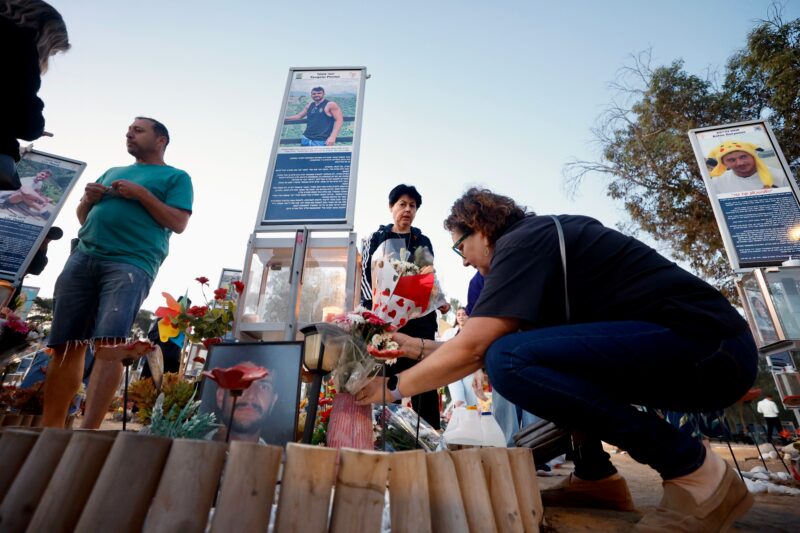
Mamdani brushes off pro-Hamas heckling at Oct. 7 vigil
EMPIRE STATE EDUCATION
Hochul will opt New York into education tax credit that will help fund Jewish education
Please log in if you already have a subscription, or subscribe to access the latest updates.
 Continue with Google
 Continue with Apple