






























‘What is your alternative?’ — How Vance’s rhetoric to sell new Iran deal echoes Obama’s
Vance borrows from the Obama playbook to argue there is no viable alternative to agreement with Iran
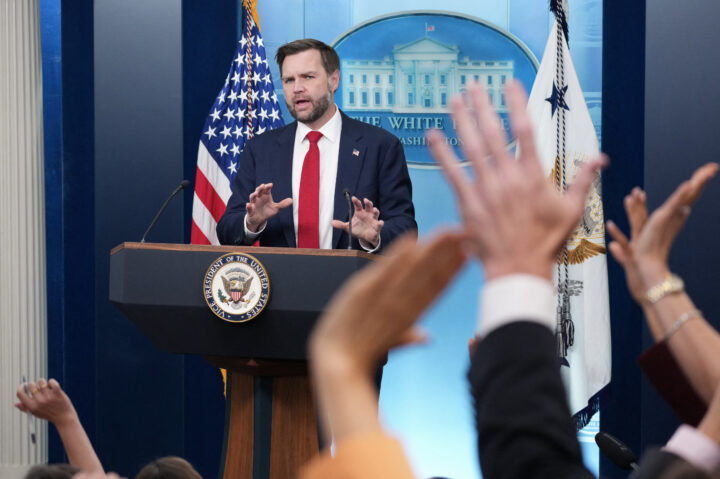
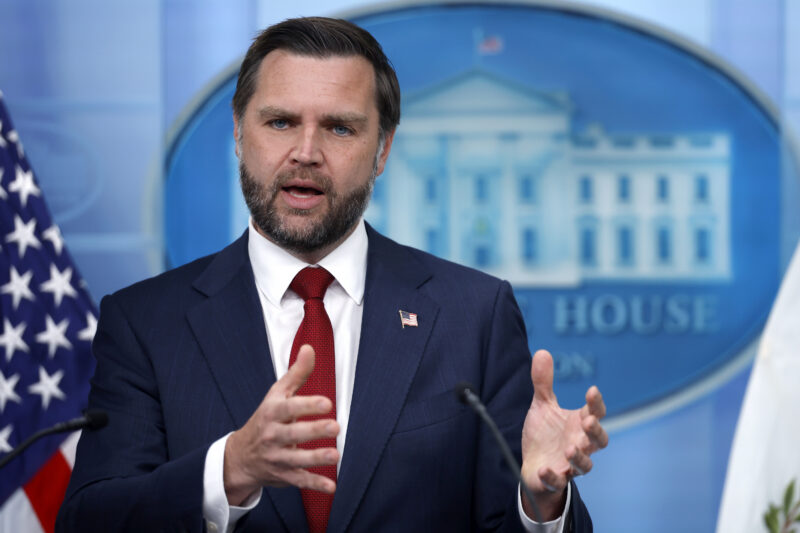
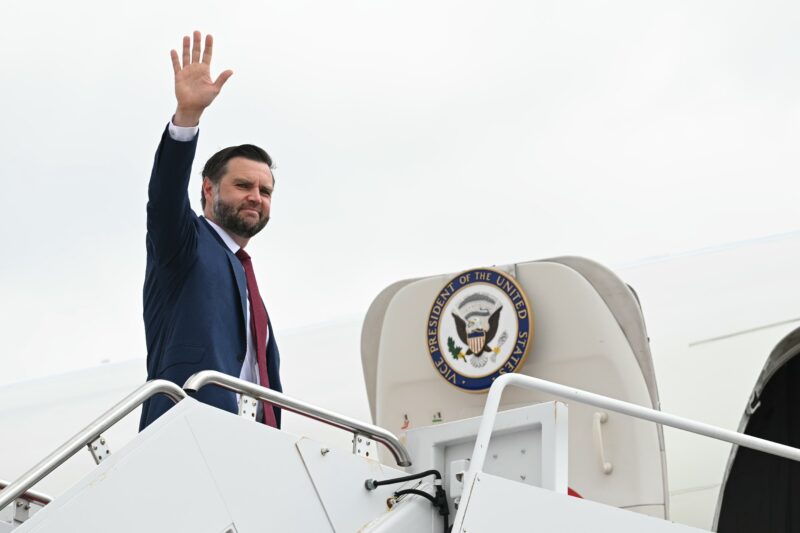
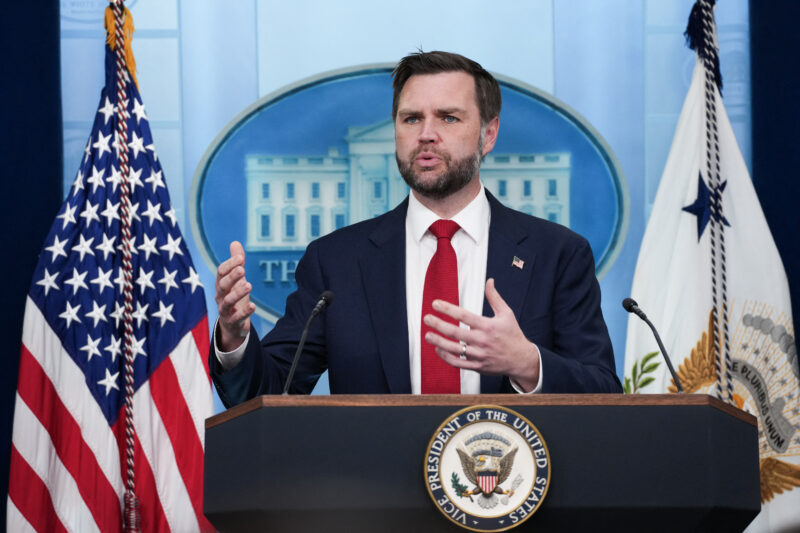
Photo by Ken Cedeno / AFP via Getty Images
Vice President JD Vance takes questions from reporters during a press briefing in the Brady Briefing Room of the White House in Washington, DC, on June 18, 2026.


 Add JewishInsider on Google
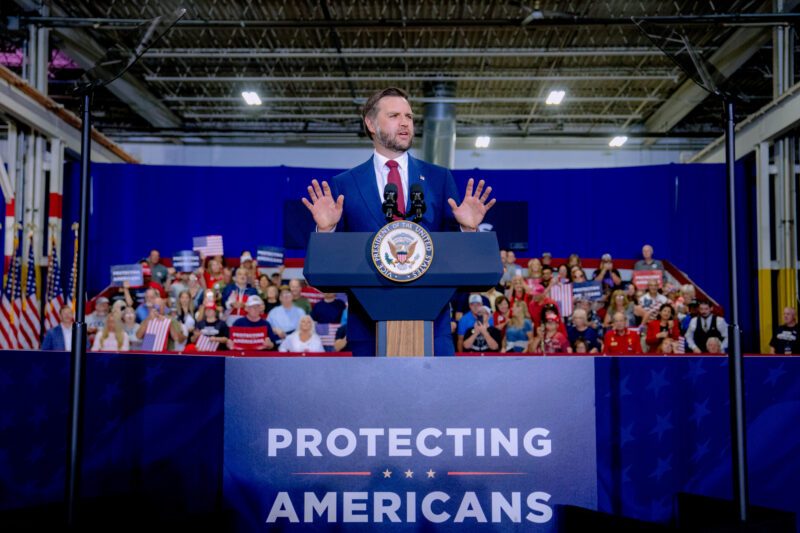
As Vice President JD Vance takes on the role of chief defender of the U.S.-Iran memorandum of understanding and forthcoming talks, he has begun to sound a lot like someone whom the Trump administration has lately spent a lot of time attacking: former President Barack Obama.
Vance and President Donald Trump have both, in recent days, made clear that they view the MOU — which is set to deliver sanctions relief to Iran as nuclear negotiations get underway — as fundamentally different from, and better than, the 2015 Joint Comprehensive Plan of Action, the nuclear deal signed by Obama. But as the White House faces criticism from hawkish members of the Republican Party, the language Vance is using to defend the burgeoning deal closely resembles the arguments made by Obama 11 years ago.
“If you think this is a bad deal, what is your alternative?” Vance said in an interview this week with New York Times columnist Ross Douthat.
Flashback to a 2015 press conference at the White House soon after the JCPOA was announced.
“I’m hearing a lot of talking points being repeated about ‘this is a bad deal,’” Obama said. “What I haven’t heard is, what is your preferred alternative?”
Both Vance in 2026 and Obama in 2015 argued that the deals negotiated by their respective administrations were better than using military force — or in the case of the Trump deal, continuing to use military force — and that they would lead to a safer world.
“We could drop more bombs. We could destroy more of their country. We could kill the current iteration of their leadership. We know where all of them are. All of those things could happen,” Vance said. “But does that make the American people safer or more prosperous? The president of the United States and I think: No.”
Obama frequently argued similarly.
“If the alternative is that we should bring Iran to heel through military force, then those critics should say so,” he said at the 2015 press conference. “We’ve got a historic chance to pursue a safer and more secure world, an opportunity that may not come again in our lifetimes.”
“None of them have presented to me, or the American people, a better alternative.” -Obama, 2015
— Jewish Insider (@jewishinsider) June 18, 2026
“It’s not just whether this is good or bad, it’s what is the alternative.” -Vance, 2026
As Vice President JD Vance takes on the role of chief defender of the U.S.-Iran MOU and the… pic.twitter.com/TB5bvxINM5
There are substantive differences between the agreements notched by the Obama and Trump administrations, though both share the core assertion that they will not allow Iran to obtain a nuclear weapon.
“The Obama-Iran deal allowed them to generate a stockpile of enriched uranium,” Vance claimed, although the JCPOA required Iran to limit the level to which it enriched uranium, cut its stockpile by 98% and ship the rest of its enriched uranium out of the country. “Our deal ensures that stockpile is destroyed and eliminated, so that’s a very, very big difference, a very important difference for the American people,” Vance said this week. (The text of the 14-point MOU says only that the uranium will be discussed during the forthcoming negotiations.)
But both Vance and Obama, in their roles as salesmen of their administrations’ respective deals, argued that critics simply misunderstand the agreements.
“I just don’t think that people who are criticizing this, one, they’re not actually dealing with the reality of what’s in it, and No. 2, they don’t have an alternative,” Vance said in a podcast interview with Megyn Kelly this week.
Obama told NPR’s Steve Inskeep in 2015 that critics of his deal get the facts wrong.
“I’ve listened to the critics, some of them who announced their opposition before they had even read the bill, or read the agreement. And that is that they will put forward arguments that after a few minutes can be shown as illogical or based on the wrong facts,” said Obama.
Vance challenged critics to come up with a better alternative beyond more fighting.
“What is it that they wanted us to do besides put 300,000 ground troops in Iranian soil, which we were never going to do?” he said to Kelly. “If your alternative is just to drop bombs without any clear goal or any clear American interest implicated, then you’re not making wise decisions on behalf of the American people.”
Former Secretary of State John Kerry argued something similar before Congress in 2015.
“So what’s your plan?” he asked. “Totally go to war?”
More Stories
COMMUNITY VOICE
Coalition of Michigan Jewish leaders sets out ‘nonnegotiable’ demands for El-Sayed, Democrats
analysis
Pappas wins New Hampshire Senate nomination over anti-Israel Dem activist

TOUR TROUBLE
Macklemore dropped from Ed Sheeran’s U.S. tour after venues refuse to host him over anti-Israel activism
Clinton’s Critique
Hillary Clinton: U.S. should take a ‘very tough position’ with Israel if Netanyahu reelected
road to riyadh
Trump taps Rep. Wesley Hunt as U.S. ambassador to Saudi Arabia
Doha Dealings
CNN’s ties with Qatar deepen with October summit in Doha
Please log in if you already have a subscription, or subscribe to access the latest updates.
 Continue with Google
 Continue with Apple