





























The Hormuz homestretch?
Plus, Gruenbaum peaces out


 Add JewishInsider on Google
Good Friday morning.
In today’s Daily Kickoff, we report on Josh Gruenbaum’s departure from government as the former Federal Acquisition Service head continues to advise the Board of Peace, and cover President Donald Trump’s nomination of Jay Clayton to be director of national intelligence. We report on the inclusion into next year’s NDAA of a provision deepening U.S.-Israel tech cooperation, and look at opposition from Orthodox Jewish groups to growing efforts to make daylight saving time permanent. Also in today’s Daily Kickoff: Avril Haines, Marty Edelman and John Healey.
Today’s Daily Kickoff was curated by JI Executive Editor Melissa Weiss, with an assist from Danielle Cohen-Kanik. Have a tip? Email us here.
For less-distracted reading over the weekend, browse this week’s edition of The Weekly Print, a curated print-friendly PDF featuring a selection of recent Jewish Insider and eJewishPhilanthropy stories, including: As AI reshapes society, Jewish leaders grapple with what comes next; The anti-Israel dark money group behind Justice Democrats’ midterm splurge; and Jewish camp world rocked as major player in for-profit Jewish camping declares bankruptcy. Print the latest edition here.
What We’re Watching
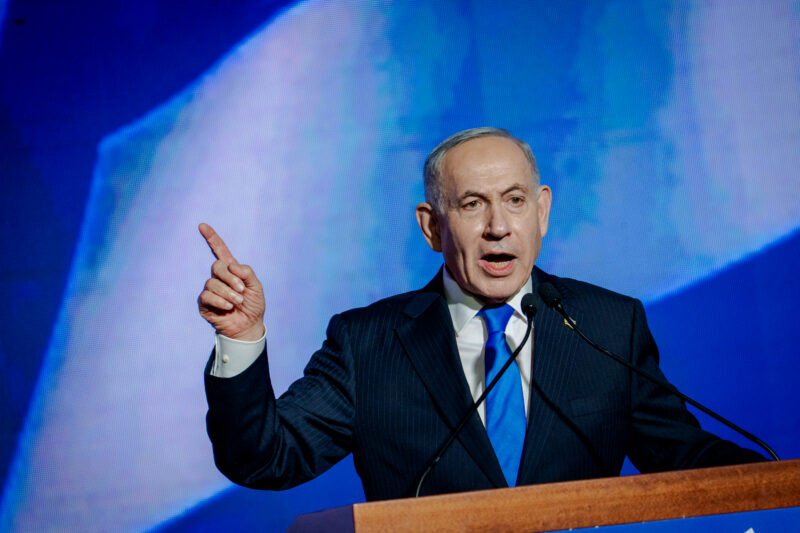
- A diplomatic agreement between the U.S. and Iran could be signed as early as this weekend, possibly in Europe, President Donald Trump told reporters on Thursday afternoon. Trump said that an accord between Washington and Tehran — that, according to the president, would reopen the Strait of Hormuz and prevent Iran from having nuclear weapons — was “in pretty final shape” and likely to “get done over the next few days.” Read more from JI’s Matthew Shea here.
- Axios reports that the memorandum of understanding calls for the Strait of Hormuz to be reopened immediately without tolls, with the U.S. removing its blockade as well. According to the outlet, Trump “agreed one of the options” to deal with Iran’s nuclear program is “down-blending Iran’s highly enriched uranium inside the country under the supervision of U.N. inspectors.”
- The announcement of a possible agreement was met with something short of resounding praise from some U.S.-based Middle East observers. Mark Dubowitz, the CEO of the Foundation for Defense of Democracies, reiterated a phrase heard often during the negotiations on the 2015 Joint Comprehensive Plan of Action: “No deal is better than a bad deal.” Former U.S. Ambassador to Israel Dan Shapiro called the agreement a “weak deal,” but suggested, “it’s the least bad alternative.”
- In Los Angeles, the U.S. men’s national soccer team makes its 2026 FIFA World Cup debut tonight against Paraguay. Secretary of State Marco Rubio, joined by a number of Cabinet officials, will lead the U.S. delegation to the match (and will meet with Paraguayan President Santiago Peña) as Trump stays in Washington to prepare for Sunday’s UFC Freedom 250 at the White House. Rubio will find himself in the same box as fellow potential 2028 contender California Gov. Gavin Newsom, who will also attend tomorrow’s match.
- The New York Knicks will face the San Antonio Spurs in Texas tomorrow night in Game 5 of the NBA Finals. Tonight, Chabad of San Antonio will host a Shabbat dinner for basketball fans in town for the weekend.
- French Foreign Minister Jean-Noël Barrot is leading a renewed call for a two-state solution today, ahead of next week’s G7 leaders’ summit in Evian, France.
- The Jewish Council for Public Affairs’ two-day National Summit kicks off on Sunday in New York City.
What You Should Know
A QUICK WORD WITH JI’S MATTHEW KASSEL
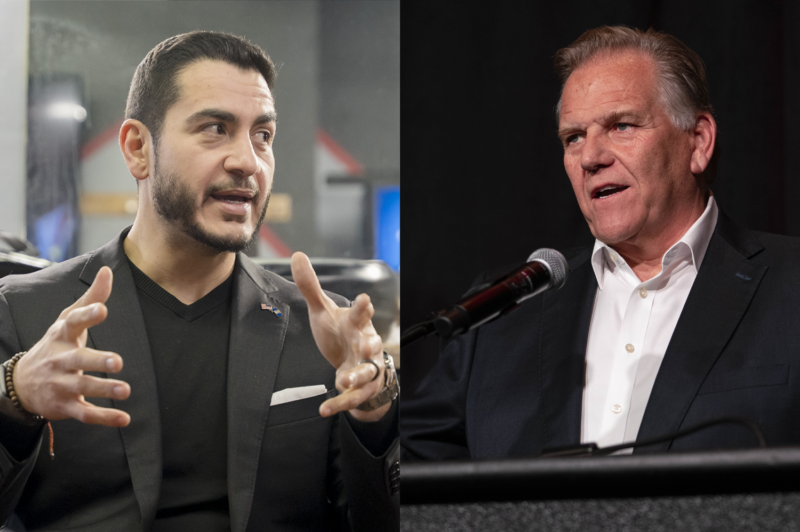
The far left is gaining traction in its electoral battle against the mainstream pro-Israel political community, notching a recent string of victories in high-profile Democratic primaries as it now finds itself on stronger financial footing compared to past campaign cycles.
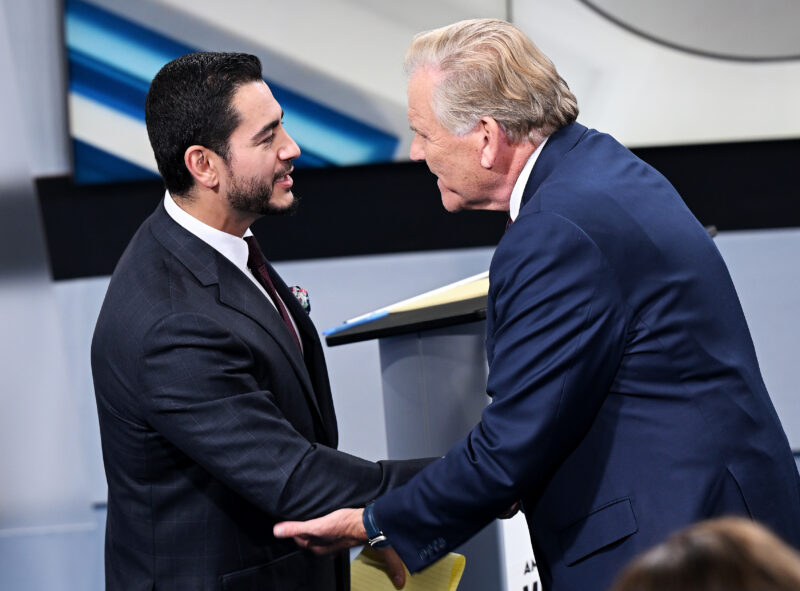
Thanks in part to a range of new super PACs created to counter AIPAC’s political spending, the far left has elevated several anti-Israel Democrats in New Jersey, Pennsylvania and California to the nomination in key congressional primaries, with its sights set on closely contested upcoming matchups in New York City and Michigan.
In some cases, the anti-Israel left — buoyed by public opinion that has swung against the Jewish state in the wake of the war in Gaza — has been at parity or outspending pro-Israel groups, marking a significant change.
The most prominent vehicle for such spending is the recently launched American Priorities super PAC — which has pledged to spend at least $10 million during the midterms. The group most recently helped lift Randy Villegas, a progressive vying to unseat Rep. David Valadao (R-CA), in California. He claimed victory in the primary over Jasmeet Bains — a state lawmaker supported by pro-Israel activists and national Democatic leaders. American Priorities had invested heavily on behalf of Villegas, going toe to toe with Democratic Majority for Israel’s political arm — whose $500,000 for Bains failed to help her advance to the November election.
The anti-Israel PAC also played a role in securing wins for Pennsylvania state Rep. Chris Rabb, who faced scrutiny for pushing an antisemitic conspiracy theory before his House primary in Philadelphia last month, and Adam Hamawy, a retired Army surgeon who claimed the Democratic nomination in a central New Jersey district despite past controversial links to a convicted terrorist. American Priorities spent over $1.5 million in the crowded race to bolster Hamawy’s campaign.
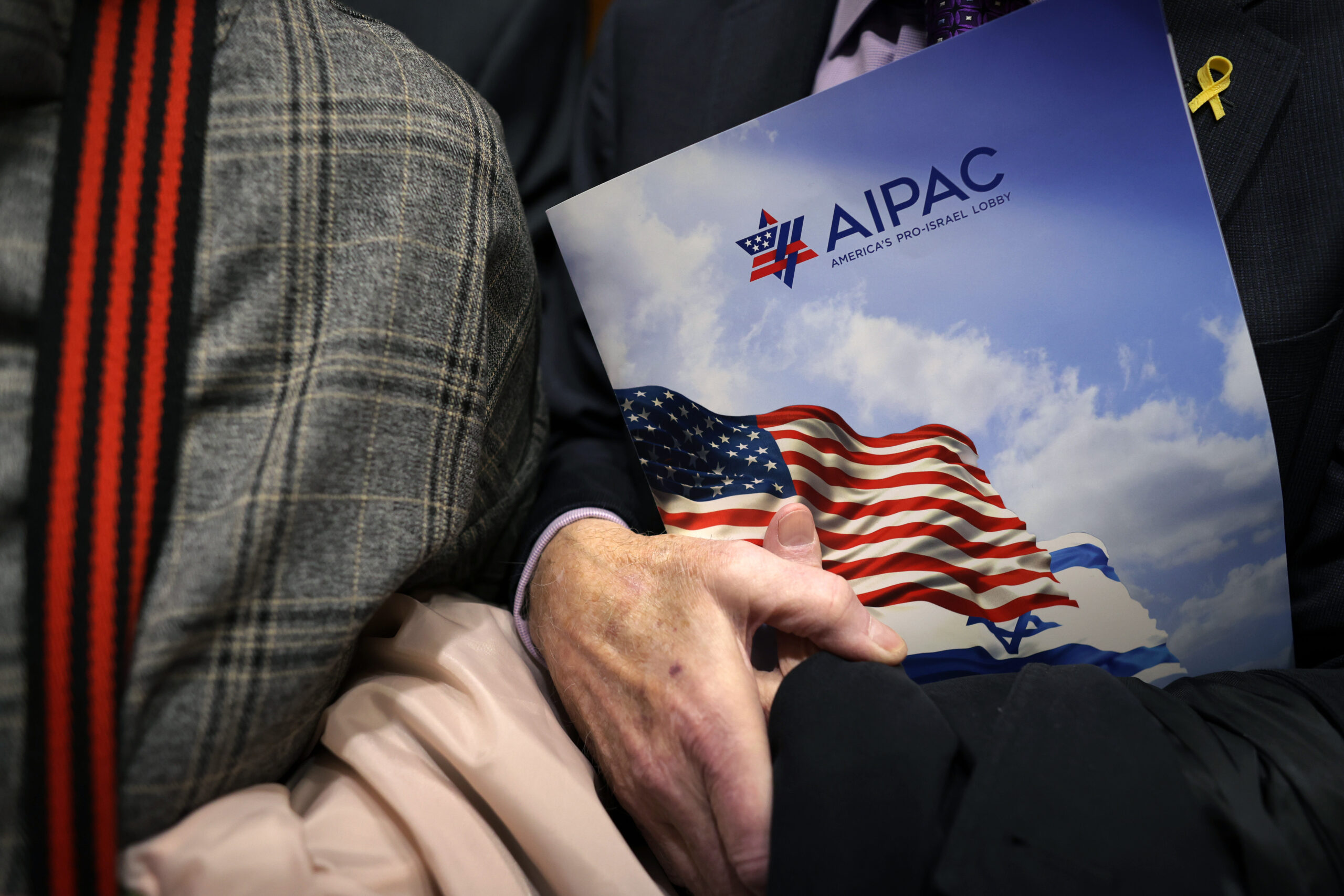
Notably, AIPAC’s well-funded super PAC, United Democracy Project, chose to stay on the sidelines in all three of those races, as the far left has capitalized on the pro-Israel group’s unpopularity within the Democratic Party, particularly in heavily progressive districts where American Priorities is engaging most significantly.
AIPAC’s relatively cautious approach to Democratic races this cycle reflects a changing political landscape for the formidable pro-Israel group, which has flexed its financial resources in consequential primaries that meaningfully shaped the House Democratic caucus.
SCOOP
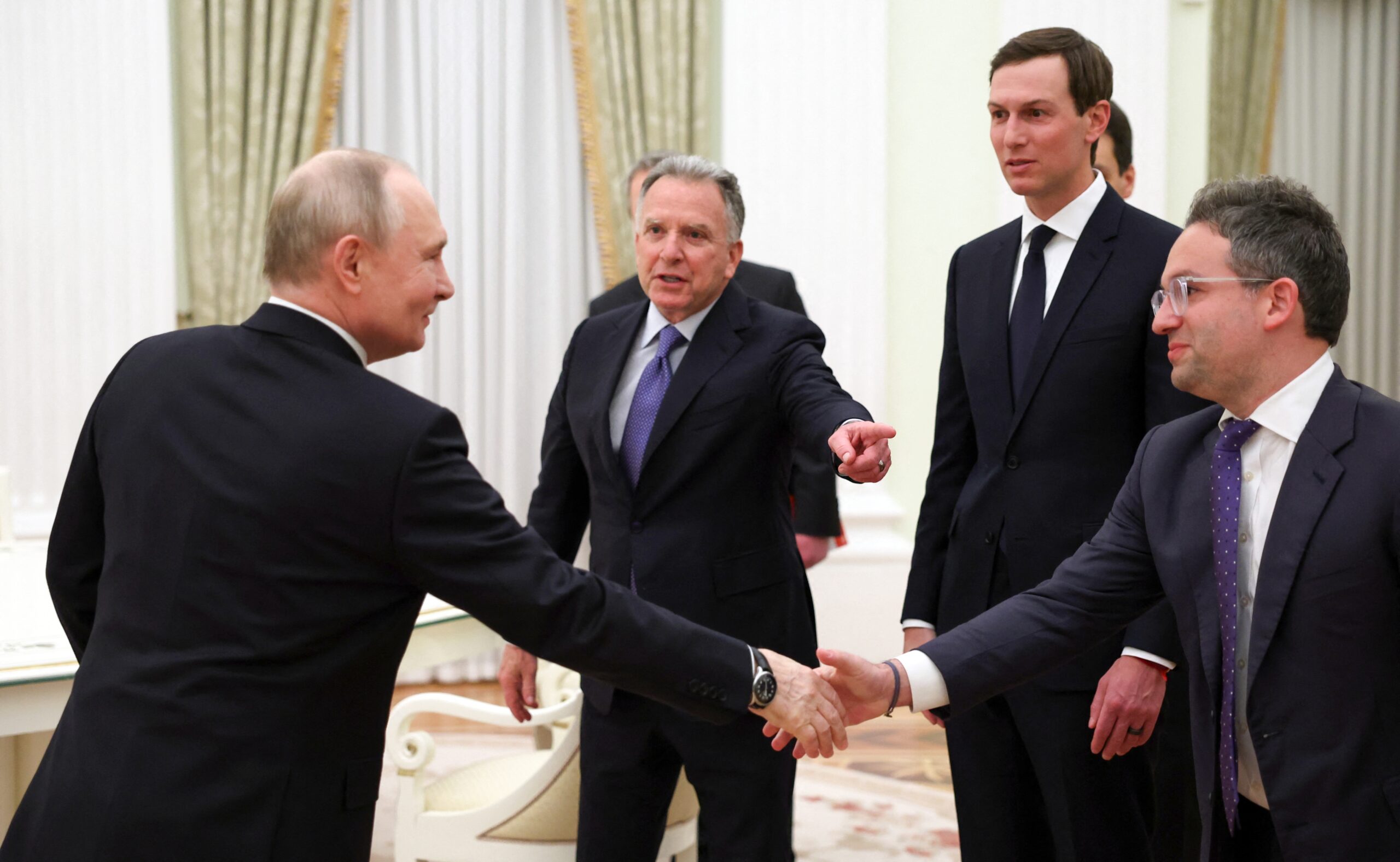
Josh Gruenbaum, a former private equity investor who joined the Trump administration last year to lead the Federal Acquisition Service and has recently been detailed to the White House, has departed the federal government and is set to join an investment firm, a source with knowledge of the move told Jewish Insider’s Gabby Deutch.
Board detail: Gruenbaum will continue serving as a senior advisor to the Board of Peace — a role he has held since earlier this year, with a focus on Gaza — in an unpaid capacity. Gruenbaum, who served on the Trump administration’s interagency antisemitism task force during his time leading FAS, joined White House Special Envoy Steve Witkoff and Jared Kushner’s negotiating team earlier this year, appearing with them at a meeting in Russia with Russian President Vladimir Putin, and moved over to the White House in April.
Another high-profile departure: Jacob Reses, the longtime chief of staff to Vice President JD Vance who has been a part of the now-vice president’s inner circle since advising him on his 2022 Senate bid, will depart the Trump administration at the end of the summer, JI’s Emily Jacobs reports.
TECH TIES
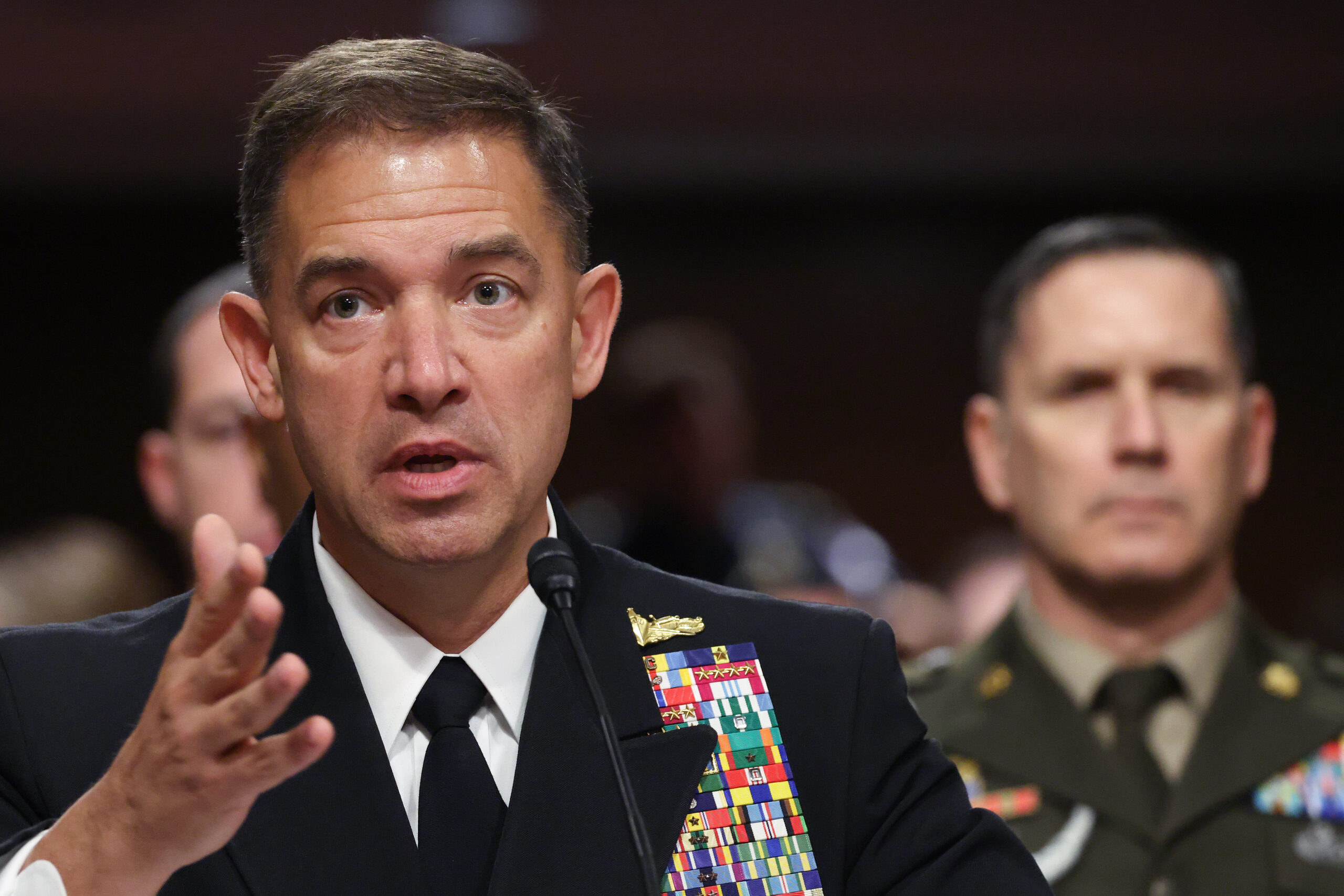
The Senate Armed Services Committee’s draft of the 2027 National Defense Authorization Act includes a provision based on the FUTURES Act, establishing a U.S.-Israel Defense Cooperation Initiative, according to an executive summary released on Thursday by the committee and congressional officials, Jewish Insider’s Marc Rod reports.
Tweaks to House version: A similar provision in the House version of the bill attracted significant controversy in anti-Israel circles — with critics falsely claiming that the measure would irrevocably merge the U.S. and Israeli militaries or undermine U.S. sovereignty — with multiple House members vowing to try to strip the provision from the bill, even as top lawmakers on both sides of the aisle have defended it. A congressional official said that the Senate provision has some adjustments from the House bill and the original FUTURES Act, with a focus on medium- and long-term threats; the original bill encompasses numerous areas of cooperation that already exist between the U.S. and Israel.
DAYLIGHT DISPUTE

Efforts to eliminate annual time changes and make daylight saving time permanent are picking up momentum in Congress with strong backing from President Donald Trump — a proposal long opposed by the Orthodox Jewish community, Jewish Insider’s Marc Rod reports. The new effort comes weeks after the House Energy and Commerce Committee voted 48-1 to insert an amendment codifying the change into a high-priority surface transportation package, a must-pass bill that could carry the measure through into law.
Conflicting clocks: Trump and the White House have been directly involved in the effort, Politico reported, urging lawmakers to include the amendment in the package, and making direct calls to lawmakers on the provision. But Orthodox groups say that changing to permanent daylight saving time would have a significant impact on daily Jewish morning prayers, which must be conducted during daylight and would happen well into the workday in certain times of the year, and also raise safety concerns for children commuting to school in the dark.
LATE SWITCH
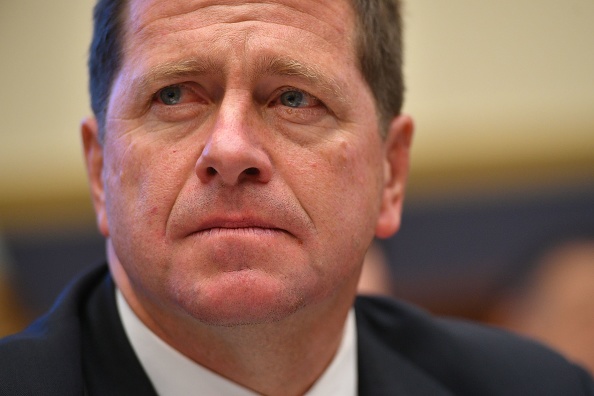
President Donald Trump named Jay Clayton, the U.S. attorney for the Southern District of New York, as his nominee to replace Tulsi Gabbard as director of national intelligence, after a two-week furor over his plans to name federal housing chief Bill Pulte to the role in an acting capacity, Jewish Insider’s Marc Rod reports.
Resume review: Though his career hasn’t been focused on national security issues, Clayton’s time at the SEC and the SDNY gave him background in law enforcement, security and counterterrorism issues, which could help assuage concerns on the Hill. Clayton signed the U.S. indictment of Venezuelan President Nicolás Maduro ahead of Maduro’s capture by U.S. forces in Caracas. After his time in the first Trump administration, among other roles, Clayton served as an advisor to Fireblocks, an Israeli-based cryptocurrency firm.
MICHIGAN FALLOUT
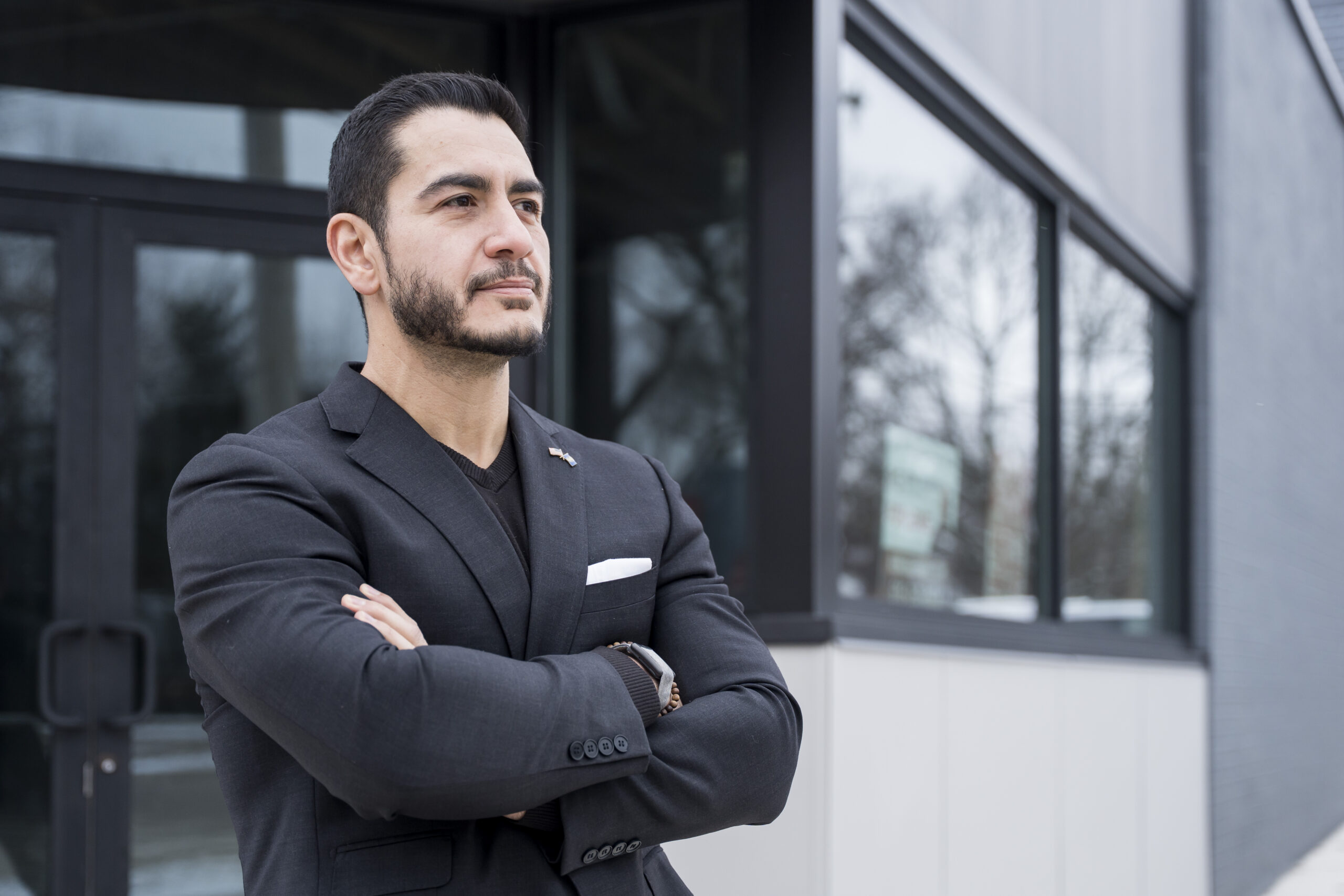
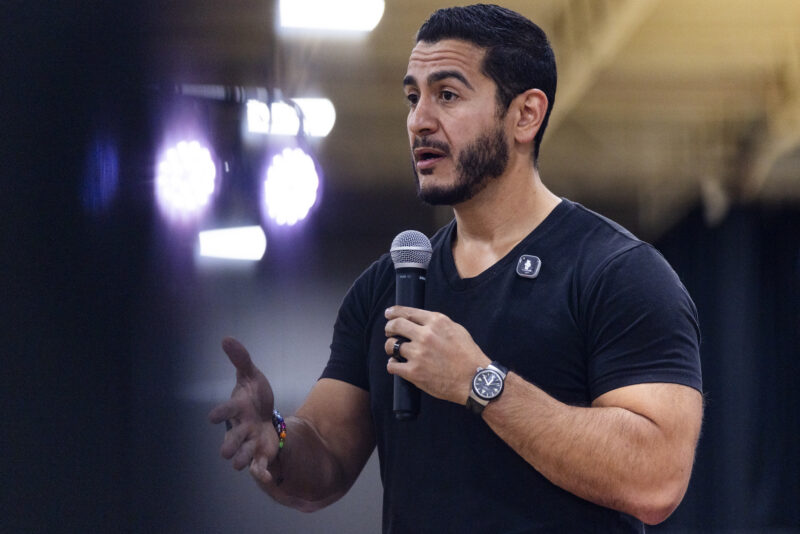
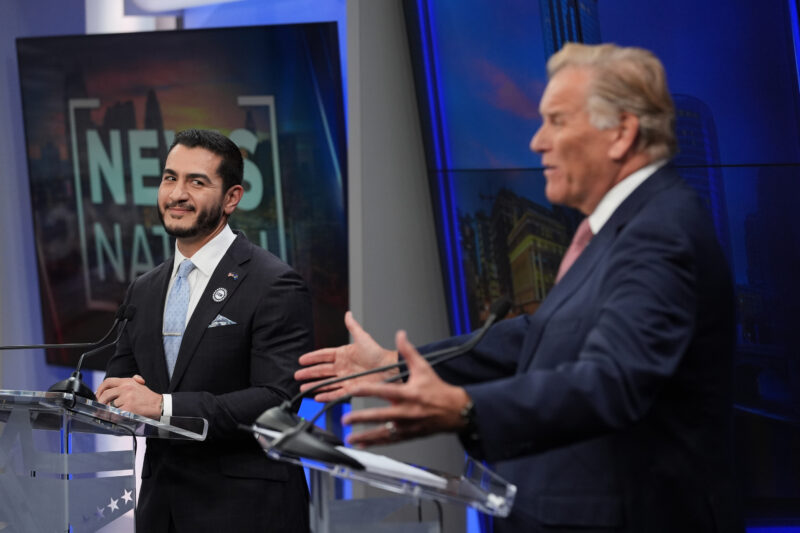
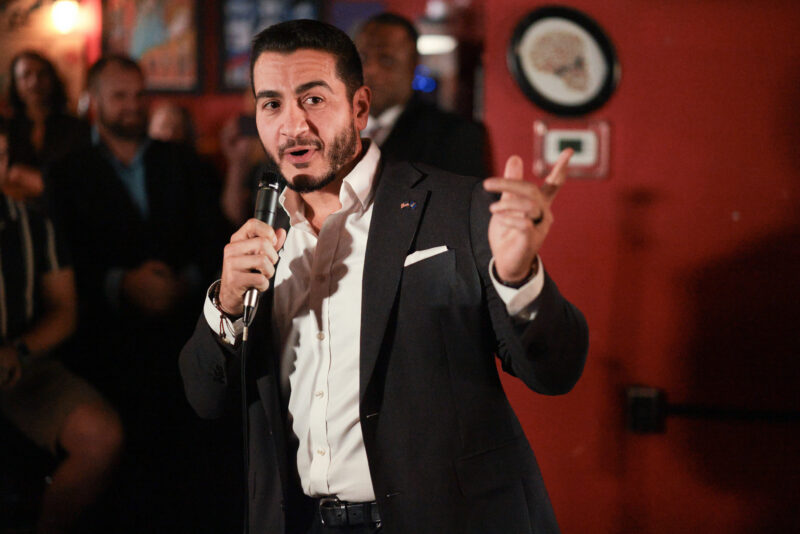
One of the eight anti-Israel activists indicted on Wednesday over allegedly threatening University of Michigan officials seen as pro-Israel and vandalizing local Jewish organizations was on the staff of far-left U.S. Senate candidate Abdul El-Sayed as recently as April, Jewish Insider’s Haley Cohen reports. The federal indictment lists Mariam Odeh, 24, of Dearborn, Mich., as one of the defendants who allegedly carried out a series of coordinated actions targeting university leaders and organizations with connections to Israel following the Oct. 7, 2023, Hamas terrorist attacks.
Paycheck paper trail: Odeh, who is listed in the indictment as president of the campus organization Students Allied for Freedom and Equality, was paid $154 by El-Sayed’s campaign on March 3 and $593 on March 13, according to fundraising disclosures first obtained by The Detroit News, which reported that the payments were described as salary disbursements. A spokesperson for El-Sayed told the paper that Odeh was an hourly employee on the campaign for two weeks and has not been affiliated with it since April 15.
riyadh ruminations

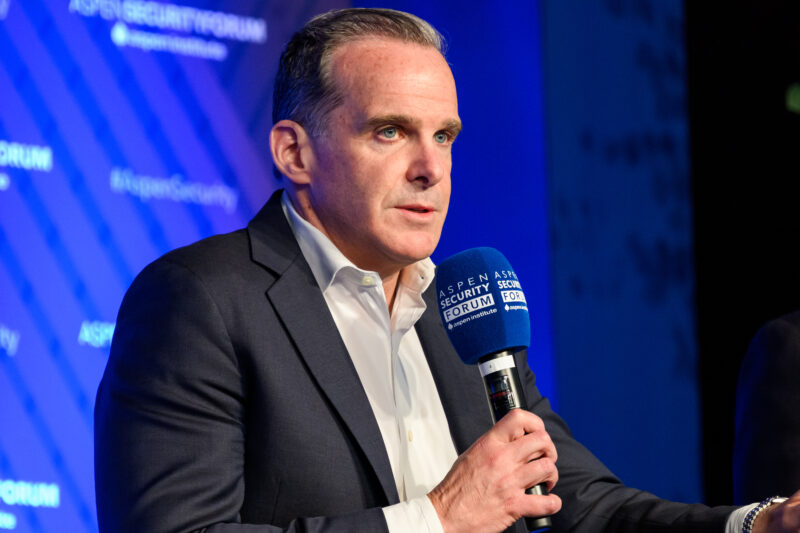
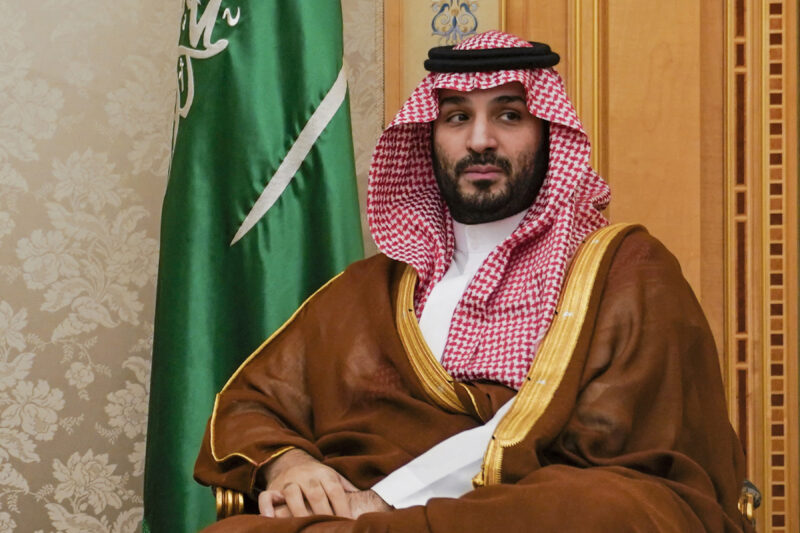
Morgan Ortagus, the former deputy presidential envoy for Middle East peace, suggested on Thursday that normalizing relations between Saudi Arabia and Israel was not a top priority for Saudi Crown Prince Mohammed bin Salman, citing security concerns and his focus on ensuring he becomes king, Jewish Insider’s Marc Rod and Emily Jacobs report. Ortagus made the comments while participating in an event at the Foundation for Defense of Democracies with Hussain Abdul-Hussain, a research fellow at FDD, discussing his book, The Arab Case for Israel: And Other Essays from a Distant Conflict.
Transition talk: Ortagus said that the Saudi crown prince’s top priority is becoming king and ensuring a peaceful transition from his father, King Salman, explaining that conversations about Riyadh normalizing relations with Israel should be viewed through that lens. “When you look at it from the lens of MBS, everybody is a politician of some sort. What’s the most important thing that he has to do in the next few years? Actually become king,” Ortagus said. “Does getting a deal with Israel help him become king or not? Does it help that peaceful transition?”
Mitigated momentum: Experts said on Thursday at an event hosted by Iran International that the Trump administration has failed to adequately tap into pro-Western sentiment among the Iranian public following the regime’s violent crackdown on nationwide protests earlier this year, arguing that the White House is missing a key opportunity to cultivate internal pressure within Iran, JI’s Christina Sher reports.
Worthy Reads
Spin Cycle: Puck’s Julia Ioffe looks at Barak Ravid’s coverage of the Trump administration and the Iran war, as the veteran Israeli journalist faces both praise and jealousy for his access to and sourcing of senior officials. “The [Biden] official recalled repeatedly trying to duck him, to no avail. ‘I heard you think I’m annoying,’ Ravid allegedly said, explaining that his daughter had heard it at school from the official’s daughter. Soon enough, this official concluded that Ravid was worth talking to, not least because he had such impressive sources in Israel and the Middle East. ‘He trades,’ the Biden official said. ‘You tell him something and he’ll say, “I spoke to someone in Bibi’s government and they told me this.” He’s more useful than other reporters, who are a one-way street.’” [Puck]
Looking Ahead: In Sapir, Roger Zakheim, the director of the Ronald Reagan Institute, writes that the future of a healthy conservatism depends on preventing its more noxious forms of populism from taking over the movement. “The future of American conservatism hinges on whether national conservatism will continue to outpace its ideological predecessors: traditional conservatism, neoconservatism, and Reaganism. At present, it is attracting a young and energetic following and getting far more of the podcast airtime. And when it comes to policy positions, there is not a single one more contested in this battle over the future of conservatism than U.S. support for Israel, with the traditional conservatives and neocons holding a firm ‘yea,’ but a growing number of influential natcons, including [far-right commentator Tucker] Carlson, pushing ‘nay.’ What makes this most ironic is where national conservatism began: Israel.” [Sapir]
Fights and Fêtes: In The Wall Street Journal, presidential historian Tevi Troy examines the historical context for President Donald Trump’s hosting of this weekend’s UFC Freedom 250. “While the superfight is a first for the White House, celebrity events have long been part of presidential birthday festivities. Perhaps the most famous was John F. Kennedy’s 1962 fundraising extravaganza for the Democratic Party at New York’s Madison Square Garden. Marilyn Monroe put on a slinky crystal-spangled dress so tight that she reportedly had to be sewed into it and sang a seductive ‘Happy Birthday, Mr. President’ in front of 15,000 people. Among the guests were Ella Fitzgerald, Jack Benny and Harry Belafonte.” [WSJ]
Word on the Street
The State Department held its first-ever Symposium on Islamist Ideology and Antisemitism on Thursday, convening senior officials from across the Trump administration; the summit was hosted by Yehuda Kaploun, the U.S. special envoy to monitor and combat antisemitism, and Seb Gorka, the administration’s counterterrorism czar…
The State Department said it had “no plans to revoke” the green card of Trita Parsi, but that it would “unapologetically terminate the legal status of any foreign national who participates in activities that undermine America’s national security,” following a report earlier this week suggesting that officials in Foggy Bottom had launched an investigation into the Quincy Institute co-founder…
The Washington Post reports on a failed Qatari effort to safeguard its Ras Laffan gas complex through back-channel talks with Iran; the effort reportedly included a pledge that Doha would unilaterally halt its gas production, thereby raising prices and increasing pressure on the U.S. and Israel to swiftly end the war…
Sen. Elissa Slotkin (D-MI) announced her endorsement of Rep. Angie Craig (D-MN) in Minnesota’s Senate primary, calling the moderate congresswoman “a leader and a fighter” who has “stepped up” while serving in the House, Jewish Insider’s Matthew Kassel reports…
A left-wing streamer claimed to the New York Post that in 2021, Maine Senate candidate Graham Platner cheated on his then-fiancee with the streamer, providing to the Post text messages from September 2025 that included information about the Democrat’s personal life, including a Nazi tattoo whose meaning Platner later claimed he did not know…
The Florida Republican Party announced antisemitic and racist gubernatorial candidate James Fishback as a speaker at its Sunshine State Showdown convention, prompting Rep. Randy Fine (R-FL) to withdraw from the upcoming confab…
New York congressional candidate Brad Lander, running against Rep. Dan Goldman (D-NY), told The New York Times that criticizing AIPAC, which he knows can sometimes invoke antisemitic tropes about Jews and money, makes him “feel queasy” but he still feels that he “[has] to”…
Some pro-Israel members of the United Teachers Los Angeles House of Representatives are condemning the union for bypassing its own policies to expel a Jewish teacher and Zionist activist, JI’s Haley Cohen reports…
The New York Times reviews Stephan Talty’s The American School of Spies: The Archaeologists Who Fought the Nazis and Saved the Treasures of Ancient Greece, about Allied efforts to fight the Nazis in World War II-era Greece and safeguard the country’s antiquities…
A Toronto police officer was shot and killed while executing a search warrant in connection with the March attack at the U.S. consulate in Toronto, which was linked to an Iranian Iraqi national…
U.K. Defense Minister John Healey and Al Carns, the country’s armed forces minister, resigned on Thursday, amid a dispute with No. 10 Downing St. over concerns that planned defense spending would not adequately address threats from Russia; Dan Jarvis was appointed to succeed Healey…
France accused Israeli cyber firm BlackCore of meddling in local French elections by targeting far-left mayoral candidates…
Israel’s Kan broadcaster reports that Israel was blocked from using the airspace of another country in the region during strikes earlier this week targeting Iran, despite having given Israel air clearance in past conflicts, in what one source said was a “clear diplomatic message” being sent to Jerusalem about shifting regional dynamics…
The Israeli government is pushing for the rapid expansion of settlement construction in the West Bank, with a new proposal — slated for review by the country’s Security Cabinet on Sunday — calling for the allocation of hundreds of millions of dollars to establish a presence on approximately 60 sites in the enclave…
Former Director of National Intelligence Avril Haines was named by the Carnegie Endowment for International Peace as the think tank’s new president…
Wine of the Week

JI wine columnist Yitz Applbaum reviews the Château Fayat 2022:
There are many ways to prepare for Shabbat. Few are as quietly glorious as a breakfast in France with Jacob Abitan given over to six magnificent wines. We worked our way across Bordeaux that morning, left bank to right bank and everything in between. One bottle followed me from that table all the way to a Shabbat Sheva Brachot in Tel Aviv, and has stayed with me since. That was the Château Fayat 2022. A Pomerol from the right bank, Fayat is built on the region’s signature merlot, the 2022 a merlot-dominant blend lifted by a touch of cabernet franc. From the first pour, it spoke a single word: serenity. Quiet, unhurried, composed. I saw the bottle through to its end, and it never once raised its voice.
It opened on a soft note of fig. The mid-palate broadened into something generous and shaded, a great red-cherry tree in full fruit. And the finish? The finish took my blood pressure down 40 points. Pour it alongside a faux pâté and let the richness settle into that creamy, silken merlot texture. It drinks beautifully now, reason enough to open one this coming Shabbat, though it has the structure to wait, and will reward your patience just as well five years on.
Pic of the Day
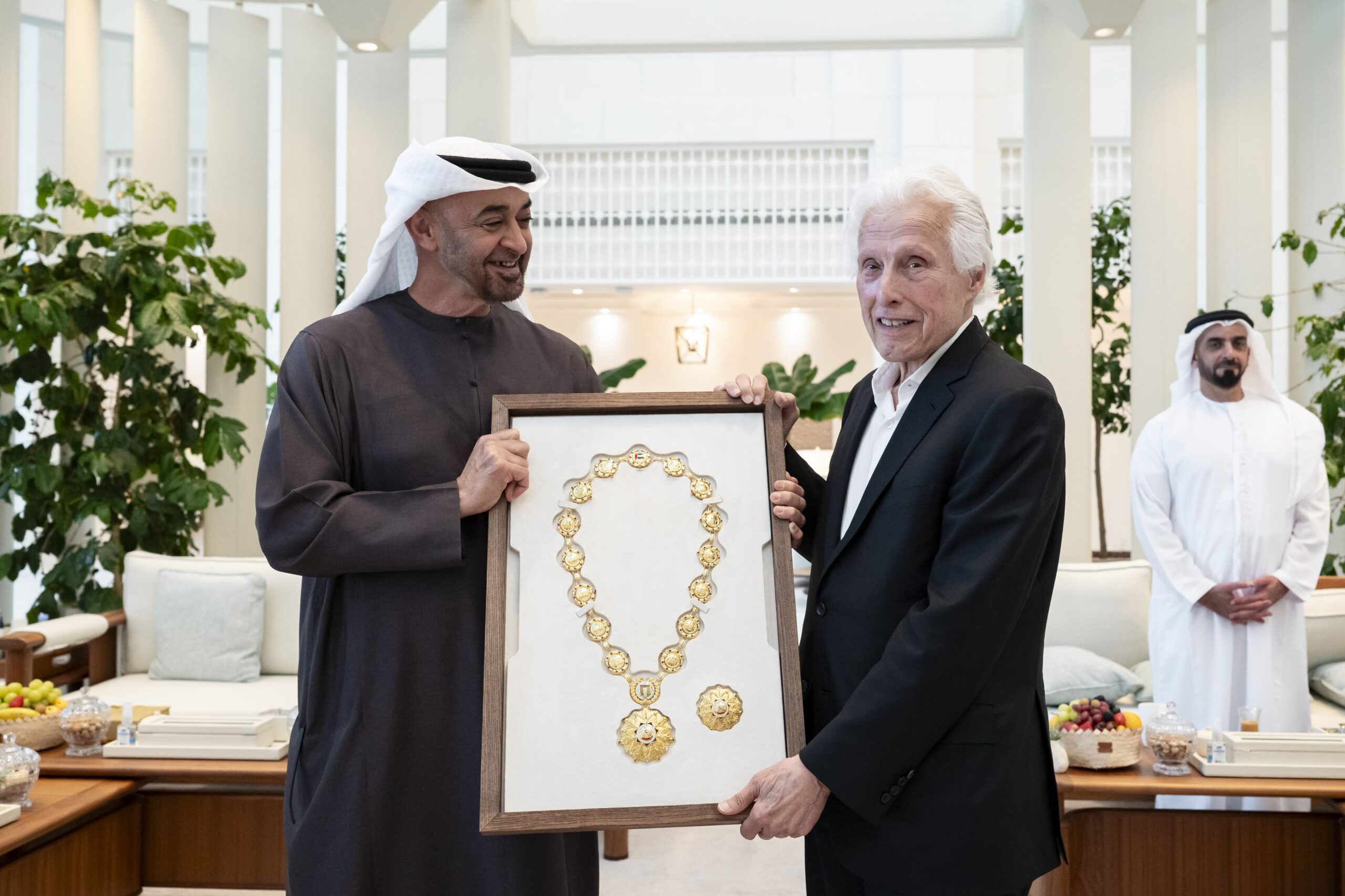
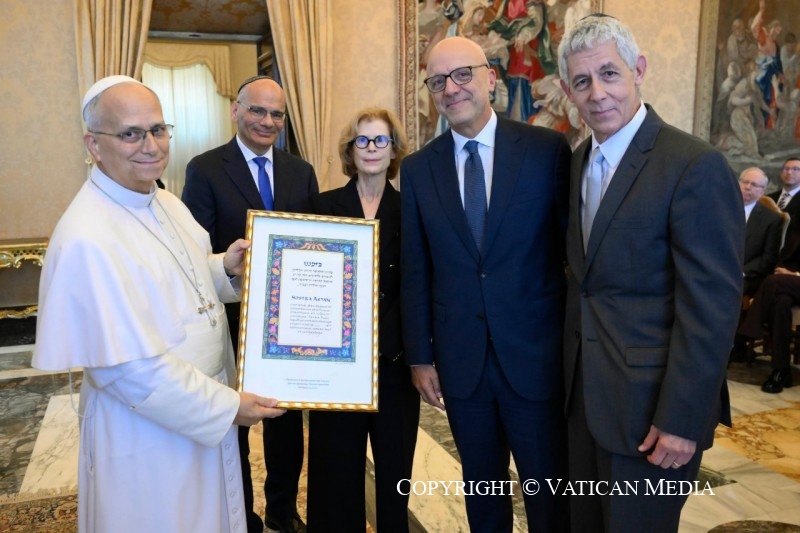
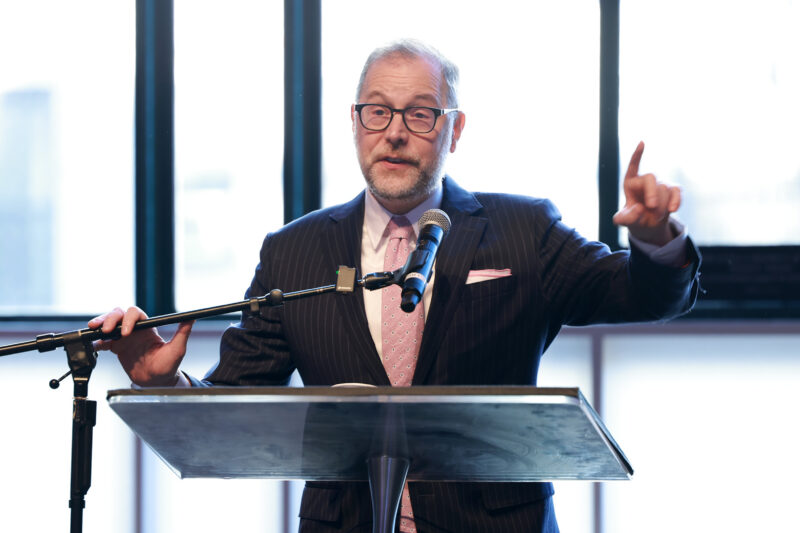
Real estate attorney Martin Edelman, a longtime advisor to the ruling family of the United Arab Emirates, was awarded the country’s Order of the Union, the second-highest civilian honor, on Thursday by UAE President Sheikh Mohamed bin Zayed Al Nahyan, Jewish Insider’s Melissa Weiss reports.
Birthdays
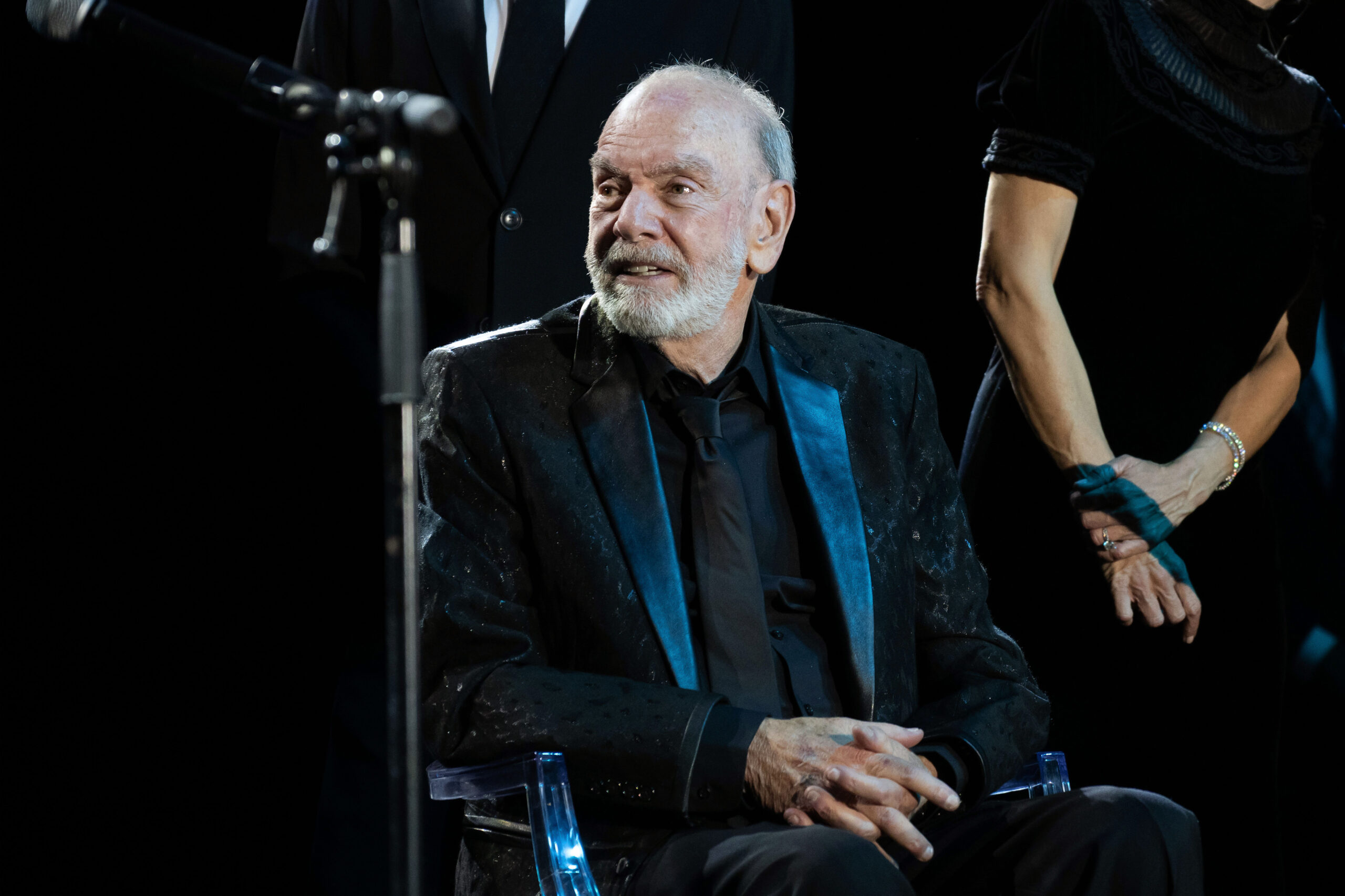
Retired sportscaster for NBA games on TNT, has also been the play-by-play announcer of multiple Super Bowls, NBA Finals and Stanley Cup Finals, Marv Albert (born Marvin Philip Aufrichtig) turns 85…
FRIDAY: Senior of counsel at Paul Hastings LLP, Martin Edelman turns 85… Former solicitor of labor in the Nixon and Ford administrations, then a senior partner at Gibson Dunn, William J. Kilberg turns 80… Social psychologist, he is the director of the Cohen Center for Modern Jewish Studies at Brandeis University, Leonard Saxe turns 79… Israeli statesman and scholar who has served in multiple ministerial and leadership positions in the Israeli government including 20 years as a member of the Knesset, Yosef “Yossi” Beilin turns 78… Rabbi emeritus at Temple Beth El in Santa Cruz County, Calif., Richard Litvak… British Conservative Party member of Parliament until 2024, his father was a rabbi, Sir Michael Fabricant turns 76… Professor at the University of Florida’s Hamilton Center, his 2022 book is The Arc of a Covenant: The United States, Israel, and the Fate of the Jewish People, Walter Russell Mead turns 74… Dental consultant and recruiter, Kenneth Nussen… Peruvian banker and politician, José Chlimper Ackerman turns 71… Senior fellow at the American Enterprise Institute and instructor at Georgetown’s Center for Jewish Civilization, Danielle Pletka turns 63… Television producer and executive, he was the CEO of Showtime Networks until 2022, David Nevins turns 60… EVP of American Friends of Lubavitch (Chabad), from his base in Washington he serves as the worldwide governmental and diplomatic point person for the entire Chabad-Lubavitch movement, Rabbi Levi Shemtov… Film and television actor, best known for his role as Louis Litt in the legal drama series “Suits,” Rick Hoffman turns 56… EVP at Politico Europe, Carrie Budoff Brown… Founder of Singularity Communications, Eliezer O. “Eli” Zupnick… Founder and managing partner of the investment firm Thrive Capital and the co-founder of Oscar Health, Joshua Kushner turns 41… Canadian tech entrepreneur, television personality and venture capitalist, Michele Romanow turns 41… Partner at Enso Collaborative, Hanna Siegel… Co-creator of the Mozilla Firefox internet browser, he was the director of product at Facebook and then worked at Uber, Blake Aaron Ross turns 41… Counsel of government relations at Kaiser Permanente, Zachary Louis Baron… VP at MediaLink, Alexis Rose Levinson… Multimodal transportation coordinator in the planning department of Montgomery County, Md., Eli Glazier… Photographer and Instagram influencer, Tessa Nesis… Associate in the financial institutions group at Cleary Gottlieb Steen & Hamilton LLP, Jay Rappaport… Israeli windsurfer, he won a gold medal at the 2024 Paris Olympics, Tom Reuveny turns 26… Lead consultant at AutoNate, Joel Bond…
SATURDAY: Existential psychiatrist, he is a professor emeritus of psychiatry at Stanford University, Irvin David Yalom turns 95… Professor emeritus at UCLA, he played an influential role in the development of the ARPANET, the precursor to the internet, Leonard Kleinrock turns 92… London-born, now living in Gstaad, Switzerland, billionaire founder of Graff Diamonds, Laurence Graff turns 88… Former official in the Johnson, Nixon, Clinton and Obama administrations, winner of a 1985 MacArthur genius fellowship, Morton Halperin turns 88… Chairman and CEO of Oppenheimer & Co., then chancellor of Brown University and founder of Source of Hope Foundation, Stephen Robert turns 86… Member of Congress (D-NY) since 1992, Jerrold Lewis “Jerry” Nadler turns 79… Retired justice of the Supreme Court of Israel, he was previously attorney general of Israel, Elyakim Rubinstein turns 79… Assistant professor of ophthalmology at the Johns Hopkins University School of Medicine and director of retina surgery at Franklin Square Hospital, Michael J. Elman, MD… Chief Jewish education officer of the Jewish Federation of Broward County, Fla., Rabbi Arnie Samlan turns 71… Senior national political correspondent for NPR and a contributor at the Fox News Channel, Mara Liasson turns 71… Tech entrepreneur and co-founder and general partner along with Marc Andreessen of the venture capital firm Andreessen Horowitz, Benjamin Abraham “Ben” Horowitz turns 60… Internet entrepreneur, founder and CEO of Overtime, a digital sports platform, Daniel Porter turns 60… Yoga instructor, Jenny Eisen Verdery… Founder of Peninsula Group, a publicly traded Israeli commercial finance institution, Micah Lakin Avni turns 57… Family court judge in New York City, serving in Brooklyn, Judge Erik S. Pitchal turns 54… Principal of Invariant, Eli Stokols… Founder and CEO of NYC-based JDS Development Group, a high-rise residential development firm active in Manhattan, Brooklyn and Miami, Michael Stern turns 47… Chief external affairs officer at BSE Global, Marissa Shorenstein… Policy advocate at Protect Democracy, Ariela Rosenberg… Actor, the son of Steven Spielberg and Amy Irving, Max Samuel Spielberg turns 41… Actor, known professionally as Kat Dennings, she starred in the CBS sitcom “Two Broke Girls,” Katherine Litwack turns 40… Fashion blogger and creator of Something Navy apparel stores, Arielle Noa Nachmani Charnas turns 39… Contributor at Real Clear Investigations, Benjamin H. Weingarten… Retired NFL football player after four seasons, he is the CEO at Mary Jones Cannabis, Gabe Carimi turns 38… Speed skater who represented the U.S. at the Winter Olympics in 2014, 2018, 2022 and 2026, Emery Lehman turns 30…
SUNDAY: Retired Soviet nuclear scientist, now writing from Skokie, Ill., on Jewish intellectual spirituality, Vladimir Minkov, Ph.D. turns 93… Retired U.S. district judge for the District of Maryland, Marvin Joseph Garbis turns 90… Former vice chair of the board of the Jewish Federation-Council of Greater Los Angeles, Dr. Beryl A. Geber… 45th and 47th president of the United States, Donald J. Trump turns 80… Former French diplomat and advisor to former French Presidents Chirac and Sarkozy, Jean-David Levitte turns 80… Television sportscaster and journalist, Len Berman turns 79… Writer, critic, philosopher and magazine editor, Leon Wieseltier turns 74… Chairman and chief investment officer of Duquesne Family Office, Stanley Druckenmiller turns 73… One of the wealthiest people in the U.K., he was knighted by Queen Elizabeth II in 2017 for services to philanthropy, Sir Leonard “Len” Blavatnik turns 69… Political activist and outspoken critic of Islam, Pamela Geller turns 68… Co-founder of Virunga Mountain Spirits, a distillery in Rwanda, William Benjamin “Bill” Wasserman… President of Blue Diamond HR LLC, Michelle “Shel” Grossman… President of Williams College in Williamstown, Mass., Maud S. Mandel turns 59… Former head of global media partnerships at Facebook / Meta, now a senior advisor to Tollbit, Campbell Brown… Singer-songwriter with ten studio albums, Joshua Radin turns 52… Co-founder of Kelp, now executive fellow at Harvard Business School, Daniel M. Gaynor… Australian fashion model, author, philanthropist and businesswoman, Kathryn Eisman turns 45… NYC-based businessman, living in the U.S. since 2003, he is the son of Russian businessman and former political prisoner Mikhail Khodorkovsky, Pavel Khodorkovsky turns 41… Deputy assistant secretary at HUD and then senior advisor at OMB (both during the Trump 45 administration), Paige Esterkin Bronitsky… Director of public affairs at San Francisco’s District Attorney’s office, Lilly Rapson… Actor, with a variety of television and film appearances, Daryl Sabara… Communications and membership manager at Society for the Rule of Law, Julia Cohen… Associate attorney at Manning & Kass, Ellrod, Ramirez, Trester, Jacob Ellenhorn… Vienna-based Europe correspondent for Haaretz, Liam Hoare…
Recent Daily Kickoff Newsletters




Please log in if you already have a subscription, or subscribe to access the latest updates.
 Continue with Google
 Continue with Apple