








































Bibi balks on Gaza
Plus, Larry David's fashion advice for Obama


 Add JewishInsider on Google
Good Monday morning.
In today’s Daily Kickoff, we look at the split between Washington and Jerusalem over the White House’s 15-point plan to disarm Hamas, and spotlight the House and Senate primaries in Minnesota that are testing the power of the state’s far-left activists. We look at the congressional primary taking shape in Hartford, Conn., where Rep. John Larson aims to hold his seat against a challenger calling for generational change, and report on the American Psychological Association’s decision to table a vote to recognize a Jewish group within the organization. Also in today’s Daily Kickoff: Will Scharf, Noach Hacker and Dario Amodei.
We also have a new on-demand Live Briefing that you can access throughout the day via our new app (on Apple and Android) and on our website.
Today’s Daily Kickoff was curated by JI Executive Editor Melissa Weiss and Israel Editor Tamara Zieve, with assists from Danielle Cohen-Kanik and Marc Rod. Have a tip? Email us here.
What We’re Watching
- Todd Blanche will be sworn in as attorney general this afternoon, following last week’s 50-49 Senate vote to confirm him.
- We’re keeping an eye on the talks between Iran and Oman to reopen the Strait of Hormuz, after the weekend yielded little progress toward reopening the waterway. President Donald Trump told Axios on Sunday that, despite Iran issuing new demands to the U.S. in order to reopen the strait, Washington is “only semi-negotiating with them” and is “low-keying it,” relying on Tehran’s economic crisis to bring it to an agreement.
- In Tehran, Mohsen Rezaei, the newly tapped head of the Islamic Republic’s national security body who led the Islamic Revolutionary Guard Corps during the 1980s and ’90s, issued new demands, including the end of efforts to target Iranian proxies in the region and the cessation of U.S. threats to Iran.
What You Should Know
A QUICK WORD WITH JI’S mELISSA WEISS
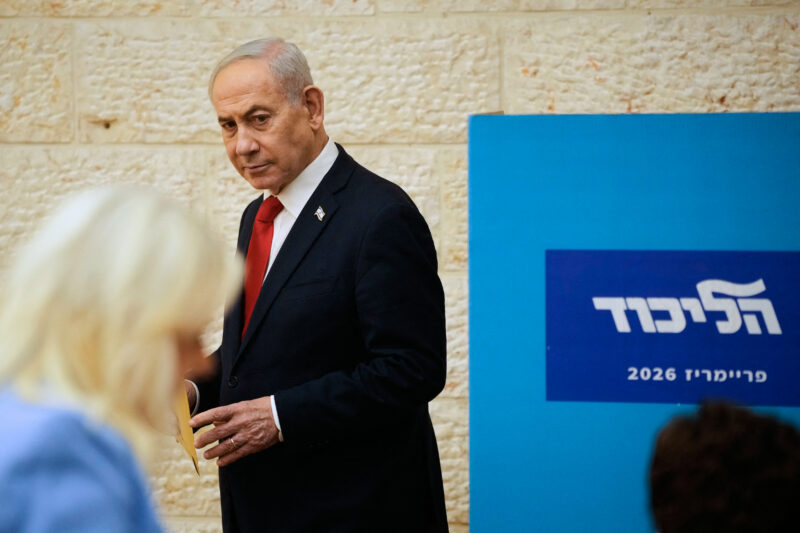
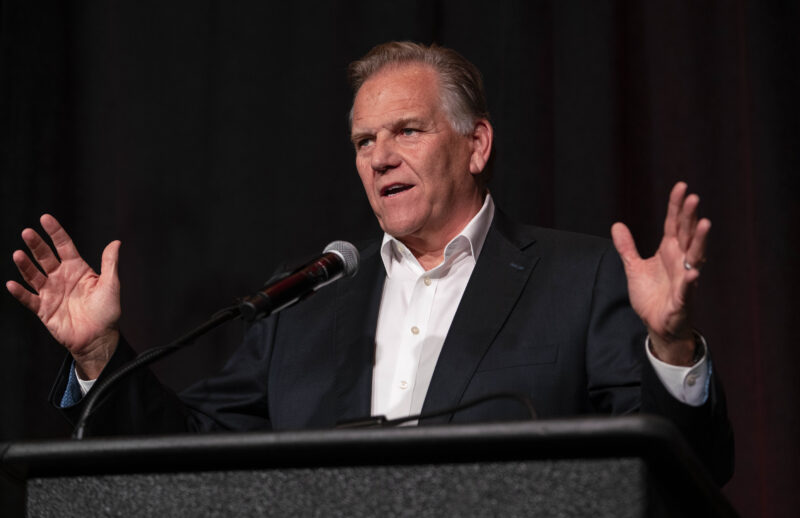
Israeli Prime Minister Benjamin Netanyahu on Sunday said Jerusalem “does not accept the 15-point document” agreed to last month by the U.S.-led Board of Peace and Hamas that would see the eventual disarmament of the terror group and withdrawal of the IDF from the Gaza Strip — a rare public break with the White House, which has touted the plan since it was announced.
In comments to his Cabinet on Sunday, Netanyahu said Israel “would not carry out any withdrawal until Hamas is disarmed.”
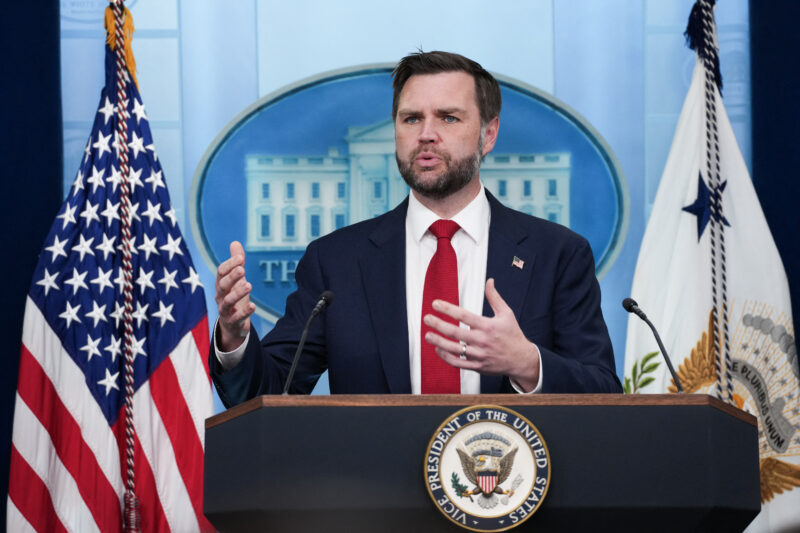
The White House and Jerusalem have largely been in lockstep on issues related to Gaza. The rupture over Hamas’ disarmament is one of the more significant policy breaks between President Donald Trump and Netanyahu.
Jonathan Conricus, a former IDF spokesperson who is now a senior fellow at the Foundation for Defense of Democracies, told JI that the mediating countries benefit from Hamas’ continued rule in the Gaza Strip and have no urgency to press for the terror group’s disarmament.
That lack of seriousness, he added, makes it unlikely that Hamas will take the necessary steps to disarm. “It’s all a show, it’s a charade, a spectacle,” Conricus said. “The only way that Hamas really ceases to control the Gaza Strip is if all of their weapons are handed in — not stored, not temporarily safeguarded somewhere else, but actually handed in, and if that is verified. As long as we won’t see that happening, I don’t think that Israel is going to agree with any charade.”
GOPHER BROKE
The latest Senate showdown between the center and the left set in Minnesota

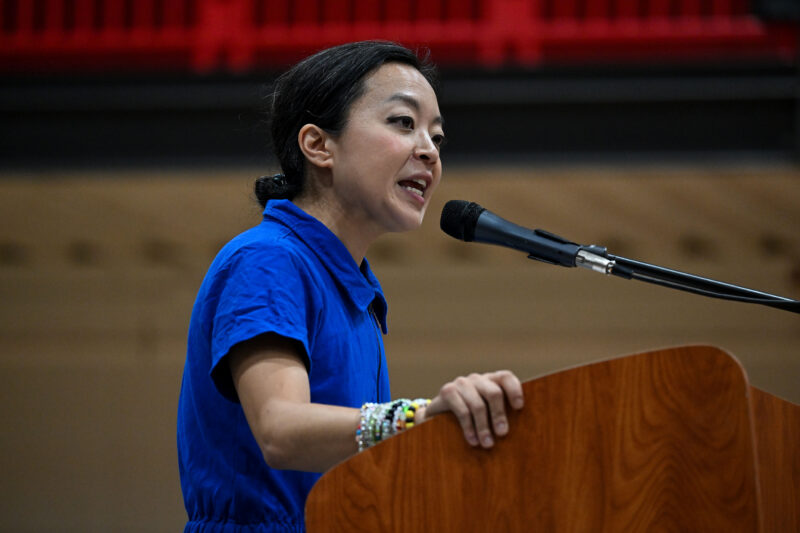
In an echo of Michigan’s bruising Democratic Senate primary last week, the bitter Democratic primary for an open Senate seat in battleground Minnesota this week is pitting a moderate House member with a long-standing pro-Israel record, Rep. Angie Craig (D-MN), against an outspoken progressive, Lt. Gov. Peggy Flanagan, whose attack lines have frequently centered on AIPAC, which spent over $30 million in its unsuccessful effort to help Rep. Haley Stevens (D-MI) in Michigan, Jewish Insider’s Matthew Kassel reports.
Neck-and-neck: Recent independent surveys have shown a statistical dead heat in the final weeks of the primary, with each candidate garnering around 40% of the vote. The candidates’ equivocations over AIPAC and individual ties to the group have also emerged as fault lines in recent weeks, complicating the ideological divisions that have shaped other primaries in which Israel and Middle East policy have featured prominently. In a reflection of the extent to which AIPAC is now viewed as a liability in Democratic primaries, Craig has distanced herself from the group, which has not officially made an endorsement in the race even as its donor network has contributed to her campaign.
ISRAEL ANGLE
Democratic primary for Craig’s House seat in Minnesota showcases Israel divide within party

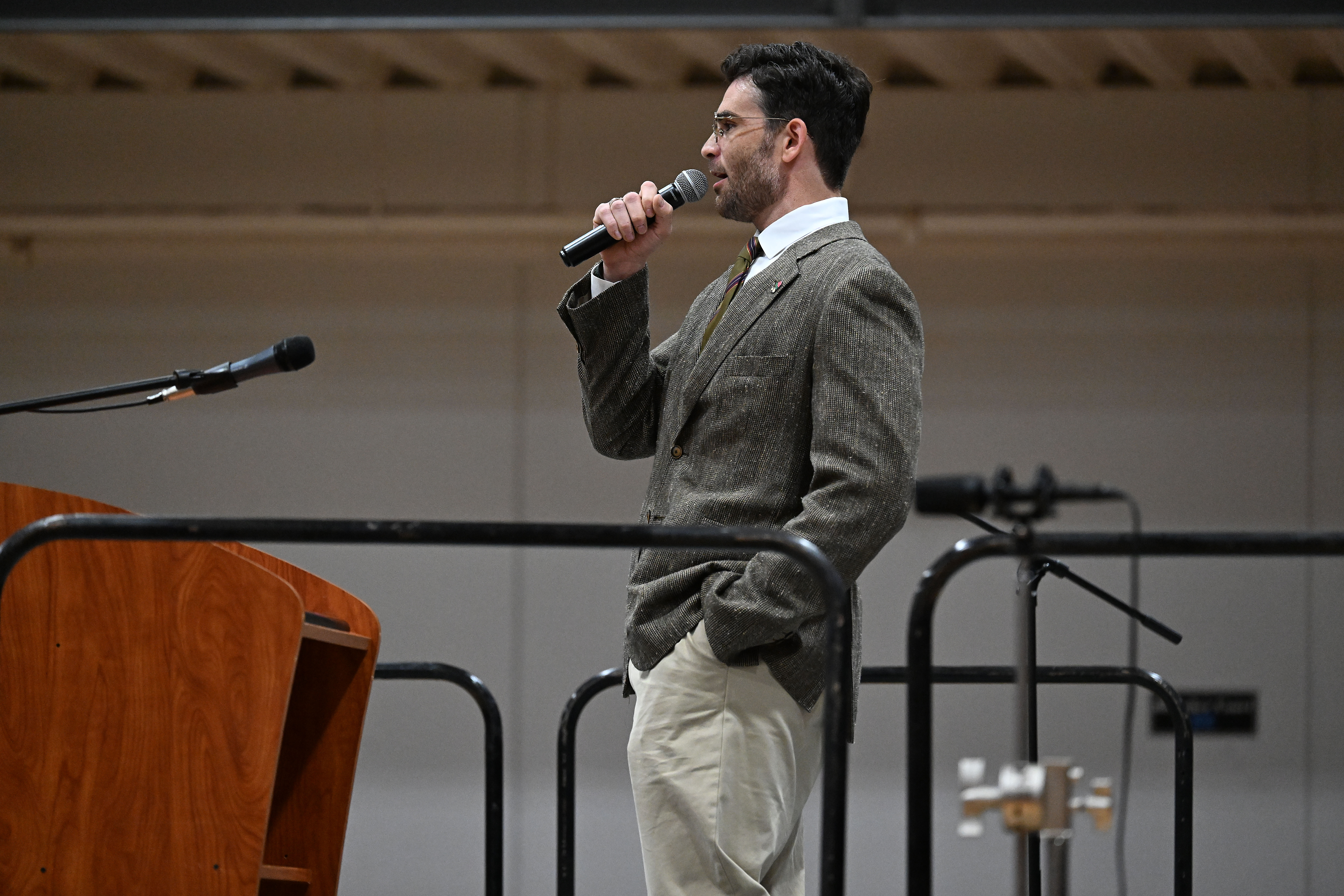
The three major Democratic candidates vying to replace Rep. Angie Craig (D-MN) are charting distinct lanes on Israel policy but only one of them, at a recent debate, offered support for Israel. The front-runner, former state Sen. Matt Little, is the Democrat positioning himself as most hostile to Israel in the race, Jewish Insider’s Marc Rod reports.
The split: At a July 19 debate, Little called not only for the U.S. to stop sending military aid to Israel but also to impose an arms embargo “on the sale of all weapons to Israel,” preventing Israel from buying U.S. military systems — its primary source of armaments — with its own funds. He said he would have voted for the amendment, sponsored by Rep. Thomas Massie (R-KY) to cut all U.S. aid to Israel and would have offered it himself if he had the opportunity. State Sen. Matt Klein, running as a moderate and seen as most closely aligned with Craig’s own record, was the only one of the three candidates who did not express support for the Massie amendment at the debate. State Rep. Kaela Berg charted out something of a middle position, criticizing but supporting the Massie amendment and calling for a complete halt to U.S. taxpayer funding to Israel.
CONNECTICUT COMPETITION
Longtime Connecticut congressman faces primary challenger making generational case for change
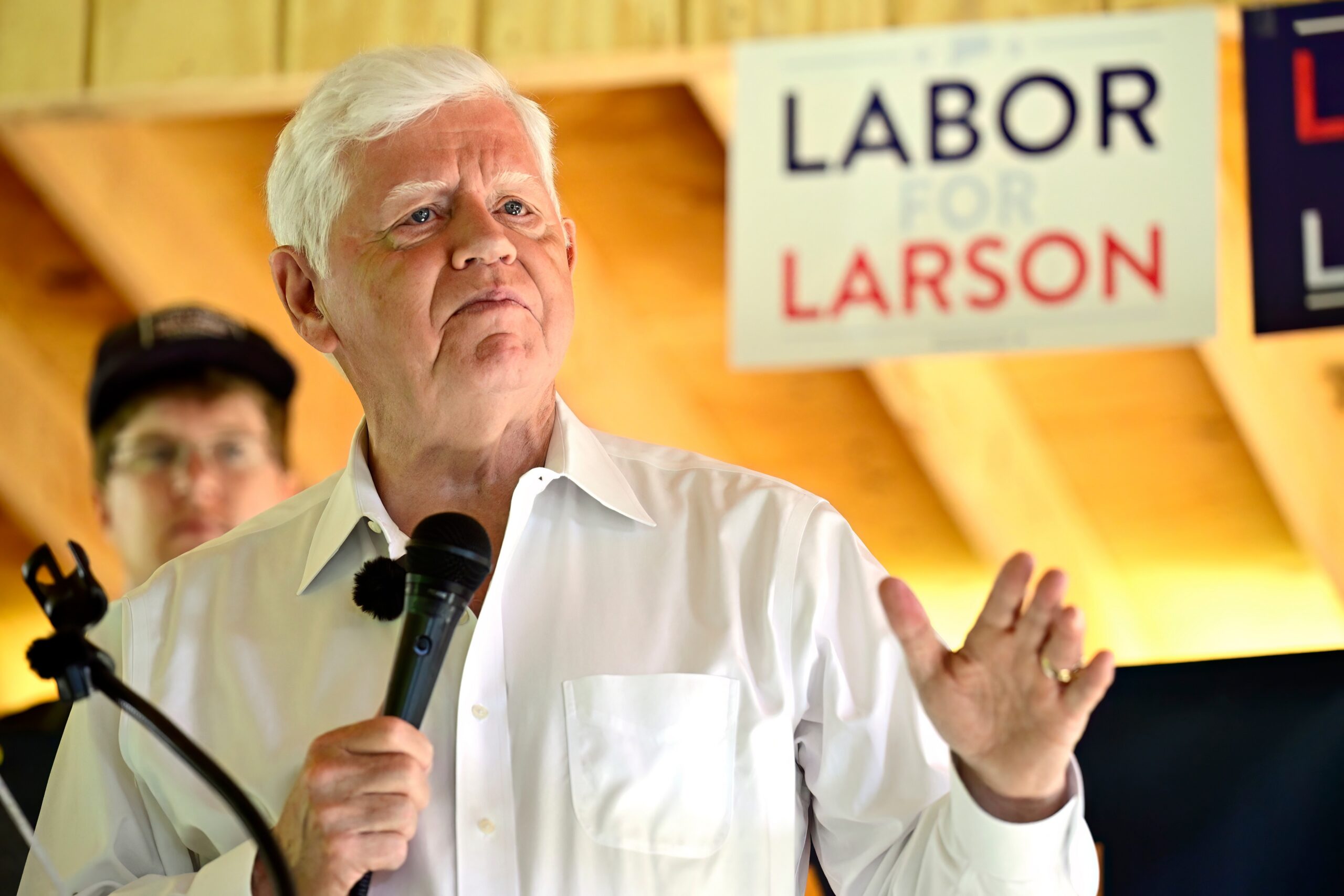
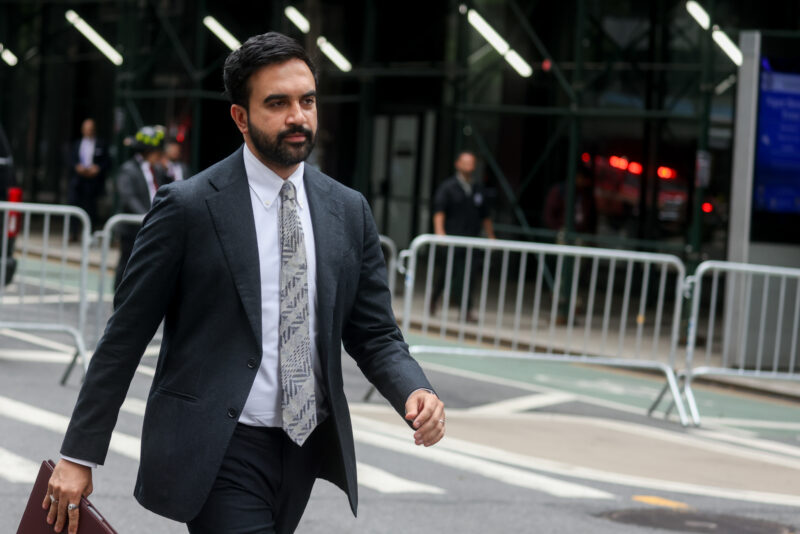
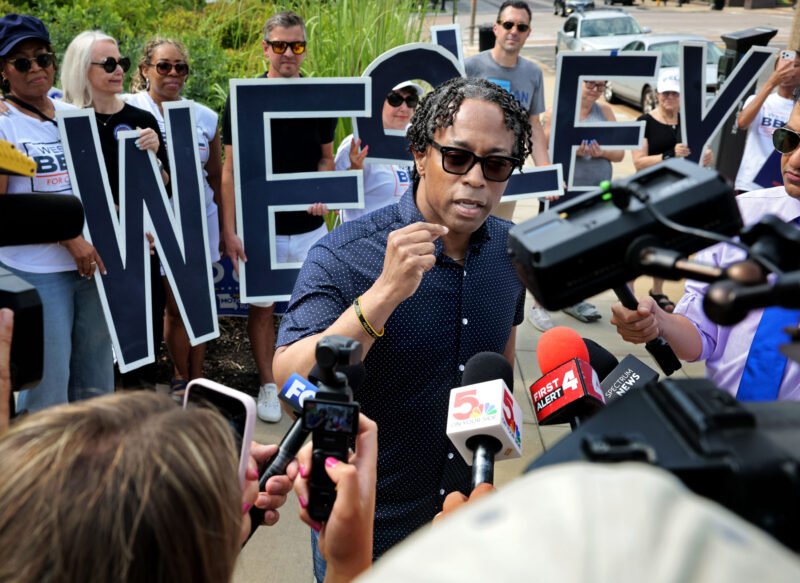
Longtime Rep. John Larson (D-CT) is facing a serious challenge to his political survival from former Hartford, Conn., Mayor Luke Bronin, the latest in a wave of challengers to make the argument for generational change in the House of Representatives. Larson, 78, has held his House seat since 1999, Jewish Insider’s Marc Rod reports.
Divide: Larson was among the House Democrats who voted last month against an amendment to cut off all U.S. aid to Israel, and is endorsed by AIPAC. At the same time, he’s been critical of the human rights situation in Gaza and opposed the Iran war. The district is home to the largest concentration of Jews in the state, largely in the Hartford area. Bronin, 47, criticized Larson for his vote, adding that if elected, he would not support any further offensive aid to Israel, though he said he supports defensive systems that protect civilians such as the Iron Dome.
TALKING TURKEY
New defense pact between Saudi Arabia, Turkey and Pakistan concerns U.S. national security experts

A coalition of Sunni regional powers signed a historic joint defense pact on Friday, but national security experts expressed deep unease over the arrangement, arguing that it reflects U.S. shortcomings in the Middle East while raising serious questions about its practical military feasibility, Jewish Insider’s Matthew Shea reports. The agreement, dubbed the Mecca Joint Defense Agreement, was signed in the Saudi holy city of Mecca by Saudi Crown Prince Mohammed bin Salman, Turkish President Recep Tayyip Erdogan and Pakistani Prime Minister Shehbaz Sharif.
Raising concerns: Edmund Fitton-Brown, a former British diplomat and senior fellow at the Foundation for Defense of Democracies, emphasized that the pact poses strategic complications for both Jerusalem and Washington, while raising alarms for regional actors. “For Israel, it is further confirmation of Turkish ambitions, which are explicitly directed against Israeli interests,” Fitton-Brown said. “For the U.S., it is questioning how reliable or permanent it is viewed as a player in the region. Stirring up a hornet’s nest in the Gulf and then appearing unsure about an endgame, or even clear red lines, has left American allies uncertain about the future and willing to hedge their bets.”
TRANSITIONS
Trump taps Will Scharf as White House counsel
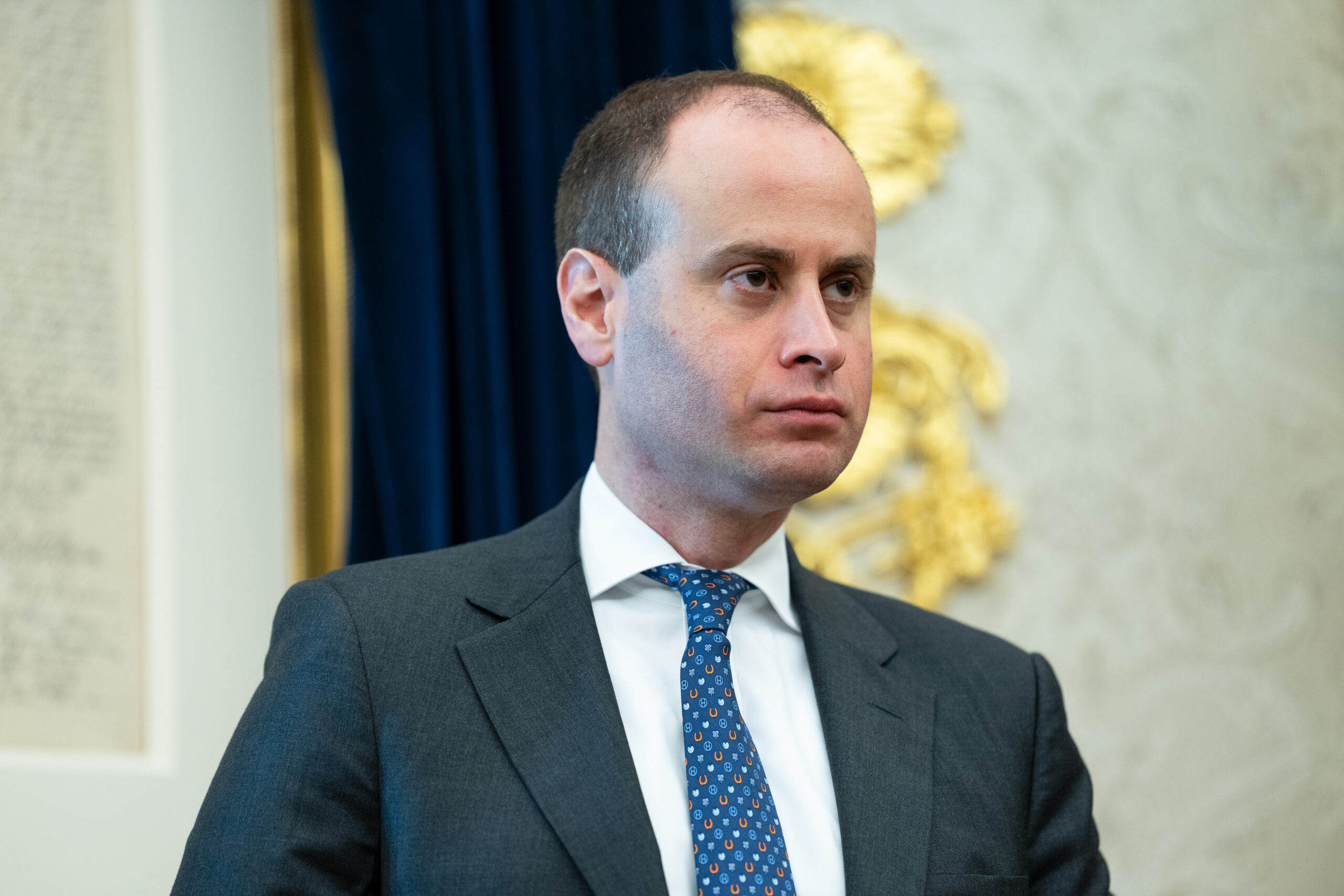
President Donald Trump announced on Sunday that White House Staff Secretary Will Scharf will replace David Warrington as White House counsel effective Sept. 1, Jewish Insider’s Melissa Weiss reports.
Trump’s announcement: In a Truth Social post, Trump praised Scharf, whom he said has done “an amazing job” as staff secretary, as “Tough, Strong, and Smart! He also loves our Country, and respects the Law.” Scharf, who is Jewish, has served as White House staff secretary, a lower-profile role that includes managing the paper flow to the president, since early 2025. At the time of his appointment to the position, Trump described Scharf as “a highly skilled attorney who will be a crucial part of my White House team.”
IN LIMBO
American Psychological Association postpones vote recognizing Jewish representation
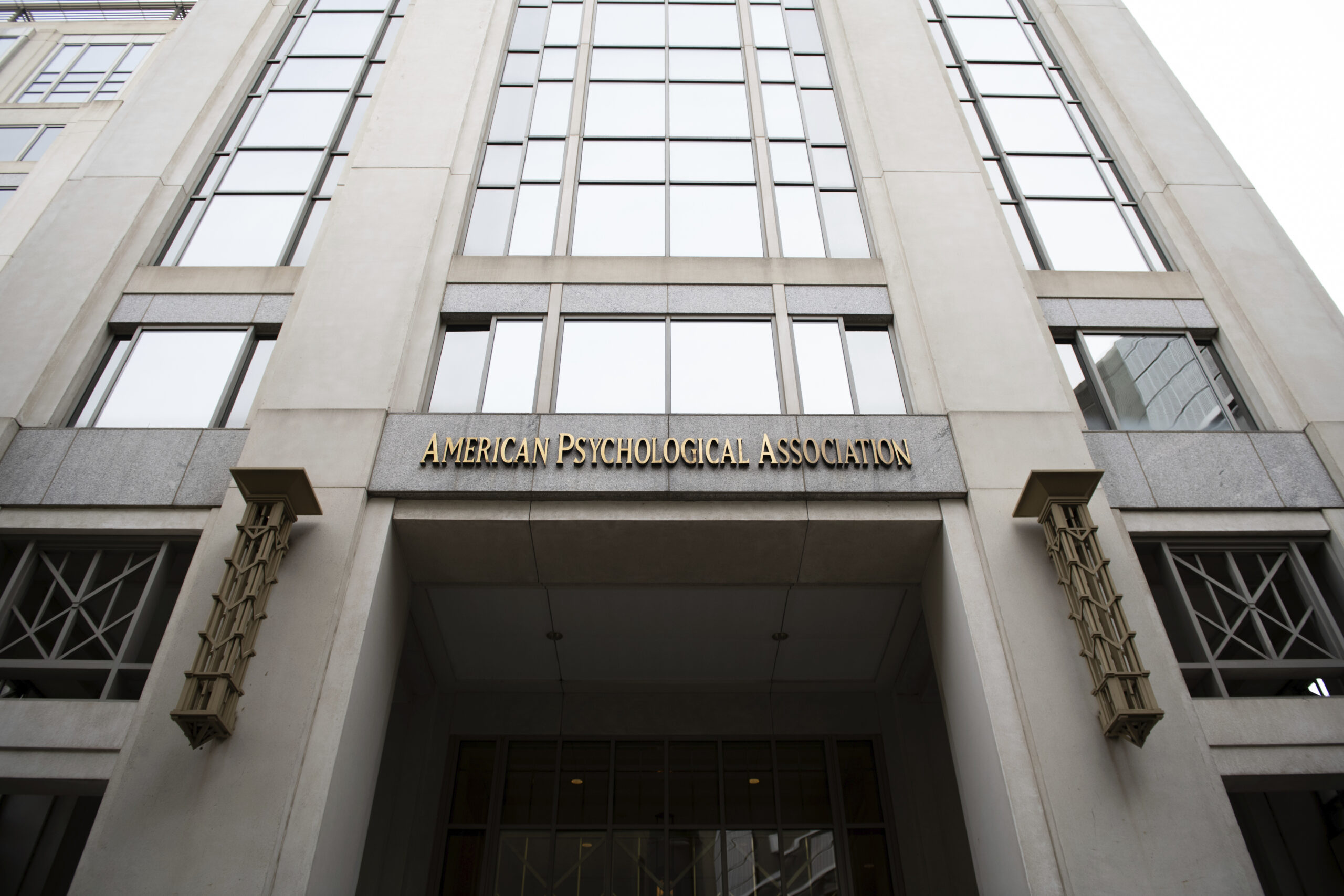
The American Psychological Association delayed its vote on Friday to recognize the Association of Jewish Psychologists within its organization, marking the second time this year the organization has postponed the decision to recognize Jewish representation in the organization, Jewish Insider’s Haley Cohen reports.
State of play: The APA has six official ethnic associations, representing Arab Americans, Black psychologists and Asian Americans, among other minority groups. Proponents of the proposed Jewish group within the APA argue that Jewish psychologists deserve to be included as well, especially given the rise of antisemitism within the organization. On Friday, the Anti-Defamation League and the American Jewish Medical Association condemned APA’s decision to postpone the vote again.
Worthy Reads
The Takeover of the Democratic Party: In The Free Press, Rep. Josh Gottheimer (D-NJ) warns of the Democratic Socialists of America’s “hijacking” of the Democratic Party, and the refusal by many colleagues to stand up against the group’s growing influence. “What’s most worrisome is not just the ignorance underlying so much of the heated, abusive, and violent anti-Jewish sentiment. It’s also the cowardly amplification and kowtowing by the political class. As a Democratic member of Congress, I can attest that for a growing number of my colleagues, being anti-Israel has now become a nonnegotiable moral litmus test.” [FreePress]
Pat’s Politics: Politico’s Jason Beeferman spotlights Rep. Pat Ryan (D-NY), a West Point graduate and former Army intelligence officer who has shifted leftward as the party has moved in the same direction. “Former New York City Comptroller Brad Lander, a Mamdani ally who trounced Goldman by harnessing voters’ anger with Israel’s war in Gaza, was invited to be one of Ryan’s five featured speakers at his campaign kickoff rally last month. ‘I’ve known Pat for 10 years, and I hate to say this,’ said one Democratic official, granted anonymity to speak candidly about their colleague. ‘But I couldn’t tell you a single thing that he genuinely, sincerely cares about or believes in, other than advancing his own political career.’” [Politico]
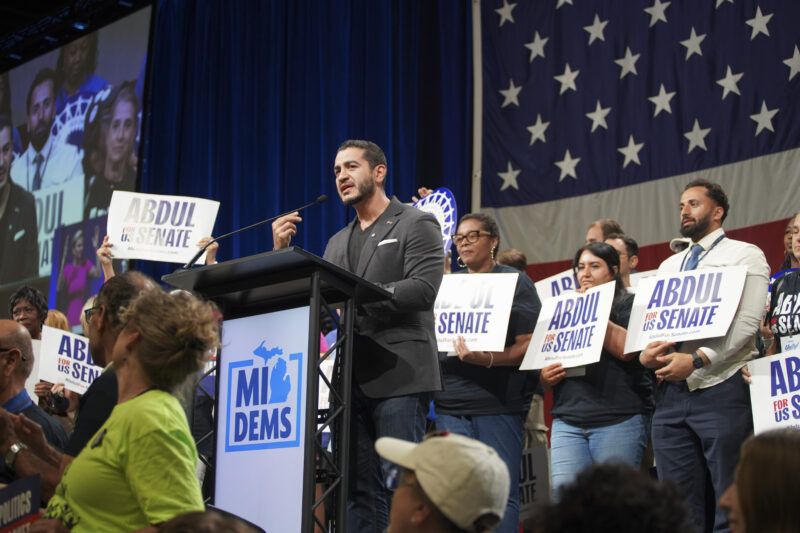
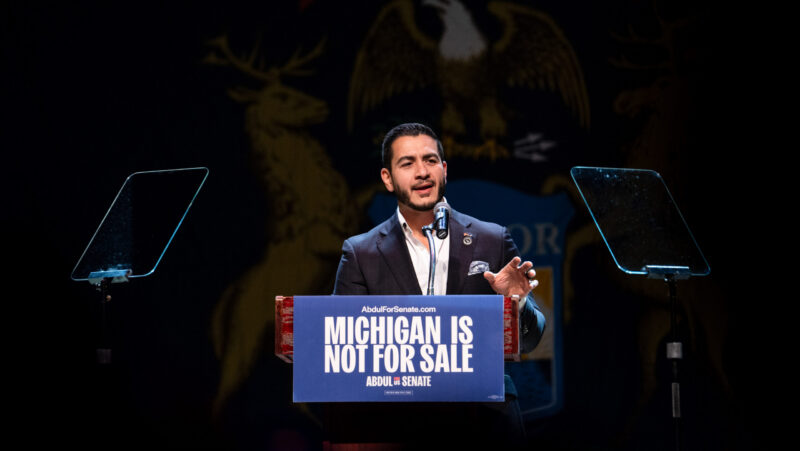
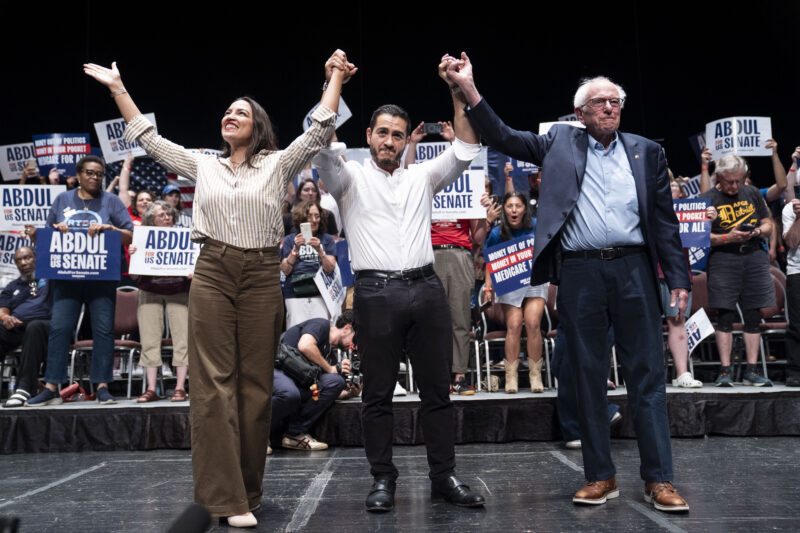
Failing Grade: The Washington Post’s Megan McArdle reflects on the American Association of University Professors’s decision last month to endorse Michigan Senate candidate Abdul El-Sayed in the state’s Democratic Senate primary. “Frankly, I’m not sure the AAUP’s endorsement even mattered. But to the extent it did, the net effect was probably a small boost for Republican Senate nominee Mike Rogers. The endorsement of El-Sayed will also send a message about the AAUP to legislators in other redder states, where races are often decided in the Republican primary and El-Sayed’s flavor of politics is poison.” [WashPost]
Find more Worthy Reads in our Live Briefing via our new app (on Apple and Android) and website.
Word on the Street
Sens. James Lankford (R-OK) and Jeanne Shaheen (D-NH) introduced the “Lebanon Sanctions, Stabilization and Support Act,” which sanctions those involved in supporting Hezbollah, provides funding for state-run infrastructure and civil services and expands aid to the Lebanese Armed Forces and Internal Security Forces, conditioned on progress in countering Hezbollah…
The Senate on Friday passed a bill championed by the late Sen. Lindsey Graham (R-SC) to sanction Russia and extend existing sanctions on Iran by an 86-11 vote, with a handful of mostly Democratic lawmakers objecting over new tariff powers granted in the bill…
Rep. Ed Case (D-HI), one of the most moderate Democrats in Congress, easily fended off a primary challenge from state Sen. Jarrett Keohokalole, who had argued during the campaign that the state’s 1st District was in need of generational change…
Sen. Chris Murphy (D-CT) told NBC’s “Meet the Press” that Israel was “not aligned with U.S. national security objectives,” noting, “I want there to be a strong U.S.-Israel relationship. I support Israel. I cannot support this government’s actions”…
James Talarico, the Democratic Senate nominee in Texas, said he would not vote to send further military aid to an Israeli government led by Prime Minister Benjamin Netanyahu, and that aid beyond that should be conditioned on Israeli policies in Gaza and the West Bank, Jewish Insider’s Marc Rod reports…
Haverford College settled a lawsuit filed by a handful of students and the group Jews for Haverford over administrators’ handling of antisemitism on the Pennsylvania liberal arts campus…
The Information profiles Anthropic CEO Dario Amodei, diving into his unorthodox leadership style and his tendency to rely on a small inner circle while ignoring outside advice — as the company approaches its IPO. Also detailed: Amodei’s South Florida meeting with Jared Kushner and Ivanka Trump, who had become friends with Amodei’s wife, Camilla Clark, about potential Anthropic funding (Kushner passed).…
Chabad of the Upper East Side and Park East Synagogue announced a new partnership that will see Chabad clergy, including longtime Rabbi Ben-Tzion Krasnianski, join the leadership of Park East alongside Rabbi Arthur Schneier…
The New Yorker reviews Wendy Wasserstein’s “An American Daughter,” a revival of which is now in previews at the Pershing Square Signature Center…
The Associated Press spotlights the Jews of Cochin, India, as the last remaining members of the community — the majority of which moved to Israel in the 20th century — work to preserve remnants of the past…
The Israeli government signed off on the redirection of approximately $333 million to the Ministry of Defense — including some $283 million from the Ministry of Economy — for urgent needs; the funds had originally been earmarked for Intel’s since-frozen expansion in Kiryat Gat…
The New York Times does a deep dive into Israeli and U.S. efforts to target Hezbollah’s funding sources and financial lifelines…
The Houthis claimed responsibility for an attack on Saudi Arabia’s Aramco refinery amid increasing tensions between the Iran-backed group in Yemen and Riyadh; the Saudi Energy Ministry confirmed a fire at the site but did not say what caused it…
Apollo Global Management in recent months appointed partner Reed Rayman to lead its AI sector and develop relationships to help the firm land more large AI infrastructure financings, The Information reports…
The founders of Israeli AI startup Decart are in advanced talks to sell the company to a major international technology company for approximately $6 billion-$7 billion, Calcalist reports…
Noach Hacker is joining the Israel Democracy Institute as vice president of policy…
Bill Goichberg, the founder of the Continental Chess Association who grew the field of competitive chess, died at 83…
Pic of the Day

In the season finale of Larry David’s “Life, Larry and the Pursuit of Unhappiness,” former President Barack Obama joins David for a sketch about the infamous tan suit that stirred controversy during a 2014 press conference. Watch the seven-minute clip of David and Obama here.
Birthdays
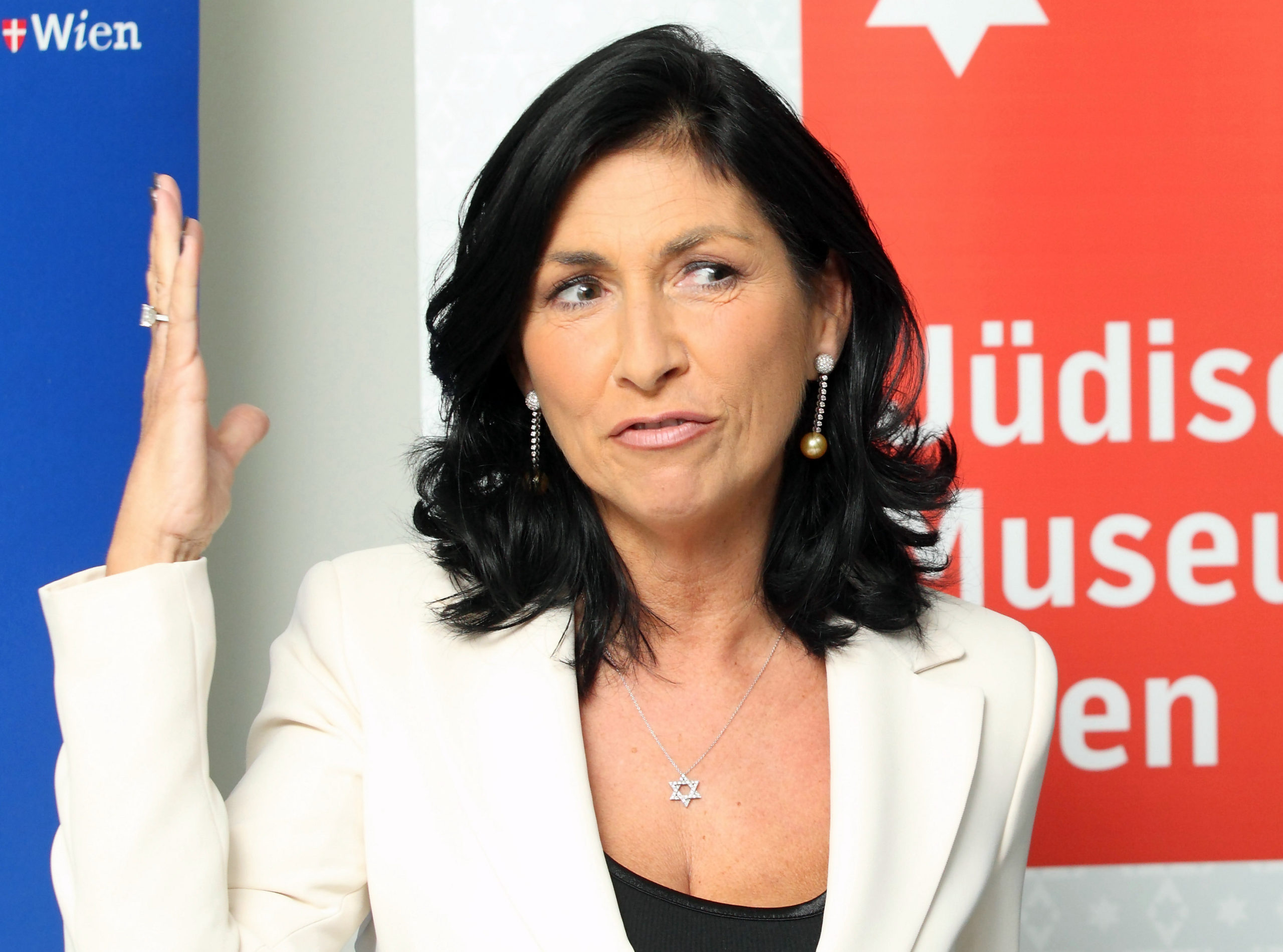
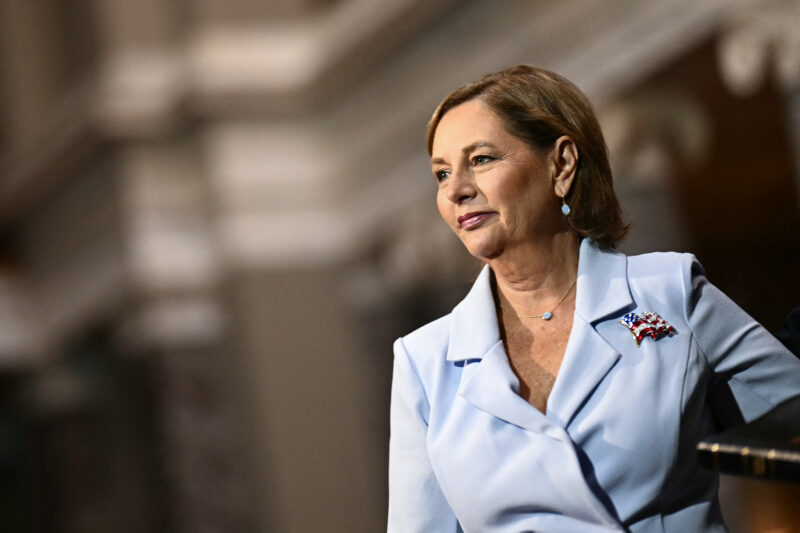
Former director of the Jewish Museum of Vienna, she was a founder of the German-language magazine Nu devoted to Jewish politics and culture, Danielle Spera (middle) turns 69…
CEO at Royal Health Services in Beverly Hills, Calif., Robert N. Feldman… Professor emeritus of biochemistry at the Hebrew University of Jerusalem, Shimon Schuldiner turns 80… NYC-based real estate developer, he is the founder and principal of Clipper Equity, David Bistricer turns 77… Former governor of the South African Reserve Bank, the first woman to hold that position, Gill Marcus turns 77… Conservative rabbi who served as executive director of the Interfaith Alliance, Rabbi Jack Moline turns 74… Retired co-leader of the securities litigation practice at Weil, Gotshal & Manges, he is the co-president of NYC’s Metropolitan Council on Jewish Poverty, Joseph S. Allerhand… Certified registered nurse anesthetist for the U.S. Department of Veterans Affairs, Edward Salkind… Author, media consultant and former film critic for The New York Post and The New York Daily News, Jami Bernard turns 70… Former member of the California state Senate, Steven Mitchell Glazer turns 69… Sephardi chief rabbi of Israel and Rishon LeZion since 2024, Rabbi David Yosef turns 69… Former member of the U.S. House of Representatives (D-MI), now a distinguished senior fellow at the Center for American Progress, Andy Levin turns 66… Professor of physics and astronomy at Tel Aviv University, Yaron Oz turns 62… Tech entrepreneur, he served as a Washington state senator until 2023, Reuven Michael Carlyle turns 61… Former member of the Florida state Senate, he authored a book about his time as one of the first employees of Yahoo, Jeremy Ring turns 56… Deputy attorney general of Israel, Sharon Afek turns 56… Regional chief technology officer in the South Texas office of Technologent, Jason P. Reyes… Senior director of development for the NYC-based Tikvah Fund, Eytan Sosnovich… Marketing and editorial consultant, Sophie Vershbow… SVP of commodities compliance at Citibank, Jacob Cohen…
Recent Daily Kickoff Newsletters




Please log in if you already have a subscription, or subscribe to access the latest updates.
 Continue with Google
 Continue with Apple