

























Trump’s not-so-straight strait talk
Plus, Jewish authors write their own ending


 Add JewishInsider on Google
Good Friday morning.
In today’s Daily Kickoff, we look at concerns that President Donald Trump is ceding oversight to Iran as issues related to the Strait of Hormuz remain unresolved, and report on the opening of several literary houses that will focus on publishing Jewish authors. We interview Ludo Hood, who retired from the State Department last week after more than two decades of service, and report on the United Democracy Project’s involvement in the special election runoff in California’s 14th Congressional District to succeed Rep. Eric Swalwell. Also in today’s Daily Kickoff: Gov. Mikie Sherrill, Yoav Segalovitz and Lele Yutzy.
We also have a new on-demand Live Briefing that you can access throughout the day via our new app (on Apple and Android) and on our website.
Today’s Daily Kickoff was curated by JI Executive Editor Melissa Weiss and Israel Editor Tamara Zieve, with assists from Danielle Cohen-Kanik and Marc Rod. Have a tip? Email us here.
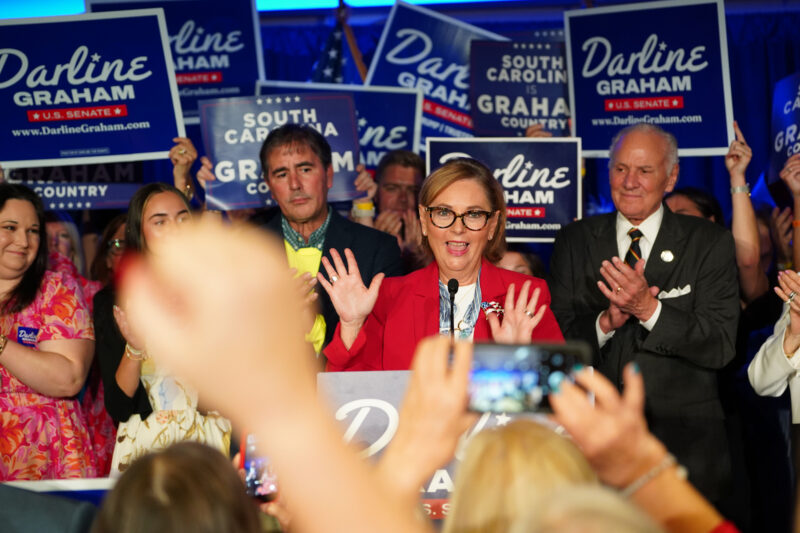
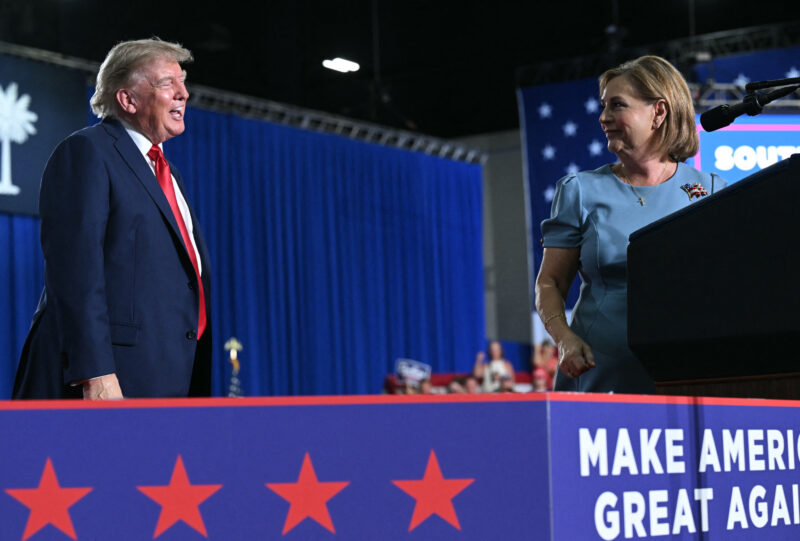
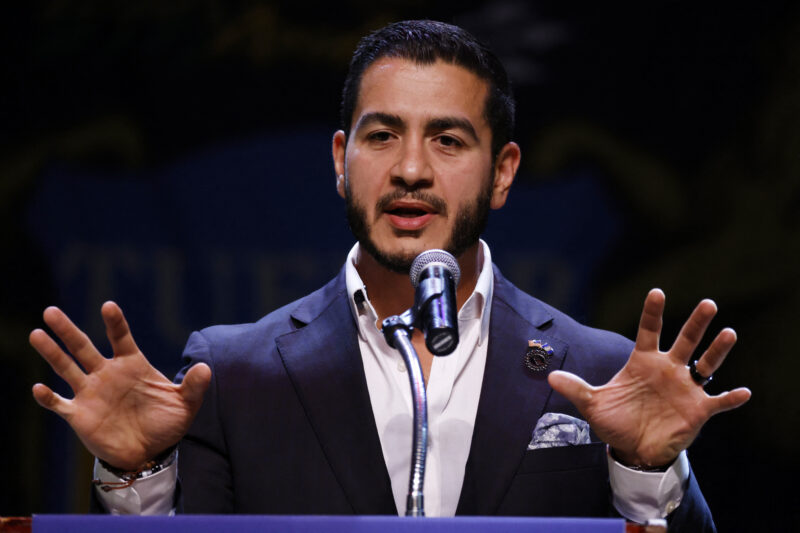
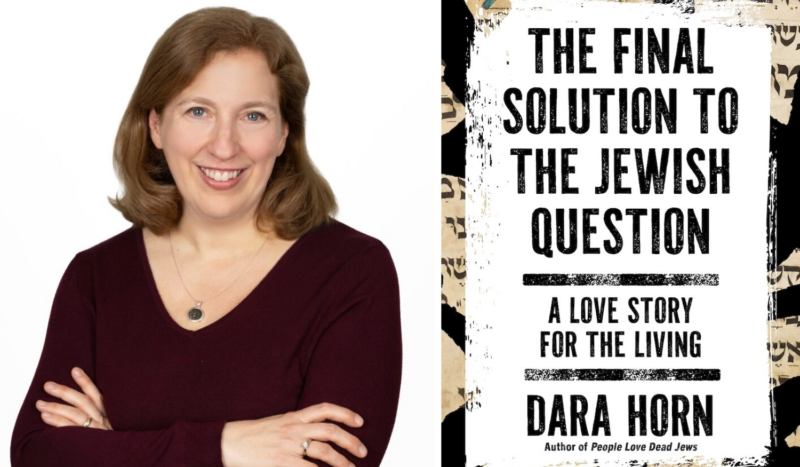
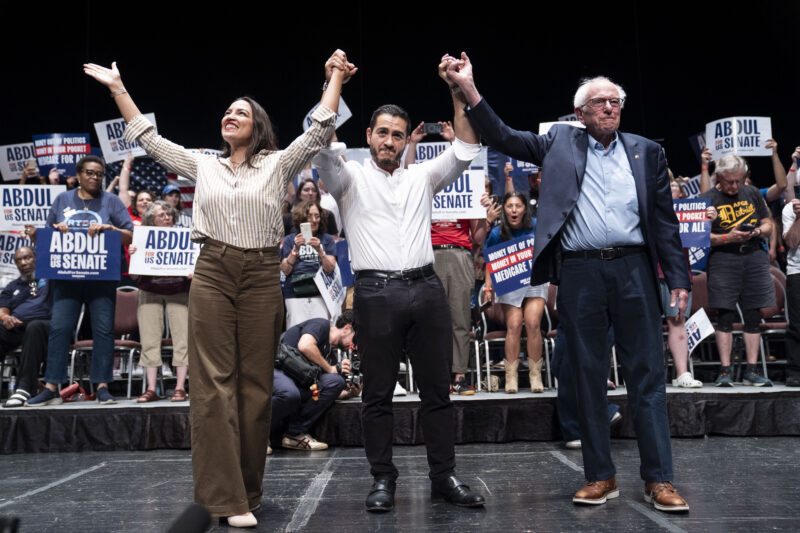
For less-distracted reading over the weekend, browse this week’s edition of The Weekly Print, a curated print-friendly PDF featuring a selection of recent Jewish Insider and eJewishPhilanthropy stories, including: Jewish Democrats in Michigan weigh crossing party lines after El-Sayed’s Senate primary win; Dara Horn’s shocking new title hides a serious argument about fighting antisemitism; and Darline Graham, backed by Trump, still faces obstacles in bid to succeed brother in the Senate. Print the latest edition here.
What We’re Watching
- Turkish President Recep Tayyip Erdoğan is meeting today with Saudi Crown Prince Mohammed bin Salman and Pakistani Prime Minister Shehbaz Sharif in Riyadh, where the three are slated to sign a joint defense agreement.
- We’re keeping an eye out for a public statement from Rep. Andy Ogles (R-TN) after his primary defeat last night. The far-right lawmaker, who had the backing of President Donald Trump, was ousted by Charlie Hatcher, the state’s former agriculture commissioner. In his remarks at his victory party last night, Hatcher said Ogles had called to concede.
What You Should Know
A QUICK WORD WITH JI’S MELISSA WEISS
A meme circulated on social media earlier this week depicting a cartoon version of President Donald Trump addressing different stages of negotiations with Iran. In it, the president cycles between “We’re going to bomb their power plants,” “They called us begging for a deal,” “They’re giving us everything we want” and “They’re scum, you can’t negotiate with these people.”
It’s perhaps the most accurate commentary on the situation that has unfolded since early July, as the U.S. and Iran have continued to exchange fire, with Iran striking Arab states around the region. Every few days, the stage resets. The endless loop of diplomacy and military strikes has thrown the countries into a situation that is equal parts “Groundhog Day” and “The Apprentice” — military strikes on loop, with a major breakthrough soon to come.
Indeed, Trump suggested on Tuesday that “a lot of progress had been made” in negotiations that would see the Strait of Hormuz reopened and signaled a deal on the strategic waterway could be announced as soon as this week.
His rhetoric echoes comments he has made in recent weeks teasing a diplomatic breakthrough that is right around the corner, while the consistent reality is that diplomacy has been cyclical, devoid of significant progress and increasingly beneficial to Tehran, which has learned that it only needs to wait out the situation — at least until the midterms, if not until 2029.
It also raises questions about the limits of American deterrence — especially when taken alongside recent reports of dwindling American weapons stockpiles.
Trump understands optics (and markets) perhaps better than any other world leader, hence his constant claims that a major diplomatic breakthrough could be days away — whereas Iran, unburdened by looming midterms and the realities that come with living in a democracy, can afford to wait it out as Washington runs through the endless narrative loop.
Almost as cyclical as Trump’s pronouncements are Iran’s near-immediate denials of the president’s claims: the regular insistence that a deal is far off and unlikely to happen without significant American and Israeli concessions.
STRAIT TALK
Trump’s push for a Hormuz deal alarms experts over terms ceding oversight to Iran

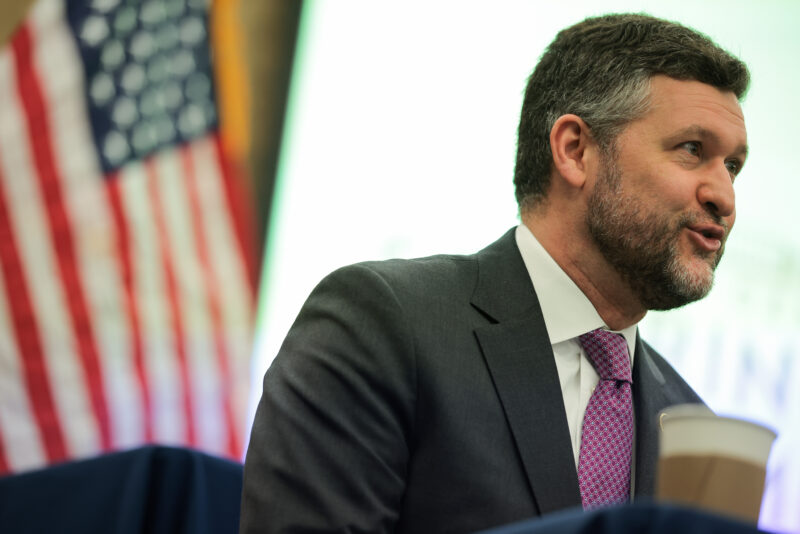
Experts are expressing growing concern over reports that an emerging deal between Iran and Oman to reopen the Strait of Hormuz could grant Tehran unprecedented oversight over the international shipping route, ceding control to Iran that it did not possess prior to the conflict, Jewish Insider’s Matthew Shea reports. Under the proposed terms, inbound commercial vessels would be directed through a northern route in Iranian waters, while outbound ships would traverse a southern route in Omani waters, managed in coordination with Iran.
Waterway worries: Although a U.S. official told the Associated Press that such a deal would preclude Iran from issuing formal approvals for transiting ships, tolls or service fees, regional analysts warn that formalizing Iranian oversight over the chokepoint represents a significant strategic concession. Matthew Levitt, a senior fellow at The Washington Institute for Near East Policy, told JI, “President Trump is very eager for a deal that reopens the strait, and seems inclined to accept a deal under which Iran has greater oversight of ships entering and exiting the strait. The key is denying Iran any way of monetizing the flow of traffic through this international waterway.”
REGIONAL RIFT
Key Gulf states skip Amman summit on Jerusalem as Arab bloc omits Jewish ties to the city
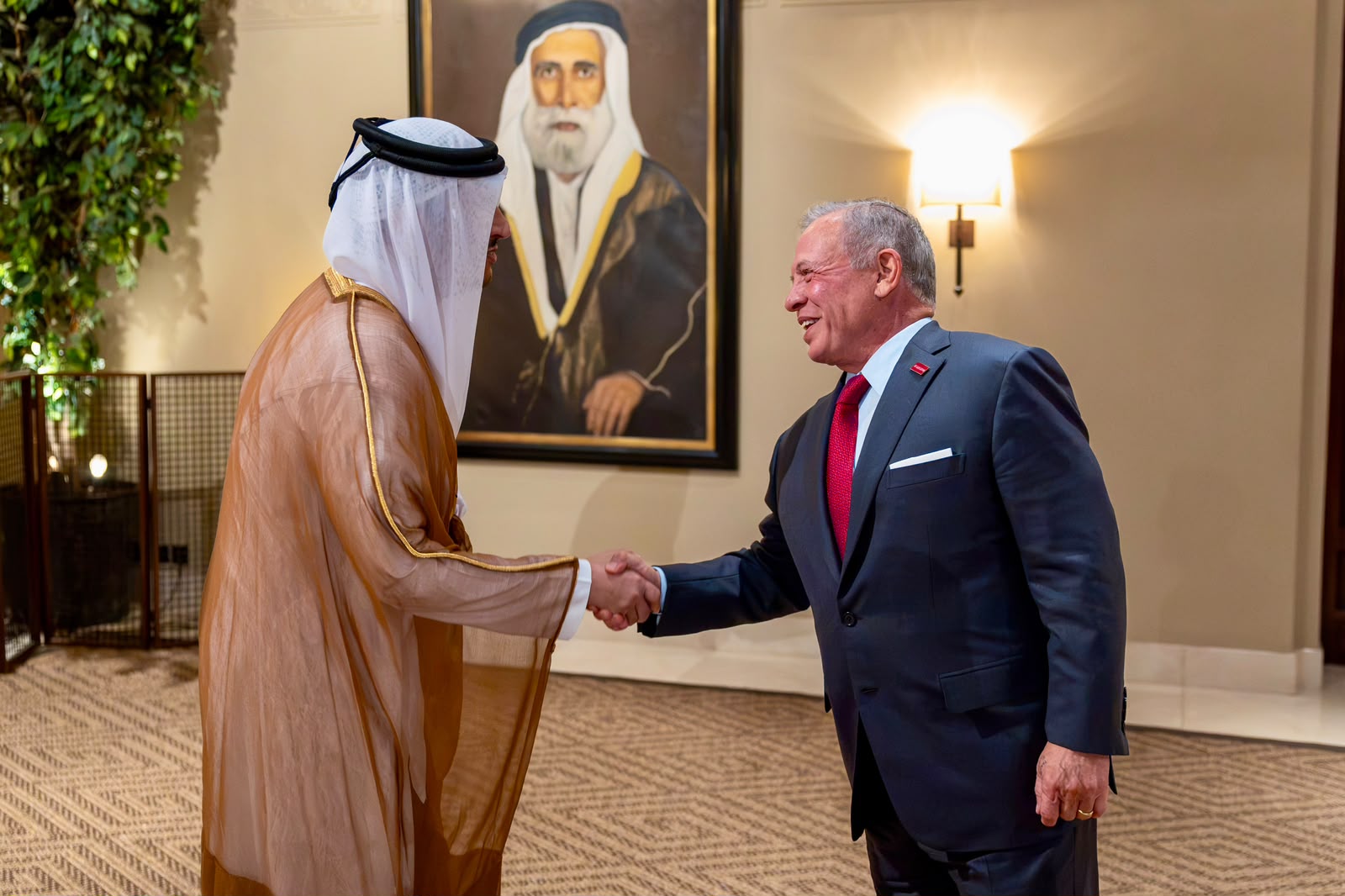
A coalition of foreign ministers from Arab and Muslim countries met in Jordan on Wednesday to launch a coordinated campaign against Israeli policies in Jerusalem — a gathering marked both by the notable absence of key regional players and rhetoric that dismissed Jewish ties to the city, Jewish Insider’s Matthew Shea reports.
The meeting brought together diplomats from Jordan, Egypt, Saudi Arabia, Qatar, Algeria, Iraq, Tunisia, Somalia and Morocco, alongside representatives from the Arab League, Indonesia, Details: Pakistan, Turkey and Malaysia. Missing from the Amman summit were several close U.S. allies including the United Arab Emirates, Bahrain and Kuwait. In a joint statement, the group denounced what it called an “unprecedented Israeli escalation in occupied Jerusalem and its Islamic and Christian holy sites,” accusing Israel of trying to alter “the Arab Islamic and Christian identity of occupied Jerusalem and its legal and demographic status” — omitting any mention of Jewish historical or religious ties to the city.
PEOPLE OF THE BOOK
New Jewish ventures aim to publish what mainstream houses won’t — Israeli stories, Jewish names and all

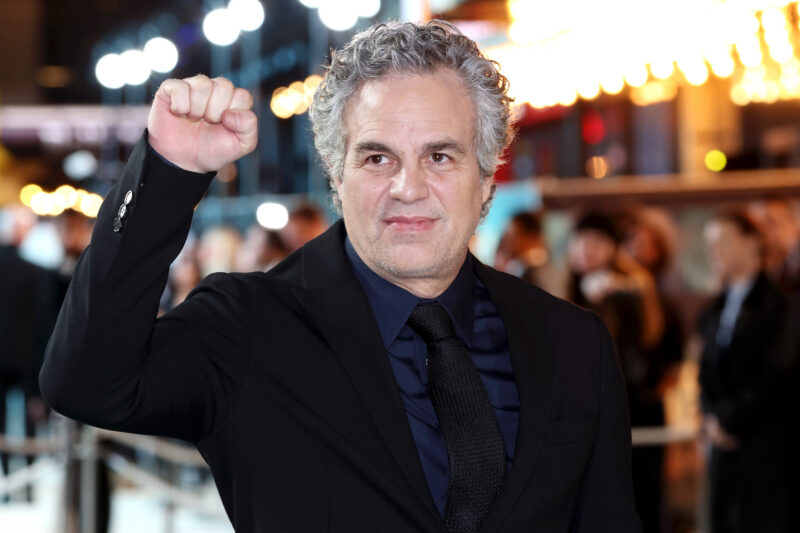
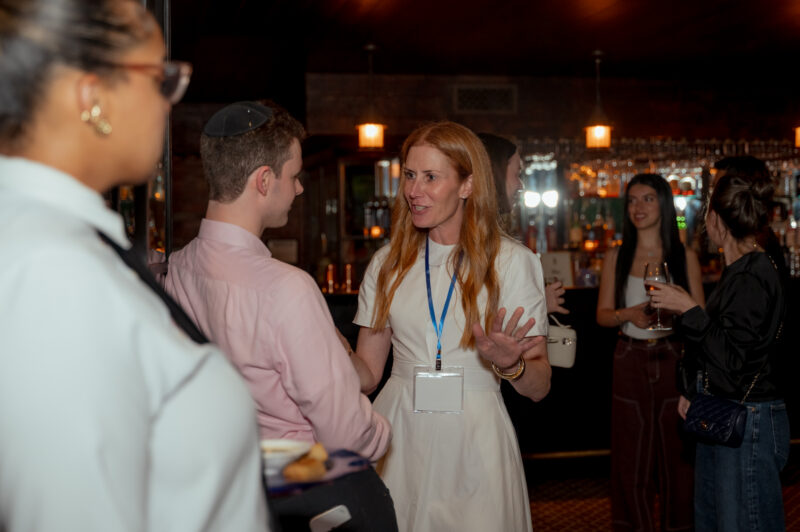
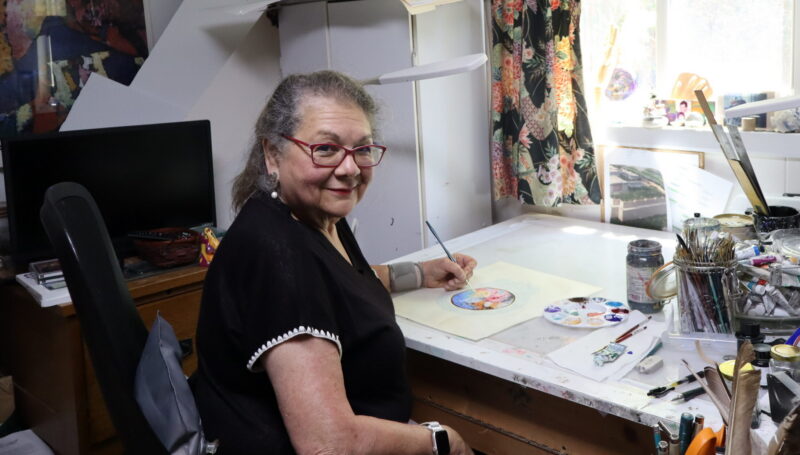
A number of literary professionals have announced in recent weeks the launch of their own Jewish publishing companies, aimed at fulfilling a need for frustrated authors who say they’ve hit the same wall: agents advising them to cut Jewish names and references to Israel, editors going silent on submissions that once would have been fast sales and a mounting sense that the industry’s embrace of the #ownvoices storytelling trend — a hashtag used to amplify the work of diverse and minority voices — has an unspoken exception for Jewish writers, Jewish Insider’s Haley Cohen reports.
Elevating voices: Meg Keene, an established nonfiction author who has sold more than 150,000 copies of her two books offering tips for wedding planning, recently announced the launch of Meg Keene Books, her own imprint at Wicked Son Press, a Jewish publisher known mostly for right-leaning nonfiction. “Earlier this year I got to the point where I realized I didn’t have anything left to lose,” Keene told JI. “Jews were having all these conversations behind the scenes but it felt like whoever came forward was going to destroy their career. I felt like I was in a position — because of my past in digital publishing and connection to editors, I knew how to do it. So many authors couldn’t sell their first book.”
PAC PLAY
UDP targets progressive state senator in race to replace Swalwell
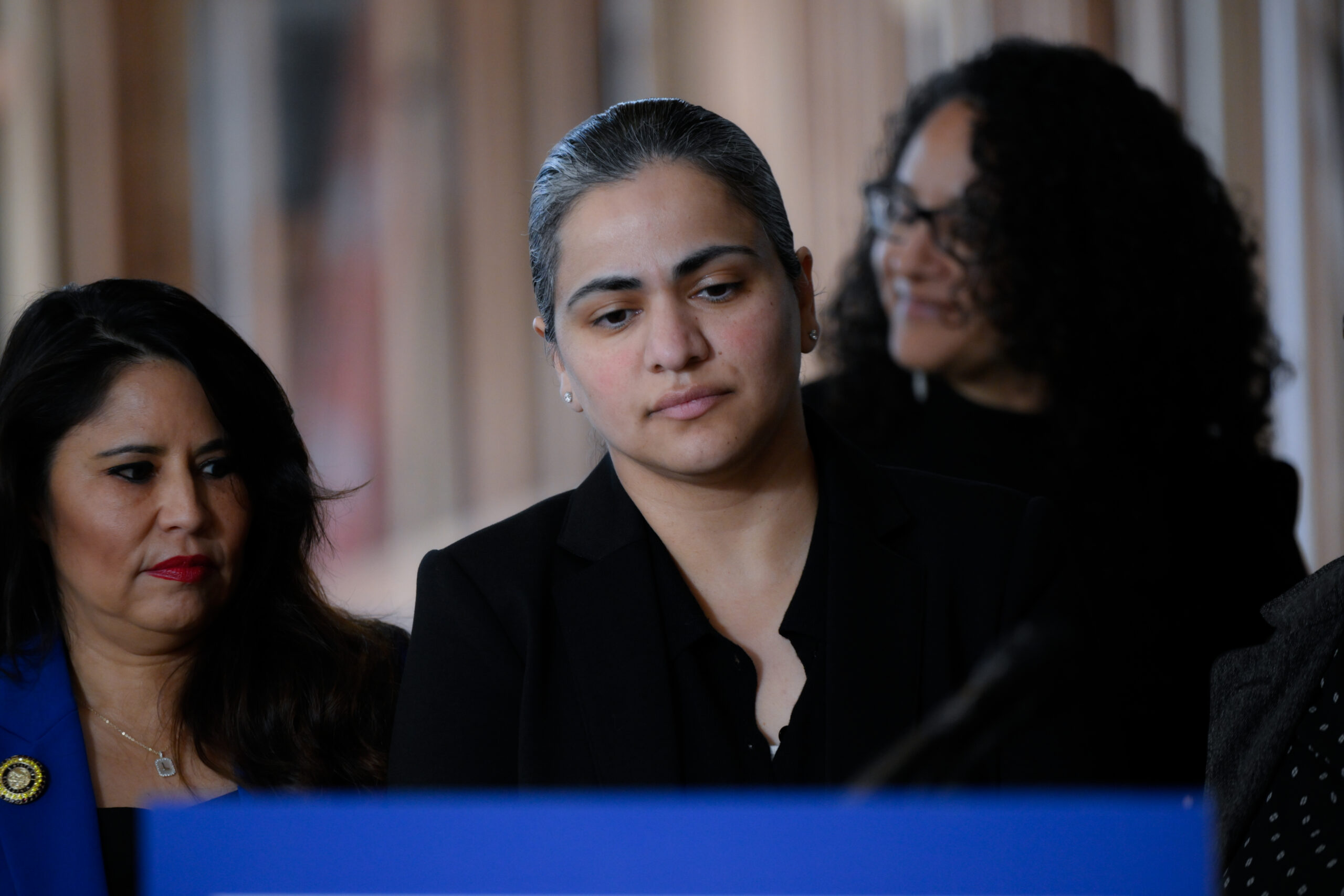
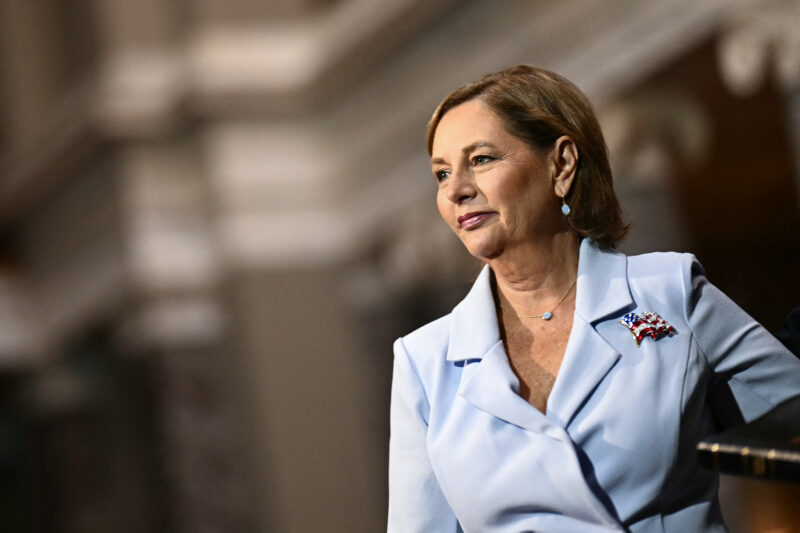
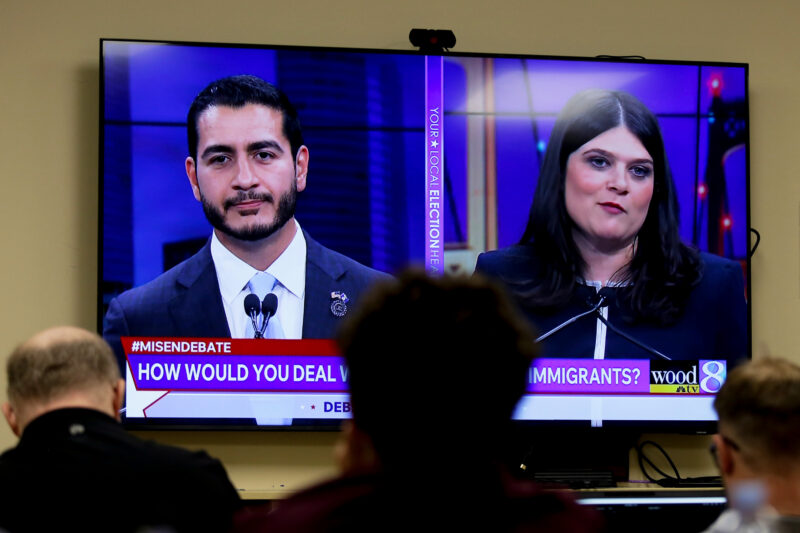
After a night of mixed results in Tuesday’s primary elections, AIPAC’s United Democracy Project super PAC is turning its eyes toward the special election runoff in California’s 14th Congressional District, where progressive state Sen. Aisha Wahab and a moderate local mayor, Melissa Hernandez, are competing to replace disgraced former Rep. Eric Swalwell (D-CA), Jewish Insider’s Marc Rod reports.
About the race: Wahab, seen as the heavy favorite, brings a record raises concerns for some members of the Jewish community — she has not been supportive of numerous priority bills and resolutions aimed at tackling antisemitism and has been a vocal critic of Israel, including describing the war in Gaza as a genocide and championing legislation in the state Senate on the issue. But one Jewish leader in the district expressed skepticism that UDP’s spending would defeat her, and warned that it risked pushing her further left.
BILL BUFFERING
Slotkin joins Cruz, Knott, Suozzi in leading federal buffer zone bill
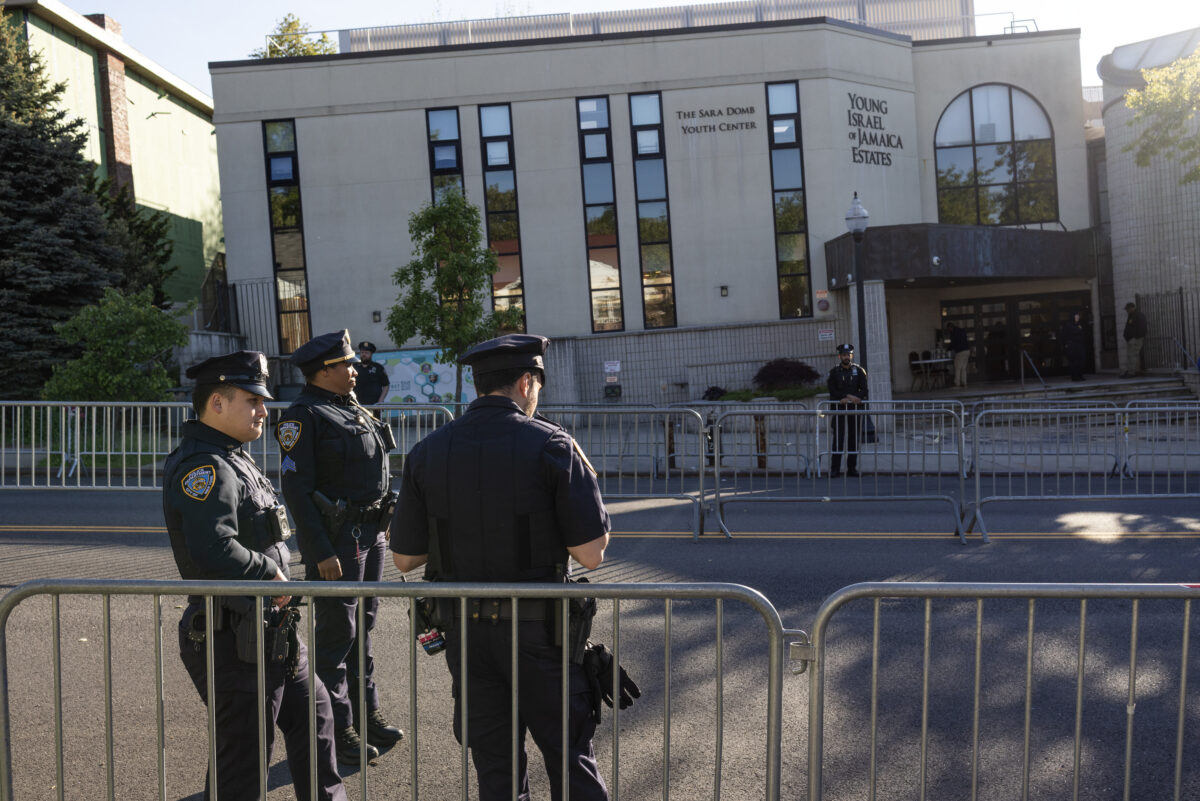
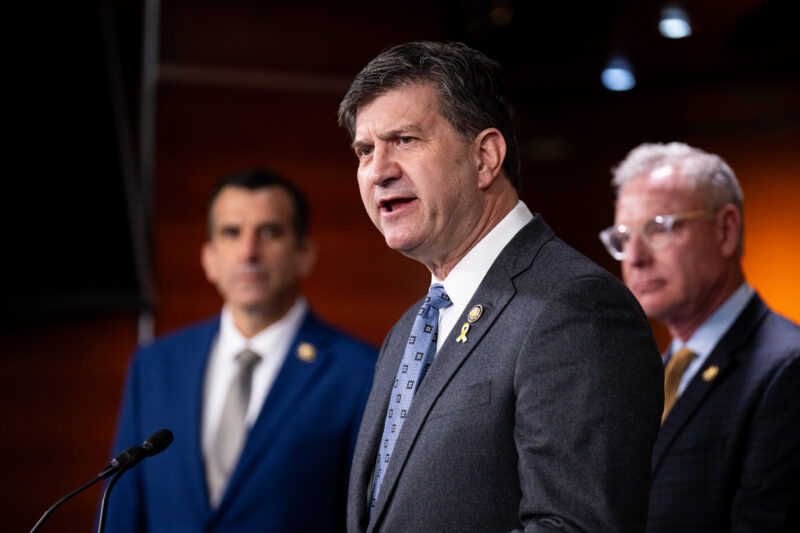
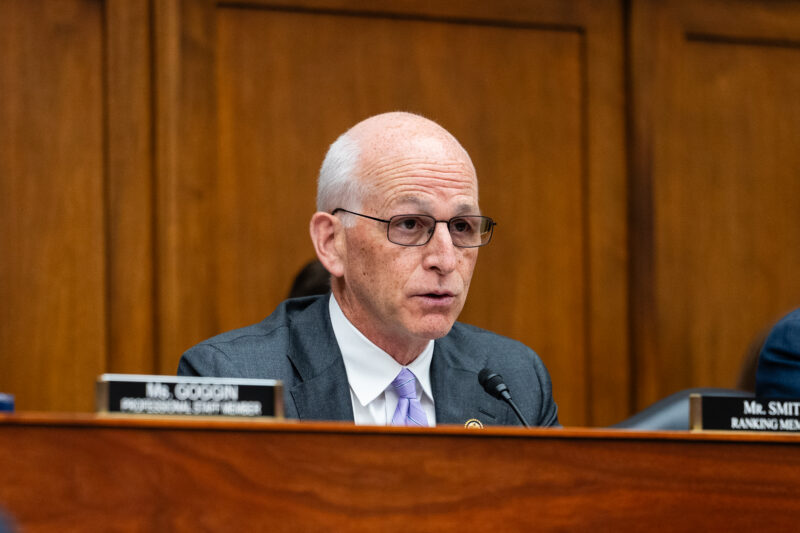
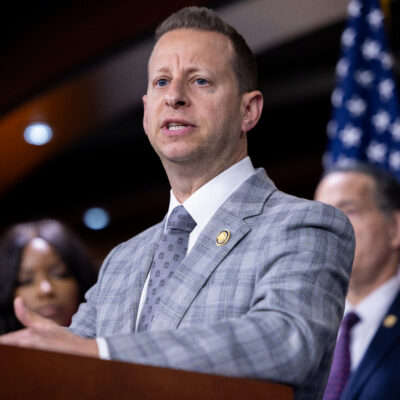
Sen. Elissa Slotkin (D-MI) joined Sen. Ted Cruz (R-TX) and Reps. Brad Knott (R-NC) and Tom Suozzi (D-NY) on Thursday in introducing the Right to Worship Act, a federal bill that would ban activity that knowingly disrupts or impedes access to scheduled religious services within 100 feet of the entrance to a house of worship during that time, Jewish Insider’s Marc Rod reports.
Details: The bill would ban activity that “meaningfully interferes with the ability of people to participate in the scheduled religious service, to the extent that the conduct causes a substantial interruption to the service’s normal operation” or “unreasonably hinders or deters a person from entering a house of worship, or threatens or intimidates a person, in a manner that prevents participation at a scheduled religious service.” The bill would carry escalating civil fines for repeated offenses, as well as allow impacted individuals, the U.S. attorney general or a state attorney general to commence a civil suit under the law.
LIFTING THE HOOD
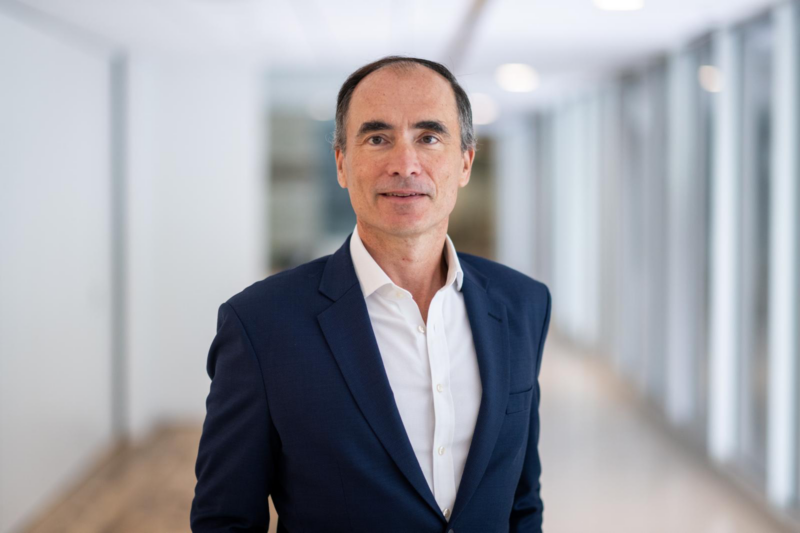
After two decades in diplomacy, Ludo Hood weighs in on antisemitism, Ukraine and Washington’s foreign policy battles
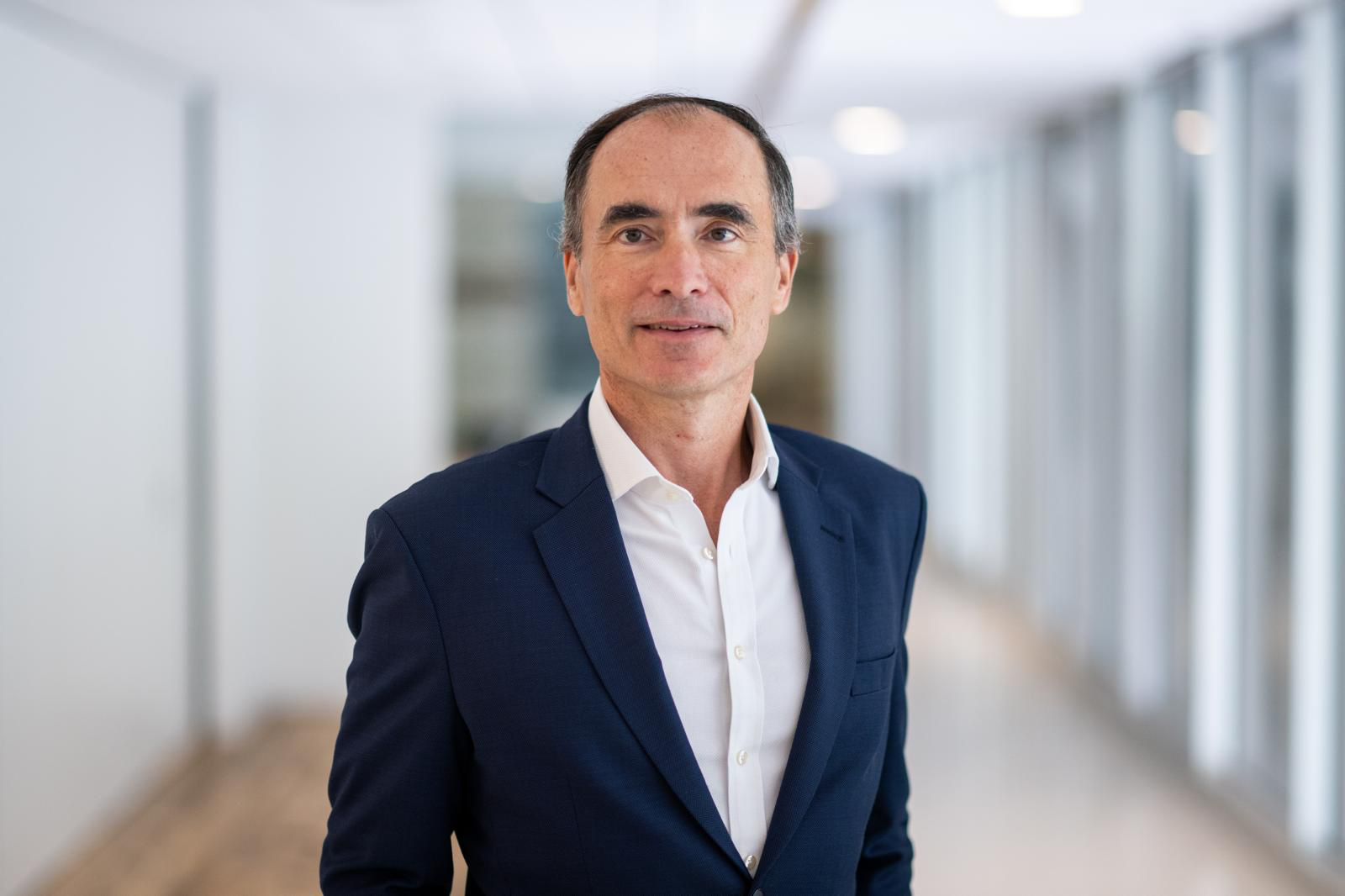
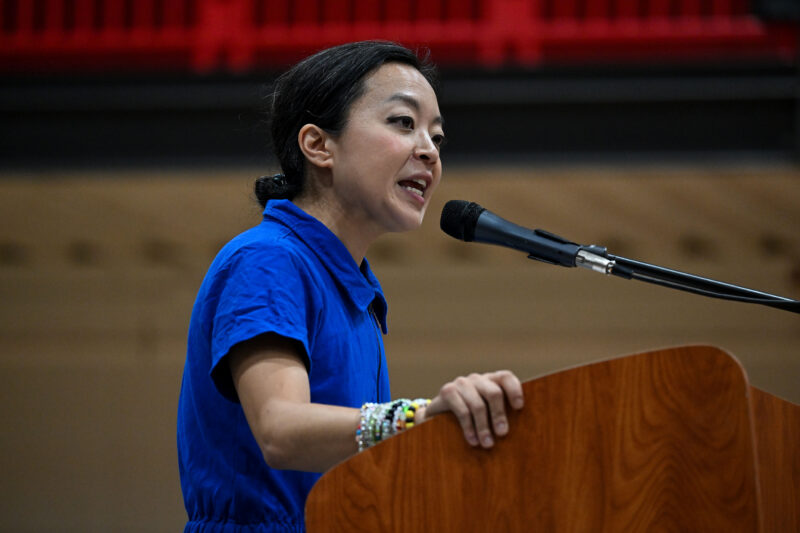
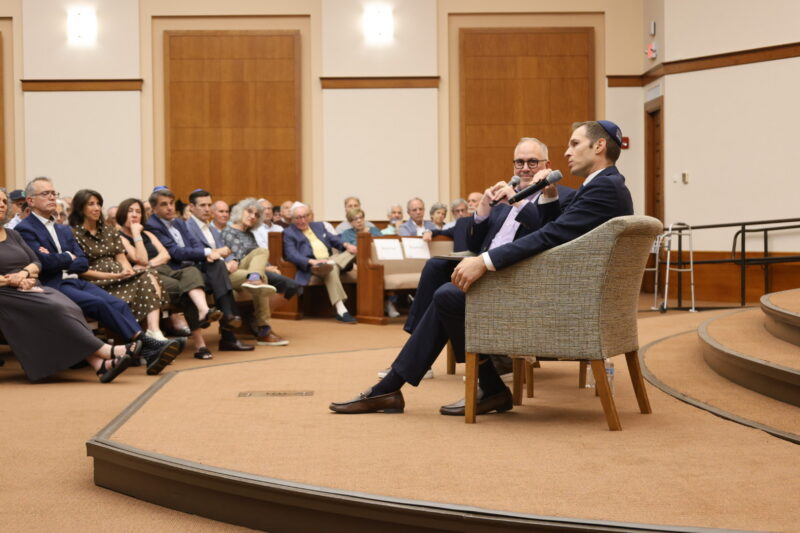
After a career in the foreign service, where officers are obliged to keep their political views to themselves and promote the positions of the current U.S. administration, some retiring diplomats have a hard time getting used to speaking their minds. Ludo Hood is not one of those people. The 53-year-old retired from the U.S. Foreign Service last week after two decades of service. Hood sat down with Jewish Insider’s Gabby Deutch this week to reflect on a career representing the U.S. that included stints working on Iran policy during negotiations for the 2015 nuclear deal, relations with Gulf states during the fraught Arab Spring and antisemitism policy in the tense aftermath of the Oct. 7 Hamas attacks in 2023.
Exception to the rule: Through all those foreign postings and geopolitical flashpoints, one of the most “alarming and shocking” moments of Hood’s time as a foreign service officer came within the halls of Foggy Bottom — when, in the months after Oct. 7, the State Department hosted listening sessions for staffers to express anti-Israel views and bash the policies espoused by the federal government. “It was the only time in my career where active dissent against the elected president’s overall policy and strategic direction was allowed to be aired in the open, and was actually in many ways encouraged,” Hood told JI.
Worthy Reads
Sanders’ Sensibilities: In The New York Times, Matthew Yglesias raises concerns about the “political judgments” of Sen. Bernie Sanders (I-VT) as the Vermont senator has sought to boost the insurgent left — causing damage to the Democratic Party along the way. “The very top electoral performers among Democrats — lawmakers who have a record of results in districts most liberals would lose, like Vicente Gonzalez of Texas, Marie Gluesenkamp Perez of Washington State, Tom Suozzi of New York and Don Davis of North Carolina — are independent thinkers who are critical of Democratic Party leaders and the establishment. The difference is that rather than positioning themselves even further left than a party that most Americans think is too left-wing, they pick issues and rhetoric that are heterodox and often more restrained.” [NYTimes]
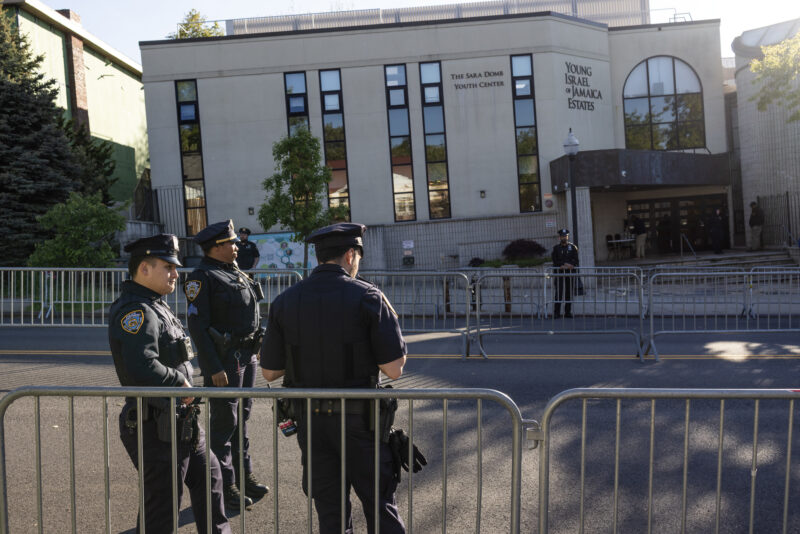
Back to School: In Fox News Opinion, Teach Coalition CEO Sydney Altfield calls for a “whole-of-society response” to mounting antisemitism as students head back to school, following an NYPD report indicating a significant increase in antisemitic hate crimes since the start of the year. “Administrators should say plainly that antisemitism is unacceptable, whether it appears as a threat, a slur, a swastika, harassment over Jewish identity or intimidation tied to Israel or Zionism. Further, education must be more than a one-off assembly after an incident. Students should learn what antisemitism is, how it mutates across political movements, conspiracy theories and social media trends and why targeting Jews corrodes civic life for everyone.” [FoxNews]
Find more Worthy Reads in our Live Briefing via our new app (on Apple and Android) and website.
Word on the Street
Vice President JD Vance was pressed by Senate Republicans at a lunch on Thursday to provide more transparency into the Trump administration’s decision-making on Iran…
Sen. Mitch McConnell (R-KY) said he was discharged from a rehabilitation center nearly two months after he was first hospitalized following a fall…
Sen. Chris Van Hollen (D-MD) demanded that U.S. Ambassador to Israel Mike Huckabee step down over his handling of incidents in which U.S. citizens have allegedly been injured by the IDF and other Israelis…
Sen. Jon Husted (R-OH) joined Sen. Bernie Moreno (R-OH) in calling on Rep. Max Miller (R-OH), Moreno’s former son-in-law, to drop out of his reelection race and resign from Congress amid growing scrutiny of domestic violence allegations against Miller, Jewish Insider’s Marc Rod reports…
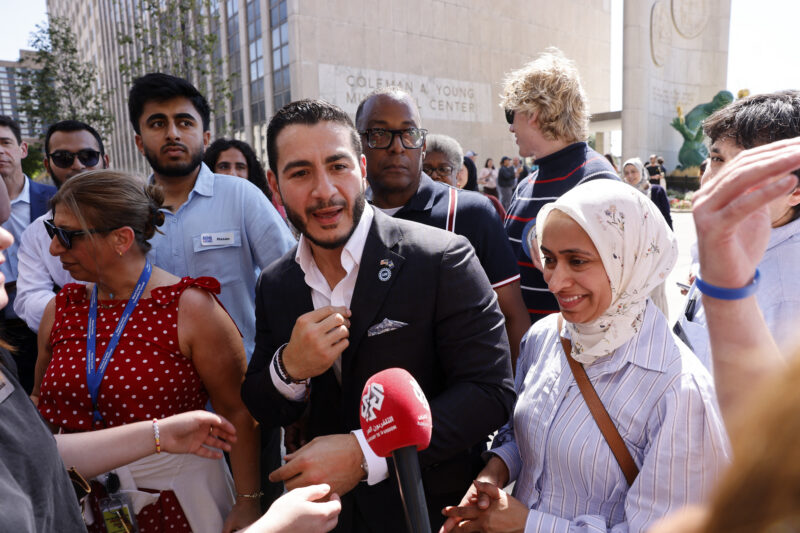
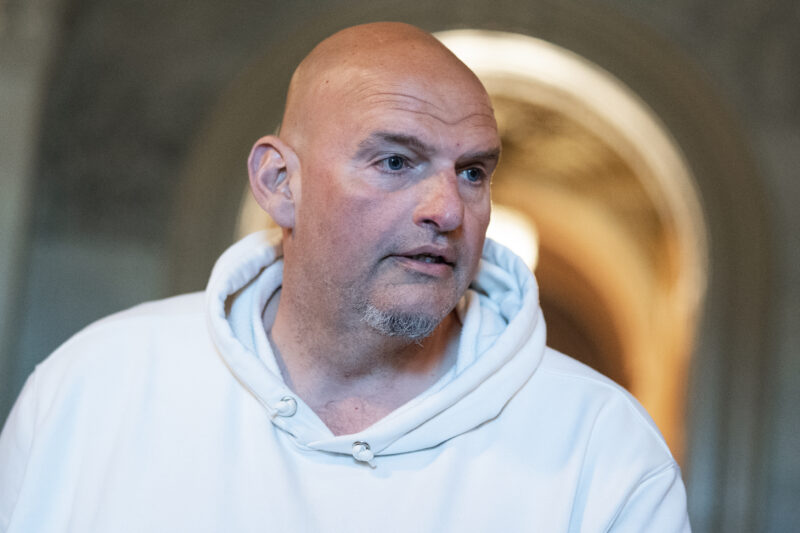
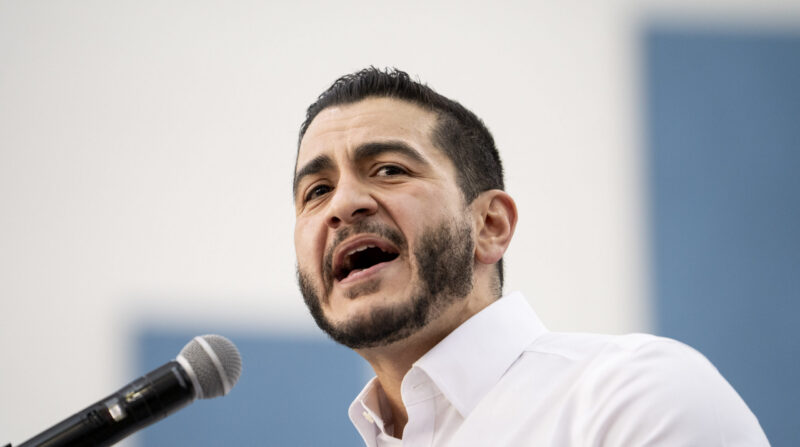
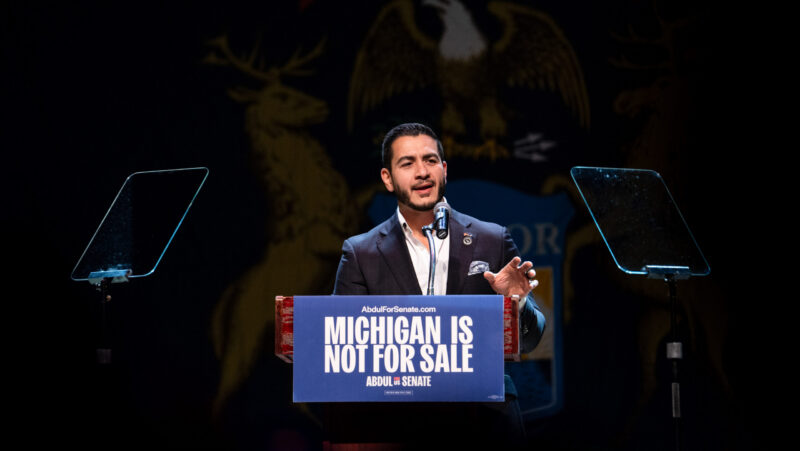
Sen. John Fetterman (D-PA) said on Wednesday that he believes Abdul El-Sayed’s victory in the Democratic primary for U.S. Senate in Michigan has put the state in play for Republicans in November. “He will quickly discover a primary is a much different situation in this state [than the general election], when you’re accountable for winning the other side. I can’t wait to see him campaign for the general. I have got my popcorn for that,” Fetterman told JI’s Emily Jacobs…
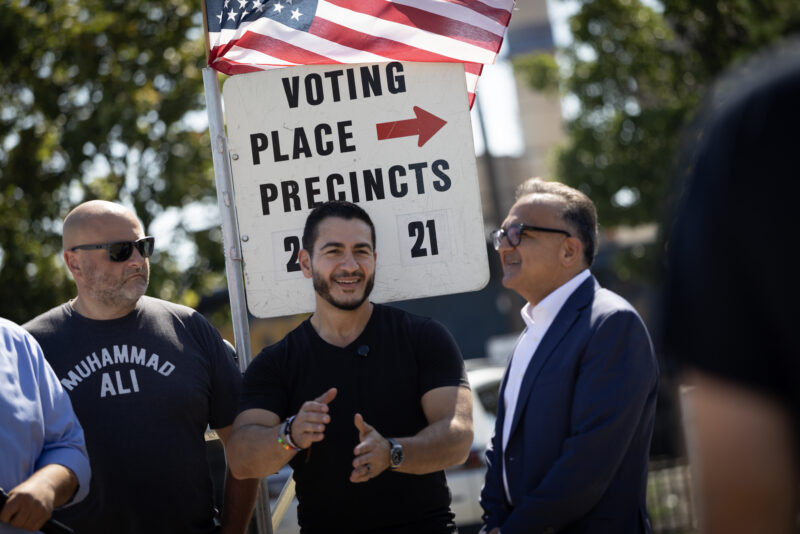
El-Sayed gave an extensive interview to The New York Times, in which he declined to say whether he’d continue to campaign with antisemitic streamer Hasan Piker, with whom he had appeared during the primary…
Politico looks at Republican efforts to win over disaffected Jewish and Black voters in Michigan following El-Sayed‘s primary win as the Michigan Democrat seeks to shore up support from the party’s base; El-Sayed has already reached out to Maryland Gov. Wes Moore as he looks to make inroads with Black voters…
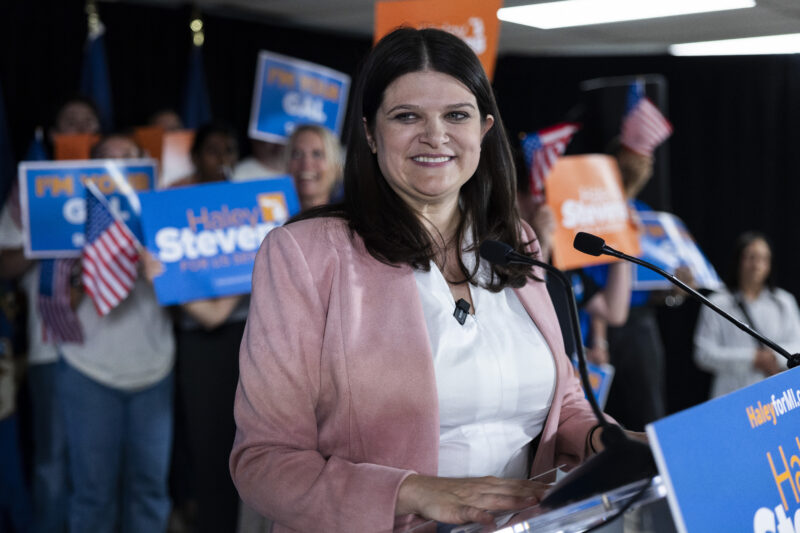
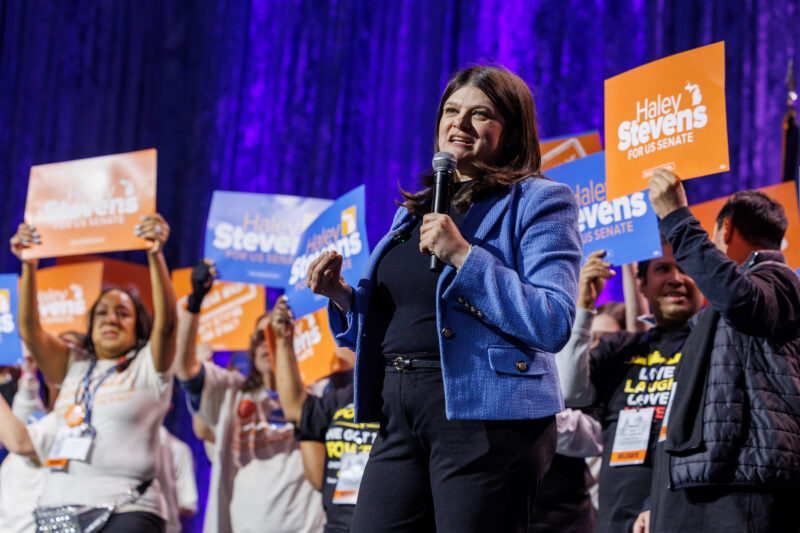
In her first cable news interview since her Senate primary loss on Tuesday, Rep. Haley Stevens (D-MI) told CNN that she identifies as “a Zionist Democrat in Michigan” and suggested that voters concerned about El-Sayed’s stance on Israel and rhetoric about the Jewish state “need to make a personal and private decision” as to who to support in November…
Sens. Tammy Duckworth (D-IL) and 16 Democratic colleagues introduced the Honoring the Sacrifice of Troops in War Act, which aims to prevent the administration from manipulating Iran war casualty data and protects benefits for troops involved in the effort; Fetterman, who supports the Iran war and has broken with Democrats on other measures relating to it, is supporting the bill…
The Atlantic does a deep dive into how the U.S. “squandered” its advantage in the war with Iran, as Washington finds itself facing weapons shortages…
Reps. Derek Tran (D-CA), Ami Bera (D-CA) and Salud Carbajal (D-CA) led 65 House Democrats raising concerns about Israeli restrictions they said are preventing the entry of medical supplies and other humanitarian goods into Gaza…
Jonathan Cowan, president of the center-left group Third Way, told The New York Times that the group plans to spend $15 million ahead of the 2028 presidential election to target the Democratic Socialists of America after El-Sayed’s primary win in the Michigan Senate race…
New Jersey Gov. Mikie Sherrill‘s Mission to Deliver PAC endorsed a series of Democratic candidates with national security or military backgrounds, including Rep. Seth Moulton (D-MA) in his primary campaign to oust Sen. Ed Markey (D-MA)…
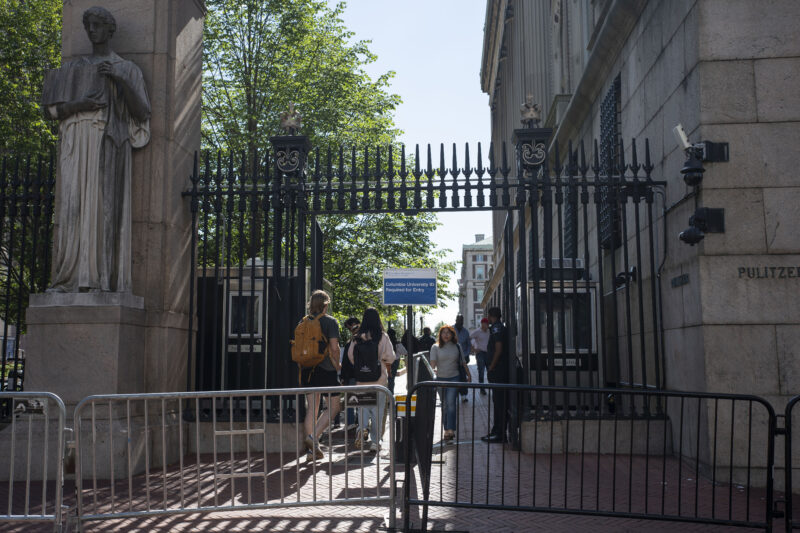
The Education Department announced probes into anti-Israel protests at San Jose State University and San Francisco State University, citing complaints alleging the schools’ administrators failed to adequately address antisemitism on campus…
Former Starbucks CEO Howard Schultz sold his Hawaii estate for $36 million, 11 years after purchasing the property for $25 million…
Nazi warships deliberately sunk by the Germans as they retreated from Romania in 1944 are emerging in the Danube River in Serbia as the waterway faces dropping water levels due to drought and recent heat waves…
The United Arab Emirates has successfully transported more oil through the Strait of Hormuz in the last two months than any other country despite ongoing military hostilities in the area, Bloomberg reports, by utilizing tankers that switch off their transponders during the risky crossing…
Israel charged Israeli settler activist Yinon Levy with reckless homicide following the death last month of a Palestinian activist in the West Bank who was killed in a confrontation that occurred when Levy allegedly directed settlers to enter a private property and then shot at a group of Palestinians at the site…
Yesh Atid head Yair Lapid announced that MK Yoav Segalovitz is departing the party; the announcement came amid reports that Segalovitz is considering joining the Ra’am party, a move that would make him the first Jewish official on the Arab party’s ticket. In his new Substack, former crime reporter Ben Hartman examines how Segalovitz, formerly the head of Israel’s police intelligence and investigations branch, could shake up Israeli politics if he joins Ra’am…
Longtime former Likud MKs Gilad Erdan, a former Israeli ambassador to the U.N., and Yuli Edelstein announced the creation of a new, as-yet-unnamed party; the two former MKs said that they hoped to attract Likud voters disillusioned with the party’s direction under Prime Minister Benjamin Netanyahu, with a special focus on military conscription…
Israeli media reported that Mossad head Roman Gofman dismissed the agency’s intelligence directorate head as well as the head of the Mossad’s Iran division over Israel’s failure to topple the Iranian regime earlier this year…
The Yemeni Defense Ministry said the Iran-backed Houthis attacked the internationally recognized government’s military forces in several locations — reportedly killing dozens of soldiers and officers — and that the military would retaliate against the terror group “at the appropriate time and place”…
Two former members of Iran’s national women’s soccer team were granted citizenship in Australia, where they sought humanitarian asylum earlier this year during a tournament in Melbourne…
California Gov. Gavin Newsom appointed Lele Yutzy as the state’s first director of its Office of Civil Rights, which was created under a bill enacted last year that acknowledged the prevalence of antisemitism in the state’s public schools and pledged to tackle discrimination…
The Simon Wiesenthal Center announced that Steve Gamer was joining the organization as chief development officer…
Find on-demand Live Briefing updates throughout the day via our new app (on Apple and Android) and website.
Pic of the Day

Israeli Foreign Minister Gideon Sa’ar met on Thursday with Colombia’s incoming president, Abelardo de la Espriella, in Barranquilla, Colombia, one day before his official inauguration. According to a readout from Sa’ar’s office, the two discussed steps to strengthen diplomatic, security and economic relations between their countries.
Birthdays

Former professional soccer player, he played for the U.S. in the 2009 Maccabiah Games in Israel, Zac MacMath turns 35 today…
FRIDAY: Brooklyn resident, Esther Holler… Former U.S. trade representative and then U.S. secretary of commerce, both positions during the Clinton administration, Michael “Mickey” Kantor turns 87… Co-founder of the world-wide chain of Hard Rock Café, Peter Morton turns 79… Retired lieutenant general in the Israeli Air Force, he also served as chief of staff of the IDF, Dan Halutz turns 78… Former PR director for the New York Yankees and author of more than 20 books, Marty Appel turns 78… President of private equity firm Palisades Associates, former CEO of Empire Kosher Poultry, Greg Rosenbaum turns 74… Former U.S. intelligence analyst, he pled guilty to espionage in 1986 and was released from prison in 2015 and moved to Israel in 2020, Jonathan Pollard turns 72… Spiritual leader of Agudas Israel of St. Louis since 1986, Rabbi Menachem Greenblatt… Founder of the Cayton Children’s Museum in Santa Monica, Esther Netter… Former comptroller of the city of Rockville Centre, N.Y., Michael Schussheim turns 68… Television cook, YouTuber, restaurateur and cookbook author, known as Sam the Cooking Guy, Samuel D. Zien turns 67… City council president of Westlake, Ohio, David S. Greenspan turns 61… Professor of computational biology at the Hebrew University of Jerusalem, Liran Carmel turns 55… CEO at Capital Camps & Retreat Center after 14 years at AIPAC, Havi Arbeter Goldscher… Governor of Virginia, Abigail Spanberger turns 47… Financial news anchor for CNBC, Sara Aliza Eisen turns 42… Emmy Award-winning political reporter for The New York Times, Jonathan V. Swan turns 41… Public address announcer for both MLB’s Athletics and the AHL’s San Jose Barracuda, Amelia Schimmel… Former MLB catcher, he batted .350 with two home runs for Team Israel at the 2020 Olympics, he is now a catching instructor for the Chicago Cubs, Ryan Lavarnway turns 39… Senior faculty at Ariel University, Anna Harwood-Gross… Product management director at Signify Health, Estee Goldschmidt… Professional Super Smash Bros. player, known as Dabuz, Samuel Robert Buzby turns 33… Founder of Love For Our Elders, a global nonprofit organization in dozens of countries, Jacob Cramer turns 26… Scott Harrison…
SATURDAY: Actor and director, he won the Academy Award for Best Actor in 1980 for “Kramer vs. Kramer” and in 1989 for “Rain Man,” Dustin Hoffman turns 89… Arlington Heights, Ill., resident, Elizabeth Gordon… Dutch diplomat and politician, he served as the speaker of the Dutch House of Representatives, Frans Weisglas turns 80… Greenwood Village, Colo., resident, Robert M. Schwartz… Tampa, Fla., resident, Roy D. Pulliam… Retired U.S. Army four-star general, who then served as the secretary of defense during the Biden administration, Lloyd James Austin III turns 73… Vancouver, Wash., resident, Juliana E. Miles Bagherpour… U.S. ambassador to Israel throughout the Trump 45 administration, David Melech Friedman turns 68… Former CEO of BusinessGhost, a ghostwriting firm that has written and published over 700 books, Michael Graubart Levin turns 68… Former managing general partner of MLB’s Tampa Bay Rays, Stuart L. Sternberg turns 67… Chess grandmaster, once ranked 8th in the world, he is the director of the Brooklyn Chess Academy, Leonid Yudasin turns 67… White House chief of staff for the first two years of the Biden administration, Ron Klain turns 65… Film director whose works include nine Disney films, Jon Turteltaub turns 63… Former chief justice of the Nevada Supreme Court, she continues to serve as a justice, Elissa F. Cadish turns 62… Digital strategist, he is the founding partner of Fuse, a consultancy, Jonah Seiger… Former book editor of the Orthodox Union’s Jewish Action magazine, Rabbi Gil Ofer Student turns 54… Lead guitarist of the mathcore band the Dillinger Escape Plan, also playing rhythm guitar with the crossover thrash band Suicidal Tendencies, Benjamin A. Weinman turns 51… Film and television actor, Lindsay Sloane turns 49… MLB pitcher for 12 seasons and now chief baseball officer of the Boston Red Sox, Craig Breslow turns 46… Author, freelance writer and editor, she is a former dancer with the New York City Ballet, Sophie Flack turns 43… Managing principal at Rocktower Capital, Bara Lane… Canadian film, television and stage actor, Jacob Benjamin “Jake” Goldsbie turns 38… Digital director at the Jewish Democratic Council of America, Sarah Garfinkel… Founder and managing partner at Avid Ventures, Addie Lerner Katz… Director of marketing and communications at Alpha Epsilon Pi, Zachary Pellish… Creative producer for Airbnb, Morgan Furlong… Internet celebrity and fitness model, Jennifer Leigh “Jen” Selter turns 33… Jack Baum… Rob Schwartz…
SUNDAY: Prominent Sephardic rabbi in Tel Aviv, he was a member of the Knesset for the Shas party, Rabbi Moshe Maya turns 88… Physicist and venture capitalist, co-founder and senior advisor at New Markets Venture Partners, Donald M. “Don” Spero, Ph.D. turns 87… Comedian, actor, writer, director and author, son of a rabbi, he appeared 140 times on Johnny Carson’s “Tonight Show,” David Steinberg turns 84… Romance novelist with 25 books on the NYT bestseller lists, Barbara Delinsky (born Barbara Ruth Greenberg) turns 81… Author of more than 33 Jewish-themed books, he is an ordained rabbi as are two of his daughters, Seymour Rossel turns 81… Telecommunications consultant based in Chattanooga, Tenn., Mark Shapiro turns 80… Psychologist and bestselling suspense novelist, Jonathan Kellerman turns 77… Southern California resident, Faith Schames… Brigadier general (res.) in the Israeli Air Force, Amir Abraham Haskel turns 73… Executive director of the Steinhardt Family Foundation in Israel and executive director of the Henry S. and Mala Dorfman Family Foundation, Tova Dorfman… U.S. senator (R-KS), Roger Marshall, M.D. turns 66… Member of the Minnesota state Senate since 2007, Ronald Steven “Ron” Latz turns 63… Professor of French at Yale University, he is the inaugural director of the Yale Program for the Study of Antisemitism, Maurice Samuels turns 58… Chief of staff for Representative Jerrold Nadler for 25 years, she started a consulting practice in 2024, Amy Beth Rutkin… Founder of Tannenbaum Capital Group, Leonard M. Tannenbaum turns 55… Two-time Grammy Award-winning operatic soprano, songwriter and actor, Hila Plitmann turns 53… Assistant secretary for inter-departmental data integration for the Maryland Department of Human Services, Kirill Reznik turns 52… Reporter in the Washington bureau of The New York Times, he covers the confluence of money, politics and influence, Kenneth P. Vogel turns 51… Democratic political strategist, Rebecca Kirszner Katz… Chair of JEWELS (Jewish Education Where Every Level Succeeds), Jules Friedman turns 51… Drummer, popular on YouTube with over 300 million views, Meytal Cohen turns 43… CEO of the Israel on Campus Coalition since 2013, Jacob Baime… Real estate investor based in Cleveland, Ohio, Amanda Isaacson… Associate at K&L Gates LLP, Isaac Lederman… Israeli actor, best known for his role as Yanky Shapiro in the 2020 Netflix miniseries “Unorthodox,” Amit Rahav turns 31… SVP at Dezenhall Resources, he was previously communications director for the Republican Jewish Coalition and an RNC alum, Fred Brown… Elise Aronson… Dan Zimerman…


Please log in if you already have a subscription, or subscribe to access the latest updates.
 Continue with Google
 Continue with Apple