





















































Netanyahu-Trump daylight over Hamas disarmament reflects diverging interests, election pressures
'At the end of the day, the Board of Peace is a game for Washington, and life or death to Israel,' Danielle Pletka, a senior fellow at the American Enterprise Institute, told JI
Prime Minister's Office
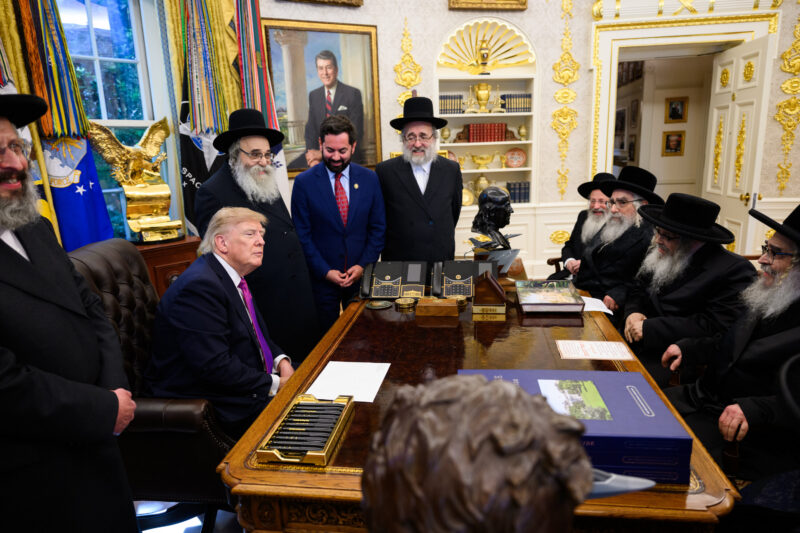
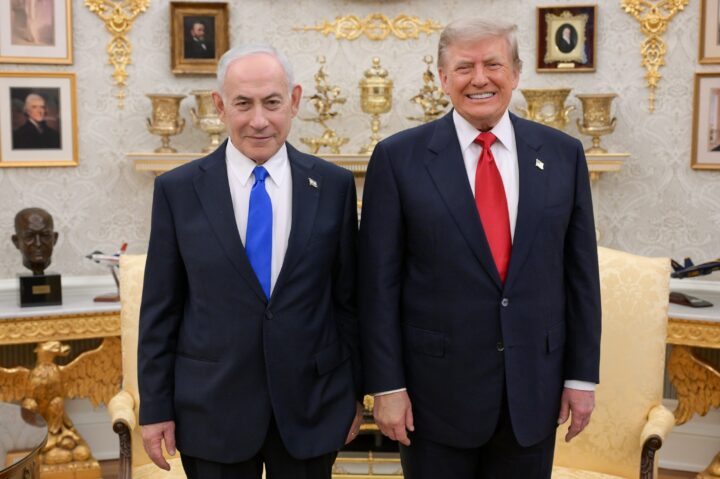
Israeli Prime Minister Benjamin Netanyahu meets with President Donald Trump in the Oval Office on July 28, 2026.


 Add JewishInsider on Google
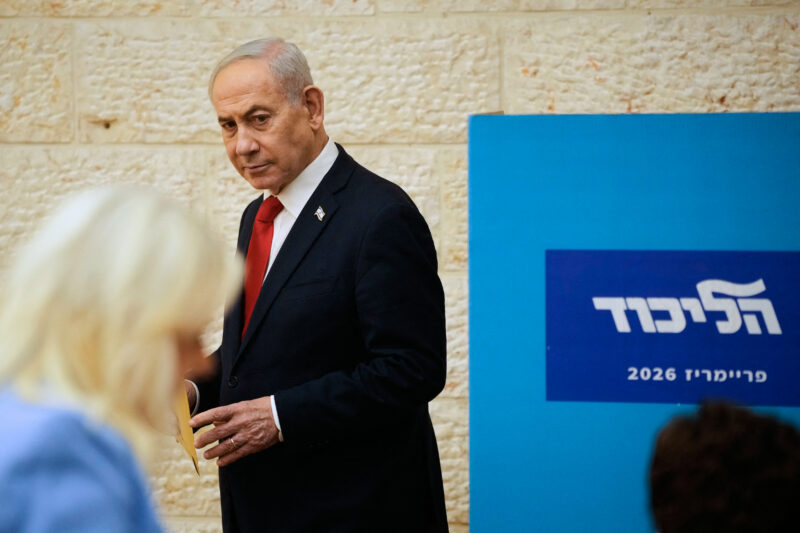
Israeli Prime Minister Benjamin Netanyahu on Sunday said Jerusalem “does not accept the 15-point document” agreed to last month by the U.S.-led Board of Peace and Hamas that would see the eventual disarmament of the terror group and withdrawal of the IDF from the Gaza Strip — a rare public break with the White House, which has touted the plan since it was announced.
In comments to his Cabinet on Sunday, Netanyahu said Israel “would not carry out any withdrawal until Hamas is disarmed.”
The White House and Jerusalem have largely been in lockstep on issues related to Gaza. The rupture over Hamas’ disarmament is one of the more significant policy breaks between President Donald Trump and Netanyahu.
Trump announced in late July what he described on his Truth Social site as a “HISTORIC” agreement, saying that the parties, through mediation by Qatar, Turkey and Egypt, had achieved a “critical step towards Gaza finally being governed by a new Palestinian government that will work closely with the Board of Peace to help the Palestinian people.”
Jonathan Conricus, a former IDF spokesperson who is now a senior fellow at the Foundation for Defense of Democracies, told JI that the mediating countries benefit from Hamas’ continued rule in the Gaza Strip and have no urgency to press for the terror group’s disarmament.
That lack of seriousness, he added, makes it unlikely that Hamas will take the necessary steps to disarm. “It’s all a show, it’s a charade, a spectacle,” Conricus said. “The only way that Hamas really ceases to control the Gaza Strip is if all of their weapons are handed in — not stored, not temporarily safeguarded somewhere else, but actually handed in, and if that is verified. As long as we won’t see that happening, I don’t think that Israel is going to agree with any charade.”
The agreement released by the Board of Peace states that none of Hamas’ weapons “shall be transferred or handed to Israel or non-Palestinian parties” and they will instead “be decommissioned and stored” by the Palestinian technocratic government in Gaza.
Conricus described the dynamic as “a very unfortunate diplomatic situation” in which Israel is being “presented as the side that is turning down the 15-point deal, [at the same time as] Hamas appears to be getting away with not implementing the deal.”
But Netanyahu’s response, Conricus said, “reeks of petty Israeli politics” and was “much more political posturing for local politics than anything else.”
Danielle Pletka, a senior fellow at the American Enterprise Institute, told JI that the break between Trump and Netanyahu was “inevitable” — and that Jerusalem and Washington have differing approaches to the future of the Gaza Strip.
“U.S. policy in the region is a circus, with grifters, diplomats, terrorists and a few well-intentioned bit players all making occasional appearances,” she said. “At the end of the day, the Board of Peace is a game for Washington, and life or death to Israel.”
Similarly to Iran, Pletka continued, “Israel is in it to win it. The Trump administration’s intentions are less clear. As a result, there are going to be public breaks, reconciliations and more breaks. Each country will pursue its interests as it sees them. That’s the way it has always been, and it isn’t going to change.”
Netanyahu is also running up against the deadline of the Oct. 27 election in Israel, walking a political tightrope as he aims to preserve his close public ties with the White House while running a reelection campaign.
The Israeli leader, Israel Policy Forum senior analyst Dan Rothem told JI, “is carefully maneuvering between Trump and the constraints of Israeli politics.
“The sequencing in the 15-point roadmap on withdrawal and disarmament does not directly contradict the 20-point plan [Netanyahu] endorsed in October 2025, and Israel was briefed throughout the negotiations,” Rothem said. “Yet three years of a ‘total victory’ narrative, combined with the political pride taken in the IDF’s control of roughly 60% of Gaza, has sharply narrowed his room to maneuver. Publicly rejecting the document lets him signal toughness to his base ahead of elections while still keeping channels open with Washington.”
Rothem added that the on-the-ground reality will matter more than election-season rhetoric. “The public rejection [by Netanyahu] serves clear electoral needs,” he said, noting that Israel had scaled back its attacks in Gaza in recent days following a meeting between Netanyahu and Board of Peace head Nickolay Mladenov, and that the Israeli Cabinet signed off on the framework for the Board of Peace’s International Stabilization Force.
More Stories

Holding firm
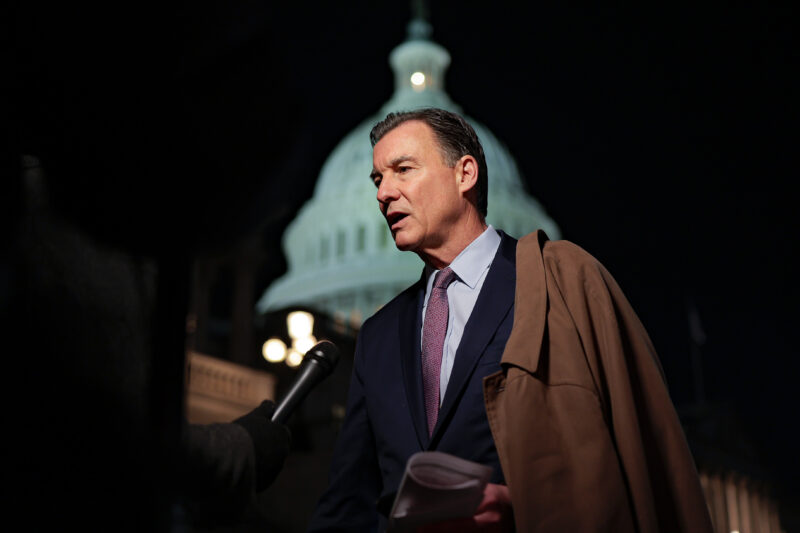
Suozzi says he won’t bend on Israel as Democratic colleagues shift
DIPLOMACY DIARIES
AJC plans ‘diplomatic marathon’ amid U.N. General Assembly in New York
TAKING HEAT
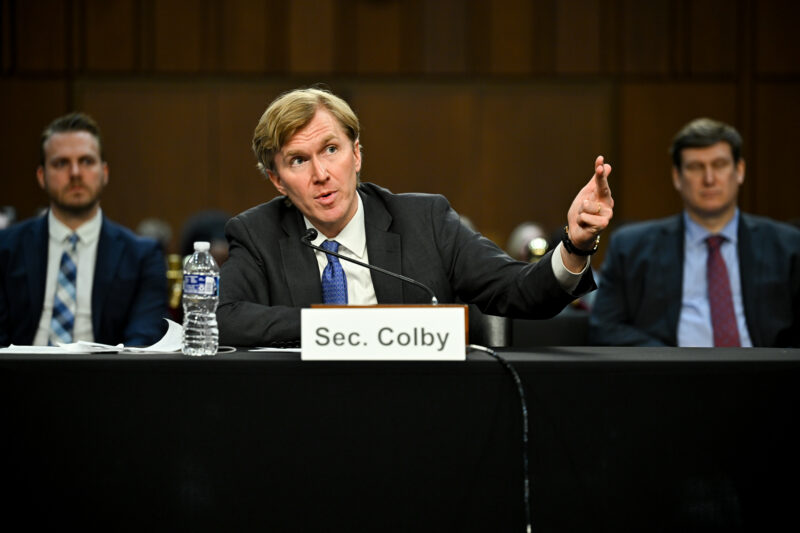
Colby back in Capitol’s crosshairs

CROSSING THE AISLE
Biden envoy Amos Hochstein defends Trump admin’s nuclear deal with Saudi Arabia
RED SEA RECKONING
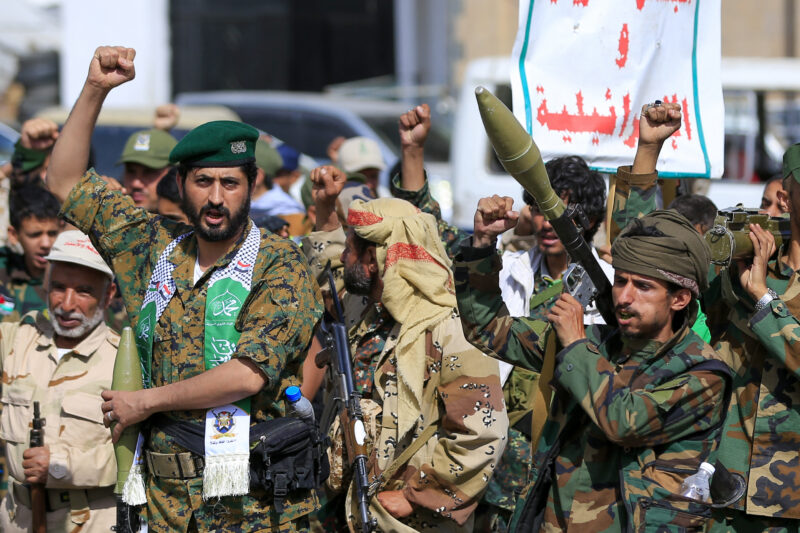
Houthi gains leave Saudi Arabia short on options and looking to Washington

Daily Kickoff
Deep-dish dog whistle
Please log in if you already have a subscription, or subscribe to access the latest updates.
 Continue with Google
 Continue with Apple