















































In four states, a test of the Democratic Party’s leftward drift
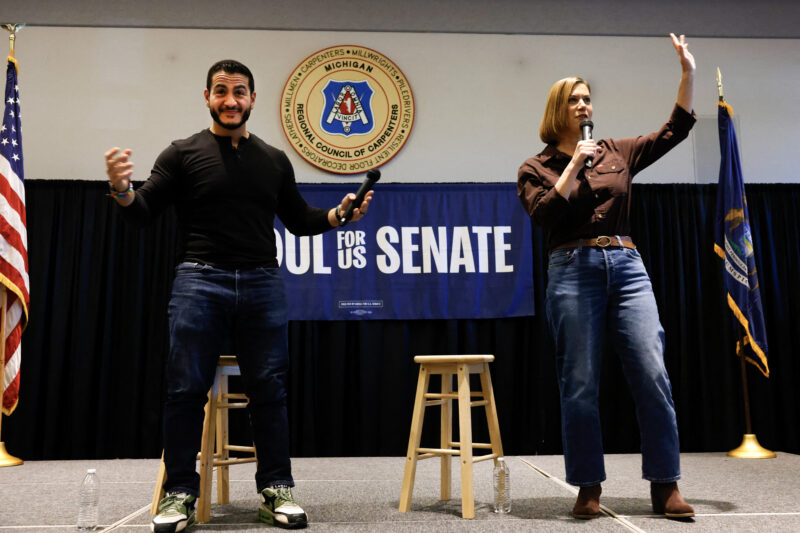
The possibility of Minnesota Democrats nominating a true-blue progressive over a battle-tested moderate lawmaker, along with the likelihood suburban voters will reject a pragmatist for a left-wing candidate, may demonstrate how far left the party has swung
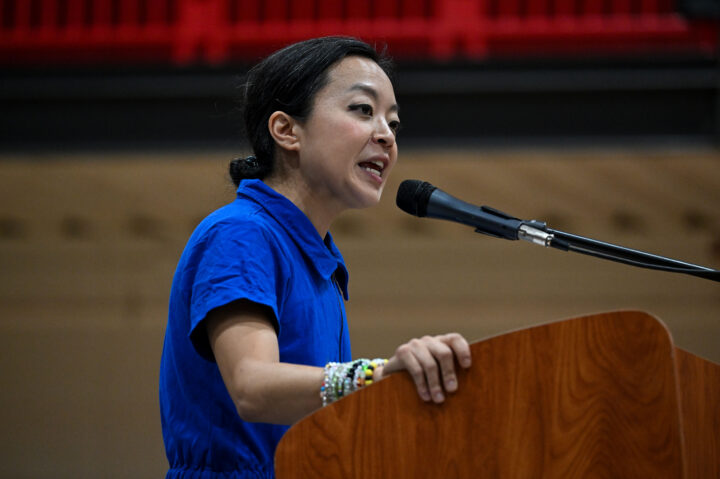
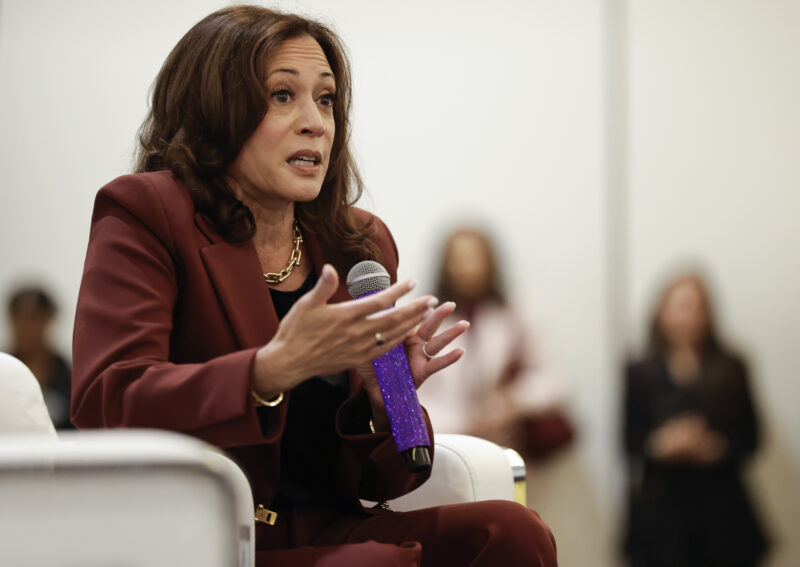
(Joshua Lott/Getty Images)
Wisconsin Democratic Gubernatorial candidate Francesca Hong speaks during a campaign rally on August 2, 2026 in Milwaukee, Wisconsin.


 Add JewishInsider on Google
Today’s Democratic primaries in Connecticut, Minnesota, Vermont and Wisconsin won’t have the same shock value as previous contests that underscored the strength of the anti-establishment, anti-Israel forces within the party.
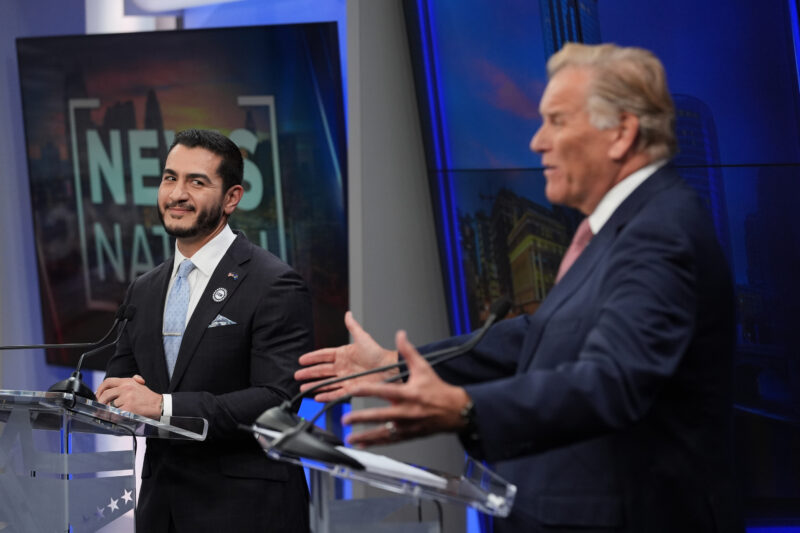
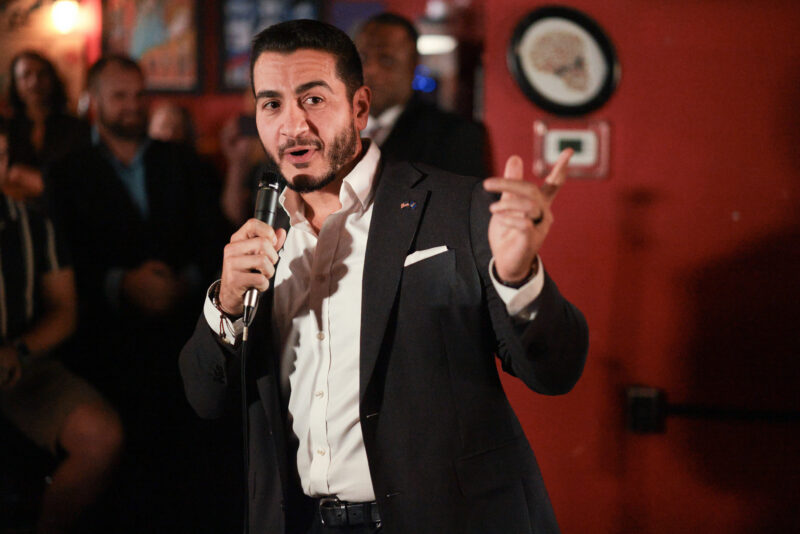
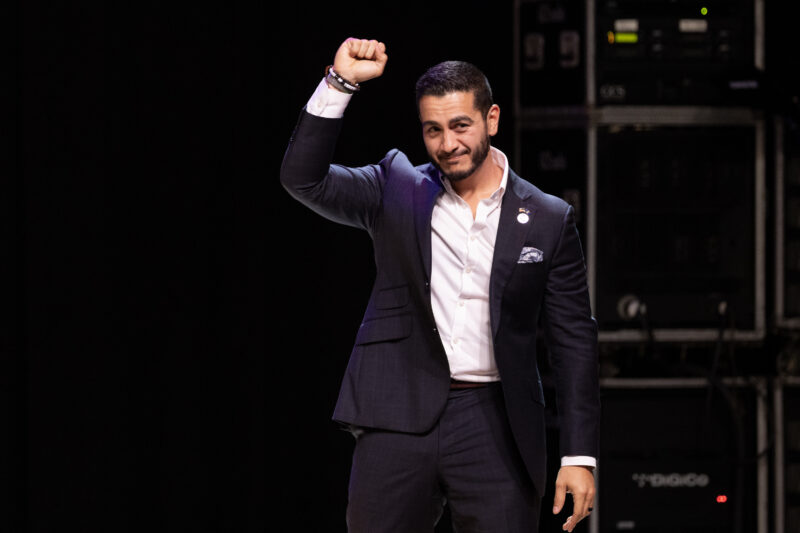
But the possibility of Minnesota Democrats nominating a true-blue progressive over a battle-tested moderate lawmaker as their Senate standard-bearer, along with the growing likelihood suburban voters will reject a pragmatist for a left-wing candidate, may well demonstrate just how far left the party has swung in the past year.
Add to that the likelihood that Democratic Socialists of America-aligned candidate Francesca Hong will emerge as the party’s gubernatorial nominee in Wisconsin — providing a spotlight for the socialist group’s governing philosophy in the biggest of battleground states — and the stakes remain awfully high for the Democratic Party tonight.
There’s also a fascinating contest in Connecticut, where Rep. John Larson (D-CT), a former member of House leadership, is facing a real threat from former Hartford Mayor Luke Bronin. The primary isn’t as neatly driven by ideological differences as it is along generational lines (Larson is 78, Bronin 47), but Larson has been a reliable supporter of Israel during his congressional career, while Bronin has tacked to his left on the issue during the campaign.
It’s very possible that the left wing of the party ends up with a clean, four-race sweep in these contests. If that’s the case, there’s no doubt that the winds of change are whipping furiously within the Democratic caucus.
The Minnesota and Wisconsin contests are expected to be competitive in the November general election, especially if Democrats end up nominating progressive slates of candidates. Privately, Democrats in the Badger State are worried that Hong is so unprepared for the national spotlight that the party could end up writing off the key contest against Rep. Tom Tiffany (R-WI), the expected GOP nominee.
And in Minnesota, Republicans are enthused about the candidacy of former NBC Sports sideline reporter Michele Tafoya, who has the party’s backing in a contested primary for the Senate seat. But Democrats, even if Lt. Gov. Peggy Flanagan emerges as the nominee, would start out in the liberal-minded state with the advantage.
In Minnesota’s suburban 2nd District, which leans Democratic but was long held by Republicans before Rep. Angie Craig’s (D-MN) victory in 2018, state Sen. Eric Pratt is running unopposed for the GOP nomination. He’ll also start out as an underdog, but against a progressive challenger, he’ll have a fighting chance to portray himself as closer to the district’s mainstream.
On the Republican side, Tuesday also will feature a hastily scheduled special election primary in South Carolina for the seat of the late Sen. Lindsey Graham (R-SC). The race will be a test of whether voters trust President Donald Trump’s endorsement of the late senator’s sister and want to keep the Senate seat within the Graham family, or turn to a conservative lawmaker with more legislative experience in either Reps. Ralph Norman (R-SC) or Russell Fry (R-SC).
Sen. Darline Graham (R-SC), who was appointed after her brother’s death, holds a narrow lead in most public polls, but Norman and Fry are close behind her. The race is likely headed to a runoff, with the top two finishers squaring off later this month.
More Stories

GOING GLOBAL
Israeli, Lebanese leaders expressed interest in Michigan Senate race, Sen. Lankford says

booking bias
Irish Jewish leader says Dublin hotel canceled guest rooms for conference on fighting antisemitism

PACKED PEWS
Scholten, Gottheimer and Bret Stephens join Dan Senor before packed Michigan crowd

EMPIRE STATE EXCHANGE
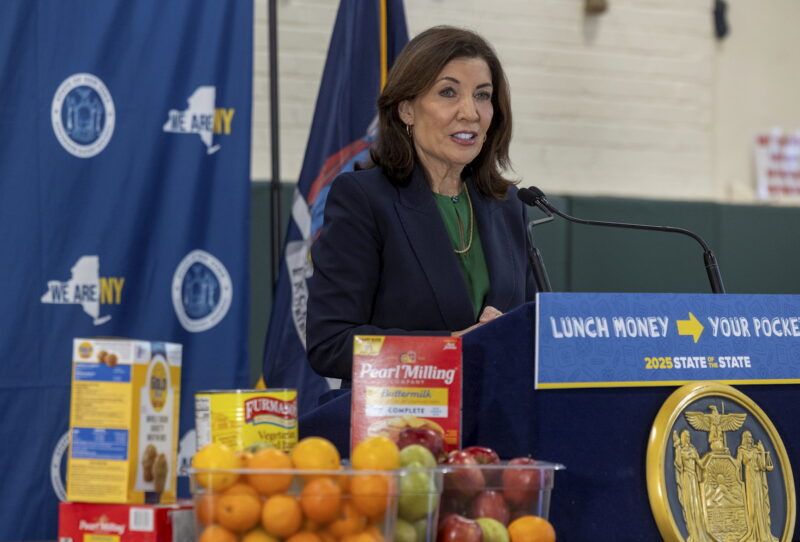
Debating Hochul, Blakeman reiterates graphic warnings about anti-Israel protesters

COURSE CORRECTION
ADL, Gratz College launch antisemitism training for college administrators, faculty

EVENT RESCHEDULED
State Department to hold Oct. 7 commemoration event on Wednesday
Please log in if you already have a subscription, or subscribe to access the latest updates.
 Continue with Google
 Continue with Apple