

























































Nearly two-thirds of 2025 religious hate crimes in U.S. were antisemitic, FBI data finds
Anti-Jewish hate crimes also constituted the second-largest category of reported hate crimes of any kind in 2025
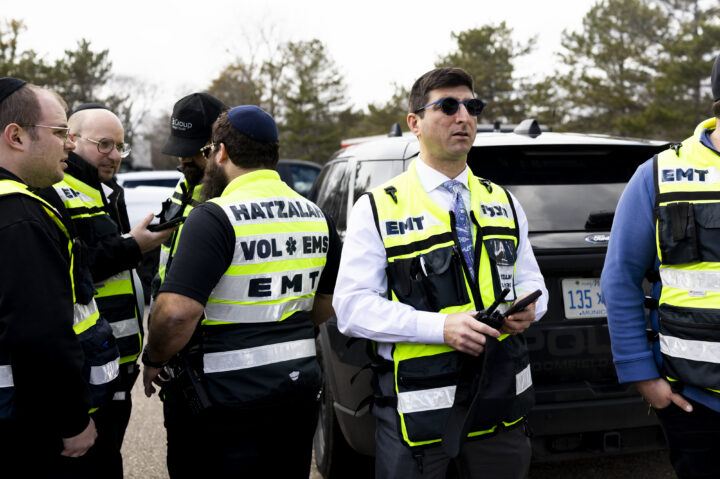
Emily Elconin/Getty Images
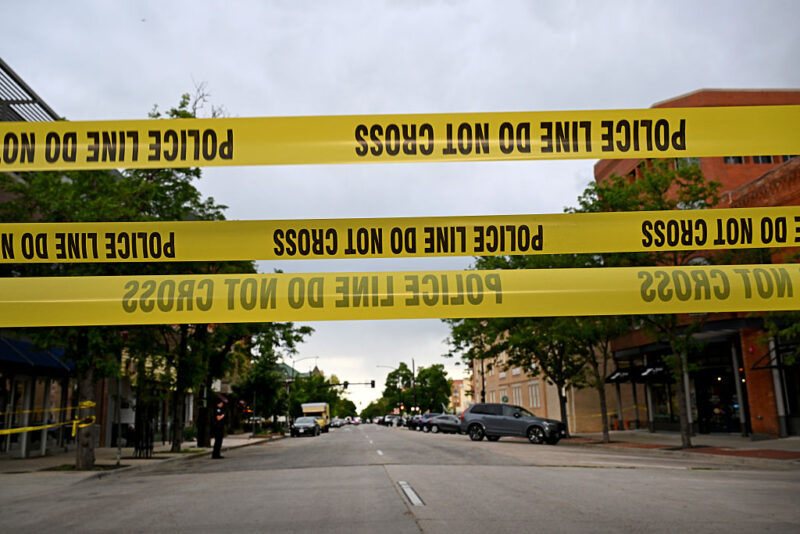
Members of Hatzalah of Michigan, a Jewish volunteer emergency medical service survey the area near Temple Israel following reports of an active shooter on March 12, 2026 in West Bloomfield, Michigan.


 Add JewishInsider on Google
Anti-Jewish hate crimes constituted nearly two-thirds of all religious hate crimes in the country last year, according to FBI data released last week: Out of the 2,408 religiously motivated hate crimes reported across the country, 1,528 were targeted against Jews.
Anti-Jewish hate crimes also constituted the second-largest category of reported hate crimes of any kind in 2025, behind only anti-Black or African American hate crimes.
Jews remained the most-targeted religious group in the country. The total number of anti-Jewish hate crimes declined by 20% from 2024, when 1,938 anti-Jewish hate crimes were reported, and 1,832 incidents in 2023, making 2025 the third worst year on record for anti-Jewish hate crimes.
According to the FBI, anti-Jewish hate crimes in 2025 included three incidents of murder or non-negligent manslaughter; one incident of rape; 50 incidents of aggravated assault; 112
incidents of simple assault; 505 incidents of intimidation; 920 incidents of destruction, damage or vandalism; 68 incidents of theft, burglary and robbery of various kinds; and six incidents of arson.
A total of 1,685 anti-Jewish offenses were recorded in 2025, impacting 1,746 victims, committed by 866 perpetrators.
The FBI reported that overall hate crime incidents decreased 7% year-over-year.
“Year after year, we’ve seen alarming rates of antisemitic harassment and violence in this country,” Sens. Jacky Rosen (D-NV) and James Lankford (R-OK), who co-chair the Senate Antisemitism Task Force, said in a joint statement.
The two senators noted that antisemitic hate crimes remain higher than they were prior to the Oct. 7, 2023, Hamas attacks on Israel.
“This report shows the dark reality for Jewish Americans: antisemitic attacks make up more than 62 percent of religiously-motivated hate crimes in the United States, more than double all other kinds of religiously-motivated hate crimes combined,” Rosen and Lankford continued. “We’re faced with nothing less than a crisis, and we need collective action.”
They said that the data highlights the need to pass the Jewish American Security Act to respond and protect the Jewish community.
Anti-Defamation League CEO Jonathan Greenblatt emphasized in a statement that, “Behind every one of these numbers is a person who was targeted simply for being Jewish, whether through vandalism, intimidation, or violence.”
“We cannot allow a modest yet positive decline in the topline domestic numbers to obscure the reality that antisemitism remains one of the most persistent and dangerous forms of hate in this country and beyond,” Greenblatt continued, emphasizing that 2025 was the deadliest year for antisemitic attacks outside of Israel in more than 30 years.
In a release, the ADL noted that the data was consistent with its own findings that 2025 was the third-highest year on record for reported antisemitic incidents. The ADL’s data includes both criminal and non-criminal incidents.
Jewish Council for Public Affairs CEO Amy Spitalnick said, “Once again, the FBI’s data confirms what Jewish communities across this country already feel: the rising tide of hate means that we remain the most-targeted religious community in America,” noting that Jews constitute just 2% of the population but two-thirds of religious-based hate crimes.
Spitalnick also emphasized rising hate against other groups, arguing that “Jewish safety and the safety of our neighbors are inextricably linked — which is why we will never accept a strategy that protects one community by demonizing or ignoring another.”
She said that the slight decline in overall hate crimes is “welcome” but does not constitute safety and argued that a whole-of-government and whole-of-society approach to fighting hate remains necessary. She also emphasized that around 5% of the U.S. population was not covered by the data and that some local law enforcement agencies reported no hate crimes in areas where hate crimes are known to have occurred.
In 2025, 85.9% of all law enforcement agencies in the country submitted hate crimes data to the FBI — an optional program — covering 95.3% of the U.S. population. In some past years, reporting had been significantly hampered by non-participation by local law enforcement agencies, leading to what advocates said was an under-counting of hate crimes.
“The deeper problem is that we keep treating this crisis as a security problem to be managed rather than building resiliency to hate and extremism in the first place,” Spitalnick said, calling increased security funding necessary but “not a remedy” to hate.
“This new data tells us two things,” Spitalnick said. “Hate crimes remain far too high, and our national response is failing. We need the federal government to return its focus to protecting communities and building an inclusive, pluralistic democracy that is more resistant to hate in the first place.”
More Stories

BOOKSHELF SHOWDOWN
New York Public Library hosts Jewish author mocking communal concerns of antisemitism

BILL TABLED
Senate Judiciary Committee cancels planned markup of buffer zone bill

PARTY OUTREACH
DNC bids to reengage Jewish voters with new constituency council ahead of 2028

CAMPUS DIVIDE
University of Texas Jewish groups host former Israeli hostage to counter Piker program
Daily Overtime
Slotkin sees no ‘Jewish vote’ in Michigan

museum moment
Elisha Wiesel: U.S. Holocaust Museum has ‘unique responsibility’ to counter genocide claims against Israel
Please log in if you already have a subscription, or subscribe to access the latest updates.
 Continue with Google
 Continue with Apple