



















Kathy Hochul on potential court challenges to buffer bill: ‘Bring it on’
The New York governor defended her plan to establish a felony penalty for protesters who come within 25 feet of a religious institution
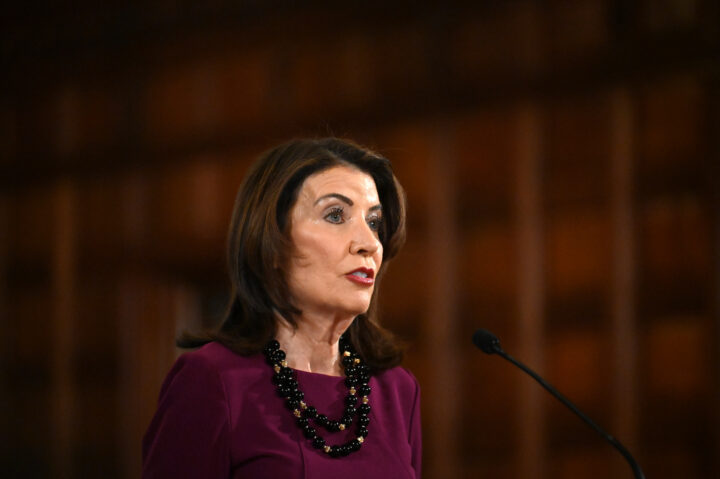
Will Waldron/Albany Times Union via Getty Images
Gov. Kathy Hold takes questions following a roundtable with local government leaders on housing development on Monday, March 23, 2026, at the Capitol in Albany, N.Y.


 Add JewishInsider on Google
New York Gov. Kathy Hochul issued a challenge Wednesday to those seeking to challenge her plan to penalize protesters who get too close to religious institutions — “Bring it on.”
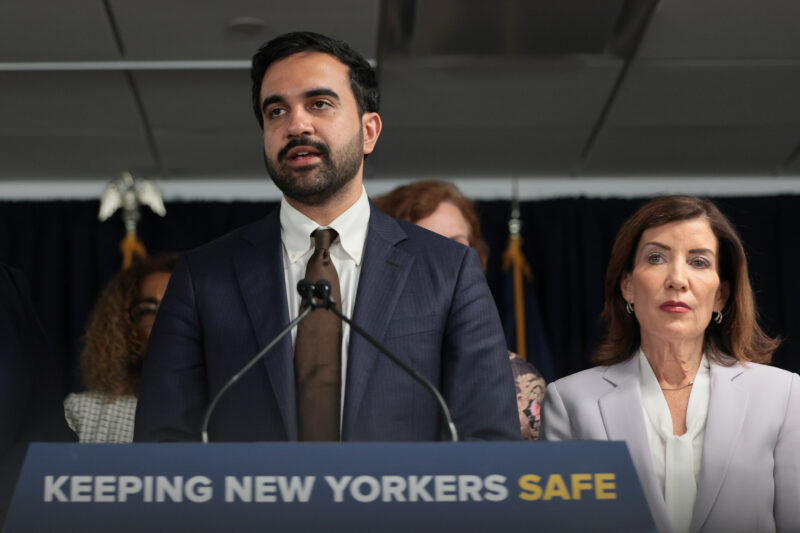
Announcing new state programs to provide support and security for organizations deemed “vulnerable to hate crimes,” the governor, a Democrat, took questions regarding her proposal to bar demonstrations of more than two people from occurring within 25 feet of a house of worship. Violators would potentially face felony charges.
“I believe I have the right to protect people’s constitutional right to free exercise of religion,” Hochul told reporters when asked if she had concerns whether the legislation might provoke challenges on First Amendment grounds. “So if that means we test it in court, bring it on.”
Hochul’s bill, currently under consideration in the state Legislature, differs significantly from “buffer zone” legislation recently passed in the New York City Council: The municipal measure does not include new criminal penalties, but simply compels the NYPD to establish a written policy for securing access and egress for worshippers during protests. It originally suggested that police might keep rallies up to 100 feet from doorways and driveways at religious facilities, but Council Speaker Julie Menin’s team removed such language following consultations with attorneys and local law enforcement.
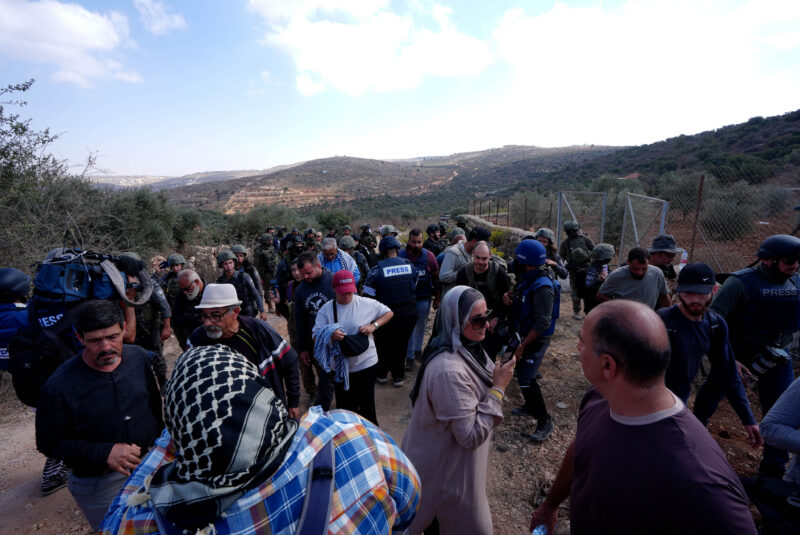
Observers consider the draft statute in Albany much stronger, and passing it has become a priority for leading Jewish organizations, after pro-Hamas demonstrators massed outside synagogues in Queens and Manhattan in recent months. Civil liberties groups have complained the law would restrict free speech. One reporter asked why the bill did not establish an even larger protest-free zone.
“I think 25 feet is reasonable,” Hochul said at the event.
The Supreme Court has in the past approved of limited restrictions on rallies so long as the rules are narrowly tailored and do not discriminate based on the content of demonstrators’ speech. But it also has struck down buffer-zone laws applying to abortion clinics for failing to meet those standards.
More Stories
UNLOCKING THE KEYSTONE
RJC drops $400,000 to boost Brian Fitzpatrick in Pennsylvania swing district
PRESIDENTIAL ENDORSEMENT
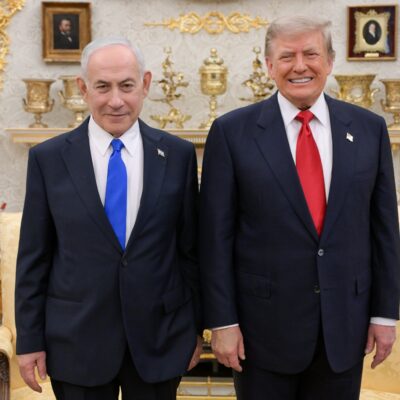
Trump gives Netanyahu ‘complete and total endorsement’
SHOW OF SOLIDARITY
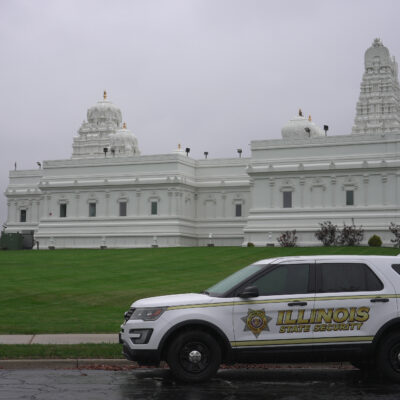
Jewish leaders offer support to Hindus amid rising threats to faith communities
AID ARGUMENTS
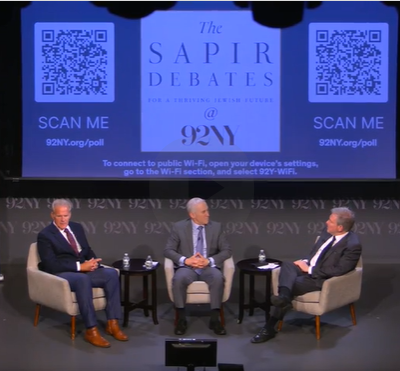
Michael Oren, Jonathan Schanzer split over when Israel should move past U.S. aid
TEXTBOOK TEST
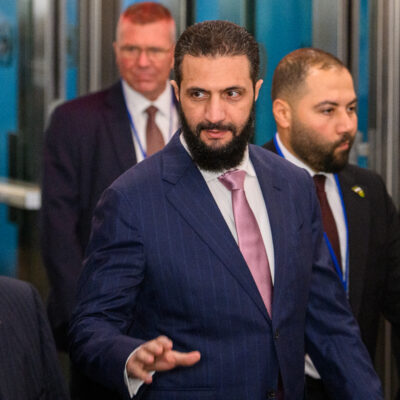
Syrian textbooks under al-Sharaa deny Israel’s right to exist and promote antisemitism, report finds
PIKER PROBLEM
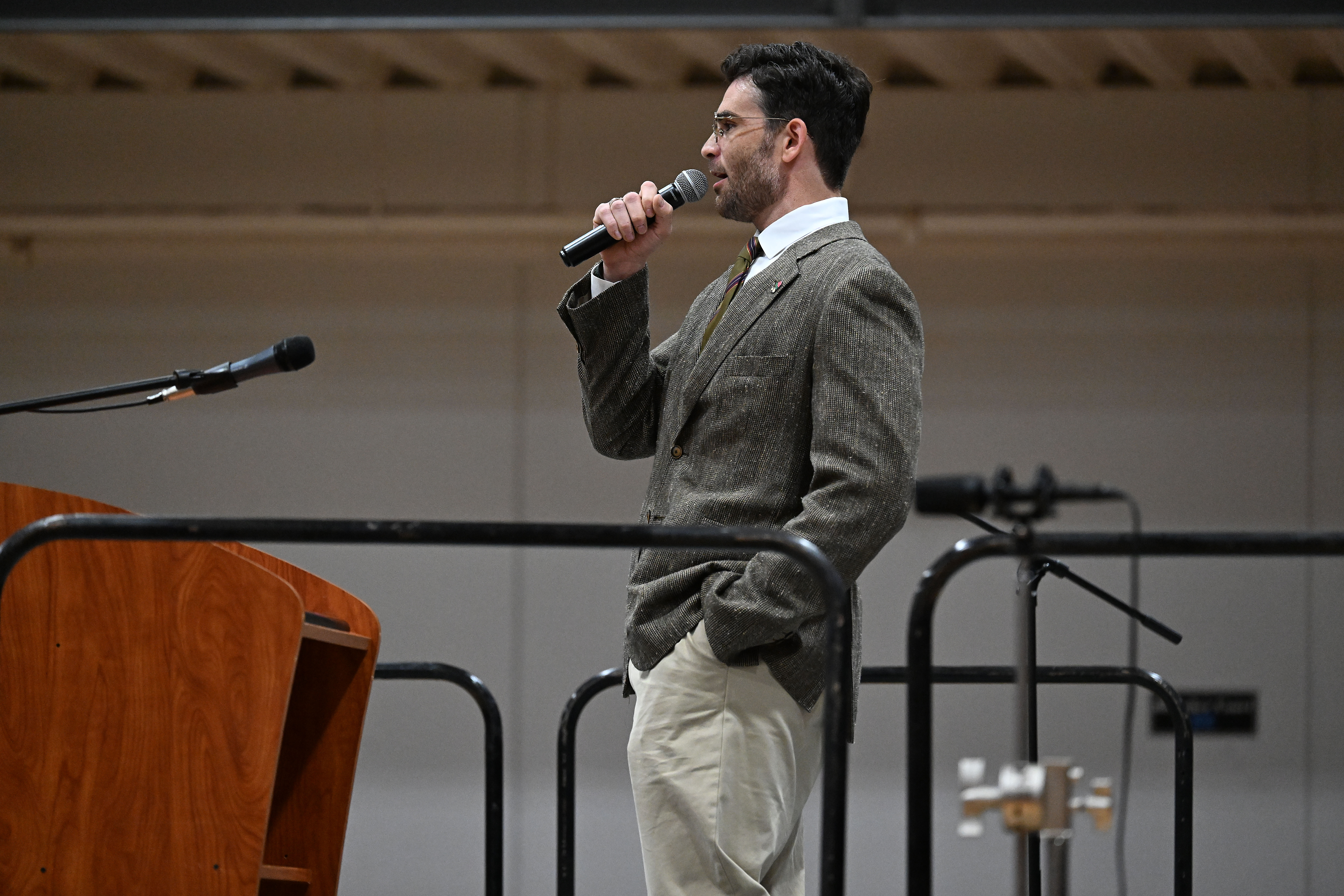
Hasan Piker event in Minnesota with Ilhan Omar faces growing backlash
Please log in if you already have a subscription, or subscribe to access the latest updates.
 Continue with Google
 Continue with Apple