







































Jewish leaders divided over whether to confront antisemitism or focus inward
ADL CEO Jonathan Greenblatt argued that fighting antisemitism is essential alongside others who prioritize building Jewish identity
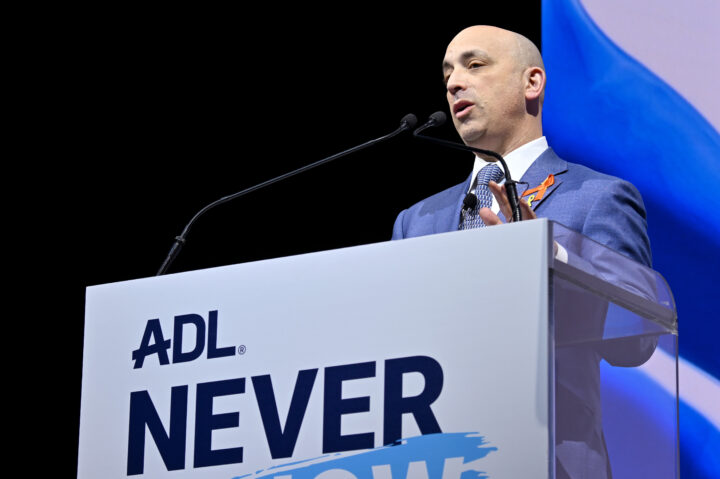
Bryan Bedder/Getty Images for Anti-Defamation League
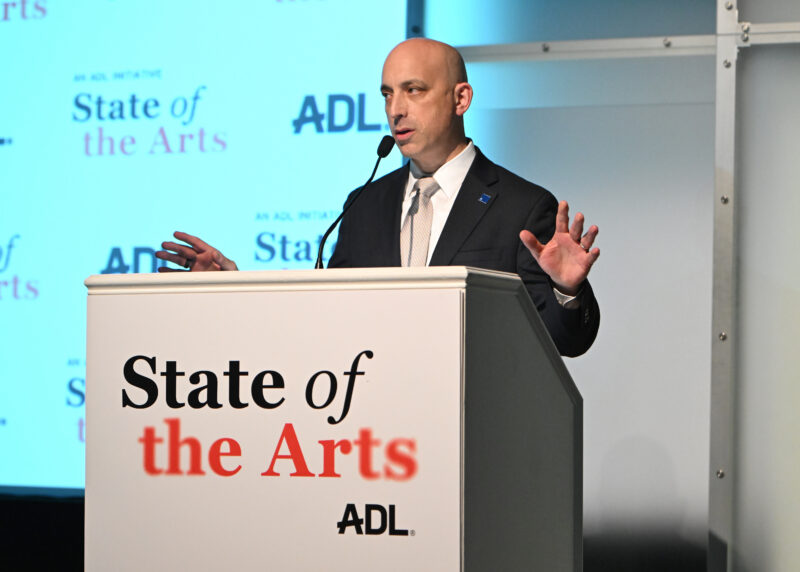
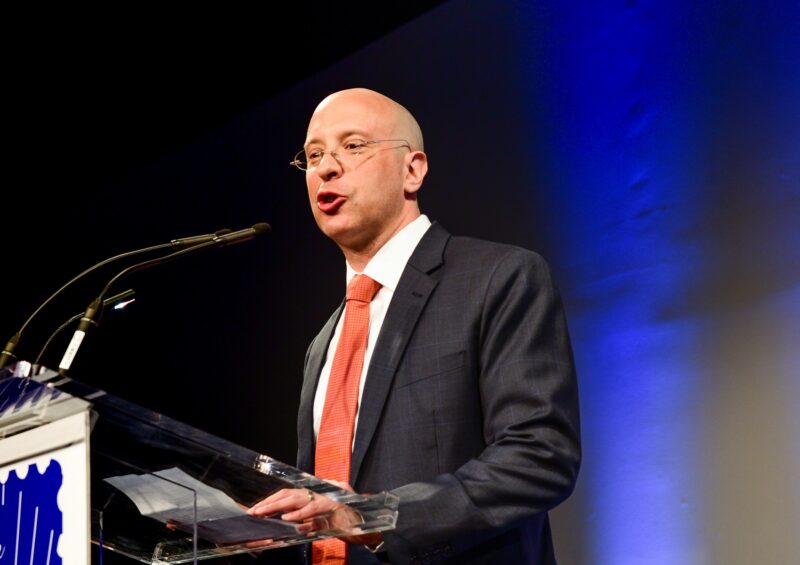
ADL CEO Jonathan Greenblatt speaks onstage ADL's Never Is Now at Javits Center on March 03, 2025 in New York City.


 Add JewishInsider on Google
An emerging fault line over how — or whether — to confront rising antisemitism is roiling the organized Jewish community, as some prominent groups have pushed back against sharp criticism questioning the effectiveness of their strategies.
The latest salvo comes from Jonathan Greenblatt, the CEO of the Anti-Defamation League, which has recently found itself in the spotlight. In an opinion article in eJewishPhilanthropy published Monday, Greenblatt defended his organization’s approach to combating antisemitism — after a New York Times columnist had called for the group to be dismantled.
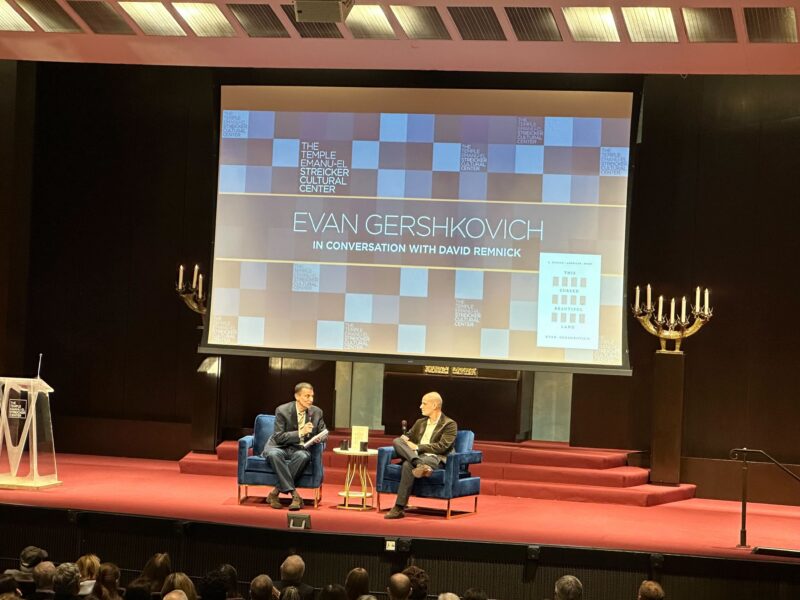
Speaking at 92NY in Manhattan for the annual State of World Jewry address earlier this month, Bret Stephens, a Times opinion columnist, stoked controversy when he suggested that the American Jewish community should shut down the ADL and reallocate its resources to focus on building Jewish identity rather than combating antisemitism.
“The fight against antisemitism, which consumes tens of millions of dollars every year in Jewish philanthropy, is a well-meaning but mostly wasted effort,” he said in his address. “We should spend the money and focus our energy elsewhere. The same goes for efforts to improve pro-Israel advocacy.”
In his response, Greenblatt dismissed Stephens’ argument as misguided, even as he said the speech had appropriately identified a “pathology” that can afflict those who define opposition to antisemitism as their “primary organizing principle.”
“It can turn Jewishness into a defensive crouch — more alarm system than civilization,” Greenblatt said.
Still, Stephens’ new “framing risks replacing one error with another,” he insisted, describing the fight against antisemitism and efforts to promote Jewish communal life not as binary choices but as mutually reinforcing objectives.
“Security and identity aren’t competing priorities; they’re inseparable preconditions for Jewish flourishing in an open society,” Greenblatt insisted in his rebuke. “Shutting down the Anti-Defamation League or other Jewish organizations is not some magic formula that promises self-reliance; it’s a disastrous prescription for unilateral disarmament.”
The ADL has, in recent years, frequently drawn attacks from both the left and right over its closely scrutinized relationship to the Trump White House and its classifications of political extremism, among other sources of scrutiny the group has weathered.
But as one of the nation’s oldest Jewish civil rights groups, the ADL has rarely seemed to find itself in the position of justifying its continued existence — particularly amid unusually direct backlash from an otherwise likeminded Jewish and pro-Israel pundit like Stephens.
The intense tenor of the debate underscores how Jewish groups are now grappling with polarizing divisions over how to move forward in the wake of Hamas’ Oct. 7, 2023, terror attacks and a resulting surge in antisemitism that has often stemmed from anti-Israel sentiment.
In addition to the ADL, such heated discussions have also recently centered around a costly Super Bowl ad seeking to raise awareness of antisemitism released by The Blue Square Alliance Against Hate, an advocacy organization founded by New England Patriots owner Robert Kraft.
The ad, which featured a Black high school student consoling a Jewish classmate after bullies placed a “dirty Jew” sticky note on his backpack, was meant to reach a broad audience that is largely “unengaged” on the issue of growing antisemitism while “lacking awareness, empathy and motivation to act,” according to Blue Square Alliance President Adam Katz.
But the 30-second commercial — part of a $15 million ad campaign extending to NBC’s Winter Olympics coverage — drew online denunciations from several critics who said it depicted Jews as in need protection from non-Jews and alleged that its framing ignored examples of antisemitism intersecting with anti-Israel hostility.
Greenblatt, for his part, was among the first Jewish leaders to praise the ad last week after it circulated online, in a statement that also functioned as a tacit defense of his own organization’s ongoing mission.
“Antisemitism has permeated all aspects of society,” he said in a social media post. “This ad is a simple yet moving depiction of resilience in the face of discrimination. It takes all of us, Jewish or not, to stand up against antisemitism. I’m glad this video will be getting the national attention it so deserves.”
More Stories

NEW YORK STATE OF MIND
Hochul will opt New York into education tax credit that will help fund Jewish education
OBAMA BOOST
Obama to campaign with Abdul El-Sayed at rally with Michigan Dems
SURVEY SAYS
Poll finds sliding NYC Jewish support for Dems since Oct. 7, substantial concern about DSA
PHONE A FRIEND
AOC launches campaign blitz for El-Sayed across Michigan

IN THE CROSSHAIRS
Posters target University of Oregon Hillel executive director as ‘enemy of the people’

EMBASSY COMMEMORATION
Deputy national security advisor emphasizes shared civilizational fight at Oct.7 anniversary event
Please log in if you already have a subscription, or subscribe to access the latest updates.
 Continue with Google
 Continue with Apple