
















































As Trump pursues Iran agreement, Republicans split over next steps
The reported contours of the burgeoning agreement drew rebukes from hawkish Senate Republicans
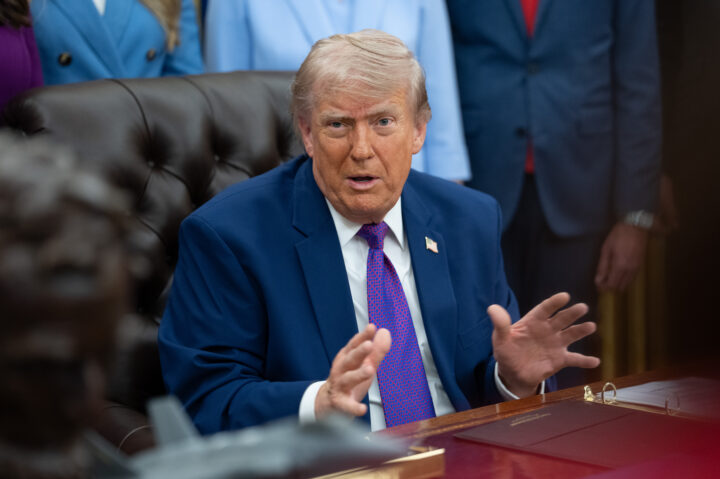
Aaron Schwartz/Sipa/Bloomberg via Getty Images
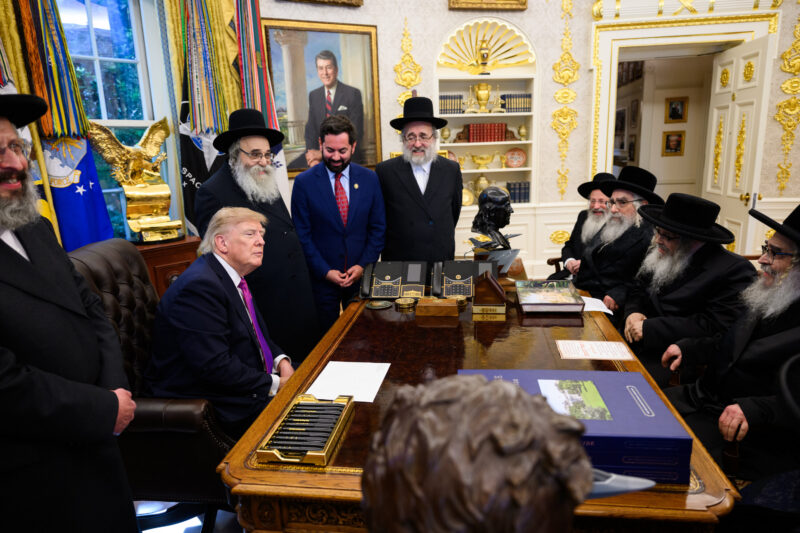
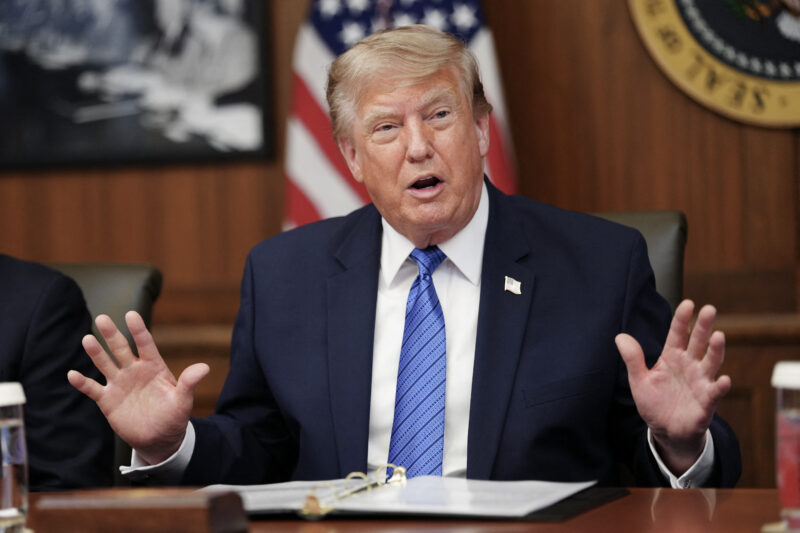
President Donald Trump speaks during a maternal healthcare event in the Oval Office of the White House in Washington, DC, US, on Monday, May 11, 2026.


 Add JewishInsider on Google
For many Americans, Memorial Day weekend marked the unofficial start of summer, with barbecues, weddings and trips to the beach. For President Donald Trump — who opted against attending his own son’s wedding in the Bahamas, citing “circumstances pertaining to Government” — the weekend was spent on calls with Middle East leaders and inching the U.S. closer to a deal with Iran.
The working assumption in Jerusalem and Washington last week — noted in our Daily Kickoff last Thursday — was that the White House preferred a deal with Tehran over a resumption of fighting, owing to increasing opposition to the war and a slew of recent GOP defections on war powers resolutions indicating concerns among Republicans that renewed military action could further damage the party’s midterm prospects.
That assumption was actualized over the weekend, with a series of Truth Social posts by Trump indicating that a deal was near, with the finer details yet to be ironed out. Among the details reportedly in the draft agreement: a 60-day extension of the ceasefire, a lifting of the U.S. blockade of the Strait of Hormuz, Iran’s commitment not to seek nuclear weapons as well as the disposal of its stockpile of enriched uranium and an end to fighting on every front — including Lebanon.
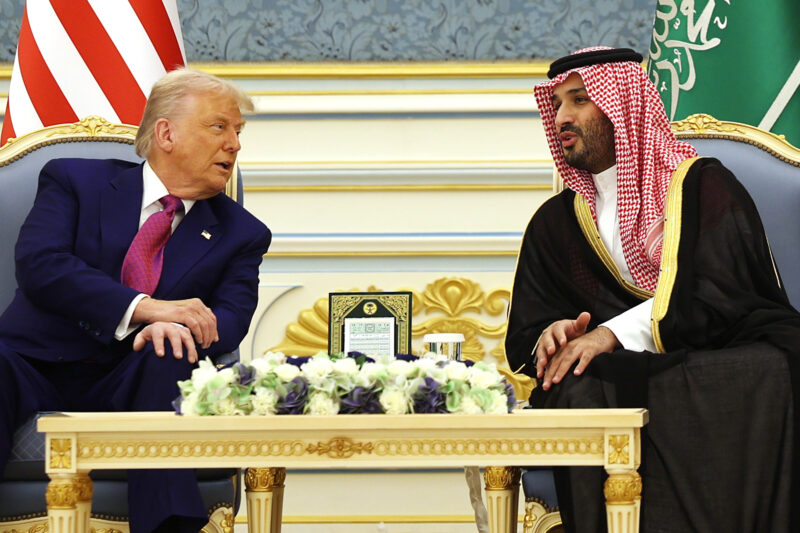
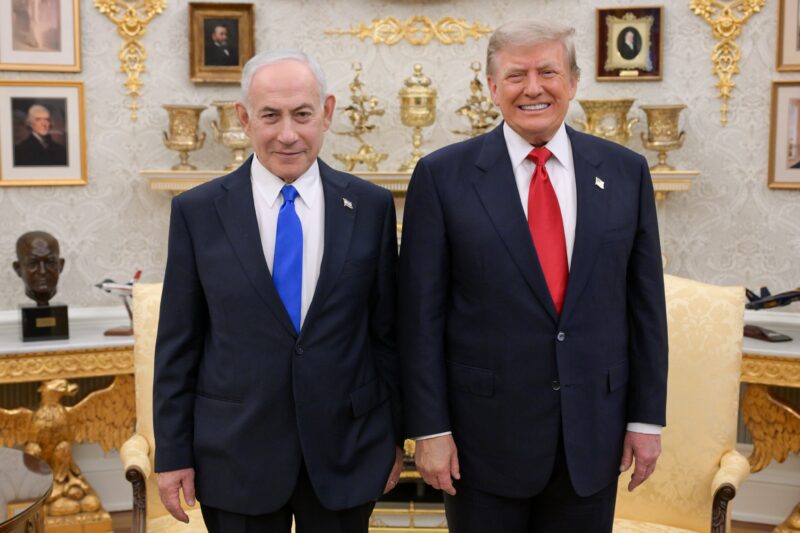
In a Truth Social post, Trump — who convened a call with a group of Arab leaders, and a separate call with Israeli Prime Minister Benjamin Netanyahu — said that he was “mandatorily requesting that all Countries immediately sign the Abraham Accords,” suggesting that Saudi Arabia and Qatar should be the first new countries to normalize relations with Israel, followed by Pakistan, Turkey, Egypt and Jordan (though the latter two have already enacted peace treaties with Israel, and Ankara and Jerusalem have diplomatic relations).
Pakistani Defense Minister Khawaja Asif — who last month called the Jewish state a “curse for humanity” — ruled out such a move, telling a Pakistani outlet that normalizing relations with Israel was “not acceptable to us,” even as the country attempts to situate itself as a regional mediator.
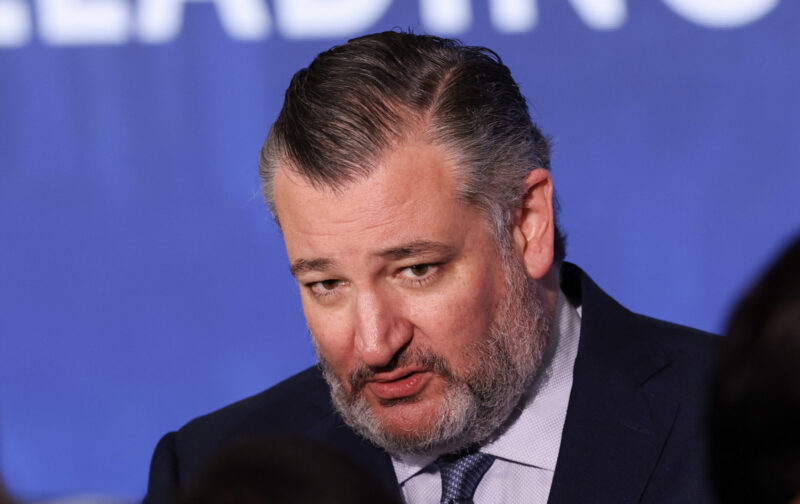
The reported contours of the burgeoning agreement drew rebukes from hawkish Senate Republicans. “If the result of all that is to be an Iranian regime — still run by Islamists who chant ‘death to America’ — now receiving billions of dollars, being able to enrich uranium & develop nuclear weapons, and having effective control over the Strait of Hormuz, then that outcome would be a disastrous mistake,” Sen. Ted Cruz (R-TX) said. Read more here.
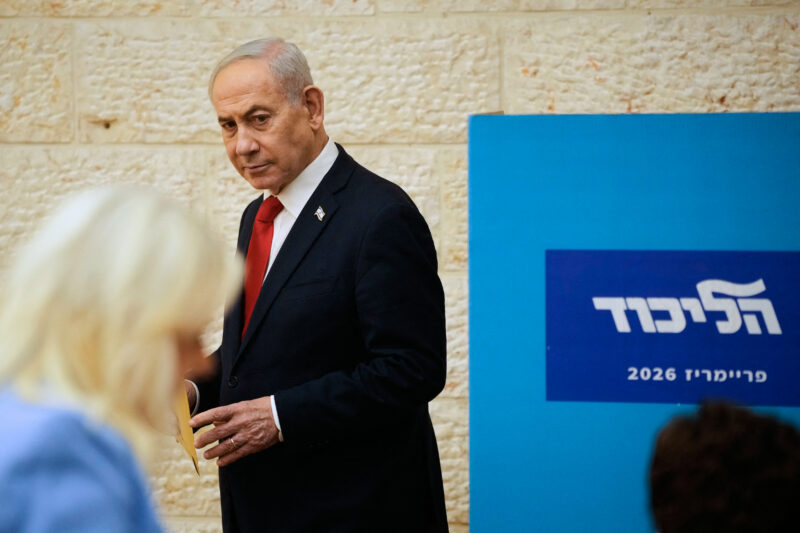
But even as Washington and Tehran moved closer to a deal, the U.S. carried out what it called “self-defense strikes” on Iranian targets, including missile launch sites and vessels around the Strait of Hormuz. And in Lebanon, Israel ramped up strikes on Hezbollah targets, with Netanyahu vowing to “crush” the Iran-backed terror group.
The weekend was also marked by Director of National Intelligence Tulsi Gabbard’s announcement that she was stepping down from her role, citing her husband’s recently diagnosed illness.
Gabbard’s departure is the latest in a series of resignations in the office, following Joe Kent’s resignation in February as head of the National Counterterrorism Center — which he blamed on the Trump administration’s Iran policy — and Amaryllis Fox Kennedy’s announcement that she’d be stepping down from her senior roles in both ODNI and Office of Management and Budget.Trump has tapped Aaron Lukas, a longtime CIA official who got his start at the Cato Institute, to serve as acting DNI following Gabbard’s departure at the end of June.
More Stories
OCEAN STATE OF PLAY
Antisemitism roils Providence mayoral race
JORDAN'S AGENDA
Jim Jordan said he plans to make fighting antisemitism a priority on Judiciary Committee

ANALYSIS
The elephant in the room for JD Vance
EMIRATI ENGAGEMENT
Antisemitism envoy Kaploun meets with Emirati President MBZ in Abu Dhabi
Settlement Showdown
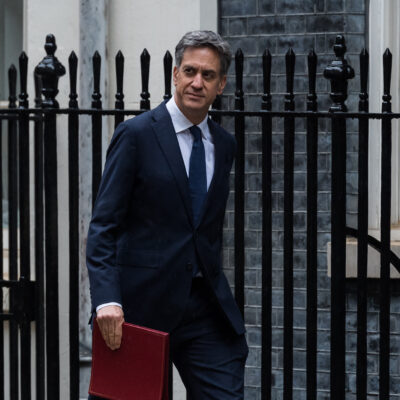
U.K. Foreign Secretary Ed Miliband announces sanctions against Israeli settlements

GULF COMEBACK
Marcy Grossman returns to Abu Dhabi to lead AJC’s Gulf diplomacy
Please log in if you already have a subscription, or subscribe to access the latest updates.
 Continue with Google
 Continue with Apple