

























At Davos 2026, much change — but Shabbat dinner remains
More than 2,500 attendees will arrive in Davos in the coming days for the annual gathering, which begins Monday
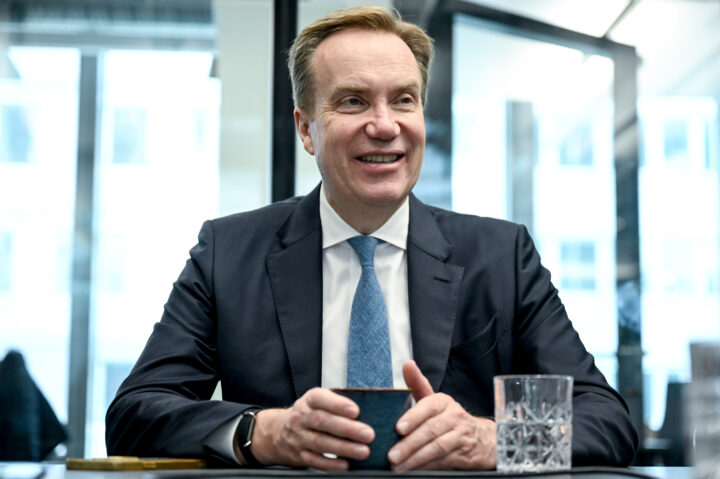
Britta Pedersen/picture alliance via Getty Images
Børge Brende, president of the World Economic Forum, speaks in a dpa interview.


 Add JewishInsider on Google
The World Economic Forum kicks off in Davos, Switzerland, on Monday, with topics set to address a world that has been much changed since the last gathering a year ago. For one thing, founder Klaus Schwab will no longer be front and center, following his departure as WEF chair last spring; instead, attendees will hear from WEF President and CEO Børge Brende, WEF co-chairs André Hoffmann and Laurence Fink, and Swiss President Guy Parmelin when the first plenary convenes on Tuesday morning.
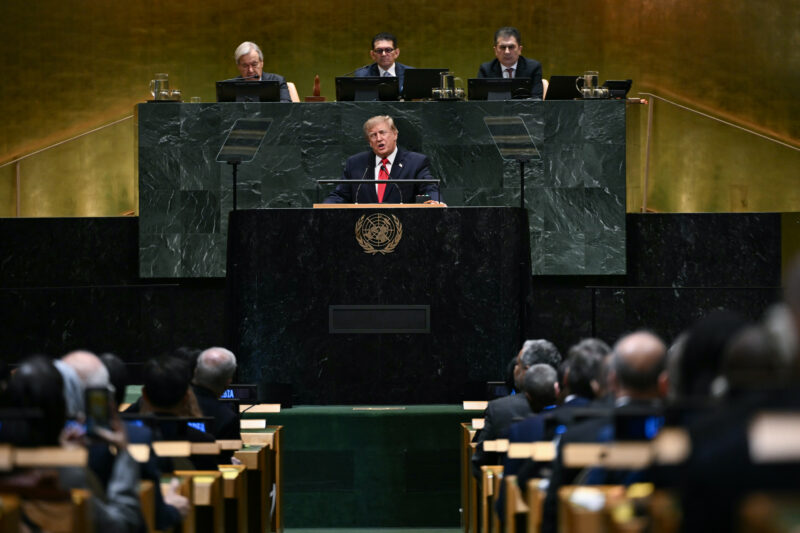
Marking a shift from the Biden administration, during which only senior White House officials attended the forum, President Donald Trump will travel to Davos, where he is slated to speak on Wednesday afternoon local time. Joining Trump is a delegation that includes White House Special Envoy Steve Witkoff, Treasury Secretary Scott Bessent, Commerce Secretary Howard Lutnick, Energy Secretary Chris Wright and AI and crypto czar David Sacks.
This year’s summit theme, “A Spirit of Dialogue,” will be felt as much on the sidelines as in the official sessions. While at Davos, Trump is expected to chair the first meeting of the Gaza Board of Peace — which is tasked with temporarily governing Gaza after Hamas — and make an additional announcement about the group.
The Trump administration has not yet specified how many members the Board of Peace might include, nor have any individuals been named. However, reports have indicated that Nickolay Mladenov, a former U.N. Middle East envoy, who is expected to run the board’s operations on the ground, is likely to tap people from the private sector and NGOs. Other names that have been floated around as potential members include UK Prime Minister Keir Starmer and Turkish President Recep Erdogan.
The group will ultimately be tasked with overseeing a 15-member Palestinian technocratic governing body in Gaza, led by Ali Shaath, a former deputy minister in the Western-backed Palestinian Authority who oversaw the development of industrial zones, according to a joint statement by Egypt, Qatar and Turkey.
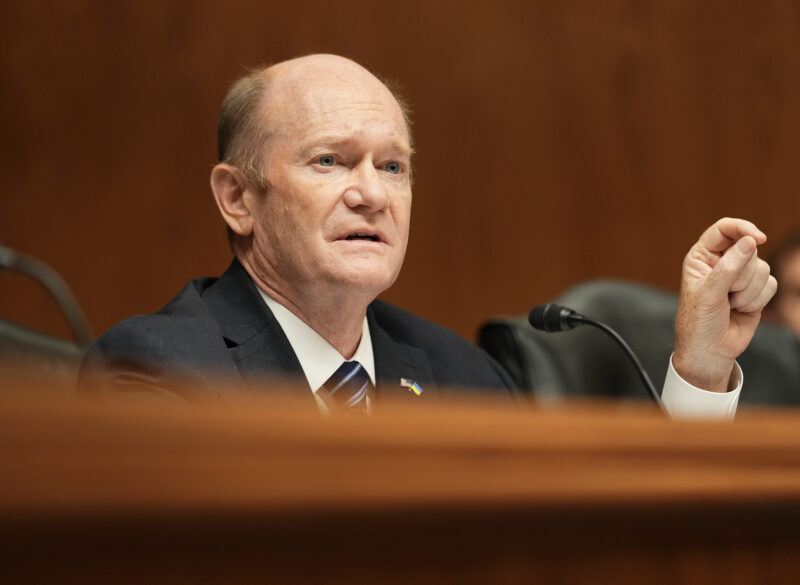
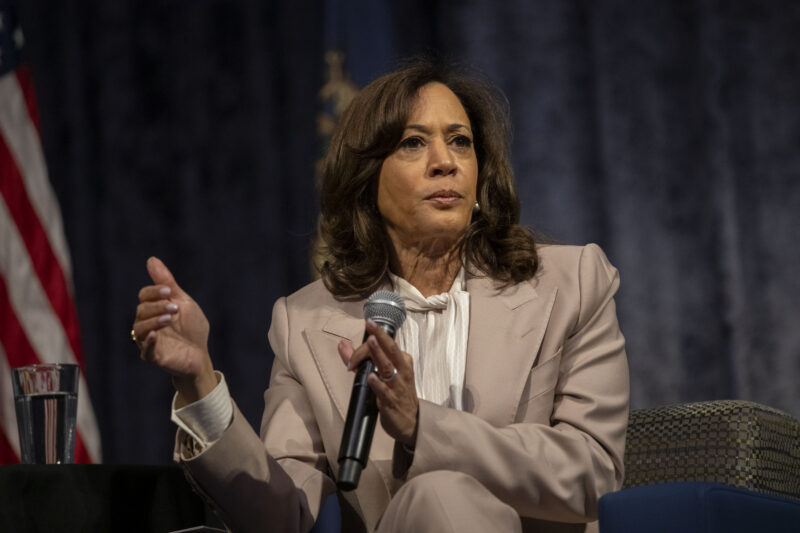
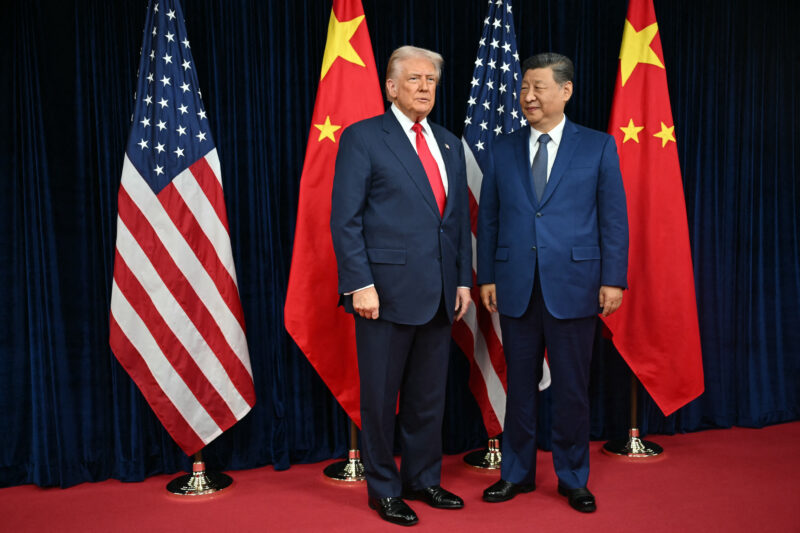
Sens. Chris Coons (D-DE), who this week is leading a delegation to Denmark as the U.S. engages with Copenhagen over Greenland, will travel on to Davos with some of the delegation’s members. He’s slated to participate in two panels on Wednesday — one on global aid, and a second on the U.S.-China relationship.
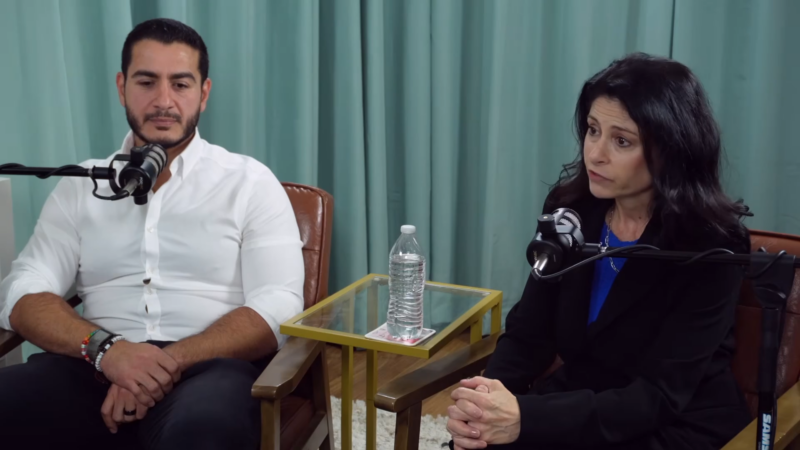
The legislators will be joined by Govs. Gretchen Whitmer of Michigan, Andy Beshear of Kentucky and Kevin Stitt of Oklahoma, who are speaking on a panel about state governance. Beshear is also slated to speak on another panel focused on middle-class economics.
Israeli President Isaac Herzog will again participate in the forum, this year speaking in conversation with CNN’s Fareed Zakaria on Thursday morning. German Chancellor Friedrich Merz will also speak Thursday morning, days after he made headlines for saying that the Iranian regime is “in its final days and weeks.”
More than a dozen countries — including the U.S., Qatar and Saudi Arabia — will open pavilions in Davos. This will mark Riyadh’s second time opening a pavilion, part of Saudi Crown Prince Mohammed bin Salman’s effort to showcase the Gulf country’s Vision 2030 plan. The Invest Qatar Pavilion will host a series of events over the course of the week, largely focused on finance and innovation.
Israel won’t have a pavilion this year — but efforts are already underway for an Israel House pavilion at next year’s WEF, though the pavilion, unlike some others, won’t be an official pavilion backed by the Israeli government.
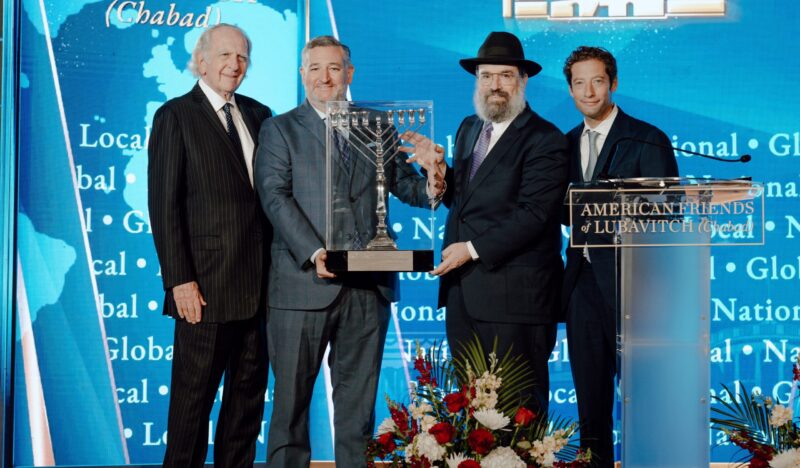
Some attendees will depart Davos on Friday following the conclusion of official events, but others will stay for the annual Shabbat dinner, attended by a who’s who of Jewish — and non-Jewish — guests.
“When it comes to Shabbos, it’s at the end of a week of intense meetings and networking and business,” Rabbi Avraham Berkowitz, who for years has been involved in the planning for the annual dinner, told JI in 2023. “So then people come to the last important meal: It’s spiritual, it’s purposeful, it’s Yiddishkeit.”
Jewish Insider Washington reporter Matthew Shea contributed to this report.
More Stories
CITY HALL CRITICISM
Mamdani’s Oct. 7 statement assailing ‘genocide in Gaza’ provokes outrage from Jewish groups
HATE MAIL
Son of GOP challenger to Gov. Wes Moore called Jews ‘pedophiles’ and ‘Satan worshipping scum’
CAMPAIGN BLITZ
AIPAC’s super PAC wades into Michigan Senate race
EXCLUSIVE
Lawmakers call for Congress to mandate creation of Pentagon hate symbols policy

Daylight Between Them
Trump, Cotton feud over daylight saving time legislation

IN THE CROSSHAIRS
Posters target University of Oregon Hillel executive director as ‘enemy of the people’
Please log in if you already have a subscription, or subscribe to access the latest updates.
 Continue with Google
 Continue with Apple