










































U.S. pushes Israel to deliver victory as Netanyahu prepares for Gaza City offensive
Jerusalem finds itself facing calls both at home and abroad against further entrenchment in Gaza

MENAHEM KAHANA/AFP via Getty Images
An Israeli army soldier stands atop the turret of a Merkava main battle tank next to another soldier while positioned near military vehicles along the border with the Gaza Strip in southern Israel on September 2, 2025.


 Add JewishInsider on Google
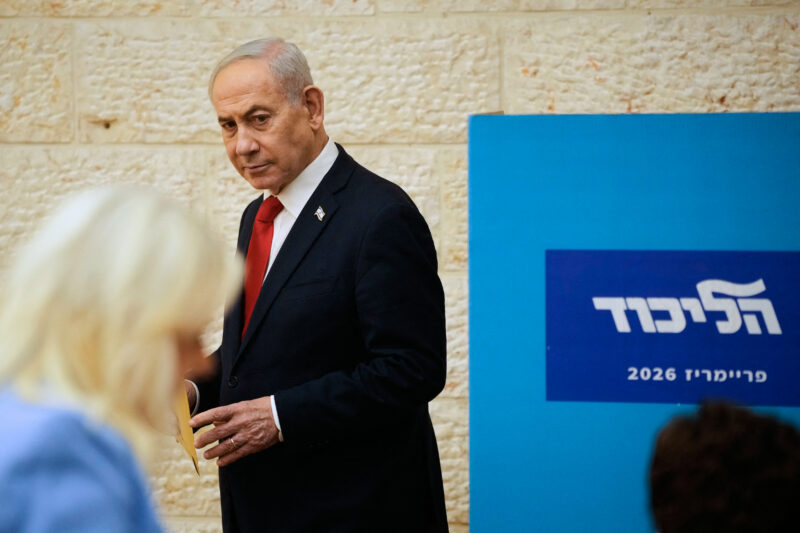
As Israel calls up tens of thousands of reservists ahead of a planned takeover of Gaza City and rejects ceasefire proposals that fall short of a comprehensive deal to end the war and release all of the hostages, Jerusalem finds itself facing calls both at home and abroad against further entrenchment in Gaza.
At the same time, Israeli Prime Minister Benjamin Netanyahu is facing pressure from Washington to end the war — with a decisive victory over Hamas.
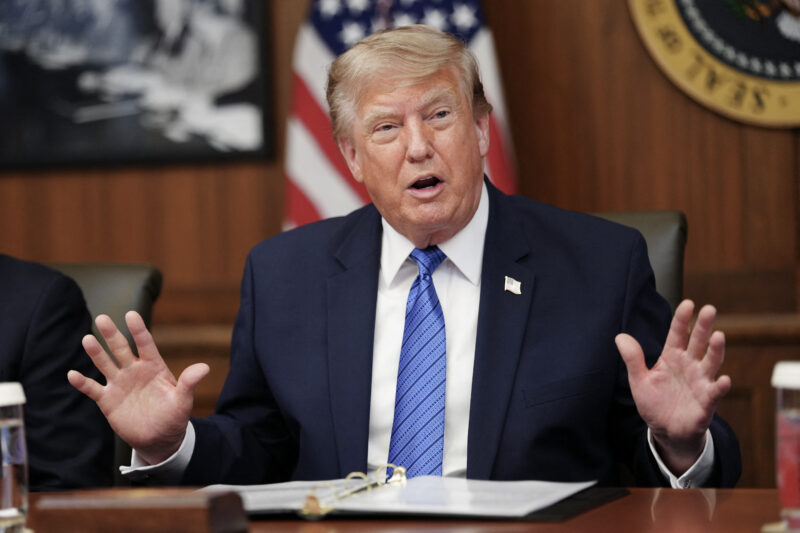
President Donald Trump signaled his growing weariness with a protracted war in an exchange with The Daily Caller, published earlier this week, in which he said Israel is “gonna have to get that war over with,” noting that Israel “may be winning the war, but they’re not winning the world of public relations.” Netanyahu said at his weekly Cabinet meeting on Sunday that Trump had instructed Israel to go into Gaza City with “full force.”
Days earlier, the president held a White House meeting that included Jared Kushner and former U.K. Prime Minister Tony Blair to discuss a “day-after” plan for the Gaza Strip. Israeli Strategic Affairs Minister Ron Dermer scrapped a planned meeting with World Food Program head Cindy McCain to fly to Washington for consultations.
Taken together, Trump’s comments and last week’s gathering underscore the president’s dwindling patience with the ongoing war — concerns that have been highlighted in Israeli media reports in recent days.
Israel’s Channel 12 reported over the weekend that Trump, frustrated by Hamas’ intransigence, is pushing Netanyahu to move more quickly to decisively defeat Hamas. That could pose a challenge for Israel, which has not been able to declare “total victory” against Hamas in nearly two years but now faces White House pressure to end the war in a short amount of time — “perhaps even within two weeks,” according to Channel 12.
It remains unclear whether Israel is fully prepared for an incursion into Gaza City — the IDF announced on Wednesday that it will work in the coming weeks “to strengthen operational readiness in the Gaza Strip” — or is threatening the move as a negotiating tactic to push Hamas to accept a comprehensive deal, after the Prime Minister’s Office conveyed that it would not accept a partial agreement that doesn’t result in the release of all of the remaining hostages.
Following the collapse of talks over the summer, Washington had reportedly been frustrated not only with Hamas but with Qatar, which presented a rosier-than-reality picture of the talks. Those frustrations shifted the White House’s calculus and boosted support for Netanyahu’s approach to Gaza.
“We will only see the return of the remaining hostages when Hamas is confronted and destroyed!!! The sooner this takes place, the better the chances of success will be,” Trump wrote on his Truth Social site last month.
Fresh off its successful resolution of the decades-long conflict between Armenia and Azerbaijan, the Trump administration is looking to score another win on the global stage. Following last month’s summit in Alaska aimed, unsuccessfully, at ending the Russia-Ukraine war, a wind-down of the Israel-Hamas war would give the White House a diplomatic victory, as well as say in Gaza reconstruction efforts.
For now, Israel and the U.S. appear to be largely speaking in tandem, with a shared vision for the future of Gaza. But if Israel fails to achieve “total victory” on Trump’s truncated timeline, Jerusalem and Washington could be headed on a collision course.
More Stories
RIPPING ON RIYADH
Trump’s pick for Saudi ambassador once suggested kingdom is not a ‘true ally’

WINDY CITY WEDGE
Chicago Mayor Brandon Johnson targets top Jewish Democratic donor amid rocky road to reelection

Q&A
Fatema Al Harbi on joining Noa Tishby’s campus tour to combat extremism in the Middle East
SCOOP
El-Sayed met with Temple Israel rabbis in closed-door sit-down
Holding firm
Suozzi says he won’t bend on Israel as Democratic colleagues shift
Daily Kickoff
El-Sayed, behind closed shul doors
Please log in if you already have a subscription, or subscribe to access the latest updates.
 Continue with Google
 Continue with Apple