









































Pro-Israel groups go from offense to defense ahead of the midterms
The political environment appears somewhat choppier in the Jewish world, amid growing anti-Israel sentiment in the Democratic Party, an anti-establishment, transgressive mood in both parties and the reticence of moderate voices to speak up

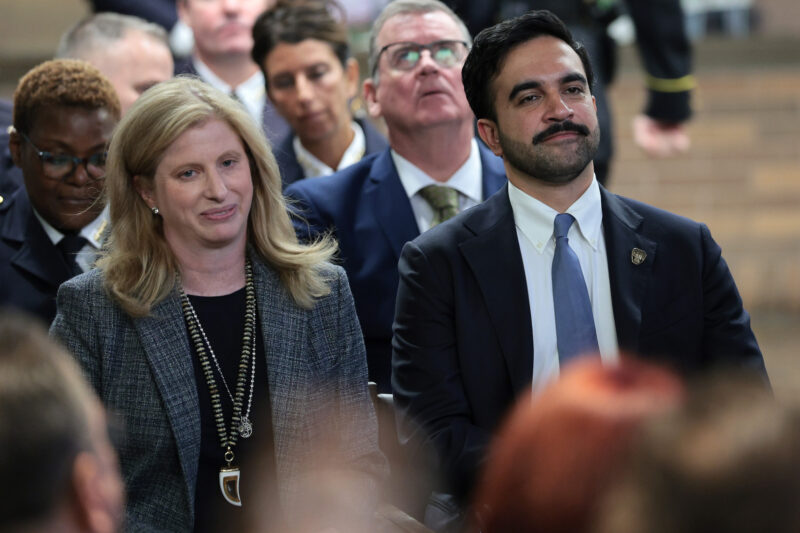
Michael B. Thomas/Getty Images)
St. Louis County Prosecutor Wesley Bell gives remarks during the Ferguson mayoral inauguration ceremony for Ella James at the Urban League Empowerment Center on June 17, 2020 in Ferguson, Missouri.


 Add JewishInsider on Google
Last year’s election cycle marked a high point for pro-Israel groups, buoyed by the ouster of two virulently anti-Israel House Democrats (former Reps. Cori Bush of Missouri and Jamaal Bowman in New York), the defeat of a House Republican who opposed funding to Israel (former Rep. Bob Good of Virginia) and the success of mainstream Democrats in numerous contested primaries.
But the political environment for next year’s midterms is looking somewhat choppier in the Jewish world, amid growing anti-Israel sentiment in the Democratic Party, an anti-establishment, transgressive mood in both parties and the reticence of moderate voices to speak up.
In this less hospitable landscape, pro-Israel groups will be playing more defense than offense — ensuring like-minded incumbents are able to avert serious primary challenges, while working to prevent virulently anti-Israel voices from emerging as nominees in key races.
One of the biggest potential showdowns is developing in St. Louis, where Rep. Wesley Bell (D-MO) faces the prospect of a rematch against Bush, whom he comfortably defeated by six points in last year’s primary. With the benefit of incumbency, Bell would be favored in any rematch, but he is facing an organized campaign by anti-Israel protesters who disrupted his recent town hall after he returned from a trip to the Jewish state.
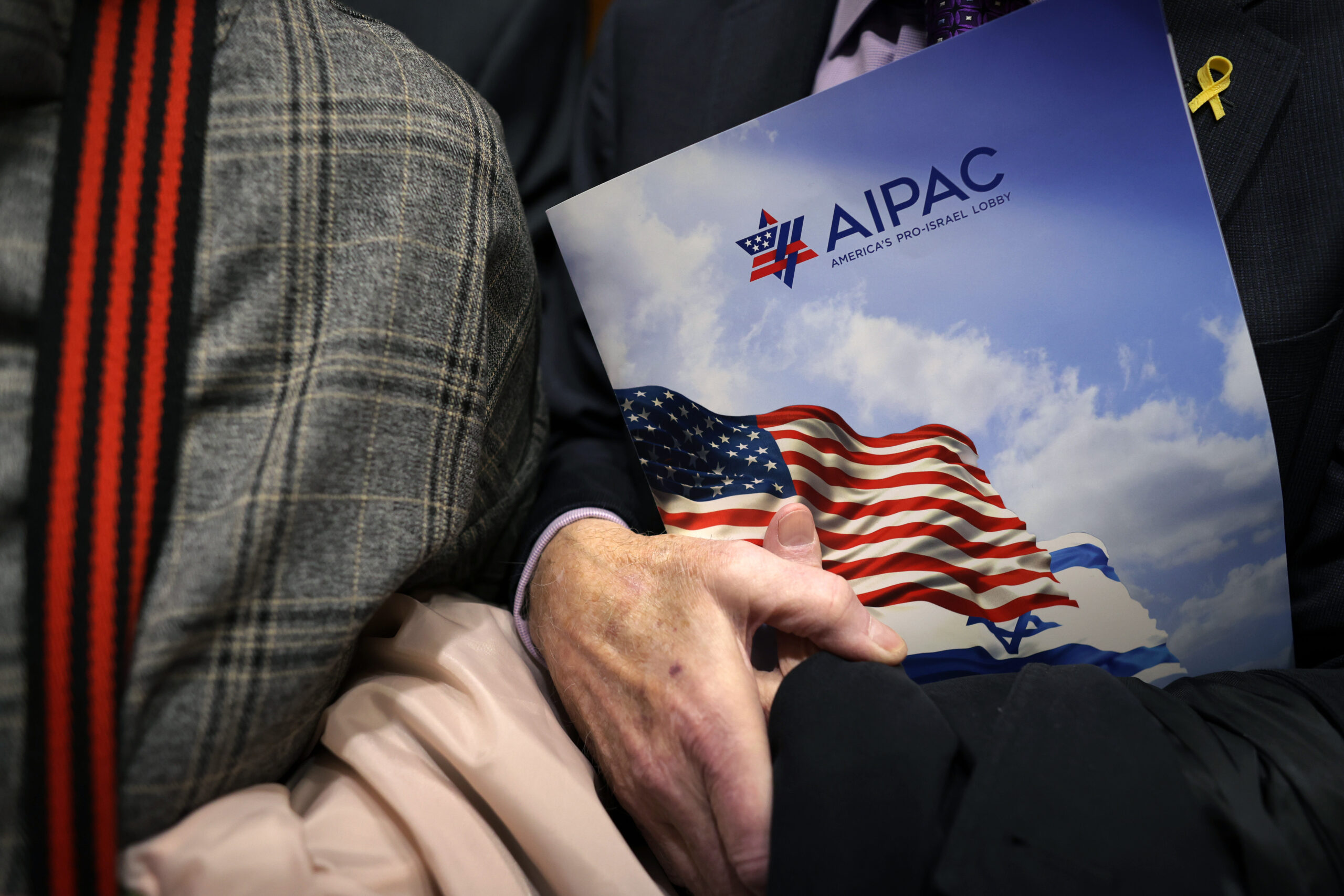
AIPAC’s super PAC spent over $8 million against Bush in the 2024 race, and would be expected to prioritize Bell’s reelection as a top priority if she ran again. Bush, for all her celebrity in leftist spaces, has numerous vulnerabilities that haven’t gone away since her last defeat — from her calls to defund the police, lackadaisical constituent service and ethical improprieties involving the use of campaign funds in paying her husband to provide personal security.
Still, in a sign that advocating against Israel can get far-left candidates some traction in deep-blue districts, a Bush comeback will be worth monitoring closely. Indeed, any pro-Israel Democrat running in an urban district with a distinct progressive bent will have to pay attention to any real or prospective primary challenges.
Rep. Brad Sherman (D-CA), one of the most stalwart pro-Israel Democrats, is already facing two primary challengers running to his left. And while neither has made Israel a major part of their platform, neither challenger shares the incumbent’s long-standing support for the Jewish state. (Sherman’s district is solidly Democratic, but also heavily Jewish, making his Israel advocacy a political asset.)
Rep. Dan Goldman (D-NY), representing a Lower Manhattan district that Zohran Mamdani comfortably carried in the New York City mayoral primary, will have to be attuned to any challengers on his left. Goldman has done an effective job of locking down his seat since first winning with just 26% in a crowded 2022 primary. But he could face a credible threat from Comptroller Brad Lander, a Mamdani ally who finished third in the city’s Democratic mayoral primary.
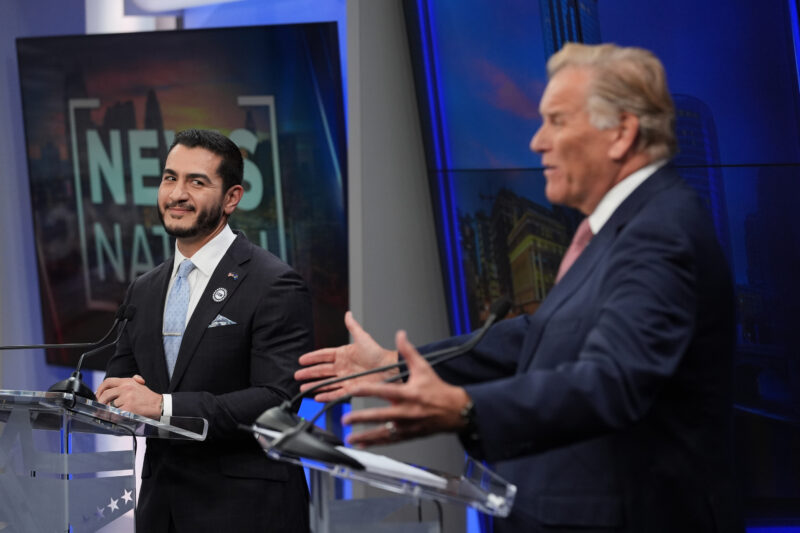
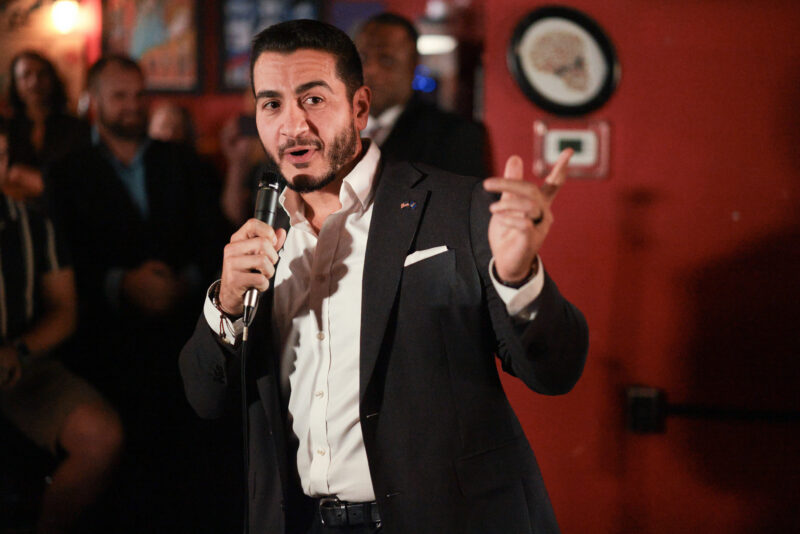
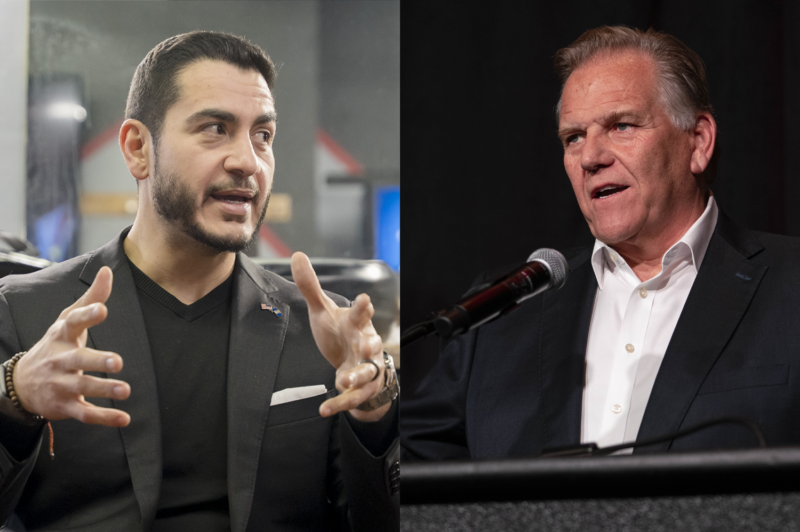
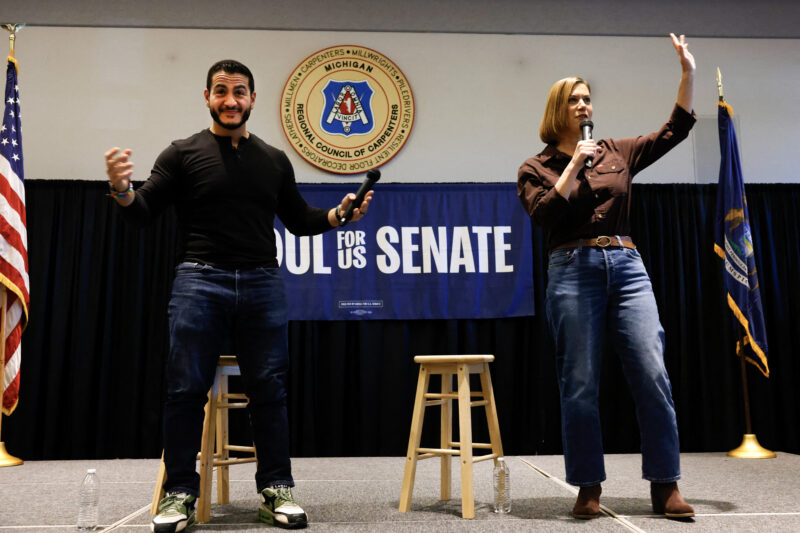
Other contests Jewish groups are watching warily include the Michigan Democratic Senate primary, where Sen. Bernie Sanders (I-VT) has been rallying support for anti-Israel candidate Abdul el-Sayed, as many party leaders have rallied around the mainstream Rep. Haley Stevens (D-MI), a strong pro-Israel ally.
Pro-Israel groups are also concerned about the candidacy of Graham Platner in the Maine Senate race against Sen. Susan Collins (R-ME), whose reelection would become an even bigger priority if he emerged as the Democratic challenger.
As notable in assessing the political environment are the primaries we’re not talking about. The original members of the anti-Israel “Squad” — Reps. Ilhan Omar (D-MN), Rashida Tlaib (D-MI) and Summer Lee (D-PA) — aren’t currently facing serious primary opposition even though they’ve been vulnerable in past elections.
It’s a clear sign that this will be an election cycle focused on protecting hard-fought gains more than one where pro-Israel groups have the luxury to challenge the remaining worst offenders.
More Stories
HILLTOP FORECAST
Democratic foreign policy veterans preview party’s shifts on Middle East policy
ON DEFENSE
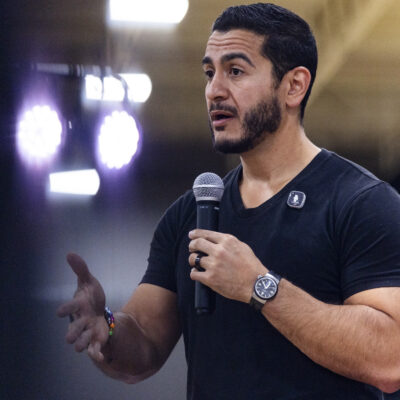
El-Sayed dismisses half-sister’s comments about family’s Muslim Brotherhood ties as ‘hearsay’

Daily Overtime
Syria’s new textbooks demonize Jews, report finds
meeting minutes
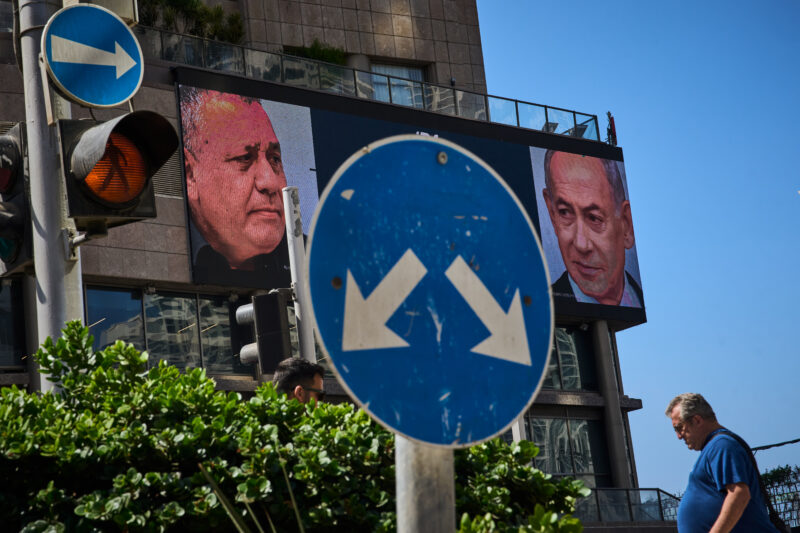
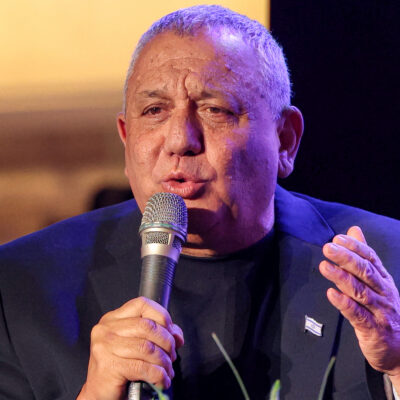
Huckabee met secretly with Netanyahu’s top rival, Gadi Eisenkot

AID ARGUMENTS
Michael Oren, Jonathan Schanzer split over when Israel should move past U.S. aid
PIKER PROBLEM
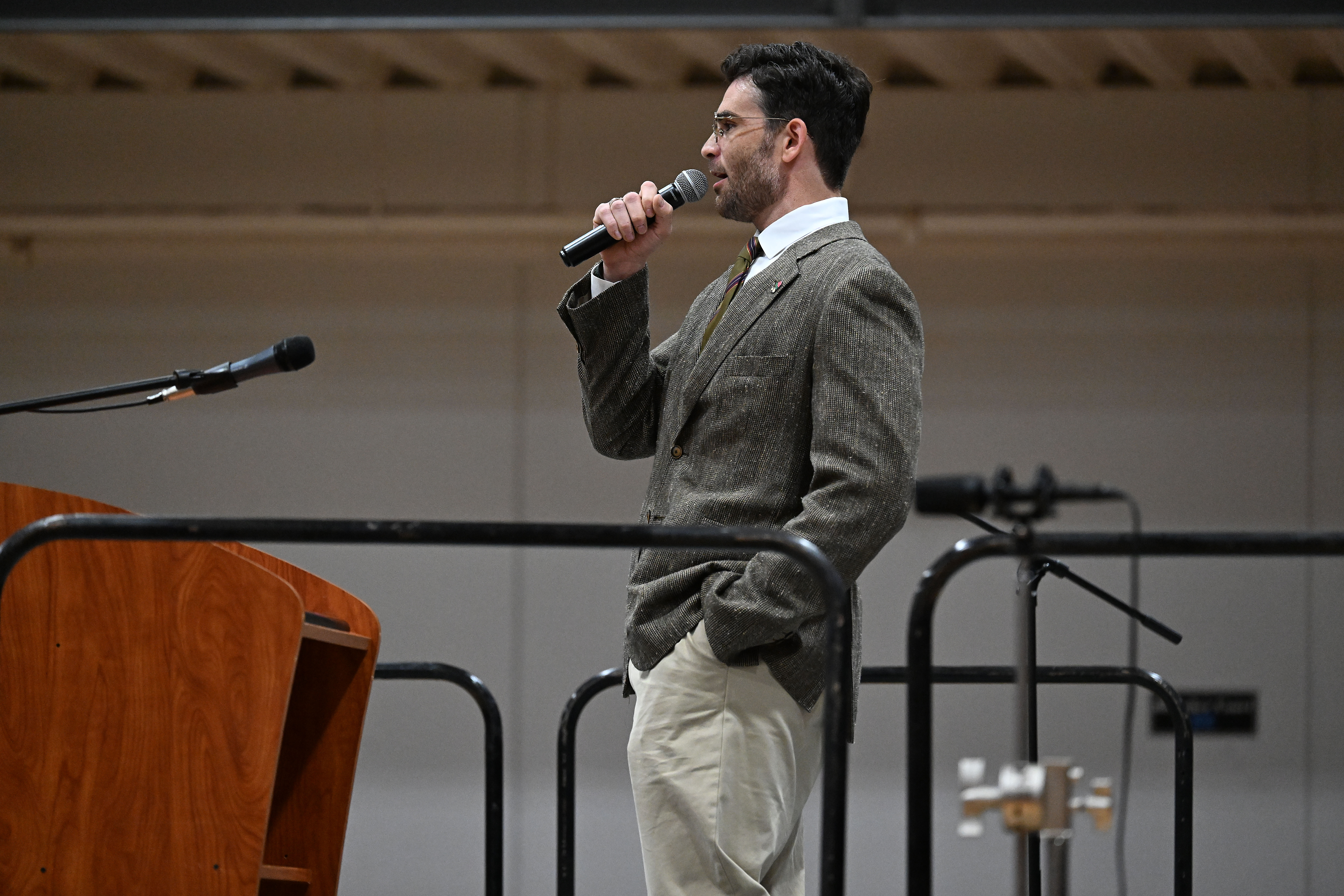
Hasan Piker event in Minnesota with Ilhan Omar faces growing backlash
Please log in if you already have a subscription, or subscribe to access the latest updates.
 Continue with Google
 Continue with Apple