














































Abraham Accords Caucus discusses Hormuz, global energy crisis
Reps. Brad Schneider and Craig Goldman raised ideas for how Congress could assist, including diversifying energy routes
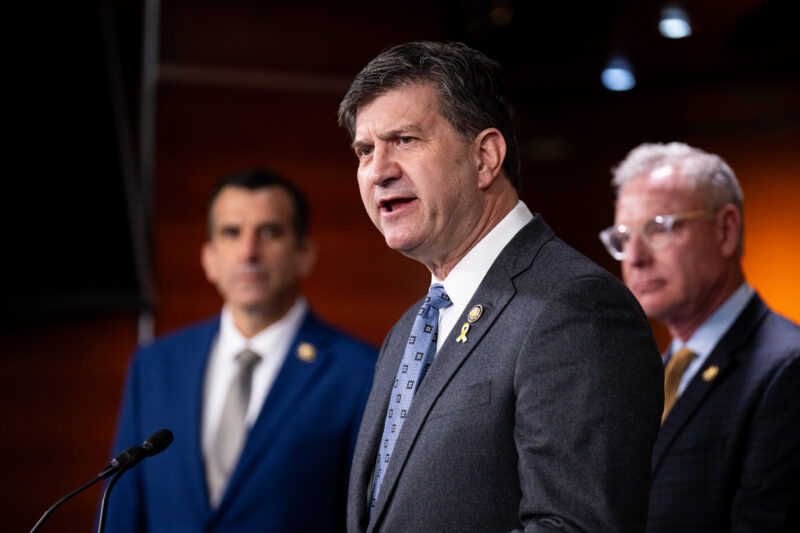
Bill Clark/CQ Roll Call
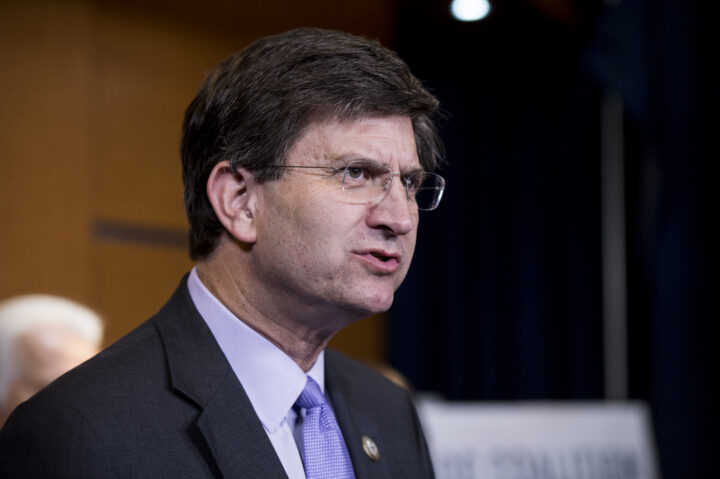
Rep. Brad Schneider (D-IL)


 Add JewishInsider on Google
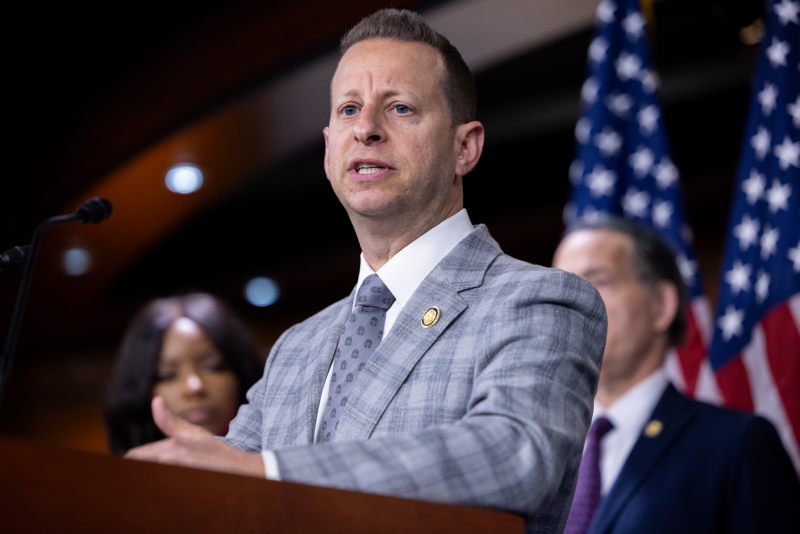
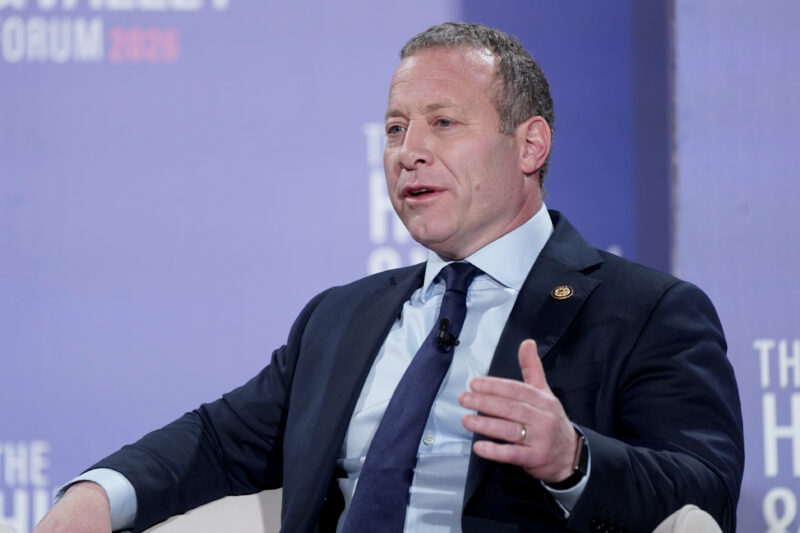
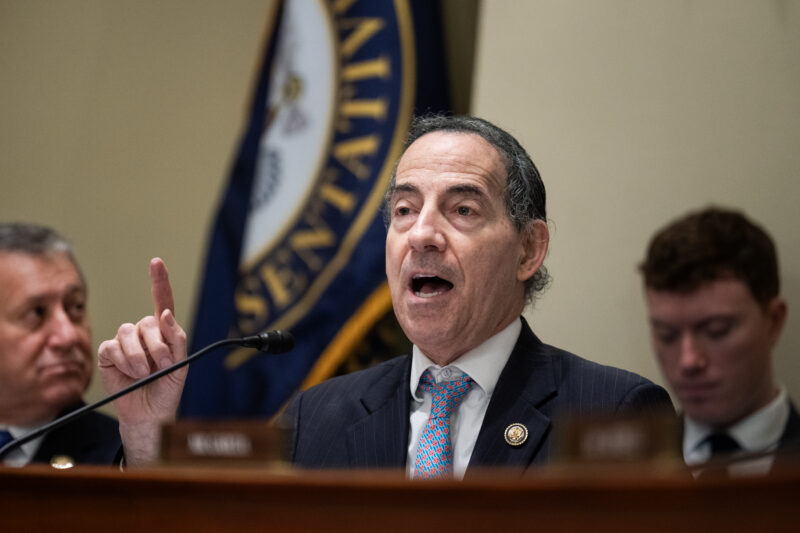
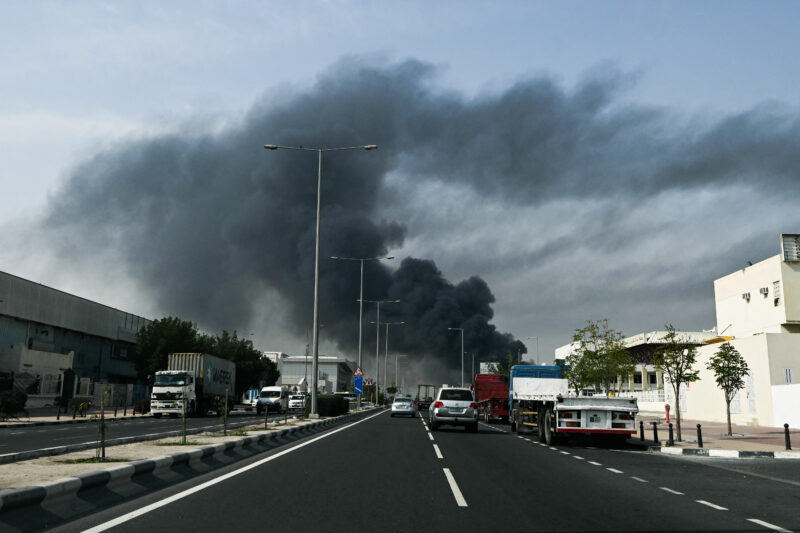
Reps. Brad Schneider (D-IL) and Craig Goldman (R-TX), co-chairs of the Abraham Accords Caucus, convened on Thursday with former U.S. Ambassador to Jordan Yael Lempert and Karen Young, a senior fellow at the Middle East Institute, to discuss the global energy crisis stemming from the closure of the Strait of Hormuz.
Schneider in a statement after the event, highlighted rising gas prices, utility bills and inflation as a result of the global developments.
“I teamed up with my Republican colleague Rep. Craig Goldman to talk through what Congress can do about it, including diversifying energy routes, deepening regional integration, and building a more interconnected and stable Middle East,” Schneider said.
Goldman told reporters after the event that “no one wants to be in this situation, I think everybody wants this conflict [with Iran] to end sooner rather than later. No one’s happy.” But he said that if the U.S. is able to bring stability and reformed leadership in Iran, it will have transformative effects for the region.
“With this more stabilized Iran, with a regime or leader in there who we can actually have a discussion with, negotiation with, when we see that the Iranian people have the freedoms that we enjoy over here in the United States, I think we will see more nations join the Abraham Accords,” Goldman said.
He said he had been told by representatives of other countries in the region that they would normalize relations with Israel “tomorrow” if they did not think it would produce backlash in the region. “It all starts with a stabilized Iran.”
Goldman acknowledged, however, that there remain competing power centers inside Iran, and that some remain unwilling to compromise.
“I think we’re at the point where no one can predict the future, but we certainly want a leader in Iran that we can negotiate with and deal with to bring stability to the region,” Goldman said.
Asked whether he sees ways for the U.S. and its partners to leverage the Abraham Accords to move products currently impacted by the closure of the Strait of Hormuz to global markets, Goldman deferred to the State Department.
More Stories

A FATHER'S LOVE
After son’s remains returned from Gaza, Ruby Chen continues his fight in Washington and beyond
OCEAN STATE OF PLAY
Antisemitism roils Providence mayoral race

BOOKSHELF
New book ‘In the War Room’ offers candid look at Netanyahu’s wartime decisionmaking
analysis
Pappas wins New Hampshire Senate nomination over anti-Israel Dem activist

SAFETY SURGE
Hochul announces security funding, enhanced police presence ahead of High Holy Days
Daily Overtime
Vance’s Jewish voter problem
Please log in if you already have a subscription, or subscribe to access the latest updates.
 Continue with Google
 Continue with Apple