
























The socialist surge’s next frontier: Michigan and the swing states
Is the rise of socialism primarily a product of urban angst and college-age naivete, or does it have staying power beyond the most-progressive precincts in the country?
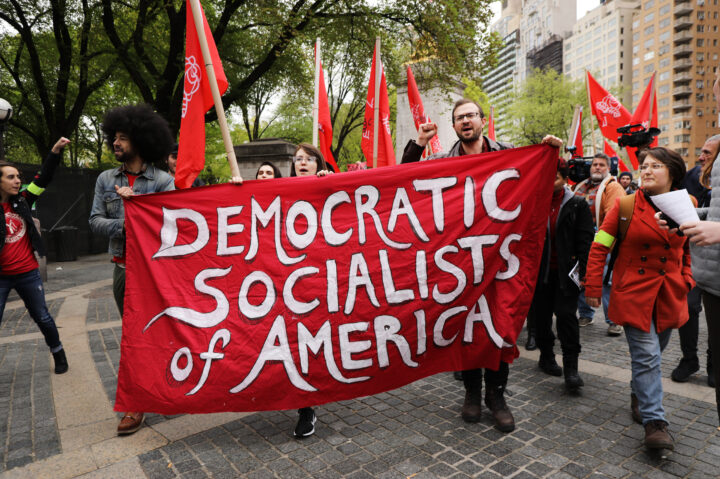
Spencer Platt/Getty Images
Members of the Democratic Socialists of America May 01, 2019 in New York City.


 Add JewishInsider on Google
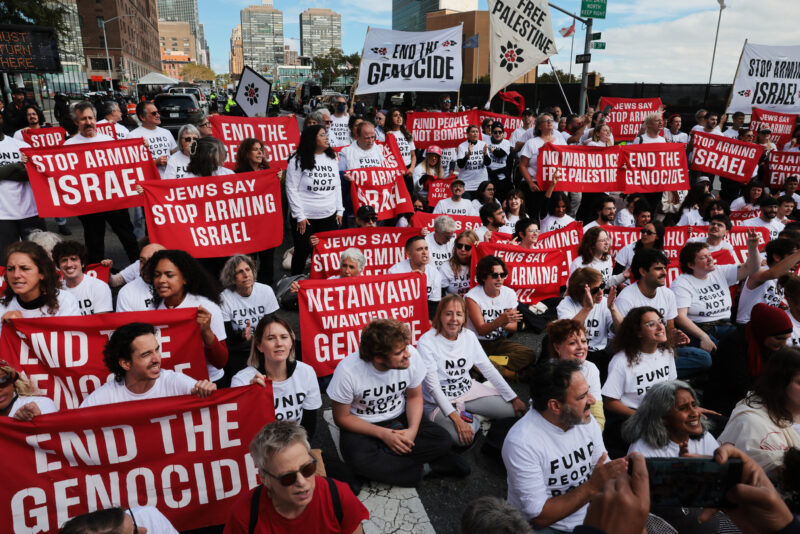
There’s little doubt that socialism is on the march within the Democratic Party after the latest primaries, with extreme candidates who would have been dismissed as nonviable prevailing in numerous congressional primaries and mayoral contests from coast to coast.
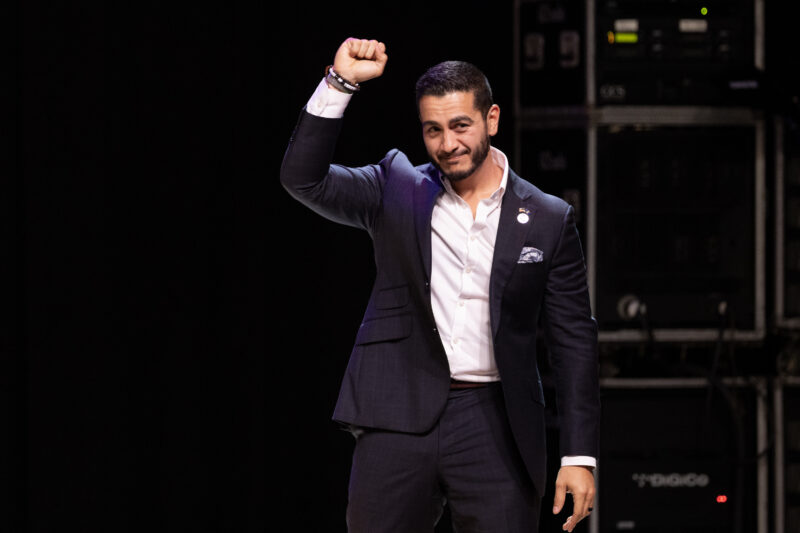
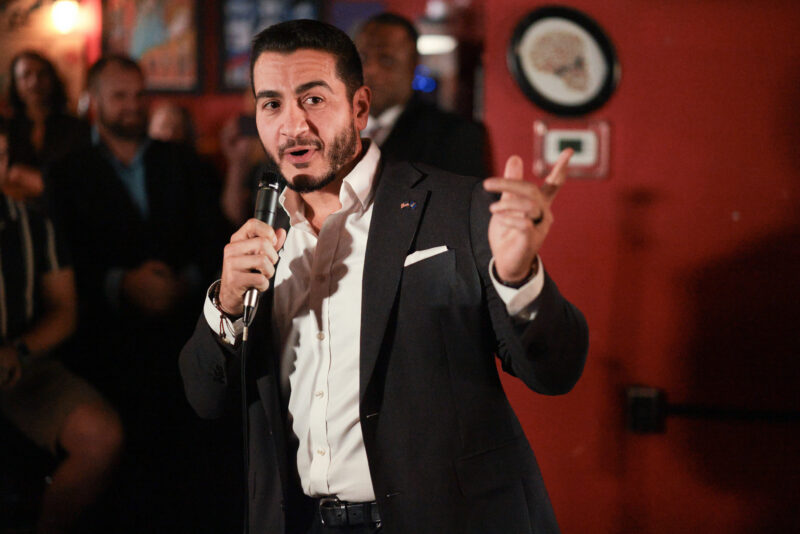
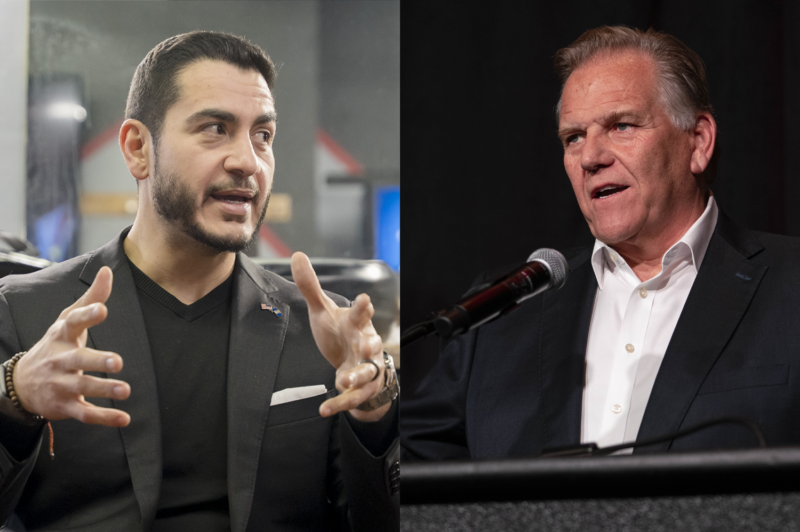
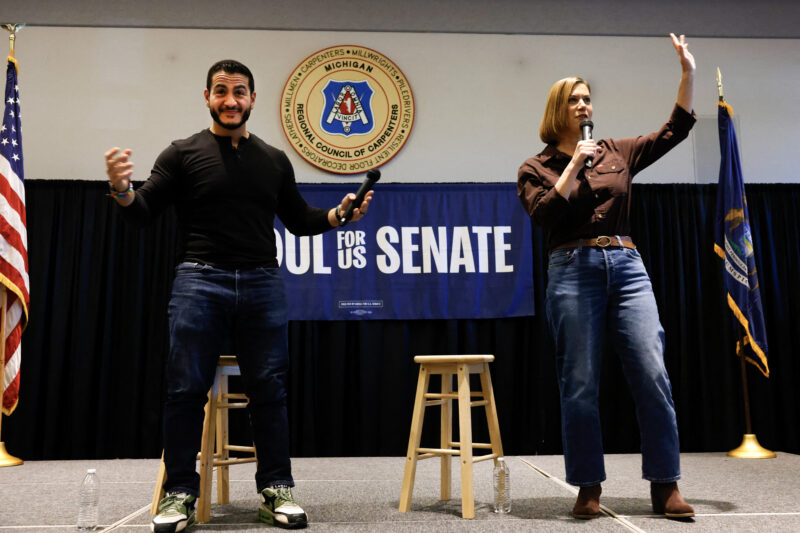
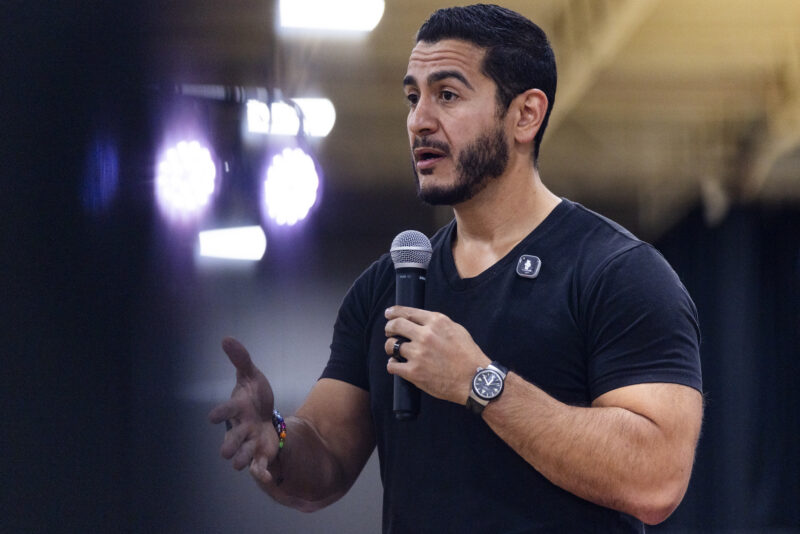
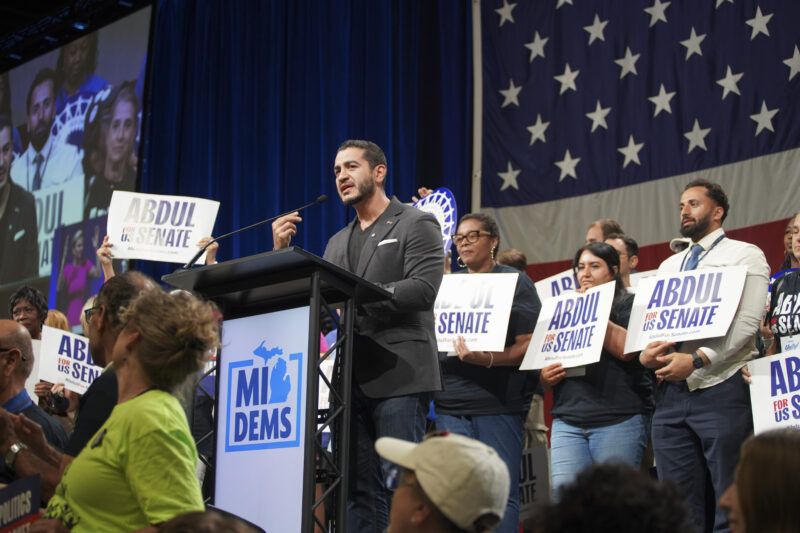
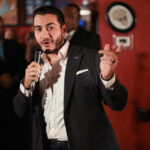
Factor in the political resilience of far-left Maine Senate nominee Graham Platner despite numerous scandals and the momentum of anti-Israel Senate candidate Abdul El-Sayed in a contested Michigan primary despite facing well-funded opposition, and there’s the potential of radicals toppling mainstream candidates well outside the deep-blue confines of major urban centers.
Ultimately, that’s a major question looming for the Democratic Party’s future — and the health of our democracy. Is the rise of socialism primarily a product of urban angst and college-age naivete, or does it have staying power beyond the most-progressive precincts in the country? Can left-wing candidates prevail in swing districts, far away from the urban progressive centers that make up its base? Or will they end up being more of a noisy but powerless faction in Congress?
Either way, socialist candidates have gone from a curiosity that rarely won any congressional seats to riding a Democratic Socialists of America-organized grassroots wave that now has to be reckoned with. You could count the number of Squad members on one hand when Rep. Alexandria Ocasio Cortez (D-NY) and her like-minded allies were first elected in 2018 and 2020. Now their representation is poised to double from its previous peak — and AOC now counts as downright pragmatic, compared to several of her soon-to-be-colleagues.
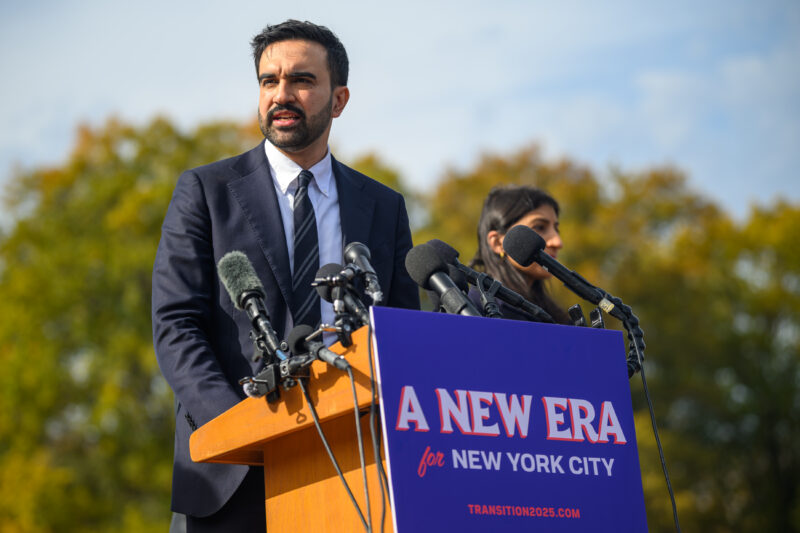
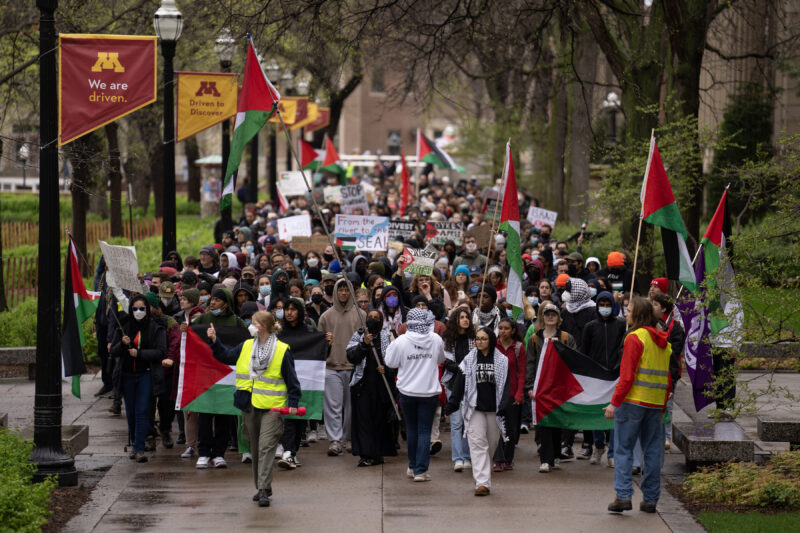
So far, nearly all of the major victories from the far-left candidates are in the most left-wing constituencies in the country — in big cities and college towns. We first saw the socialist stirrings last year in three prominent mayoral races: New York City, Seattle and St. Paul, Minn., and flagged the three contests as an early bellwether of socialism’s standing in the party. The socialist candidates won two out of three contests, led by New York City Mayor Zohran Mamdani’s shocking success against far more established and mainstream Democratic Party leaders.
Mamdani’s out-of-nowhere victory fueled the rise of like-minded anti-Israel, DSA-aligned candidates, proving that radical records weren’t necessarily an obstacle to success in Democratic primaries. The DSA-endorsed Chris Rabb’s primary victory in a Philadelphia congressional district in May was at the leading edge of how far-left candidates were making inroads with Black voters who have typically been skeptical of ideologically driven campaigns.
Even more shocking was the nomination of Adam Hamawy in a largely urban New Jersey district with a large Jewish population. Hamawy was a former associate of the Blind Sheikh, Omar Abdel-Rahman, and previously held ties with Islamist extremist groups. Not only did he prevail with a plurality in the crowded race, but many of his Democratic opponents didn’t bring up his obvious vulnerabilities.
The commanding victory of Janeese Lewis George, a socialist candidate in the D.C. mayoral primary, and Mamdani’s ouster of two well-respected New York City Democratic leaders in Congress (Reps. Dan Goldman and Adriano Espaillat) — in no small part over their support for Israel — was the capstone to the tidal wave occurring in Democratic Party, at least in the urban centers that make up its geographical base.
It’s also worth noting that while more-competitive districts have tended to nominate traditional center-left Democratic candidates, there have been some notable outliers that underscore the rising tide of radicals within the party. Democratic Party leaders had to furiously organize to stop an outright antisemitic candidate, Maureen Galindo, who broadcast deeply disturbing conspiracy theories about Jews, to prevail in a battleground Texas district.
And in New Jersey, partly as an unintended result of AIPAC spending against a more-traditional front-runner, a Bernie Sanders acolyte and left-wing activist (Rep. Analilia Mejia) prevailed in the heart of the state’s wealthy suburbs. Hamawy’s New Jersey district, too, contained many affluent suburban pockets that nonetheless swung in his direction.
These are the signals that raise the possibility that far-left Democratic candidates, like Platner and El-Sayed, can prevail in larger, more ideologically diverse battlegrounds. If neo-Nazi tattoos, anti-American sloganeering and antisemitic signaling doesn’t move the needle for a critical mass of Democratic voters, it’s fair to wonder how much damage they will cause in a general election.
In all too many of these races featuring extreme anti-Israel candidates, Jewish voters — left without any moderate allies — were the only Democratic constituency who swung away from backing the radical Democratic nominee. Mamdani got record-low support from Jewish voters, but it didn’t matter. Mejia badly underperformed her moderate Republican challenger in Jewish communities, but it barely made a dent in a Democratic-friendly district.
So, the Michigan Democratic Senate primary in August — featuring Israel-bashing Democrat El-Sayed and Rep. Haley Stevens (D-MI), a long-standing ally to the Jewish community — is ultimately the more consequential test of whether this unapologetic brand of socialism can find political purchase outside its home turf.
If it does — and if Platner prevails in Maine despite his significant baggage — it will serve as a five-alarm fire for American Jews and their place in American society.
More Stories
PHONE A FRIEND
AOC launches campaign blitz for El-Sayed across Michigan
CITY HALL CRITICISM
Mamdani’s Oct. 7 statement assailing ‘genocide in Gaza’ provokes outrage from Jewish groups
DEBATE DEBACLE
El-Sayed dodges Rogers’ attacks on terrorism ties during heated Senate debate
TOEING THE LINE
Menin, Levine call for ‘focus’ on Oct. 7 victims — but don’t condemn Mamdani
CATCHING HEAT
Pro-Israel Democrats blast Mamdani for Oct. 7 anniversary statement

Doha’s Darling
Murphy, Qatar’s ‘reliable ally’ in the Senate, huddles with emir and chief Qatari negotiator in Doha
Please log in if you already have a subscription, or subscribe to access the latest updates.
 Continue with Google
 Continue with Apple