

























Vance and Rubio race to close deals with Iran, Lebanon
Both Vance and Rubio will have their work cut out for them as they navigate the coming weeks
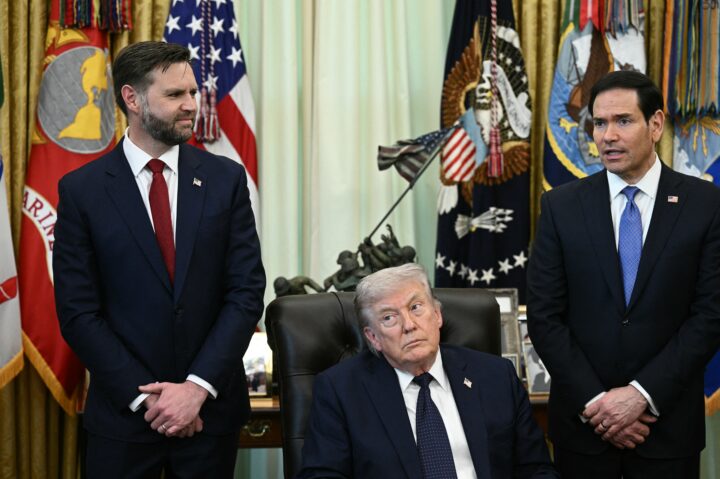
Photo by Brendan SMIALOWSKI / AFP via Getty Images
Vice President JD Vance and President Donald Trump listen to Secretary of State Marco Rubio speak during a meeting with Lebanon Ambassador to the U.S. and Israel Ambassador to the U.S., at the White House in Washington, D.C. on April 23, 2026.


 Add JewishInsider on Google
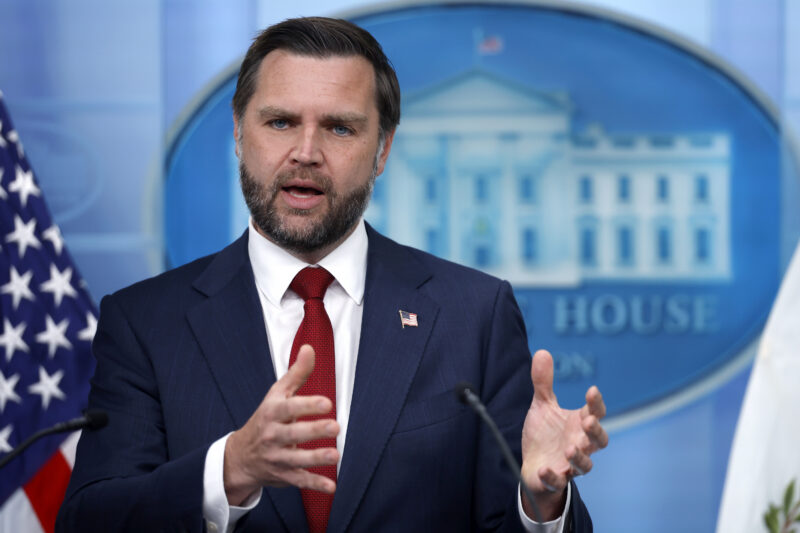
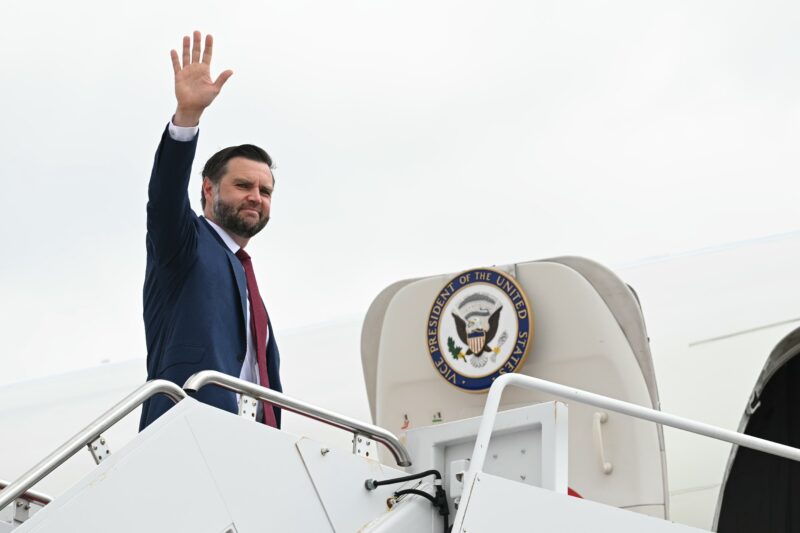
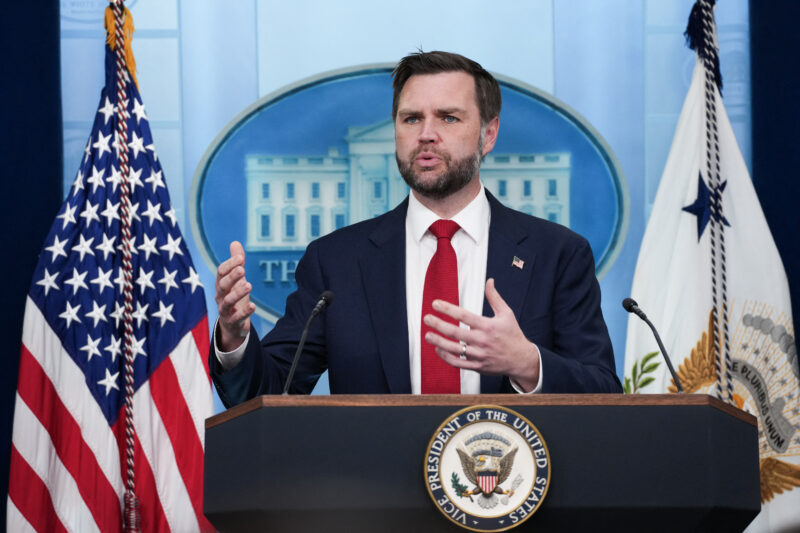
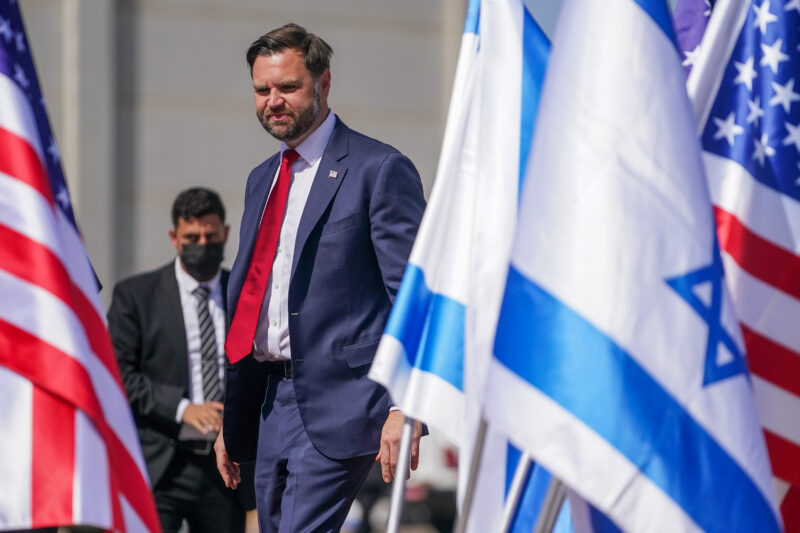
As tensions run high in the Gulf following exchanges of fire between the U.S. and Iran over the weekend, a vastly different security situation is taking shape in Lebanon, with the Trump administration’s top officials — Vice President JD Vance and Secretary of State Marco Rubio — taking responsibility for the respective outcomes.
Vance, who led last week’s negotiations with Iran in Switzerland, said upon his departure from the talks that a “good foundation” had been established between the countries. But that foundation displayed its first cracks just three days later, when Iranian drones fired on a commercial vessel in the Strait of Hormuz, prompting the U.S. to strike Iranian military infrastructure.
The vice president’s tone changed by the weekend, when he said that if Iran had “disagreements about how the MOU is being applied, they can pick up the phone. But violence will be met with violence.” The Iranians skipped technical talks slated for Sunday, saying that the U.S. had not fulfilled the condition of the MOU that would release billions in frozen funds.
Now, officials say that the U.S. and Iranian delegations have agreed to hold fire and will meet in Doha, Qatar, on Tuesday to discuss the status of the Strait of Hormuz.
In Washington, officials are meanwhile celebrating the signing of a framework agreement between Israel and Lebanon that would see Israel scale back its presence in southern Lebanon, creating two “pilot zones” for the Lebanese Armed Forces to administer.
The Foundation for Defense of Democracies’ David Daoud cautioned that the celebration could be premature, telling JI that the fractious nature of Lebanon’s political and religious makeup — as well as Hezbollah’s role in the daily lives of many Lebanese citizens — makes the agreement difficult to implement, even with all the damage the Iranian-backed group has sustained over the last three years.
“Don’t underestimate Hezbollah’s ability to snatch victory from the jaws of defeat,” Daoud said. “I don’t want to overestimate their ability, but this group has proven itself very adaptable over the course of its existence.”
With the agreement signed, the next step will be its implementation. If the LAF is able to administer the pilot zones, there is the possibility of replicating the strategy elsewhere in southern Lebanon. The challenge will be when residents of southern Lebanon — which include Hezbollah members from the area — begin to return to villages south of the Litani River.
In Lebanon, the challenge is not only political will but Beirut’s capacity to address Hezbollah, which is deeply embedded in Lebanese society.
Both Vance and Rubio will have their work cut out for them as they navigate the coming weeks: Vance with continued talks with Iran and the pressure to reopen the Strait of Hormuz, and Rubio with the implementation of an agreement he hailed as the “beginning of the beginning.” Whether they are successful depends more on the actors themselves than the agreements they sign.
More Stories
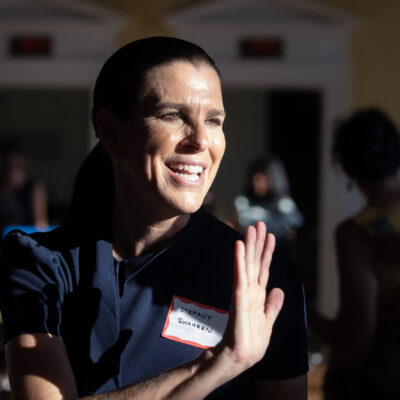
GRANITE GAMBIT
Stefany Shaheen’s anti-AIPAC attacks haven’t boosted her fortunes in New Hampshire

CULTURE CLASH
Sister of Qatar’s emir promotes Venice exhibit depicting ‘bullets in children’ in Gaza
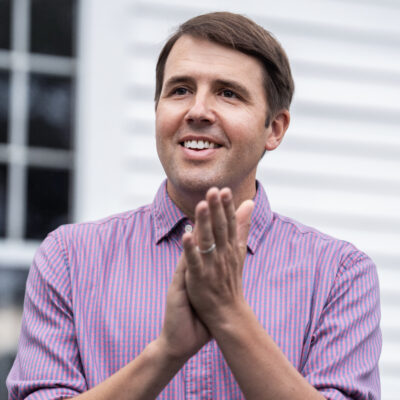
PAPPAS UNDER PRESSURE
Pappas leads, but faces an unexpectedly competitive race in New Hampshire Senate primary

GULF COMEBACK
Marcy Grossman returns to Abu Dhabi to lead AJC’s Gulf diplomacy
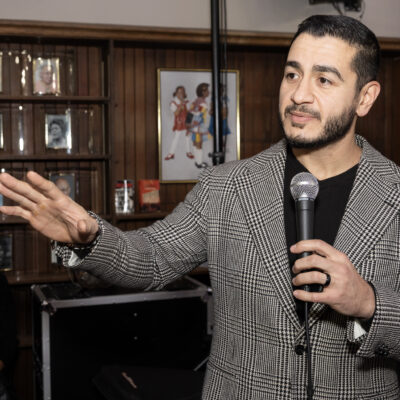
FRIENDLY CONCERN
‘Jews for Abdul’ co-founder acknowledges El-Sayed’s weaknesses with Jewish voters
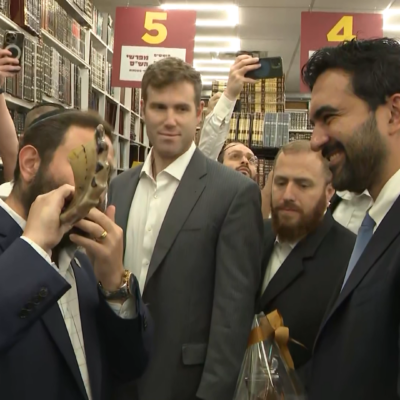
Mamdani’s Mensch
The Chabadnik inside Zohran Mamdani’s ‘people-powered’ office
Please log in if you already have a subscription, or subscribe to access the latest updates.
 Continue with Google
 Continue with Apple