





































Trump’s Iran deal sidelines Israel as regional tensions shift into new phase
In Israel, the deal is being met with dismay across the board
Samuel Corum/Getty Images
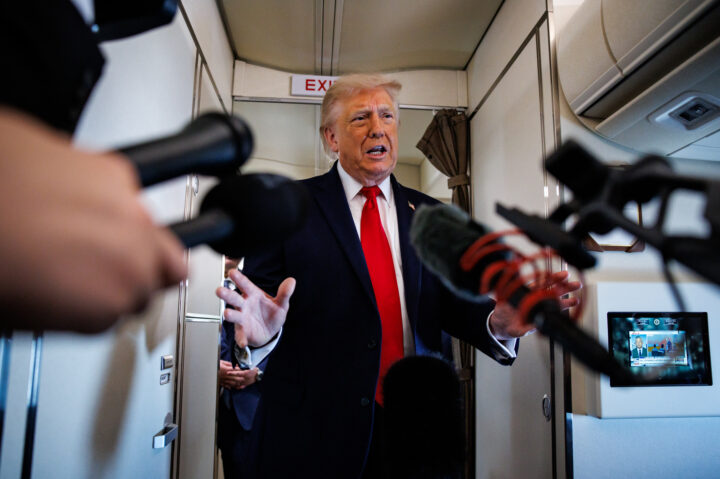
President Donald Trump speaks with reporters while aboard Air Force One on June 5, 2026 en route to Chippewa Falls, Wisconsin.


 Add JewishInsider on Google
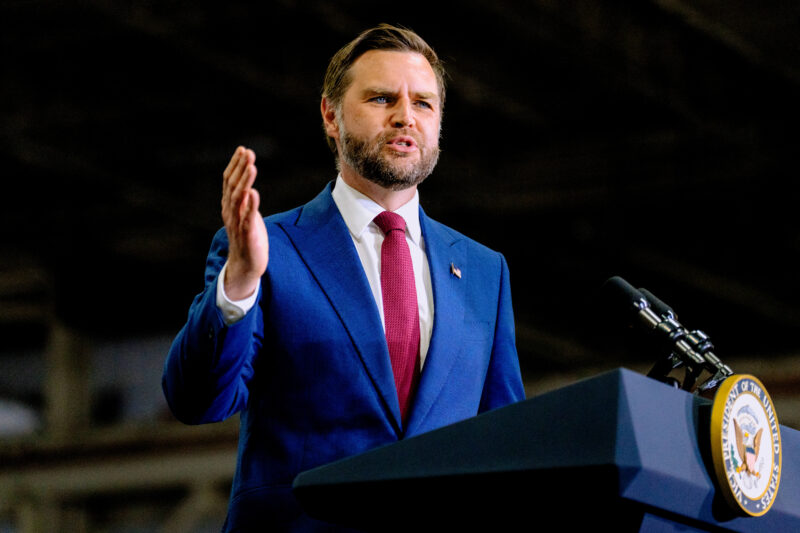
A year and a day after Israeli fighter jets first opened fire above Iran, setting off a year of intermittent fighting and numerous failed negotiations, President Donald Trump announced on Sunday that an agreement with Iran to end the war had been reached. A signing ceremony set for later this week in Switzerland — which is expected to be attended by Vice President JD Vance — will kick off a 60-negotiation period to address Iran’s nuclear program and U.S. sanctions on the Islamic Republic.
For Americans, the deal closes a chapter that saw high gas and food prices as well as schisms in the GOP as the party’s wings fought over how the war should be fought and ended. Among Democrats, legislators and activists from the party’s progressive wing — from Rep. Ro Khanna (D-CA) to the National Iranian American Council’s Trita Parsi (who additionally gloated, “Netanyahu failed!”) — praised the deal.
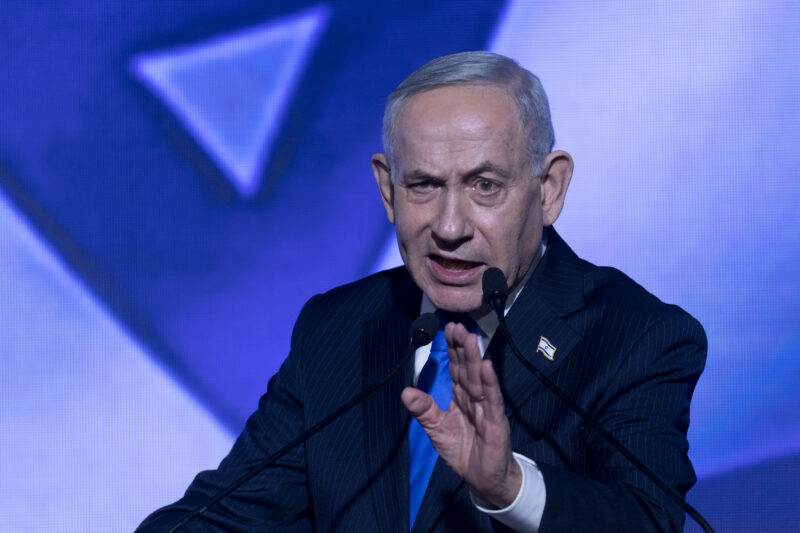
But Israel was not part of the negotiations, nor did it have final say in what was in the agreement inked between Washington and Tehran. As the Is were dotted and Ts were crossed on the agreement, tensions between Trump and Israeli Prime Minister Benjamin Netanyahu — already on display following Israel’s threatened escalation last week in Beirut, followed by an actual escalation on Sunday when Israel struck Beirut’s Dahiyeh neighborhood — deepened. In a call on Sunday after Israel conducted the strike — later claiming to have killed a senior Hezbollah commander — Trump told Axios he had conveyed to Netanyahu that he “was so pissed off.” Netanyahu, Trump said, “has no f***ing judgement. I let him know that.”
In Israel, the deal is being met with dismay across the board, as neither of the war goals laid out by Netanyahu last June — removing Iran’s “existential threats” to Israel and ending Tehran’s support for its terror proxies across the region — have been met, even after a year of fighting.
With elections in the country fast approaching, Netanyahu, who has long billed himself as “Mr. Security,” is already finding himself on the receiving end of criticism from across the political spectrum. Former Israeli Defense Minister Avigdor Liberman blasted the deal as “catastrophe from Israel’s perspective,” while prominent right-wing Israeli journalist Amit Segal posted an ominous quote from former U.S. Secretary of State Henry Kissinger: “It may be dangerous to be America’s enemy, but to be America’s friend is fatal.”
The question now is what, exactly, is in the agreement. Iran’s state-linked Mehr agency reported that under the terms of the agreement, the U.S. will release $12 billion in frozen assets to Iran before talks begin.
Fox News reported that the $12 billion figure, as well as other reports of the deal’s stipulations, are incorrect, and that officials within the Trump administration are growing frustrated over rumors about the contours of the agreement.
Calls for the deal’s text to be made public have come from even Trump’s staunchest supporters. Commentator Mark Levin said he has “asked for days, why can’t we, the people, see the damn MOU?” Levin added that he had “never seen anything like this. If it is a great outcome for peace, then release it.”
Sen. Lindsey Graham (R-SC) said on X on Sunday that he was “somewhat concerned” that Iran’s account of the U.S.-Iran ceasefire deal diverges sharply from what the U.S. negotiators are claiming, and demanded Vice President JD Vance personally present the deal to Congress.
The vice president, who two months ago traveled to Pakistan for high-level negotiations with Iranian officials, has increasingly become the public face of the Iran talks. In an interview last week that aired yesterday on “CBS Sunday Morning,” Vance said he believed “that we are in a position to get a deal that is good for the United States economically and that really does deal with the Iranian nuclear program” in the long term.
For Vance, the success or failure of the deal, and of the negotiations to follow, could become one of the defining political issues of his rumored 2028 presidential bid — one in which he will likely find himself up against Secretary of State Marco Rubio in what could be a bruising primary.
With the deal’s signing later this week, the military phase of the war — begun just over a year ago — will conclude. But what comes next is the political phase, which will determine Iran’s nuclear future, Israeli security policy and the direction of U.S. foreign policy in the region for decades to come.
More Stories
CATCHING HEAT
Pro-Israel Democrats blast Mamdani for Oct. 7 anniversary statement
speaking out
In open letter, dozens of retired U.S. military leaders reject genocide allegations against Israel
MINORITY PROTECTIONS
House Democrats urge Rubio to respond to Turkey’s crackdown on LGBTQ community
PHOTO OP
Letitia James opponent met with Black Hebrew Israelite group
exclusive
Second local Jewish Democratic official endorses Republican Lawler, citing Israel and antisemitism
LOOKING FORWARD
DMFI lays out proposal for future of U.S.-Israel relationship
Please log in if you already have a subscription, or subscribe to access the latest updates.
 Continue with Google
 Continue with Apple