
































































Israeli Ambassador Leiter says Israel, Lebanon agreement supersedes Iran MOU
The ambassador announced that the next round of Israel-Lebanon negotiations will take place next week in Rome
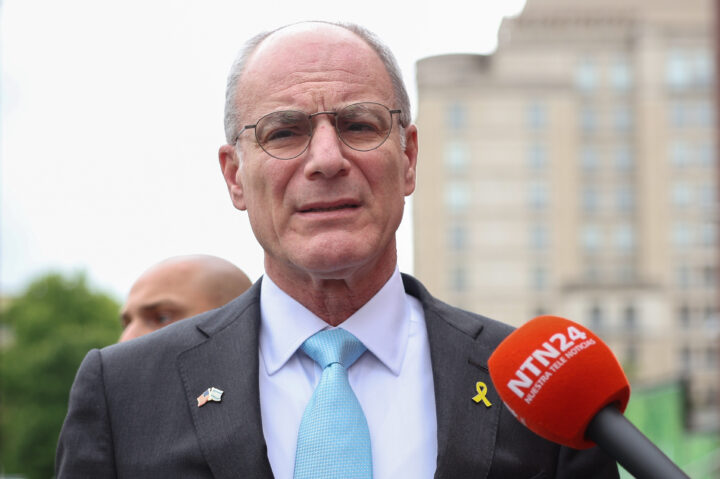
Tasos Katopodis/Getty Images
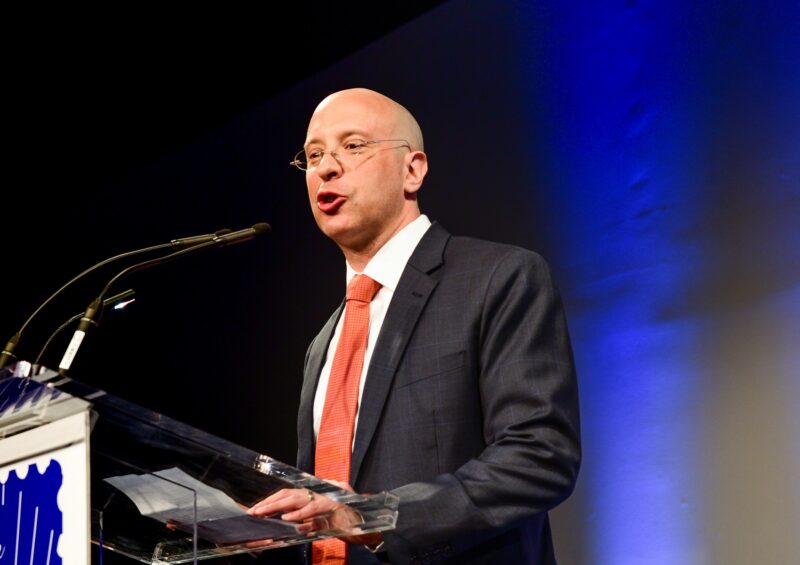
Israeli Ambassador to the United States Yechiel Leiter


 Add JewishInsider on Google
Jerusalem and Beirut see their trilateral agreement signed with the U.S. last month as “superseding” the memorandum of understanding signed between the U.S. and Iran, Israeli Ambassador to the U.S. Yechiel Leiter said on Monday.
“Whether the United States does, you’ll have to ask the administration spokesman,” he added, speaking at an event hosted by the Council on Foreign Relations in Washington.
Leiter specifically referenced the first clause of the MOU, to which Israel and Lebanon were not parties, which called for an end in hostilities around the region, including Israel’s war against Hezbollah in southern Lebanon. Leiter acknowledged that Iran — as well as mediating countries Pakistan and Qatar — views the MOU differently and believes it overrides the Israel-Lebanon framework deal.
The next round of talks between Israel and Lebanon will take place on July 14 and 15 in Rome, Leiter said, and revealed that Lebanese President Joseph Aoun will meet with President Donald Trump at the White House on July 21.
Leiter described the MOU as primarily a mechanism to reopen the Strait of Hormuz rather than a broad peace deal, and urged a “wait and see” approach to future negotiations regarding long-term limits on Iran’s nuclear and ballistic missile programs.
The deal is “clearly an agreement to get the strait open. This is not an agreement to end the nuclear weaponization of Iran,” he said.
“We have to wait and see what that looks like when it’s done, whether that’s 60 days, 90 days or after the midterms,” he continued. “I’m quite sure the administration didn’t go to war to go back into a situation where Iran has a pathway to once again try and produce nuclear weapons [and] ballistic missiles.”
Leiter added that Trump has said any deal with Iran would have to curtail its support for proxies and its ballistic missile program, though such issues were not mentioned in the MOU. He also warned against U.S. sanctions relief that could fund Tehran’s proxies.
“All we can do is weigh in,” Leiter said of Israel’s role in U.S.-Iran negotiations. “We can’t be part of that decision-making process. That’s too big for us. We know our size.”
Leiter dismissed as exaggerated reports of a rupture in Israel-U.S. relations.
“Media loves drama. So, if the president and the prime minister have 100 conversations that are pleasant, and then there are two conversations in which the president is having a bad day, is a little irritable and makes that known — that becomes the tenor of the relationship between the two men,” he said.
“I’ve been in all those conversations, all the meetings … arguments happen among people who are close. The relationship is good, the relationship is solid. There are differences along the way, and those are legitimate,” Leiter said, pointing to Israel’s opposition to the proposed U.S. sale of F-35 fighter jets to Turkey. Leiter said that Israel has made its position clear and that the U.S. has the right to decide how it wants to proceed.
He rejected claims that Israeli Prime Minister Benjamin Netanyahu dragged the U.S. into the war with Iran, dismissing such accusations as “sheer stupidity” rooted in antisemitic conspiracy theories.
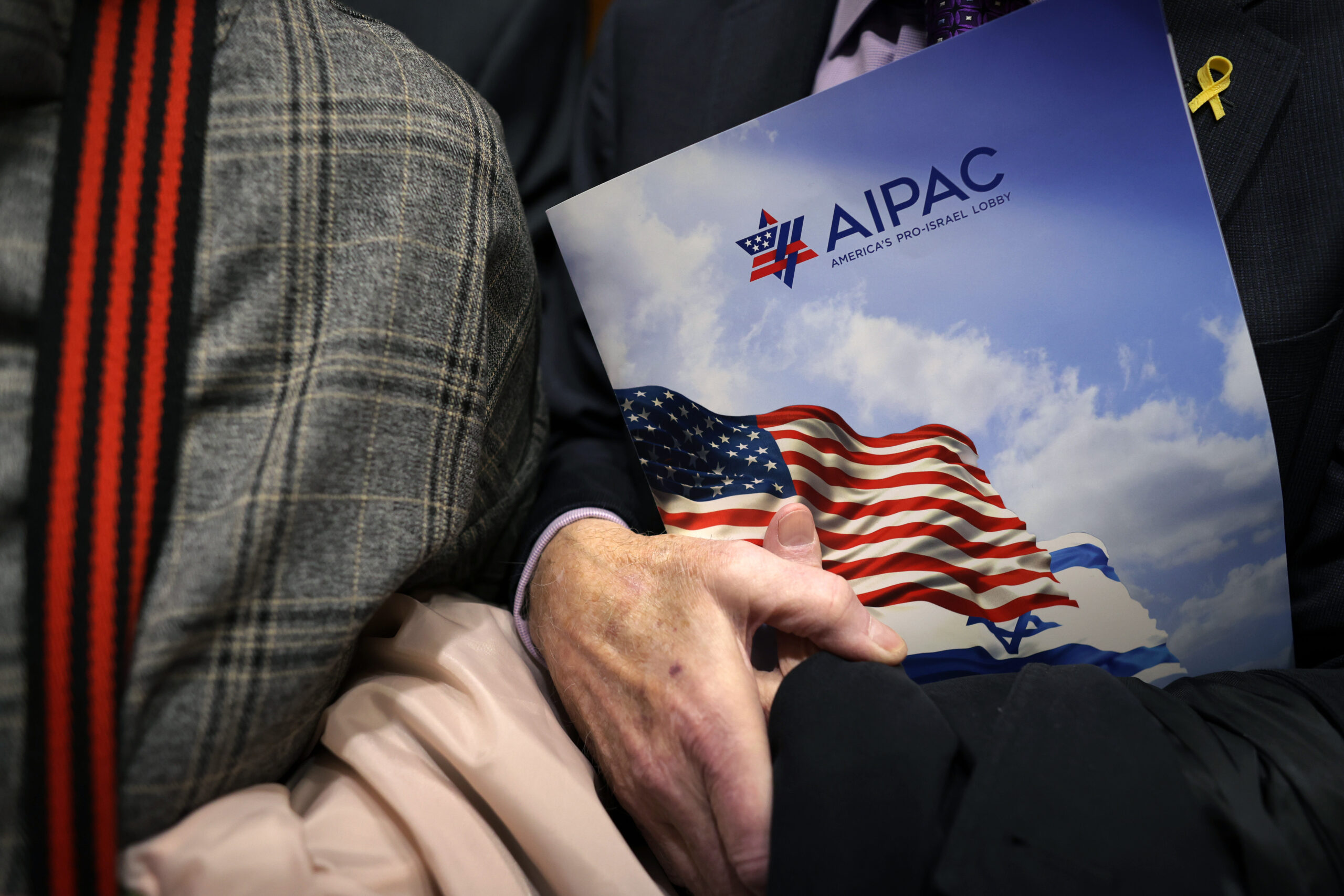
“We presented our case as any self-respecting country does and it’s up to the United States to make a decision whether or not to embark on a war,” said Leiter. “It doesn’t do that because of AIPAC or other diabolical Jews.”
Leiter also dismissed a recent claim from Vice President JD Vance that Trump is the only world leader sympathetic to Israel. “It’s just not true. We just had an invitation to India. The relations we have with the United Arab Emirates have never been stronger. We have wonderful relations with Azerbaijan … our relations with Armenia now are quite good … and Somaliland.”
Alongside navigating divisions over Israel, the Democratic Party is currently grappling with “the Mamdani effect,” said Leiter, referring to a string of primary victories by progressive and democratic socialist candidates backed by New York City Mayor Zohran Mamdani.
“Israel is part of a much larger social metamorphosis,” he said.
More Stories
MAINE EVENT
Maine Senate candidate Troy Jackson says Congress should cut off funding for Iran war
PRESIDENTIAL ENDORSEMENT
Trump gives Netanyahu ‘complete and total endorsement’
SUNSHINE STATE RETREAT
House GOP leadership super PAC pulls ad spending against Jared Moskowitz

Daily Overtime
Obama faults Israel’s founding in Belfast
Regional Responsibility
Amb. Tom Barrack: It’s ‘not America’s job’ to combat Iran-backed threats in the Middle East
SECURITY SETBACK
Saudi Arabia postpones ‘Davos in the Desert’ until 2027 amid Houthi attacks
Please log in if you already have a subscription, or subscribe to access the latest updates.
 Continue with Google
 Continue with Apple