
























The president pivots on Tehran
The last 24 hours have seen a sharp pivot from Trump to a more hard-line approach to Tehran

Tasos Katopodis/Getty Images
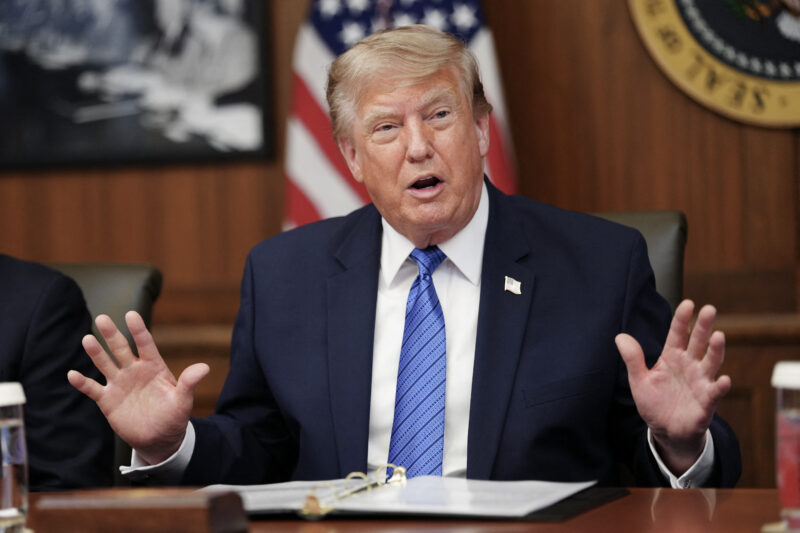
U.S. President Donald Trump stops and talks to the media before he boards Marine One on the South Lawn at the White House on June 15, 2025 in Washington, DC.


 Add JewishInsider on Google
While the last two months have been an exercise in diplomacy for Trump administration officials, who have crisscrossed the Middle East and Europe in an attempt to negotiate with Iran over its nuclear program, the last 24 hours have seen a sharp pivot from President Donald Trump to a more hard-line approach to Tehran.
“UNCONDITIONAL SURRENDER,” the president posted on his Truth Social site on Tuesday afternoon, understood to be a message to Iran after more than five days of Israeli attacks meant to degrade Tehran’s military and nuclear infrastructure. Iranian reprisals have paralyzed Israel, but resulted in damage that has fallen far short of Supreme Leader Ayatollah Ali Khamenei’s threats. Khamenei responded on Wednesday that “the Iranian nation will not surrender.”
The president’s post, made following his early departure from the G7 summit in Alberta, Canada, but before his Situation Room sit-down with senior advisors, signaled Trump’s new approach to the regional conflict.
Trump’s latest comments underscore his shift away from the isolationist elements of the GOP that have dominated his administration since a purge of more traditional foreign policy-minded Republicans, including former National Security Advisor Mike Waltz. As The New York Times’ Ross Douthat wrote on Tuesday, Trump’s isolationist supporters “imagined that personnel was policy, that the realists and would-be restrainers in Trump’s orbit would have a decisive influence. That was clearly a mistake, and the lesson here is that Trump decides and no one else.”
As the president’s position further crystalized — also Tuesday, he called Iranian Supreme Leader Ayatollah Ali Khamenei an “easy target,” but said the U.S. would not assassinate him, “at least not for now” — his post-G7 rhetoric trickled down to his inner circle.
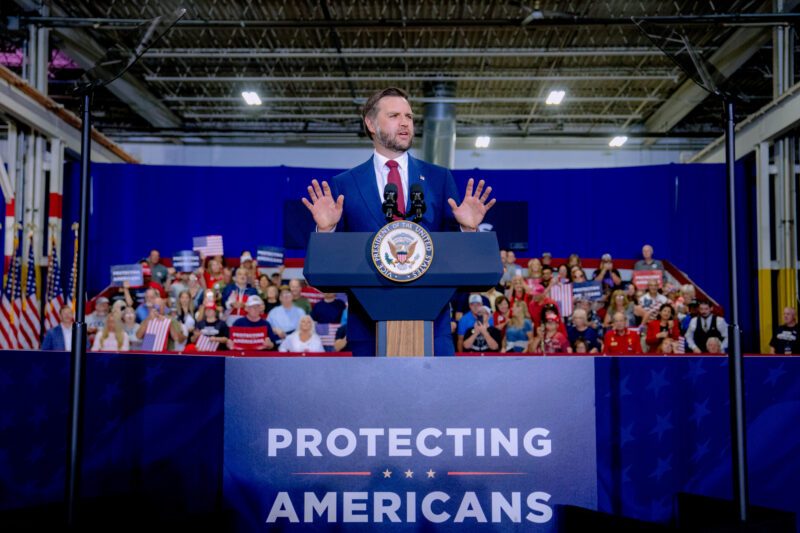
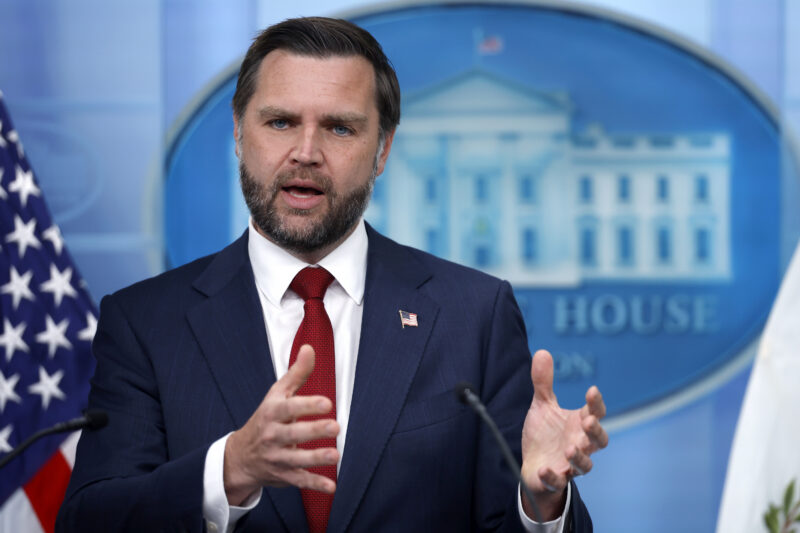
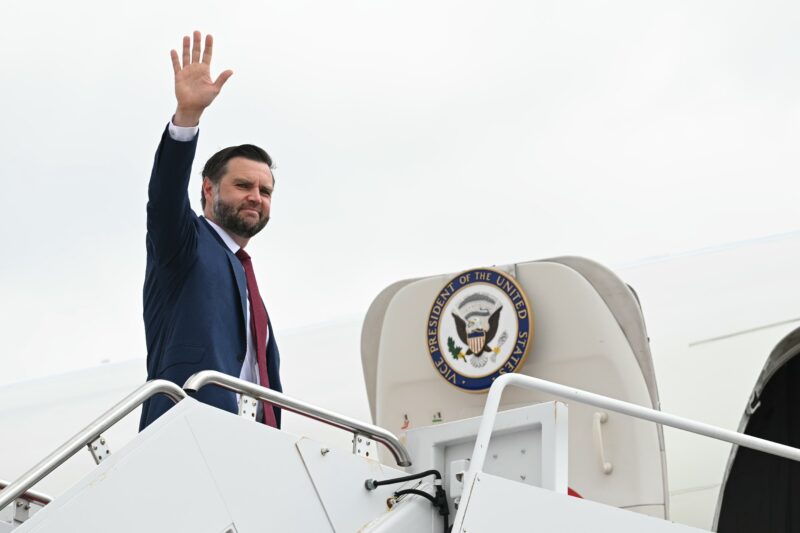
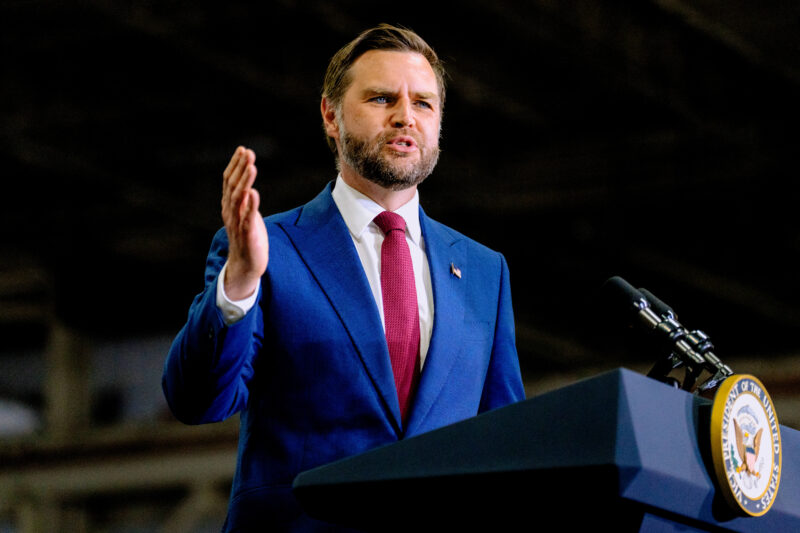
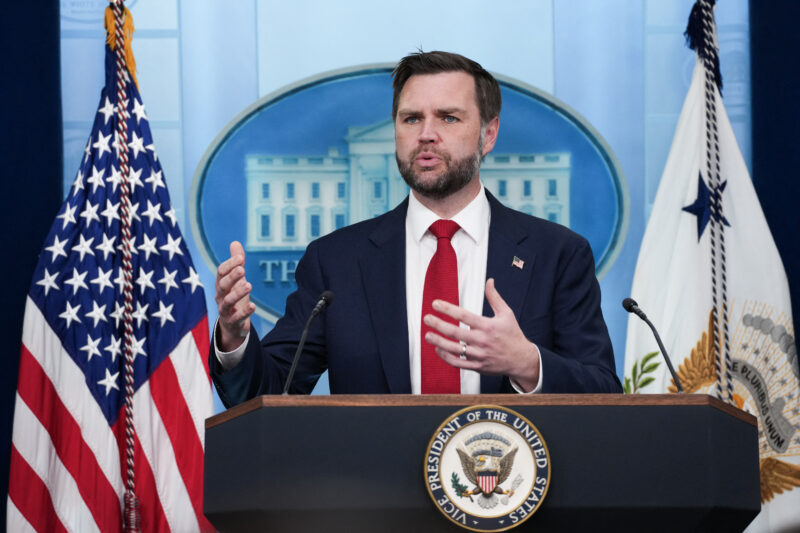
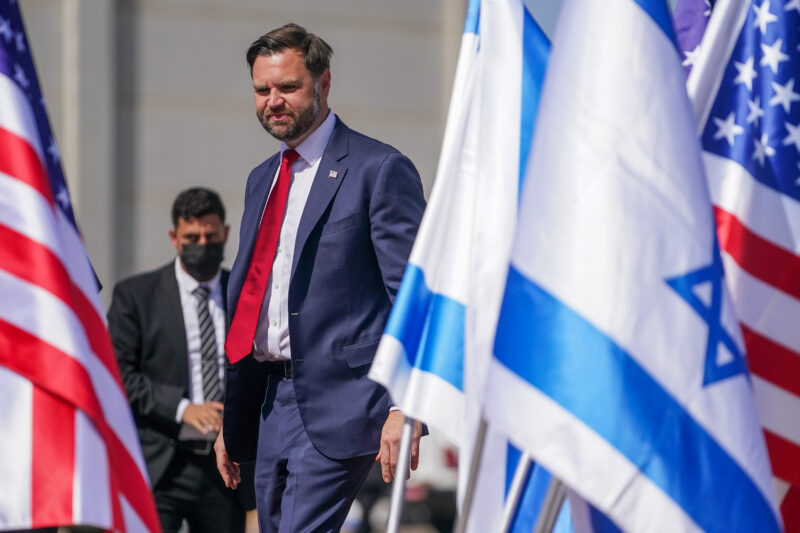
Trump “may decide he needs to take further action to end Iranian enrichment,” Vice President JD Vance posted on X yesterday. “That decision ultimately belongs to the president. And of course, people are right to be worried about foreign entanglement after the last 25 years of idiotic foreign policy. But I believe the president has earned some trust on this issue. … Whatever he does, that is his focus.”
It’s a notable shift from Vance, too, who has been one of the most prominent opponents of preemptive military action in the Middle East. (Vance opposed U.S. strikes on Houthi targets in Yemen earlier this year.)
Journalist Eli Lake noted on Tuesday that Trump’s “inner circle deliberating on Iran policy is very small and has been fairly tight-lipped,” adding that those advising him on Iran include Vance, Chief of Staff Susie Wiles, Secretary of State Marco Rubio, Middle East envoy Steve Witkoff, Secretary of Defense Pete Hegseth and CIA Director John Ratcliffe. Director of National Intelligence Tulsi Gabbard, Lake said, is “occasionally” part of the group, but was absent from recent Camp David conversations about Israel and Iran.
On Capitol Hill, while Republicans appear publicly split on the level of involvement that the U.S. should have in the conflict — from working with Israel to destroy the Fordow nuclear facility to forcing Iran’s hand in diplomatic talks — JI’s conversations with legislators indicate a different approach behind the scenes. One senior Republican senator who requested anonymity to discuss internal conference dynamics estimated that nearly the entire GOP conference is privately united on the issue of the U.S. supporting Israel in bombing the Fordow facility if Israel needs such support. Read more from JI’s Emily Jacobs and Marc Rod here.
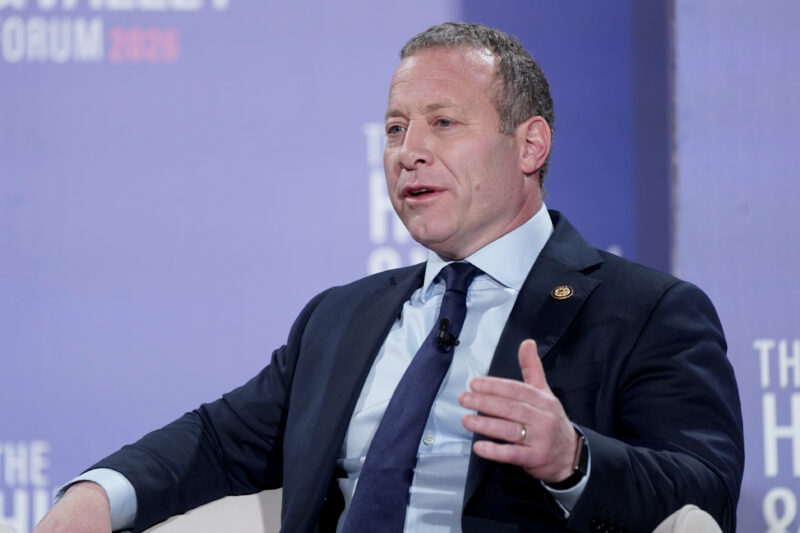
“I think the president has struck the right position,” Sen. Josh Hawley (R-MO) told JI earlier this week, “which is supportive of Israel’s right of self-defense, which is what this really is, and supporting them publicly while they defend themselves. I think that’s the right position to stick on.” Read more of Hawley’s comments here.
Trump has “handled this situation very deftly,” Hawley added. “I think his message has been pretty clear, which is that Iran is not going to get a nuke. So they can either surrender their nuclear program peaceably, and he’s willing to [have] the United States facilitate that, or the Israelis are going to blow their program to smithereens. Right now they’re choosing the smithereens route.”
Please log in if you already have a subscription, or subscribe to access the latest updates.
 Continue with Google
 Continue with Apple