


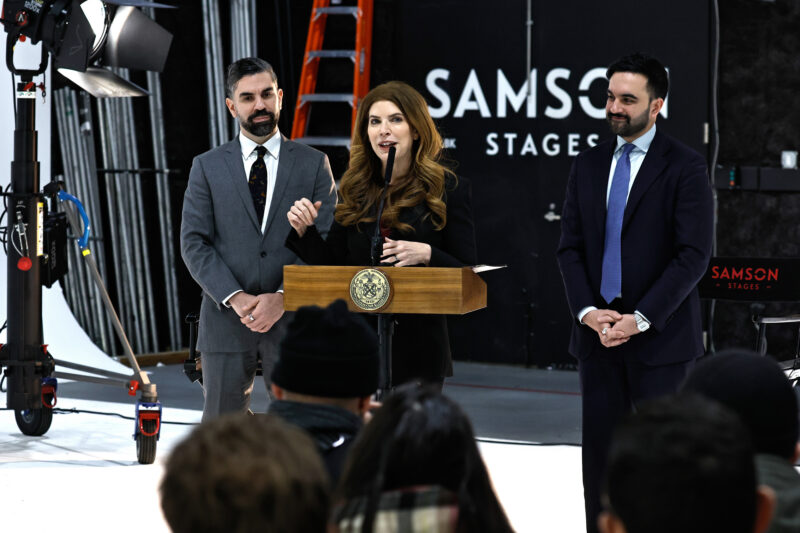
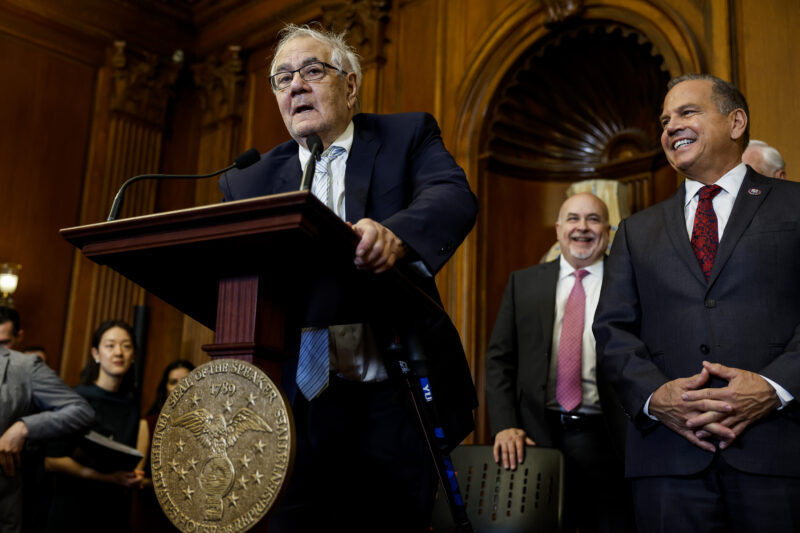
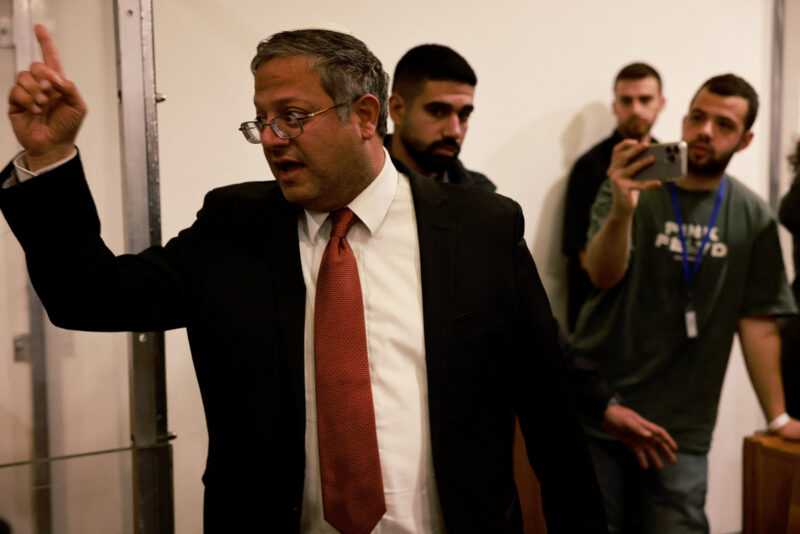

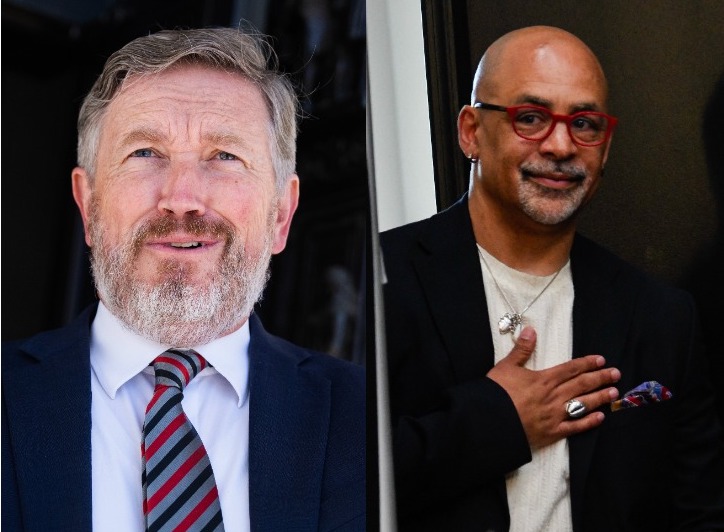
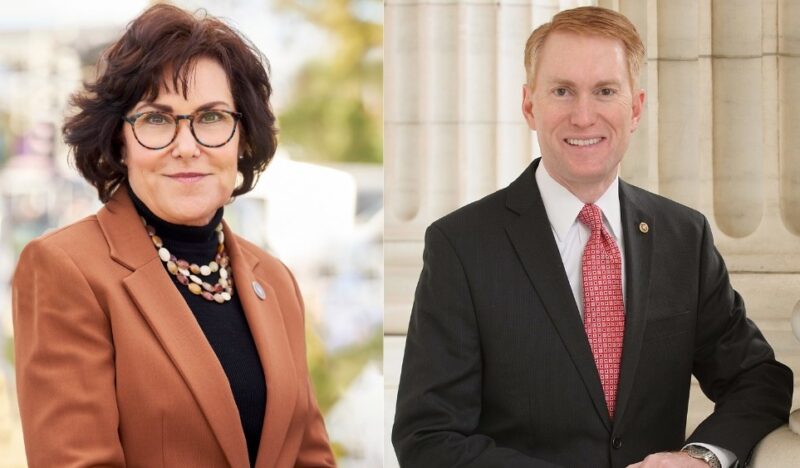
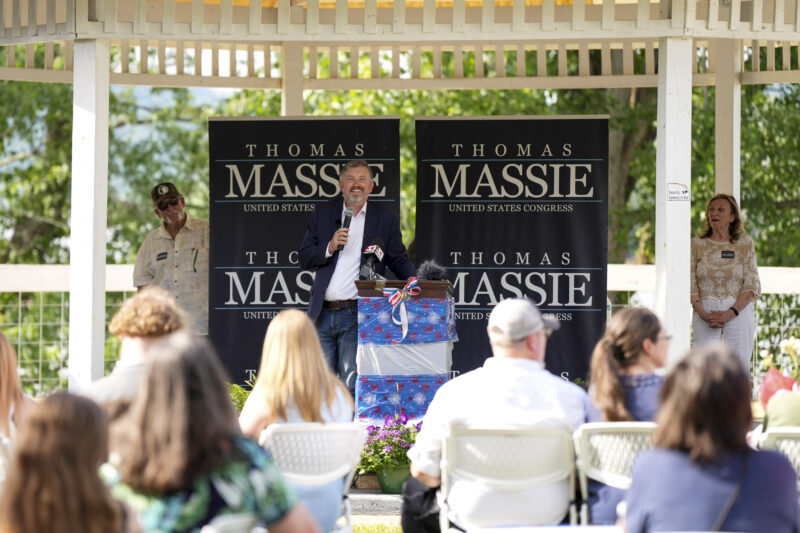

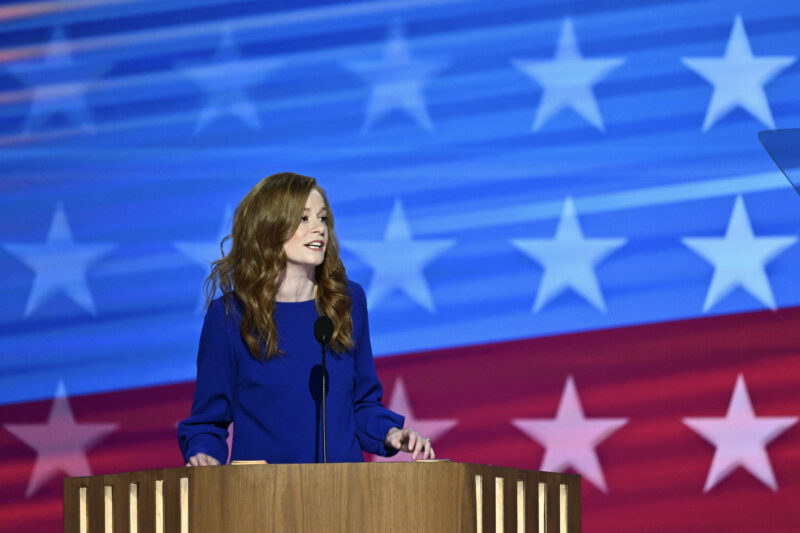
















One X-factor keeping Republicans competitive is the Democratic Party’s lurch leftward in the last year, leading to the emergence of extreme, exotic and out-of-the-mainstream candidates in pivotal battleground races
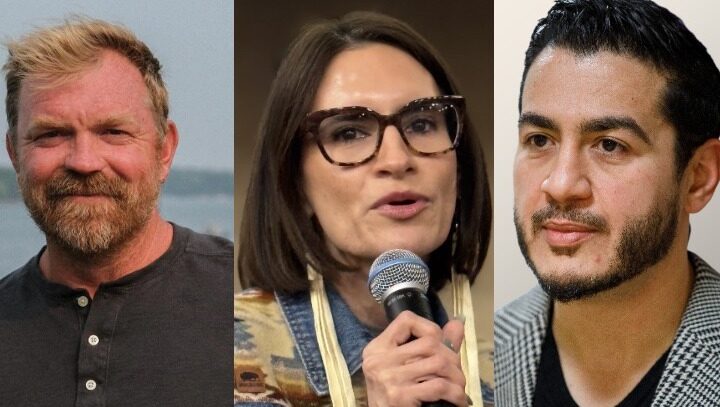
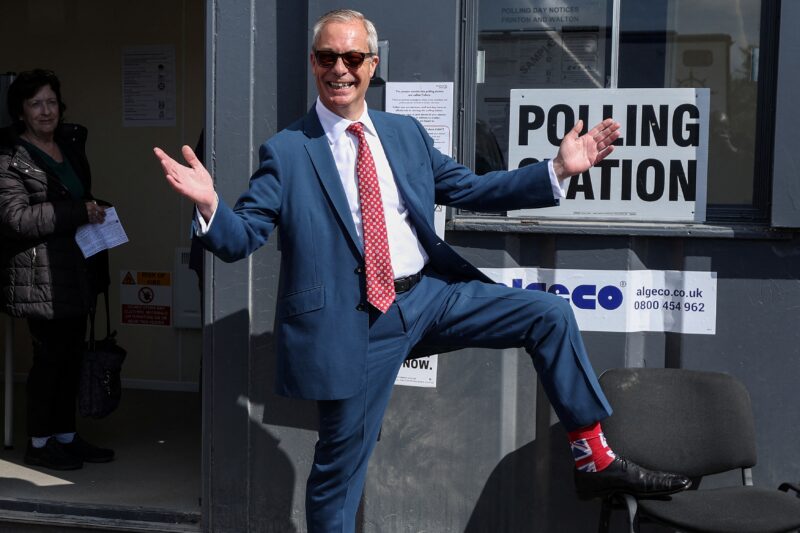
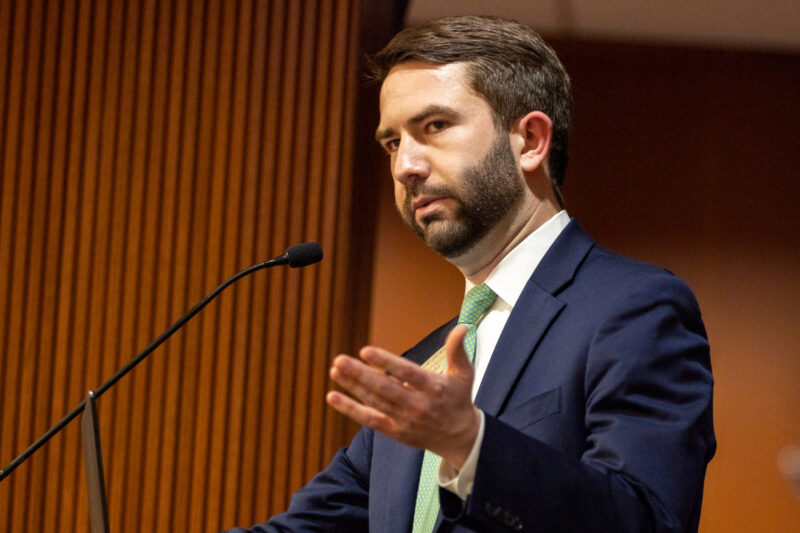
Graham Platner campaign/Travellers & Tinkers/Wikimedia Commons/Kenneth C. Zirkel/Wikmedia Commons
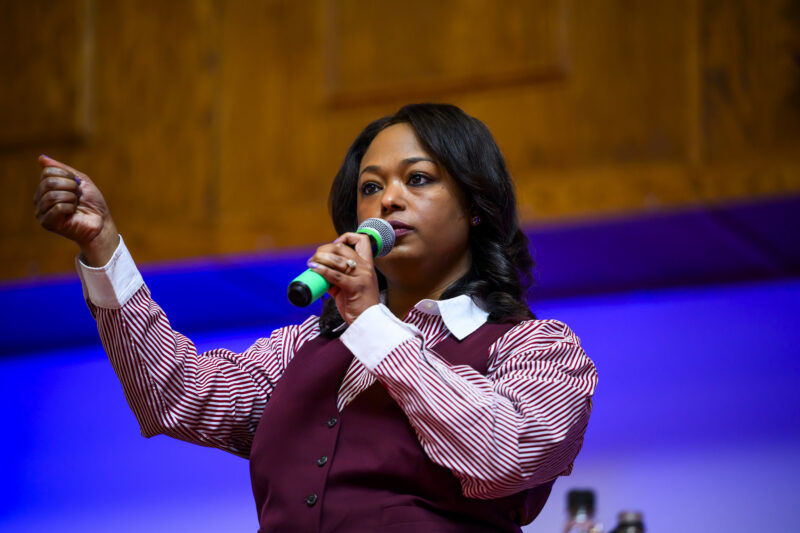
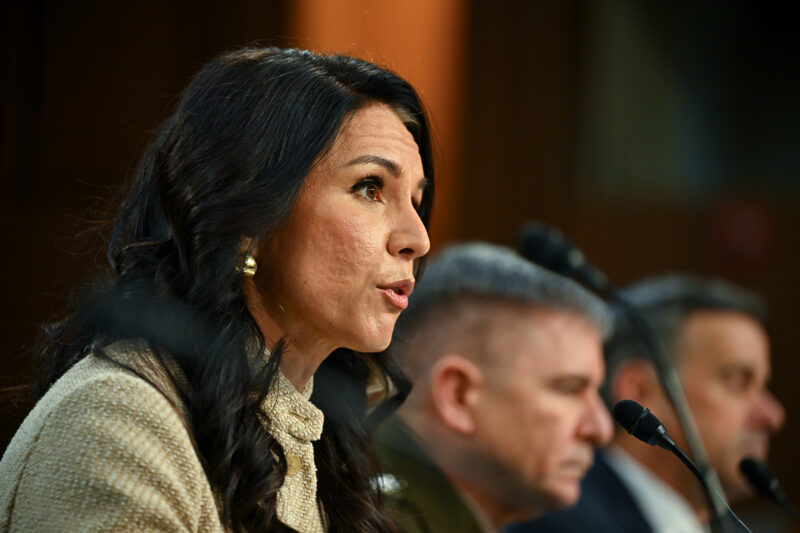
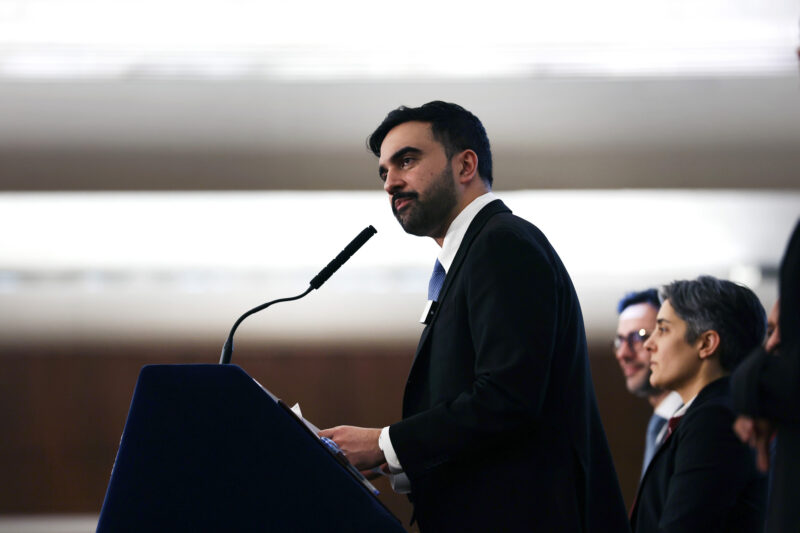
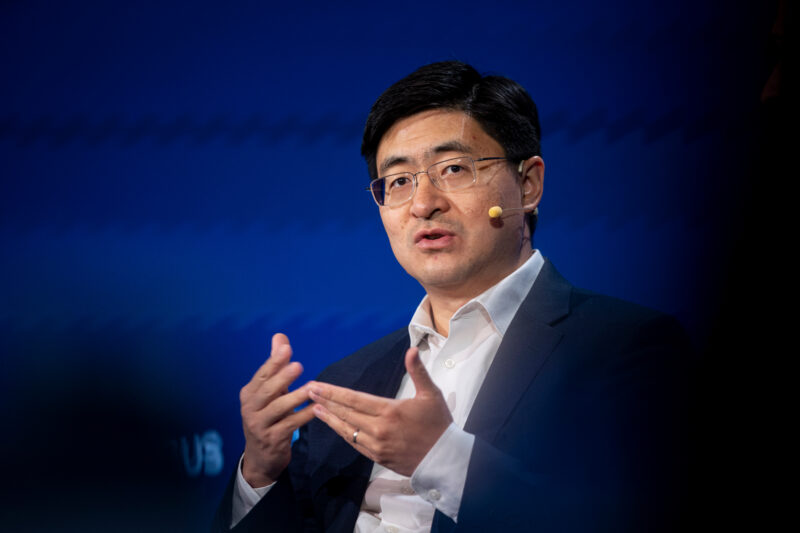
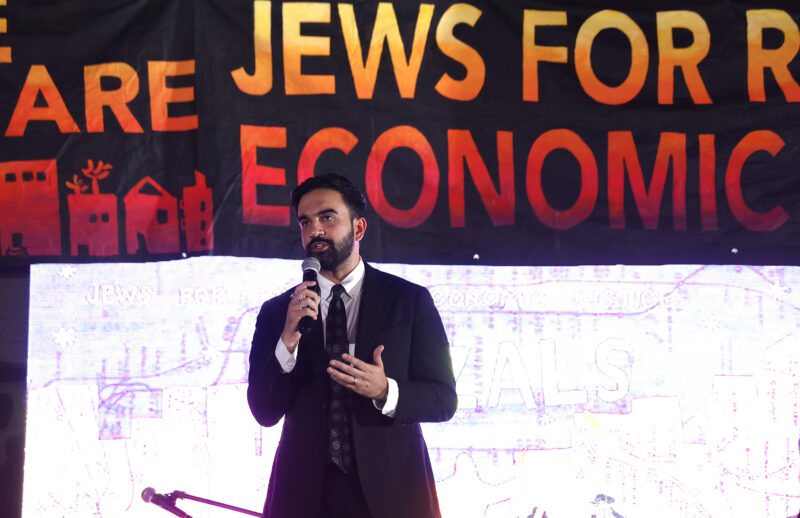
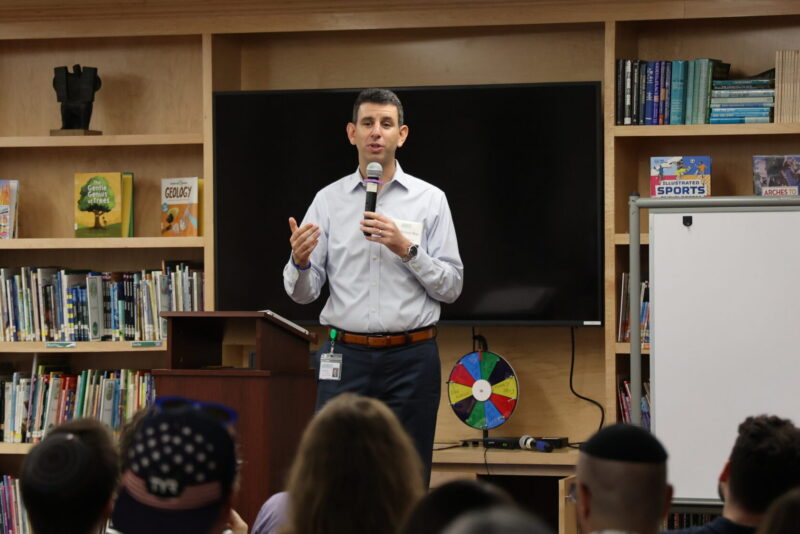
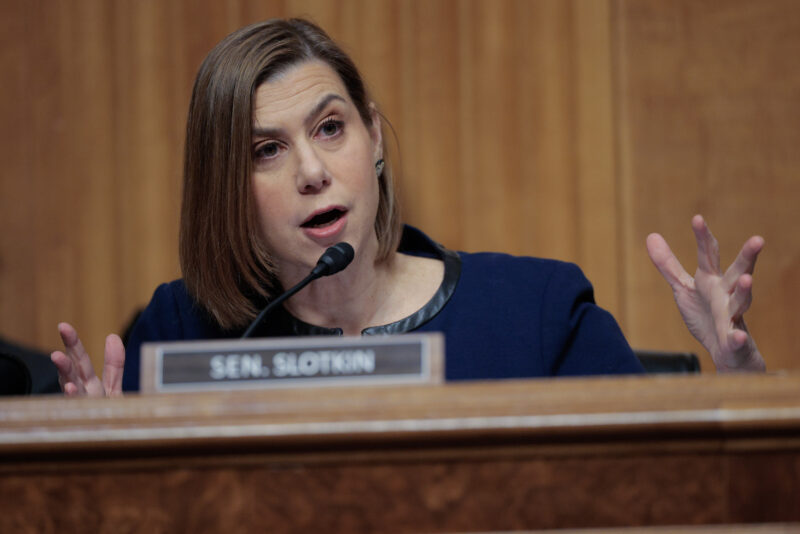
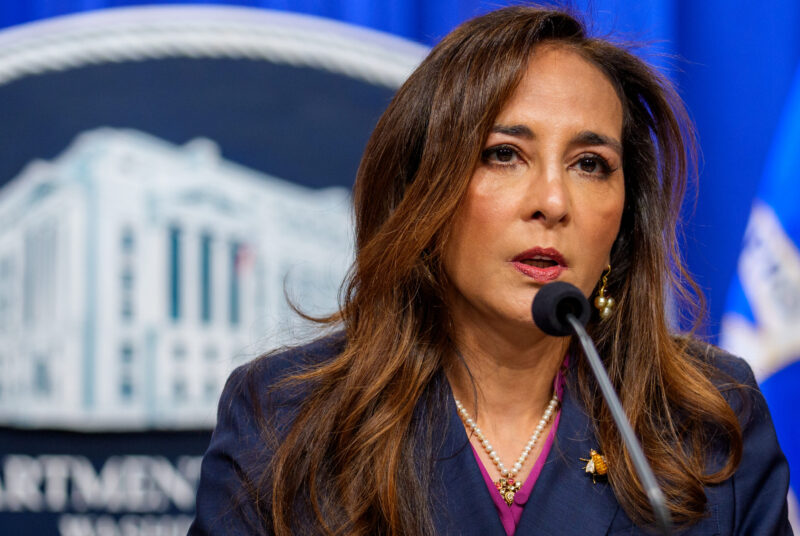
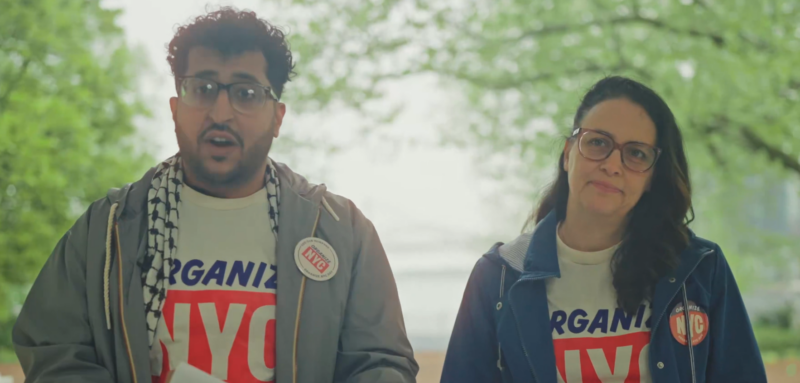
Graham Platner/ Lt. Gov. Peggy Flanagan/Abdul El-Sayed


 Add JewishInsider on Google
The combination of history and polling is pointing to the likelihood of a Democratic wave election in the 2026 midterms, which would give Democrats control of the House and a fighting chance to claw back a Senate majority.
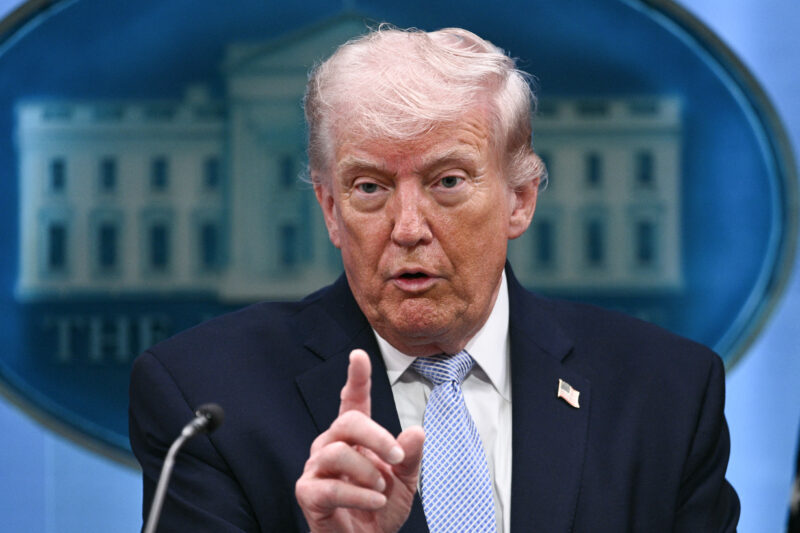
Polls show Democrats holding a sizable edge on the generic ballot, their favored candidates are running competitively even in red states and congressional districts, all while President Donald Trump’s approval rating is sagging amid high gas prices, executive overreach and an uncertain outcome in the aftermath of the war in Iran.
But the one X-factor keeping Republicans competitive is the Democratic Party’s lurch leftward in the last year, leading to the emergence of extreme, exotic and out-of-the-mainstream candidates in pivotal battleground races.
Indeed, a new poll commissioned by The Argument magazine finds that the generic ballot shows Democrats have been stuck with a six-point lead for a while even as Trump’s job approval has declined precipitously in the last several months. They’re voting to put a check on the GOP’s dominance of Washington, without endorsing the direction of the Democratic party.
“Democrats still have tangible policy misalignments with many voters who dislike Trump,” The Argument concluded in its polling analysis.
All told, the question becomes: Will the anticipated Democratic wave closely resemble the Democrats’ version of the GOP Tea Party election of 2010? In that election, Republicans swept into power in the House but far-right and extreme Senate candidates in key races blew golden opportunities, costing Republicans the upper chamber.
That dynamic repeated itself in 2022, when many experts anticipated a Republican wave election, but the party’s nomination of hard-line MAGA candidates in battleground contests led to a marked underperformance.
The alternative outcome is that partisanship and tribalism now run so deeply that an individual candidate’s flaws — even seemingly disqualifying ones — don’t mean what they used to. Right now, Democratic primary voters look like they’re ignoring personal baggage in favor of candidates that are the most ideologically progressive, personally authentic and who are burning hot with rage against Trump and the leadership class.
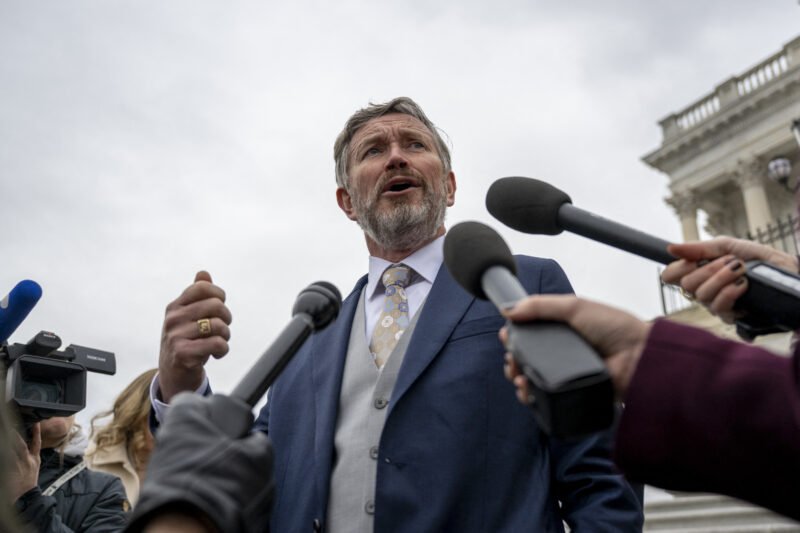
On the Senate side, Maine Democrat Graham Platner fits that profile to a tee, and is all but locking down a primary victory against longtime Gov. Janet Mills, the favorite of the party establishment. If he’s the nominee, he’d then face Sen. Susan Collins (R-ME), who has a record of winning tough races even in dismal environments for her party.
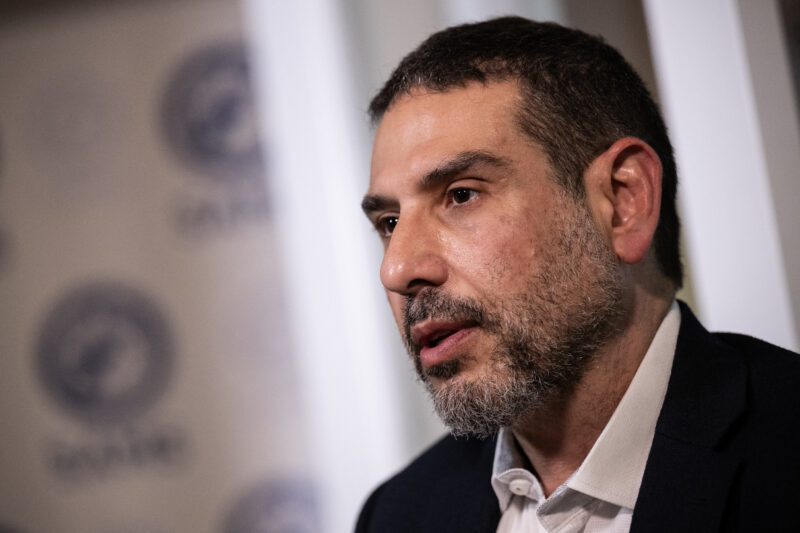
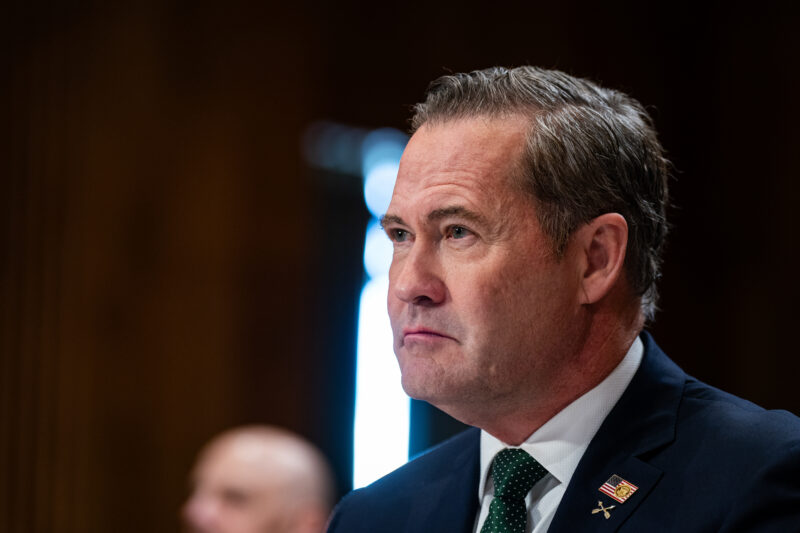
In Michigan, Abdul El-Sayed holds both a radical record and support from a dedicated progressive base of young voters and Arab Americans. That has put him in contention for the Democratic nomination, but many Democrats fear he’d lose the seat to former Rep. Mike Rogers, the expected Republican nominee.
And in Minnesota, Lt. Gov. Peggy Flanagan holds lots of left-wing baggage but that’s not hurting her insurgent primary campaign against Rep. Angie Craig (D-MN), a more traditional and moderate Democratic contender. Former sportscaster Michele Tafoya is the GOP favorite in this race.
There are even more House races where problematic candidates are in contention in swing districts — like Ammar Campa-Najjar in the race of retiring Rep. Darrell Issa (R-CA) and Colorado state Rep. Manny Rutinel, running to unseat Rep. Gabe Evans (R-CO).
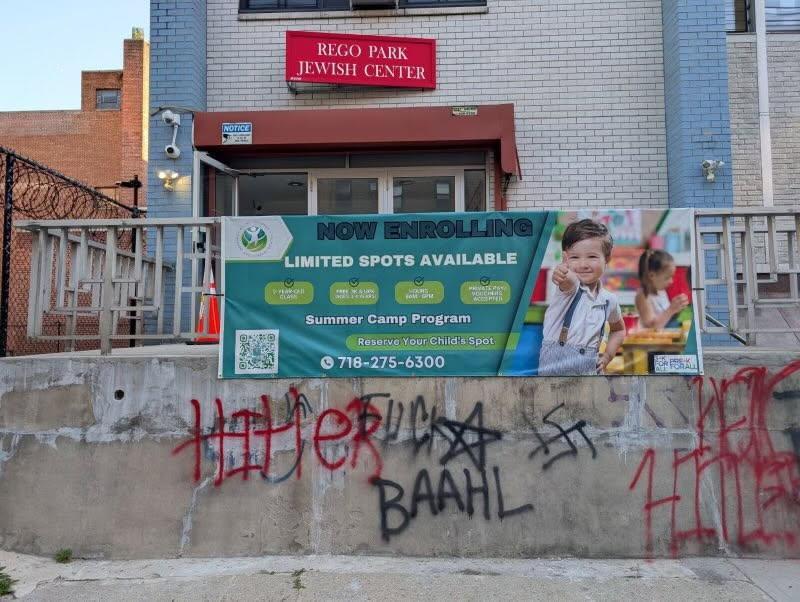
If 2010 offered any lessons, it’s that ideologically extreme, problematic candidates typically underperform expectations. That often makes the difference in a battleground state or district, where the margin of victory is typically close. It’s easy to get nostalgic for a time when a candidate like Christine O’Donnell (who notoriously proclaimed she was not a witch!) was as exotic as it got in politics. Now one of the Democrats’ leading Senate candidates is known for proclaiming he’s “not a secret Nazi.”
But given the tribalism of the current environment and the intense anti-Trump sentiment among Democrats and independents, do voters care about candidate quality anymore? Last November, Virginia voters elected an attorney general who survived revelations that he wished violence on a political opponent, only mildly underperforming the rest of the Democratic ticket.
This year’s midterm elections will put that proposition to the test. With strong battle-tested moderate recruits — like former North Carolina Gov. Roy Cooper and former Alaska Rep. Mary Peltola — in purple and red states, Democrats are expanding the Senate map and giving themselves a fighting chance for a clean sweep.
But they risk jeopardizing those gains with some (potentially) not-ready-for-primetime players in the biggest battlegrounds of all: Maine and Michigan.
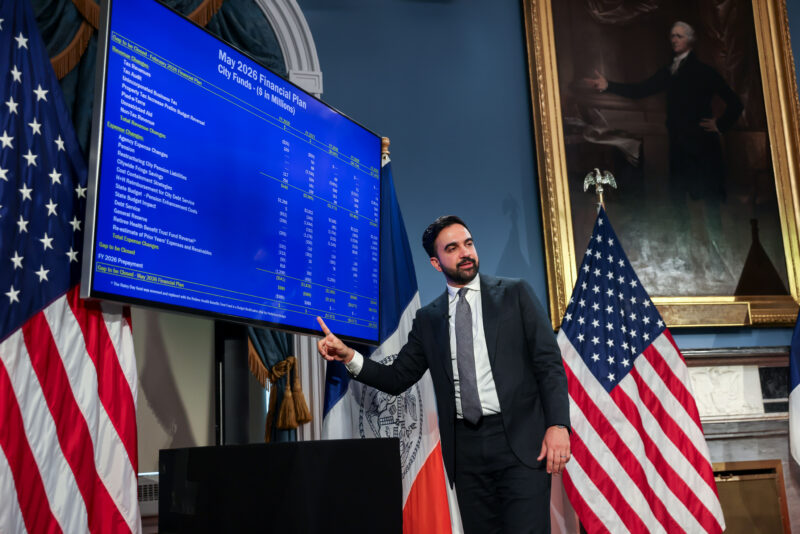
Zohran Mamdani is set to prevail thanks to a divided opposition and backing from an enthusiastic left-wing faction of the electorate — not because he’s winning over hearts and minds in Gotham
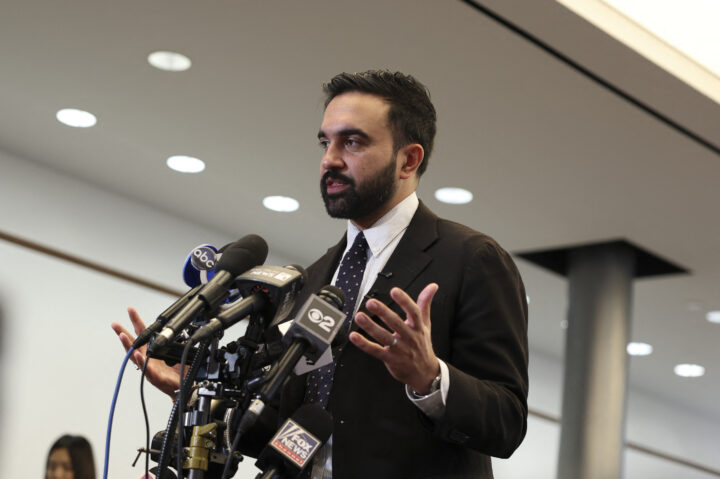
ANGELA WEISS/AFP via Getty Images
New York City Mayor Zohran Mamdani answers questions on October 17, 2025 in New York City.
A new Quinnipiac poll of the New York City mayoral race with less than a week until Election Day shows Zohran Mamdani on track to win, but with a narrow plurality that underscores the breadth and resilience of the political opposition against him. In short, he’s set to prevail thanks to a divided opposition and backing from an enthusiastic left-wing faction of the electorate — not because he’s winning over hearts and minds in Gotham.
If the polling is accurate, Mamdani would be the first New York City mayor to win without a majority of the vote since John Lindsay in 1969. Mamdani leads former New York Gov. Andrew Cuomo 43-33% in the Quinnipiac poll, with Republican Curtis Sliwa tallying 14%. Mamdani, in a sign of his political ceiling, has lost several points of support since the pollster’s survey earlier this month.
Among Sliwa voters, 55% said that Cuomo was their second choice, while only 7% said the same of Mamdani. If New York City utilized a ranked-choice voting system as it did in the primary, this race would be neck-and-neck.
The Quinnipiac poll finds Mamdani building an unconventional coalition of secular progressives and Muslims in New York City politics, running up the score with voters of no religion (71% support) or of a religion other than Christianity and Judaism (50%). Mamdani struggles badly with Jewish voters, winning just 16% support, while only receiving 28% of the vote among Catholics and 36% among Protestants.
Mamdani is winning support from just 59% of Democrats, with 31% backing Cuomo — an unusually weak showing for a Democratic nominee. But Republicans are evenly divided between Cuomo and Sliwa, preventing the former governor from capitalizing on Mamdani’s deep unpopularity with GOP voters. Mamdani is tied with Cuomo among independents at 34% apiece.
There are some indications that the late wave of negative attacks Cuomo has aimed at Mamdani — invoking his embrace of a controversial imam, raising questions about his commitments to fighting Islamic extremism and his ties to antisemitic influencer Hasan Piker — have dented the front-runner’s favorability a bit. Mamdani’s +4 favorability rating in the Quinnipiac poll (45-41%) is a notch worse than his +8 favorability rating (45-37%) in Quinnipiac’s early October poll.
But Cuomo’s favorability remains decidedly worse, with a 54% majority viewing the former governor unfavorably and 34% viewing him favorably. Cuomo resigned from the governorship amid scandal and allegations of sexual misconduct.
The results suggest that an earlier and more aggressive attack against Mamdani from a better-organized anti-Mamdani coalition could have paid dividends. If the opposition hit Mamdani on his vulnerabilities on crime and safety — especially given his recent tone-deaf comments on the 9/11 terror attack — it could plausibly have laid out a more effective narrative that he’s too extreme to lead the nation’s biggest city.
But the last-minute nature of the Cuomo attacks feel more like the equivalent of a Hail Mary pass at the end of a football game.
The one silver lining for Cuomo: There’s only a week of early voting in New York City, and because of the exorbitant cost of airing on New York City television, the swarm of campaign ads doesn’t hit full force until the campaign’s final weeks. Former New York City Mayor Michael Bloomberg, for the first time in the general election, donated $1.5 million to a pro-Cuomo super PAC, an indicator he sees the race getting closer.
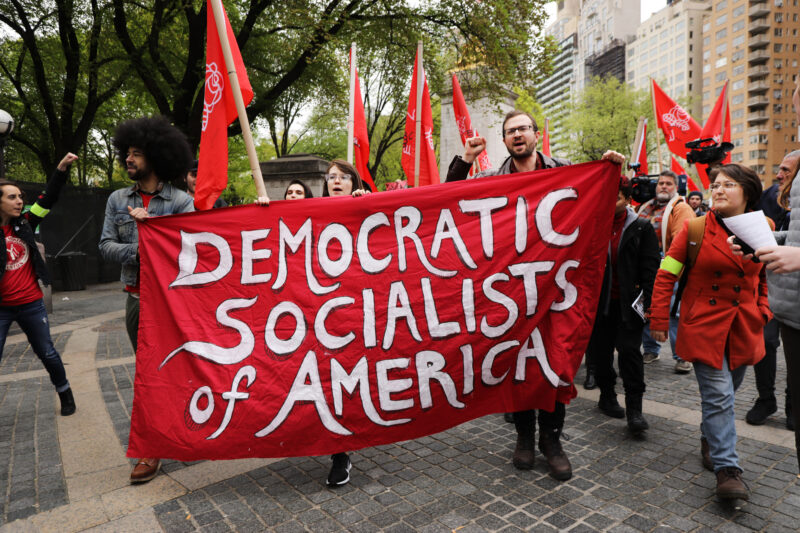
That means that even though Mamdani remains the clear favorite, Cuomo still has a narrow path to a political comeback if he can convince enough Republican Sliwa voters to quietly cast a vote for him to stop the democratic socialist.
Please log in if you already have a subscription, or subscribe to access the latest updates.
 Continue with Google
 Continue with Apple