





















Rabbis hope ‘open, honest dialogue’ with Mamdani brings belated change in Israel rhetoric
Mamdani’s antisemitism czar invited a cross-section of rabbis and Jewish leaders broadly sympathetic to the mayor for the candid conversation
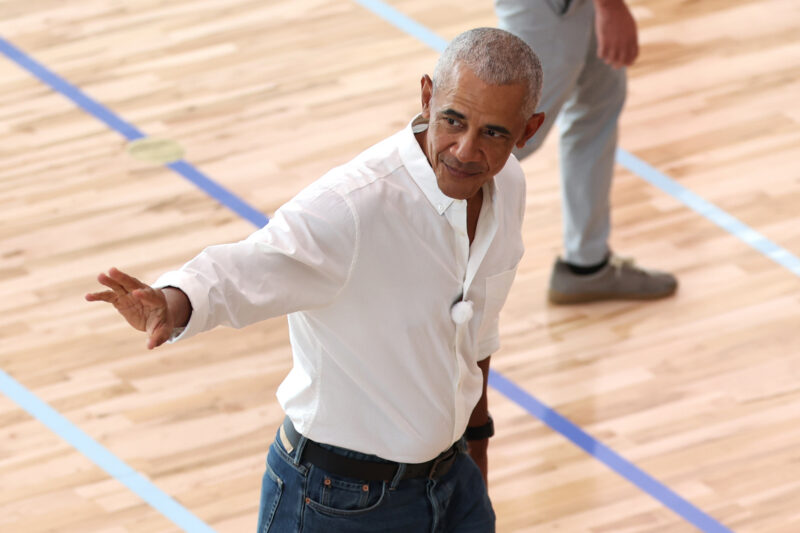
Spencer Platt/Getty Images
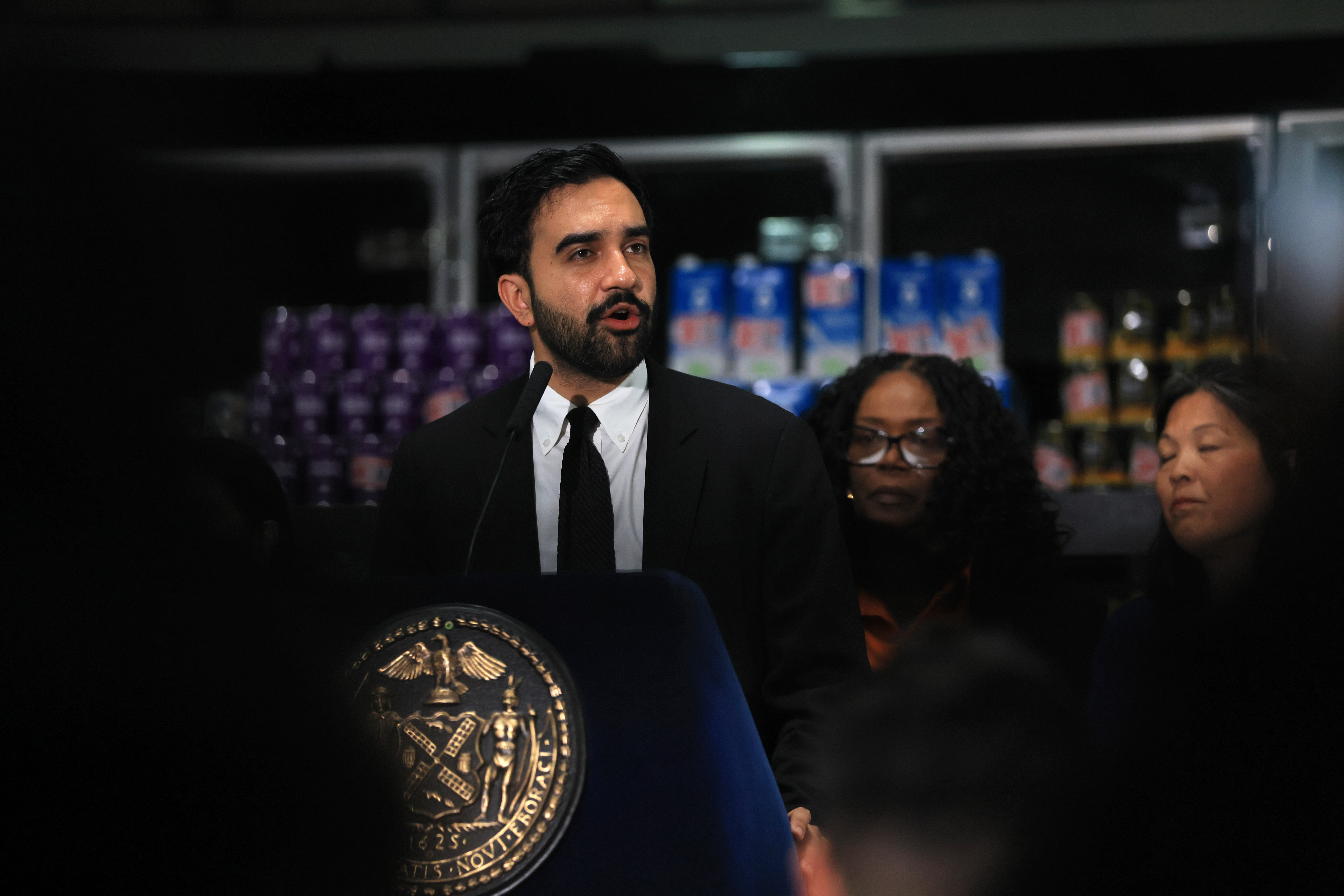
New York City Mayor Zohran Mamdani speaks at a food distribution center on July 27, 2026 in the Brooklyn borough of New York City.


 Add JewishInsider on Google
A roundtable with New York City rabbis held at City Hall on Monday gave participants a chance to voice growing concerns about New York City Mayor Zohran Mamdani’s Israel rhetoric they felt had before gone unheard — with several attendees telling Jewish Insider the strong collective message, and Mamdani’s reaction, gave them hope he would change tack.
Multiple attendees of the meeting told JI that they had been in contact with Mamdani’s Office to Combat Antisemitism for months about his “single fixation” on Israel and his characterization of the Jewish state’s most politically active supporters as “monsters,” only to see the mayor dismiss such criticism. They said they viewed the gathering as an opportunity to bring their fears directly to him and to demonstrate communal unity amid a period of spiking antisemitic hate crimes.
“People talked about their own concerns, their families’ concerns, their congregations’ concerns. I think he heard them,” said one participant, who requested anonymity to speak freely about their ongoing contact with Mamdani’s antisemitism czar, Phylisa Wisdom, and her deputy, Josh Binderman. “When they framed the meeting, they said it was going to be an ‘open, honest dialogue.’”
A City Hall official said in a statement to JI that Mamdani’s team had “brought together a group of rabbis that reflects the diversity of New York’s Jewish community — including leaders from several major denominations and four of the city’s five boroughs who have leadership roles in some of the city’s largest congregations and denominations — so the mayor could hear directly from rabbis with a broad range of experiences and viewpoints.”
Several participants JI spoke with similarly remarked on the multi-denominational nature of the meeting, though one attendee noted the absence of more religiously conservative Orthodox leaders. The mayor met last week with leaders of Brooklyn’s anti-Zionist Satmar community.
Even as some critics of Mamdani said they were pleased he had taken the meeting on Monday, they expressed skepticism that the mayor would be open to acting on the message the group of rabbis shared.
The New York Board of Rabbis, the organization that has historically represented the city’s Jewish religious leadership, was not involved in planning the meeting, and an executive of the group suggested that Mamdani’s team had deliberately handpicked rabbis and Jewish leaders sympathetic to his political agenda.
Howard Wolfson, a longtime advisor to former New York City Mayor Michael Bloomberg, said that he was “glad” Mamdani had heard the feedback from Jewish leaders, but argued that “action, not just talk,” would help “create the conditions for a new relationship.”
“A good start would be to stop referring to American orgs that represent many Jews as monsters,” Wolfson said in a text message to JI, referring to controversial June remarks in which the mayor had singled out the pro-Israel group AIPAC while speaking at a campaign rally. Mamdani defended his rhetoric after it sparked an outcry from Jewish organizations that said he had invoked an antisemitic trope.
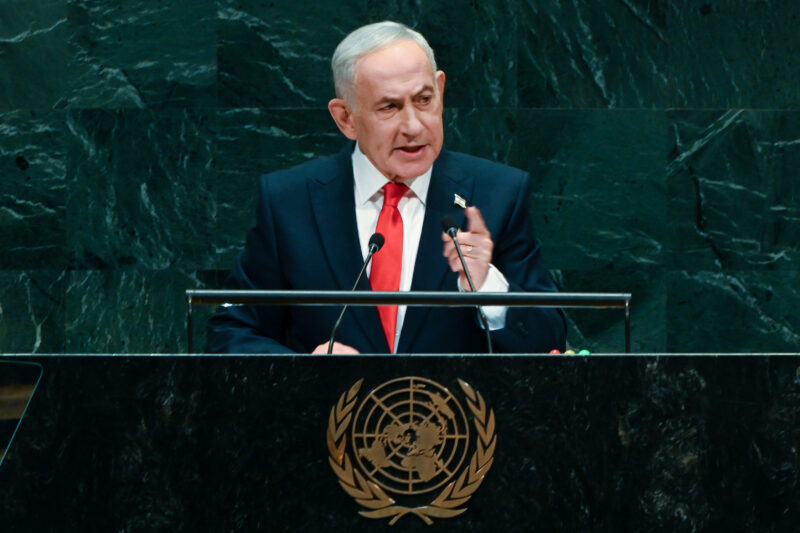
Meanwhile, Israeli Prime Minister Benjamin Netanyahu’s anticipated visit to New York City next month for the U.N. General Assembly “will be a big test,” Wolfson added of the mayor, who encouraged protests of the prime minister even as he acknowledged he cannot order his arrest. “How much does he want to focus on it? How much does he want to grandstand?”
Rabbi Ammiel Hirsch of the Stephen Wise Free Synagogue, a Reform congregation on Manhattan’s Upper West Side, who serves as the president of the New York Board of Rabbis, said he was not asked to attend the meeting on Monday but was encouraged by what he had heard about it. “If in fact it was a very frank conversation,” he told JI, “then that’s a good thing.”
“It’s not that the mayor is not aware of this. He’s heard it many times,” Hirsch added. “Hopefully it’ll make a difference,” he said, particularly ahead of the High Holy Days of Rosh Hashanah and Yom Kippur, when security concerns are top of mind for synagogues across the city. “It hasn’t made a difference so far.”
“He knows our fear, he is aware of our fear” and “he is pursuing it nonetheless,” Hirsch said.
One of the attendees, who asked for anonymity to talk openly, told JI that he came away suspecting that the Office to Combat Antisemitism had selected himself and his peers as a group that could communicate anxieties over the mayor’s heightened focus on Israel and its local repercussions in a manner Mamdani might be receptive and responsive to.
“The consistent message was, we have to address the mayor’s rhetoric around Israel, because that’s an obstacle to addressing anything else effectively,” said the attendee, who noted that the mayor’s team had told him they would be discussing an upcoming report on antisemitism in the city and initiatives to confront it at the meeting. “I shared similar sentiments to my colleagues about the desire to work together on so many issues of shared concern, and the feeling of alienation as a result of the mayor’s rhetoric, and the belief that it could be different.”
Both attendees who spoke to JI on the condition on anonymity praised Mamdani’s handling of the meeting, characterizing him as an active listener who asked thoughtful questions and took notes throughout the discussion, and who acknowledged synagogues’ charitable work assisting immigrants and feeding the needy. They admitted, however, that the gathering ended without any specific concessions or commitments.
“I’m suspending judgment and waiting to see,” one said.
Rabbi Rick Jacobs, president of the Union for Reform Judaism, came away from the gathering with similar impressions.
“Look, they picked a minyan of rabbis to come sit with the mayor, and I’m sure there are rabbis who just really would’ve just, you know, laid into him,” said Jacobs, known for both his pro-Israel record and outspoken criticism of the Israeli government. “Everybody was thoughtful, everybody was respectful, but everybody made sure that he knew that this is really deeply harmful to our community.”
Jacobs said he had brought his concerns to Mamdani personally in the past, but said he hoped that hearing the same message from so many rabbis would bring about change.
Wisdom said in a statement that the hourlong discussion had “focused on strategies to strengthen Jewish safety and belonging, maintain candid lines of communication and collaborate on issues where we have shared values and goals.”
“It was an open, positive and constructive conversation,” she added. “Mayor Mamdani has and will continue to engage with Jewish life in New York City in order to meet the needs of our communities and reaffirm his commitment to the thriving of Jewish communities across the five boroughs.”
The administration has been increasing its engagement with Jewish leaders ahead of the unveiling of the citywide strategy to combat antisemitism, expected next month.
One Jewish leader who was not invited to the Monday gathering, speaking on the condition of anonymity to address a sensitive issue, said he also met privately a few weeks ago with Wisdom and Binderman and raised concerns about Mamdani. “They listened,” he told JI. “They didn’t argue.”
After Mamdani shot a lengthy video last month in which he walked back his campaign vow to arrest Netanyahu while calling the prime minster a “war criminal” and “the architect of a horrific genocide,” the Jewish leader said he followed up with Wisdom and Binderman in a phone call to voice reservations. There was “not a lot of pushback,” he recalled of their conversation.
Rabbi Joseph Potasnik, executive vice president of the New York Board of Rabbis, lamented that the mayor had not reached out to his group and urged the mayor to engage more with the city’s longstanding Jewish communal organizations.
“When you’re the mayor of New York City, you have to be accustomed, or have to learn to deal with people who like you, don’t like you, agree with you, don’t agree with you. That comes with the territory,” he said. “I was glad to hear the people in the room pushed back on the rhetoric. That was heartening to hear.”
More Stories

DOHA DEALINGS
Moskowitz challenger visited Qatar in 2024, photographed with Qatari official
PHONE A FRIEND
AOC launches campaign blitz for El-Sayed across Michigan
education consternation
Department of Education accuses colleges and universities of hiding foreign funding ties
Arrivederci, Reggio
Jewish preschool educators forced to condemn Israel to attend Reggio Emilia conference
Daily Overtime
Trump rules out pre-midterm Iran strikes

SCOOP
Rep. Lawler urges Treasury to reopen investigation into Swiss bank’s Nazi ties
Please log in if you already have a subscription, or subscribe to access the latest updates.
 Continue with Google
 Continue with Apple