




















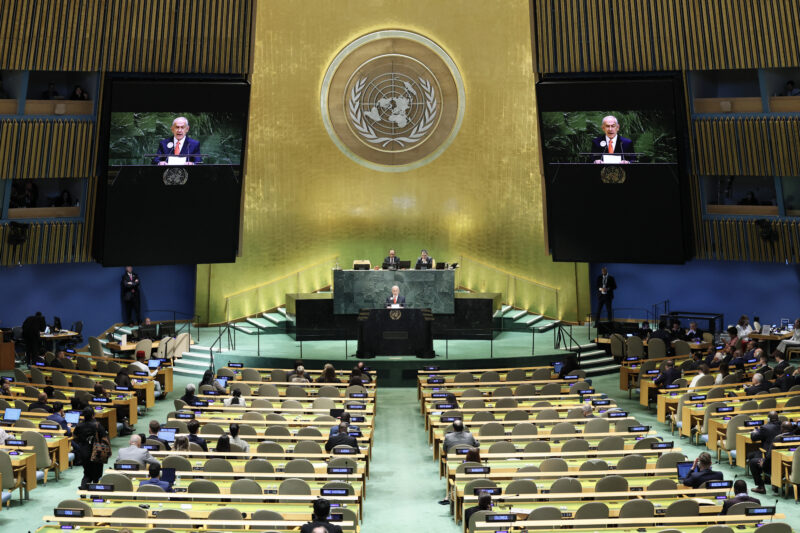












Israeli election déjà vu
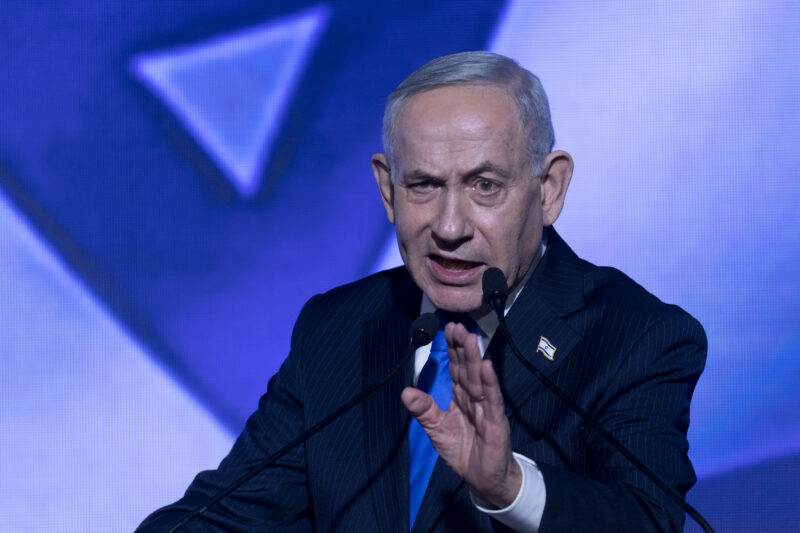
With neither the Netanyahu-led government or the Eisenkot-led opposition winning enough support for a solid majority, a governing stalemate is looking more likely — in a repeat of the 2019-2020 elections
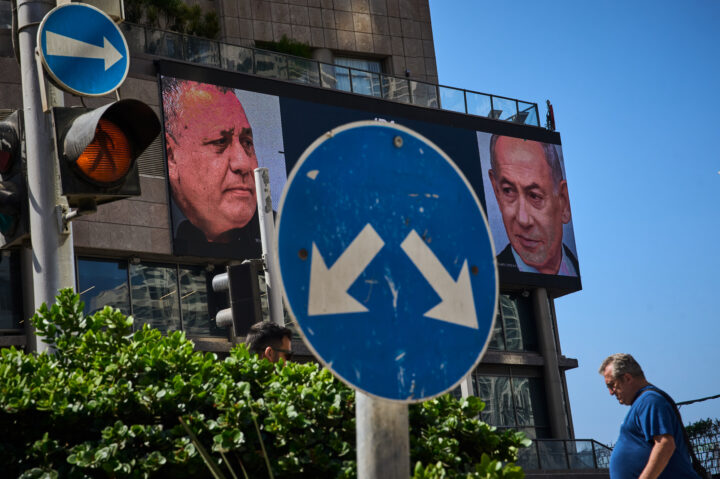
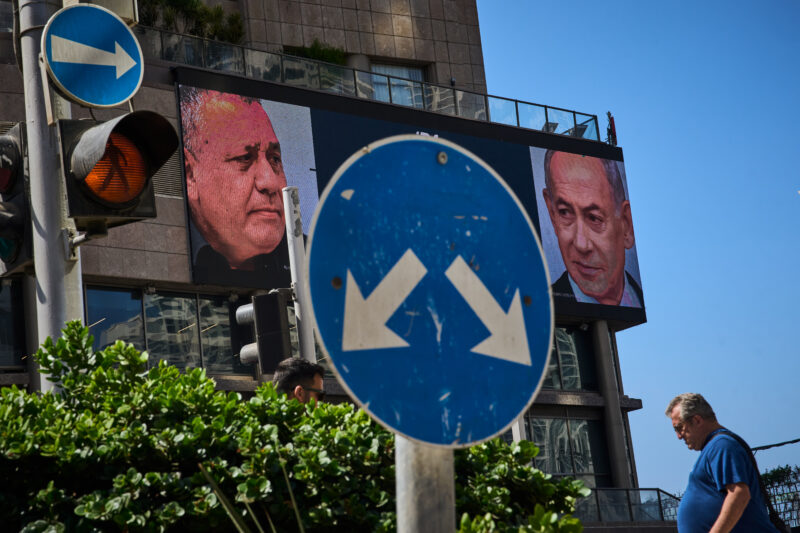
(Oded Balilty/AP)
A man walks past a television channel advertisement featuring Israeli Prime Minister Benjamin Netanyahu, right, and his main rival, opposition candidate Gadi Eisenkot, ahead of Israel's general election, in Ramat Gan, Israel, Wednesday, Sept. 23, 2026.


 Add JewishInsider on Google
Welcome to 2019, electorally speaking, that is.
With the High Holy Days season now in the rear-view mirror, Israelis across the country have received postcards in the mail in recent days listing their polling place address, one of the tangible signs that election season is in the homestretch. Yet the Oct. 27, 2026, vote is taking on an unmistakable back-to-the-future feel.
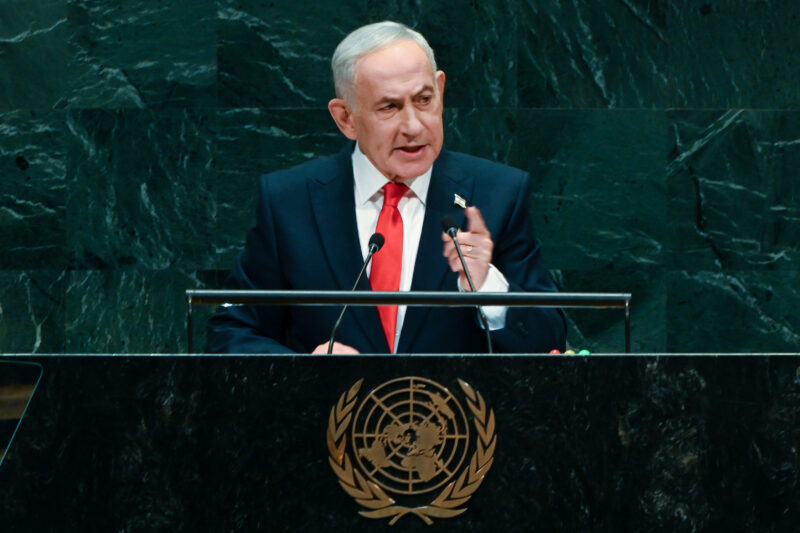
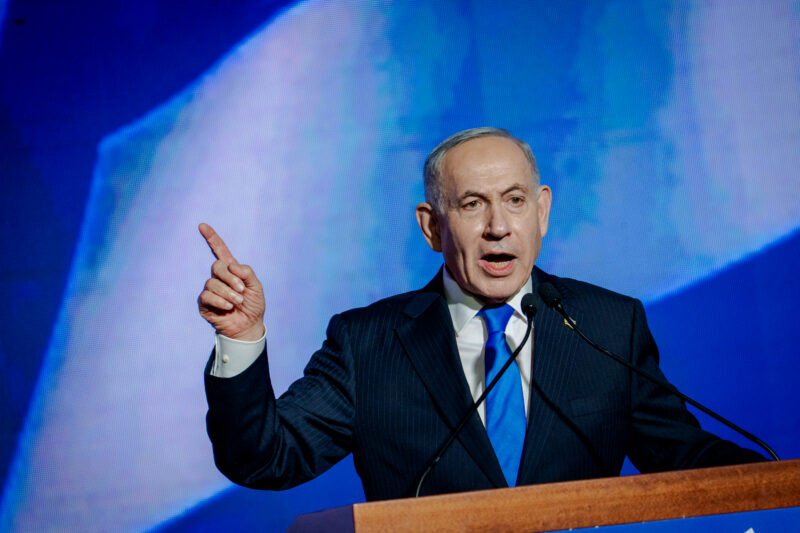
Then, Prime Minister Benjamin Netanyahu was bloodied but unbowed, set to be indicted on bribery and public corruption charges, with a coalition that fell apart over a court order to resolve the issue of Haredi draft exemptions. Now, Netanyahu remains bloodied but unbowed, with a large swath of the public calling for him to take responsibility for security failings surrounding Oct. 7, 2023, and the Haredi draft issue still looms large.
Then, the leading contender to take the premiership from Netanyahu was an ex-IDF chief of staff, Benny Gantz. Now, it’s Gadi Eisenkot, who held the post from 2015 to 2019. Then, Naftali Bennett formed a new party, the New Right; now, the former prime minister is back with yet another new party. And even the libertarian iconoclast Moshe Feiglin is back in play – though he’s less focused on legalizing weed this time.
With 22 days until the election, Israelis could be forgiven if they are having flashbacks. Then, in 2019 and with the country split, Netanyahu couldn’t muster the 61 seats to form a ruling coalition. Now, the pro- and anti-Netanyahu blocs are virtually tied in most polls, and a repeat of 2019 could be inevitable, analysts say.
Netanyahu and Eisenkot are each focused on breaking the stalemate so they can form the next coalition. The way things currently stand for Netanyahu to reach a 61-seat majority, he will have to reach across the aisle, where most of the parties have vowed not to join a coalition he leads. For Eisenkot to win, he and his allied parties will have to break campaign promises not to sit with the Haredi parties, who seek to perpetuate their constituents’ exemption from military service, or — as Netanyahu’s Likud campaign has emphasized — rely on Islamist party Ra’am, which has sent mixed messages about its views on Hamas.
As was the case seven years ago, there is widespread talk among the parties of boycotting Netanyahu, Arab parties or Haredi parties. That year was the first time a new election was called without a government being formed, and it happened after the second election that year, as well. The cycle was only broken by the COVID-19 pandemic pushing Gantz into an alliance with Netanyahu — a pattern that repeated itself after Oct. 7, which has led to Gantz’s nosedive in the polls. Two more elections were held over the following two years.
But unlike in 2019, this election is being held in the post-Oct. 7 world. Hamas and Hezbollah are shells of their former selves, but the IDF is still being deployed on four fronts with tens of thousands of reservists on duty. The Abraham Accords are holding strong, but more broadly, Israel’s international relations are at a nadir. The Iranian nuclear threat has been somewhat rolled back, but the situation in the Islamic Republic remains unstable and dangerous. And then there’s the prospect of airplane hijackings making a comeback. Government paralysis is an even more dangerous possibility in 2027 than it was in 2019.
Some Israelis may have hoped that the ongoing security crises would convince the political class to put aside the games they played at the end of the last decade, but despite all the developments of recent years, they’re back at square one with many of the same pieces on the board.
More Stories
exclusive
Gottheimer urges DOJ to investigate N.J. city for antisemitic discrimination
PARTY OUTREACH
DNC bids to reengage Jewish voters with new constituency council ahead of 2028
HATE MAIL
Son of GOP challenger to Gov. Wes Moore called Jews ‘pedophiles’ and ‘Satan worshipping scum’
BUSY IN BEIRUT
Reps. Gottheimer, LaHood visit Lebanon, meet President Aoun
trump talk
Trump backs Netanyahu on Oct. 7 warnings, won’t say if he deserves another term

BOOKSHELF SHOWDOWN
New York Public Library hosts Jewish author mocking communal concerns of antisemitism
Please log in if you already have a subscription, or subscribe to access the latest updates.
 Continue with Google
 Continue with Apple