











El-Sayed denies Muslim Brotherhood ties after Rogers debate claim
The Democratic Senate nominee also said he regrets his comments about the Temple Israel attack: ‘I regret anytime if I step on somebody's grief’
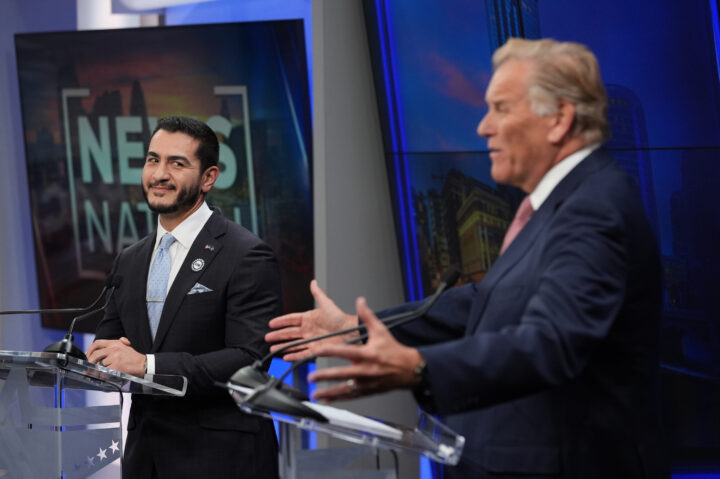
Paul Sancya, Pool/AP
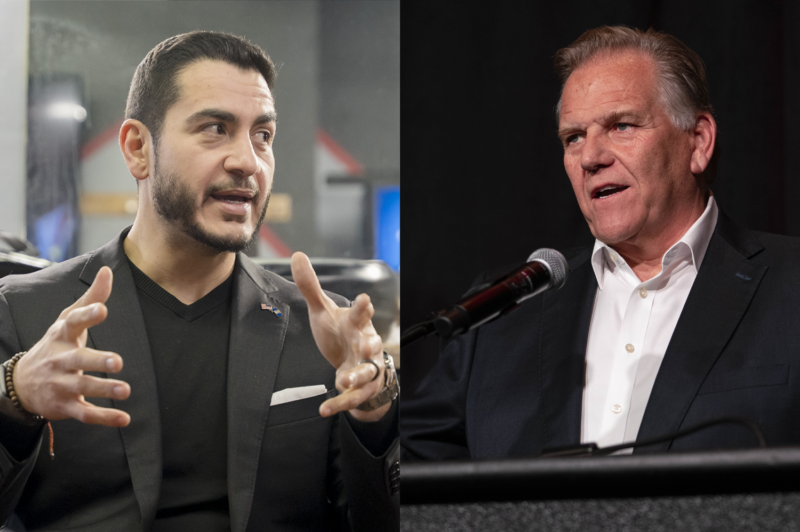
Republican nominee for U.S. Senate Mike Rogers, right, speaks during a televised debate with Democratic nominee for U.S. Senate Abdul El-Sayed on Oct. 8, 2026, in Grand Rapids, Mich.


 Add JewishInsider on Google
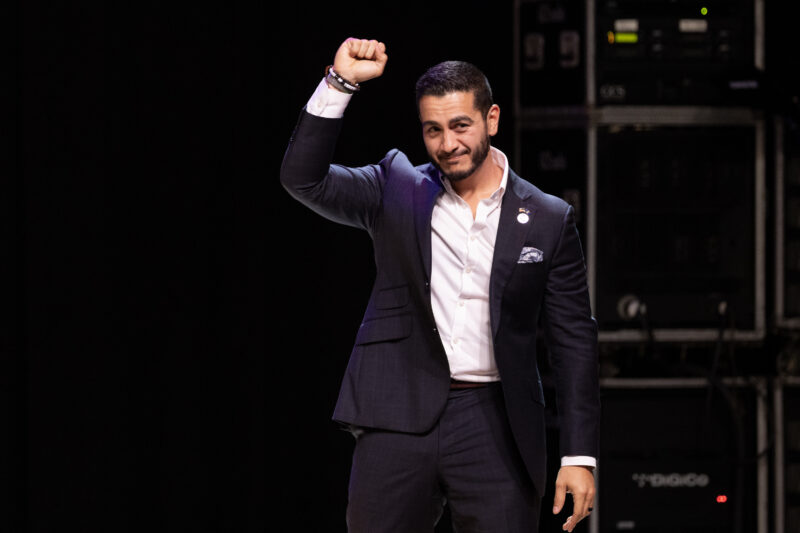
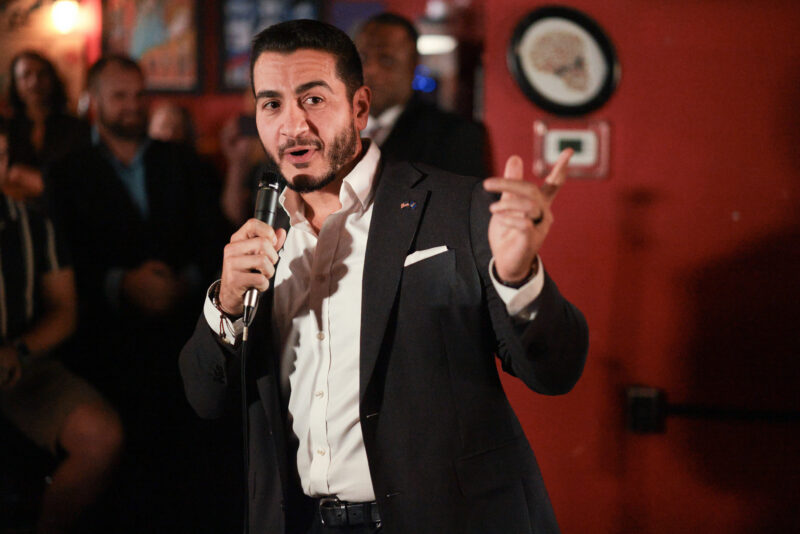
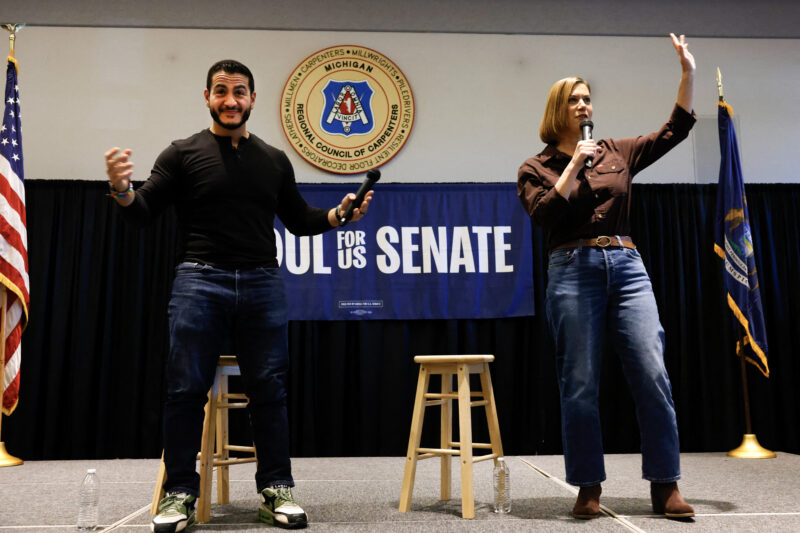
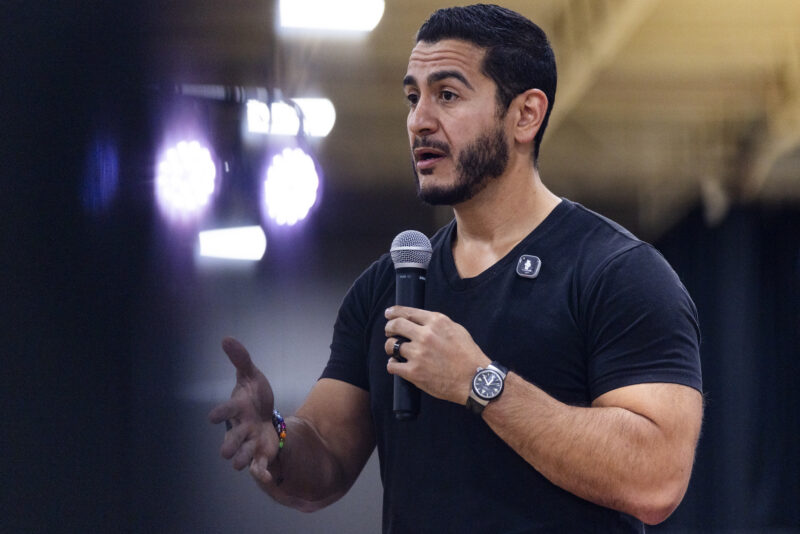
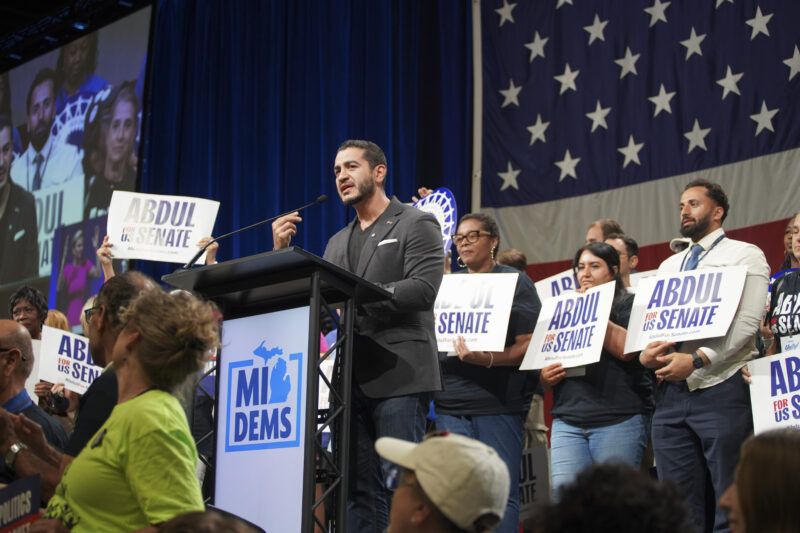
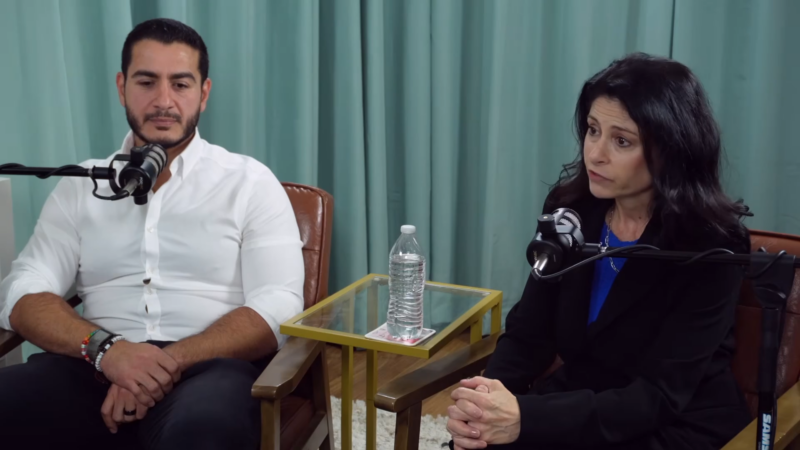
Democratic Michigan Senate nominee Abdul El-Sayed on Sunday denied that he or any of his family members have ties to the Muslim Brotherhood — accusations his opponent, former Rep. Mike Rogers (R-MI), raised last week during the first Michigan Senate debate.
Asked by Kristen Welker on “Meet the Press” to respond to Rogers’ claims, El-Sayed first answered, “You know Kristen, the only reason he said those things is because he really wanted to repeat the word Muslim.”
Pressed to answer directly if he or his family have ties to the Muslim Brotherhood, El-Sayed said, “No.”
Rogers had claimed that El-Sayed received donations from groups in support of the Muslim Brotherhood and from individuals who “openly support Hamas, Hezbollah [and] al-Qaida.” El-Sayed’s mother also worked for the Islamic American Relief Agency, which was designated as a terrorist organization for supporting al-Qaida, and his sister-in-law sued to be removed from a federal terrorism watchlist, according to recent reports.
“Let me ask you though, why this is even a subject of debate,” El-Sayed said to Welker. “Because his only strategy is to point to me and my name and my faith and to say that we’re different. And that you should suspect people simply because they are different than you in how they pray.” He went on to accuse Rogers of being beholden to President Donald Trump and seeking office in order to enrich himself.
El-Sayed also reiterated in the interview that his “commitment to Jewish safety is the same as my commitment to my own kids,” a common refrain of his on the campaign trail, and said of his relationship with the Jewish community that he has “had really important conversations.”
“I’ve learned a lot from the conversations I’ve had, some conversations with folks who will be colleagues, somebody like Sen. Elissa Slotkin (D-MI). And, you know, I remember sitting down with her and her sharing how she felt when she heard that ‘hurt people hurt people’ comment. And it was really important to me to hear, to understand that I had been stepping on somebody’s pain. That’s not my goal here,” El-Sayeed said, referring to his comments in the aftermath of the terror attack on Temple Israel earlier this year that critics said attempted to justify the actions of the perpetrator, a Hezbollah sympathizer.
Asked if he regretted the comment, El-Sayed said, “I regret anytime, you know, if I step on somebody’s grief, of course I regret that. And I really wish I’d thought about how somebody would have felt hearing that, and thought twice about making those comments.”
More Stories
REGIONAL SHIFT
Amb. Kaploun: More Latin American countries plan to adopt IHRA definition of antisemitism
TORAH AND TAXES
First female Haredi candidate promises reform to ultra-Orthodox politics
analysis
From Oct. 7 to FlyDubai, ordinary Israelis keep filling the gaps left by the government
Mayor Unmoved
Mamdani brushes off pro-Hamas heckling at Oct. 7 vigil
SURVEY SAYS
Poll finds sliding NYC Jewish support for Dems since Oct. 7, substantial concern about DSA
HATE MAIL
Son of GOP challenger to Gov. Wes Moore called Jews ‘pedophiles’ and ‘Satan worshipping scum’
Please log in if you already have a subscription, or subscribe to access the latest updates.
 Continue with Google
 Continue with Apple